Splitgate: Arena Reloaded
Game
Documents about Splitgate: Arena Reloaded
Golden TWIG 2025: Gaming's Real Awards Show
The gaming industry in 2025 is defined by a stark divergence between the scaling success of platform-based ecosystems and the systemic instability of traditional high-budget publishing.
- Roblox has become a primary industry growth engine, recording a 70% year-over-year increase in daily active users and challenging traditional high-budget publishing models.
- Established publishers including Ubisoft, Warner Bros. Games, and Amazon Game Studios are experiencing significant commercial and reputational erosion, while high-budget titles like Concord and Splitgate 2 have failed to meet modern player expectations.
- Market success is increasingly driven by smaller-budget titles with innovative mechanics, such as Clover Pit and Animal Company, rather than the speculative, high-capital models that led to instability at firms like Forte, Bungie, Dream Haven, and TheoryCraft.

Magic is the New Fortnite, Xbox Backs Down on Prices and Nightreign gets Duos! | Games For Breakfast
The gaming industry is currently defined by a tension between aggressive intellectual property exploitation and a volatile shift toward AI-driven infrastructure.
- Wizards of the Coast is successfully leveraging 'Universes Beyond' crossovers to drive revenue, with the Final Fantasy set for Magic: The Gathering generating $200 million in a single day.
- Major gaming corporations are prioritizing AI integration and short-term profit optimization, leading to workforce instability and significant layoffs despite record profitability.
- Xbox has retracted plans for $80 price points on upcoming titles, signaling a strategic shift toward prioritizing brand ubiquity over aggressive hardware-based monetization.

"Bringing your games to other platforms is how you’re going to win"
The global gaming industry is currently defined by a strategic pivot toward multiplatform accessibility as the primary driver of commercial viability.
- Multiplatform accessibility has replaced hardware exclusivity as the primary strategy for commercial viability in the current gaming market.
- The industry is experiencing a shift toward ubiquity, as publishers increasingly rely on cross-platform releases and remasters to reach players within their existing ecosystems.
- Long development cycles, often spanning four years, are causing major publishers to struggle with adapting to rapidly shifting player habits, leading to frequent title unlaunches.
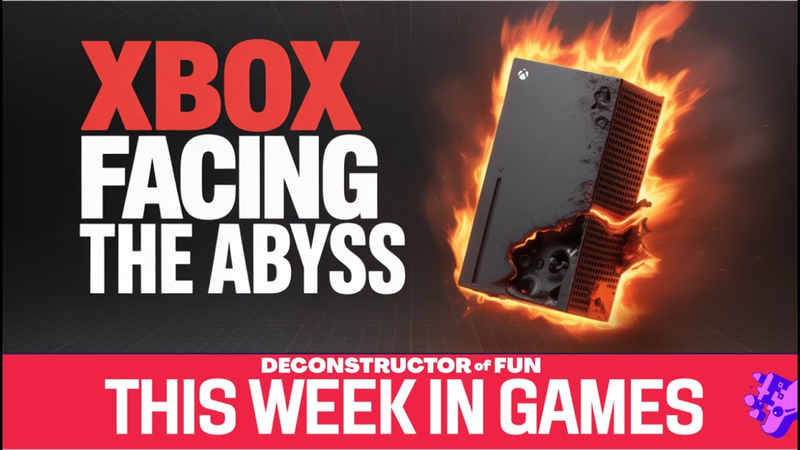
TWIG #338 Apple’s Cat-and-Mouse Game, Xbox's Doom Loop, and Splitgate 2’s $100M Misfire
The gaming industry is currently navigating a period of profound instability characterized by widespread workforce reductions and the failure of high-budget projects to capture market share.
- High-budget game launches are increasingly failing to gain traction, exemplified by the $130 million Splitgate 2, which failed to match the concurrent player counts of its predecessor due to a market dominated by entrenched titles like Fortnite and Counter-Strike 2.
- Microsoft’s strategic shift toward Game Pass and third-party hardware is creating a 'doom loop' that devalues its intellectual property and alienates its core consumer base.
- Long-term revenue stability is still possible through rigorous lifecycle management, as evidenced by Rainbow Six Siege generating $300–$400 million annually a decade after its initial release.

“We need our studios to believe they can grow again” – Ukie
The United Kingdom’s video game industry is undergoing a strategic pivot toward long-term sustainability and economic independence, supported by a new government-backed growth package.
- The UK government is launching a strategic growth package for the gaming sector, featuring £10 million in startup funding and the establishment of a dedicated UK Video Games Council.
- The industry is pivoting toward long-term sustainability by decoupling gaming from film and television to establish it as an independent economic and cultural pillar.
- Workforce development is being prioritized through the Game Skills Network, which focuses on apprenticeships and leadership training to foster high-quality intellectual property as a defense against AI-generated content.
Companies behind it

As the documents state it.