Marvel Contest of Champions
GameBy Kabam Games, Inc.
Documents about Marvel Contest of Champions
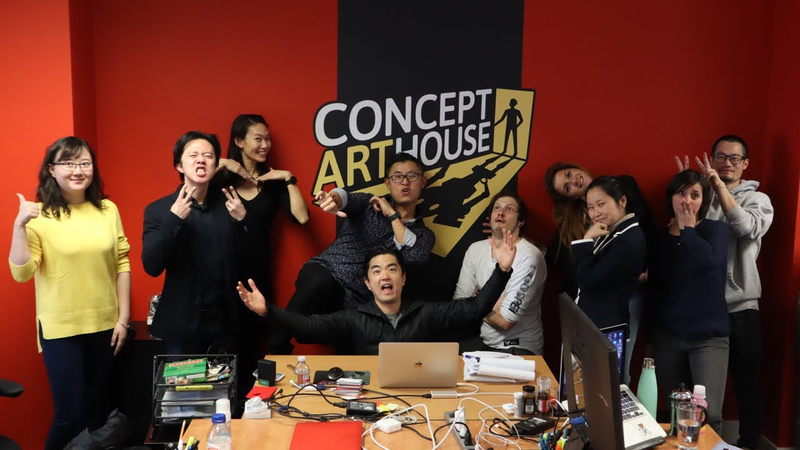
From Artist to CEO | Concept Art House Origin Story and Inside Tour
Concept Art House is a high-end art service provider for the gaming industry, specializing in concept art, illustration, 3D modeling, and marketing assets.
- Concept Art House, founded in 2006, has scaled from a six-person team to over 70 staff members, providing art services for major clients including Blizzard, EA, Sony, and Wizards of the Coast.
- The mobile gaming sector drives 70% of the company's output, with production budgets for individual mobile titles now reaching as high as $40 million.
- The studio operates a distributed business model with a San Francisco headquarters and significant production facilities in Shanghai, utilizing Jira, Shotgun, and Basecamp to manage international workflows.

Monetization with Behavioral Economics
The application of behavioral economics in mobile game design serves as a strategic framework for optimizing monetization by reducing the psychological pain associated with spending.
- Behavioral economics categorizes players into three spending profiles: 'Tightwads' (24%), 'Unconflicted' (60%), and 'Spendthrifts' (15%), with monetization strategies designed to reduce the 'buying pain' felt by the former group.
- The Decoy Effect uses price anchoring by displaying three options to steer players toward a specific purchase, often making the most expensive option appear as the best value compared to a less attractive middle-tier 'decoy'.
- Games like Pet Rescue Saga utilize 'powered-up' booster bundles at failure screens to replace standard currency offers, leveraging the psychology of free sampling to increase conversion.

Feature Spotlight: In-Game Events and Market Trends
In-game events have evolved from simple, occasional holiday-themed additions into essential, core components of successful free-to-play mobile games.
- Over 50% of games in the iOS US Top Grossing 100 utilize a combination of both recurring and non-recurring in-game events, compared to less than 25% of games outside the top 100.
- In-game events are no longer considered optional enhancements but are now a standard expectation for mobile games to maintain player engagement and improve KPIs.
- Recurring events provide a predictable, looping cadence that integrates into the core gameplay experience, while non-recurring events offer unique, time-limited content to drive excitement.

Feature Spotlight: Multiple PvP-Modes
The implementation of multiple player-versus-player (PvP) modes serves as a critical strategy for enhancing player retention and diversifying gameplay progression in mobile gaming.
- Approximately 32.6% of all games in the iOS US Top Grossing 100 have implemented multiple PvP modes, compared to only 19.1% of games outside the top 100.
- In the tactics and strategy genre, adoption of multiple PvP modes is significantly higher, with 70% to 80% of the highest-ranking games implementing the feature as of late 2016.
- Implementing multiple PvP modes diversifies progression curves and increases horizontal content, which helps extend the lifecycle of an application.
iOS Gaming Leaders: December 2015
The mobile gaming market experienced significant growth in December 2015, characterized by a surge in both installation volume and consumer spending on Apple’s App Store.
- In December 2015, worldwide iOS gaming downloads grew 20% month-over-month to approximately 614 million, while total gaming revenue reached nearly $1 billion, an 18% increase from November.
- Clash of Clans reclaimed the top-grossing spot on iOS from Game of War in both U.S. and worldwide markets during December 2015.
- Piano Tiles 2 was the most downloaded game globally and in the U.S. for December 2015, maintaining the No. 1 position in all iPhone categories for the six days leading up to Christmas.
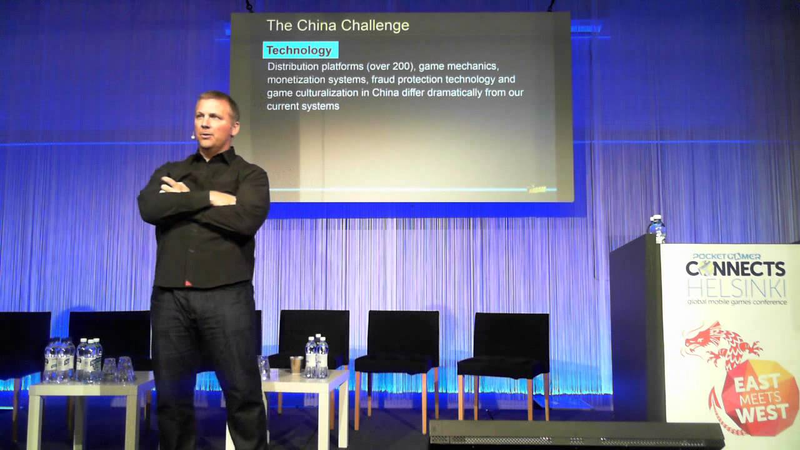
How Kabam is looking to crack China
Kabam’s strategy for navigating the global mobile gaming market centers on the necessity of "culturalization"—the deep adaptation of game systems to fit local preferences—rather than simple localization.
- Asian markets including China, Japan, and Korea now account for over 50% of global mobile gaming revenue, yet remain dominated by local developers due to high barriers to entry.
- Kabam’s strategy for market penetration relies on 'culturalization'—deeply adapting game systems like VIP features to local preferences—rather than simple translation.
- To succeed in China, Kabam leverages local partnerships for distribution and regulatory compliance while utilizing its Beijing studio to maintain internal control over code and IP.
Companies behind it

As the documents state it.