1 free read left. Create a free account for unlimited reading + AI research.
Create free accountArticle Deconstructor of Fun
1 free read left. Create a free account for unlimited reading + AI research.
Create free accountArticleDeconstructor of Fun
Monetization strategies aim to reduce the 'buying pain' experienced by 'Tightwads' to encourage spending.
Player Segmentation. Behavioral economics categorizes players into 'Tightwads', 'Unconflicted', and 'Spendthrifts' based on spending profiles.
The application of behavioral economics in mobile game design serves as a strategic framework for optimizing monetization by reducing the psychological pain associated with spending. By segmenting players into categories—tightwads (24%), unconflicted spenders (60%), and spendthrifts (15%)—developers can tailor their in-game store experiences to mitigate purchase resistance, particularly among the more sensitive tightwad demographic.
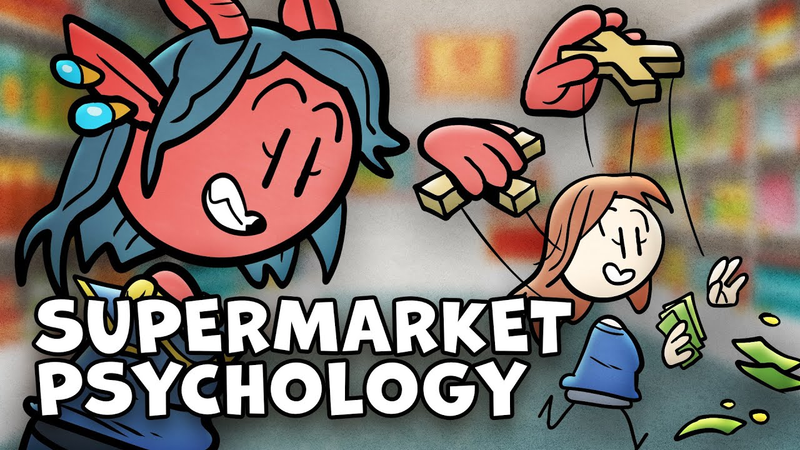
Five specific behavioral principles are identified as highly effective for driving digital revenue. The decoy effect utilizes price anchoring to steer players toward preferred purchase options by introducing less attractive alternatives. Reciprocity leverages the social norm of returning favors, often through free samples or boosters that prime players for future purchases. Counter-offering, or bargaining, provides discounted bundles to non-converting players, creating a sense of value and agency. The endowment effect encourages attachment by allowing players to build up assets, such as a virtual piggy bank, which they then feel compelled to unlock. Finally, supermarket psychology dictates store layout, forcing players to navigate past premium, high-margin items to reach free or essential content.
These strategies are analyzed through the lens of mobile game design, citing examples from titles such as Pet Rescue Saga, Farm Heroes Saga, Slotomania, and Marvel Contest of Champions. The methodology relies on qualitative deconstruction of user experience flows and economic principles rather than large-scale quantitative surveys. Ultimately, the analysis concludes that integrating these psychological patterns into game design is a sophisticated, non-invasive method for increasing conversion rates, positioning behavioral economics as an essential standard for modern free-to-play monetization.
The games and companies this document names on the inner ring, other documents about them on the outer one. Select a cover to see it up close and open it in a new tab; drag to move, pinch or Ctrl + scroll to zoom.

Deconstructor of Fun · 2026

Deconstructor of Fun · 2026

Deconstructor of Fun · 2026

Deconstructor of Fun · 2026

Deconstructor of Fun · 2026

Deconstructor of Fun · 2026

Deconstructor of Fun · 2026

Deconstructor of Fun · 2026

Deconstructor of Fun · 2026

Deconstructor of Fun · 2026

Deconstructor of Fun · 2026

Deconstructor of Fun · 2026