Final Fantasy
Game
Documents about Final Fantasy
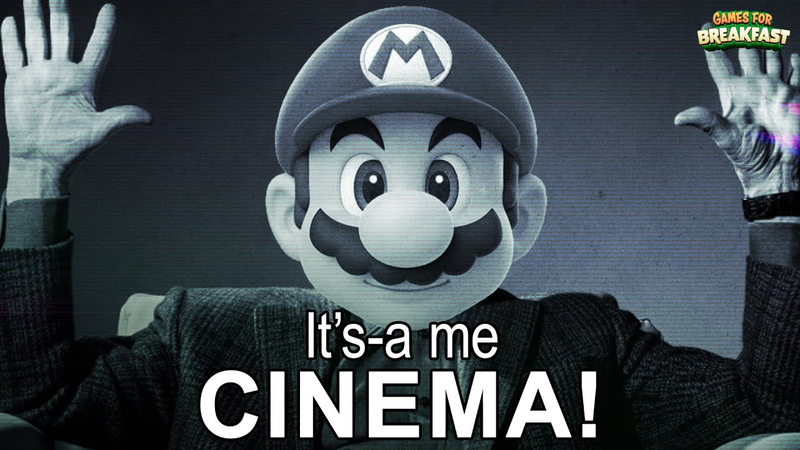
Nintendo’s Box Office Bet, Rockstar’s Bad Week, & Playstation Portal Ponies Up | Games For Breakfast
Nintendo is aggressively expanding its intellectual property into the cinematic space, moving beyond the success of its initial film ventures to establish a long-term release cadence.
- Rockstar Games has delayed the release of Grand Theft Auto VI to November 2026, citing a need for technical polish while simultaneously facing allegations of international union busting.
- Nintendo is formalizing a long-term cinematic strategy with a new Mario film slated for 2025 and a live-action Legend of Zelda adaptation scheduled for 2027.
- Funko is experiencing a 20% year-over-year sales decline, reflecting broader market saturation issues affecting established entertainment brands.
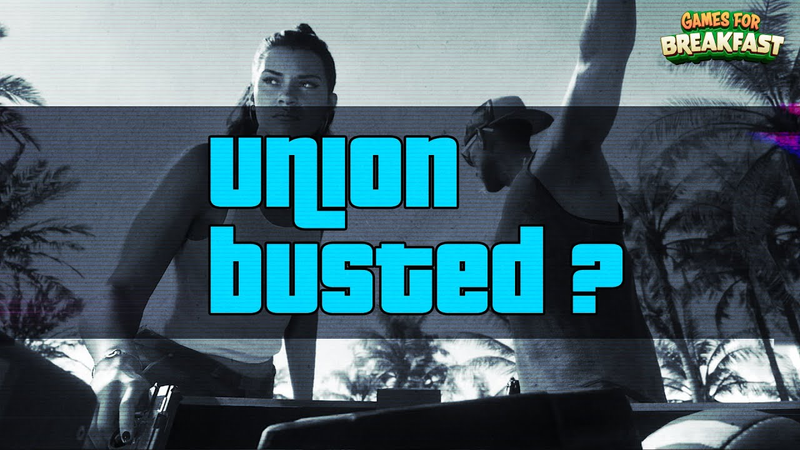
Rockstar’s Union Gets Busted, Runescape’s MTX Vote & Amazon Unalives New World | Games For Breakfast
The gaming industry is currently navigating a period of significant structural and strategic volatility, characterized by labor disputes, shifting monetization models, and the failure of high-capital corporate strategies.
- Amazon Games is sunsetting the title New World and canceling its Lord of the Rings MMO, signaling a failure of high-capital corporate strategies that lack a niche-focused, sustainable growth model.
- Rockstar Games faces allegations of union-busting following the termination of dozens of employees, highlighting increasing friction between major studios and labor organizations.
- Jagex is shifting toward player-centric monetization by allowing Runescape players to vote on the removal of controversial microtransactions.
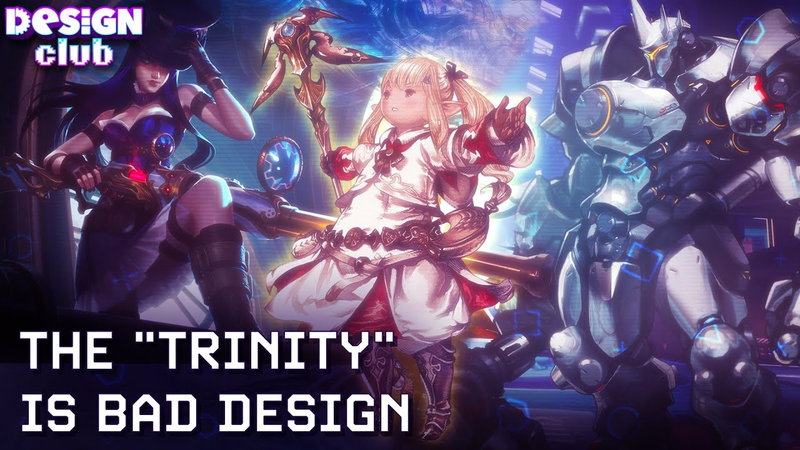
The Archetype Trap | Design Club
The traditional Holy Trinity of tank, healer, and damage dealer (DPS) serves as a pervasive, yet increasingly contentious, framework in modern game design.
- The 'Holy Trinity' of Tank, Healer, and DPS is a design shorthand used to simplify party management and matchmaking in large-scale games like Final Fantasy 14 and Warhammer Online, rather than a fundamental requirement of game design.
- Strict adherence to archetypes can lead to poor gameplay if developers prioritize these roles over the actual needs and mechanics of the game they are building.
- Game archetypes are often fluid; for example, modern tanking roles frequently incorporate crowd control to manage player-controlled opponents, whereas traditional aggro tables are primarily designed for NPCs.
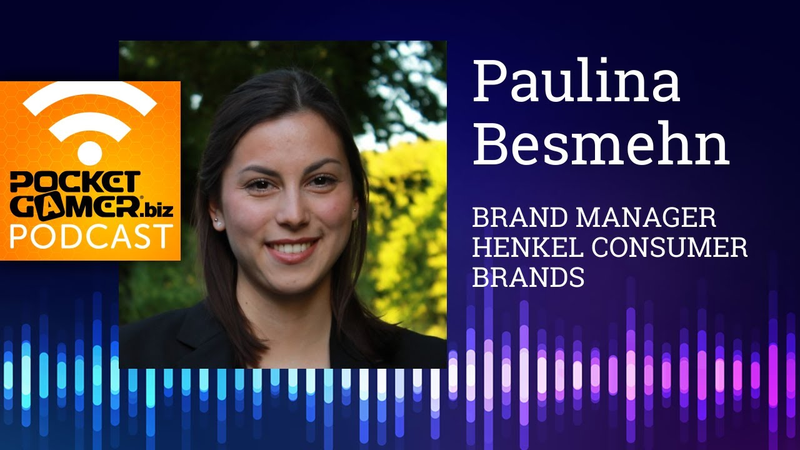
Gaming Meets Beauty: Inside Henkel’s First Brand Activation
Henkel’s recent collaboration between its Schwarzkopf got2b hair color line and the Final Fantasy XIV franchise serves as a strategic case study for non-endemic brands entering the gaming space.
- Henkel’s Schwarzkopf got2b brand entered the gaming market by partnering with Square Enix to launch limited-edition hair colors inspired by Final Fantasy XIV character aesthetics.
- The campaign strategy focused on bridging physical self-expression with virtual identity, targeting the gaming community’s emphasis on character customization.
- Success was driven by a hybrid model that combined offline product launches with strategic online influencer partnerships to reach the target demographic.
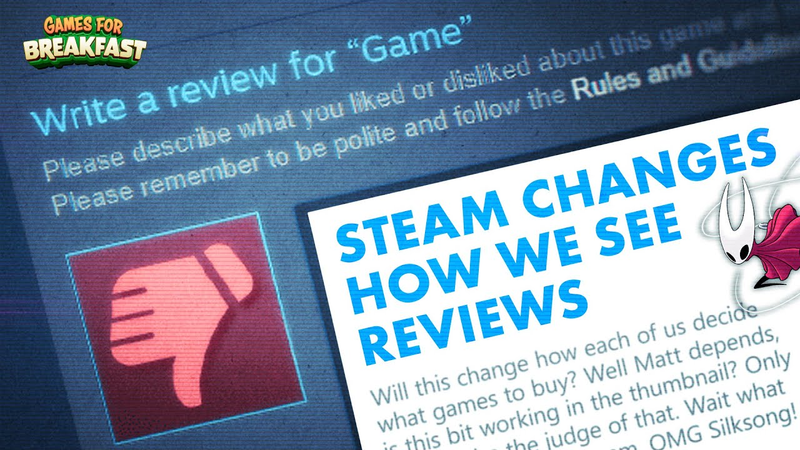
Steam Review Shakeup, Gamescom Galore & SILKSONG OMFG?!?!? | Games for Breakfast
The gaming industry is currently navigating a period of significant structural and cultural transition, marked by shifting corporate strategies and evolving consumer expectations.
- Hollow Knight: Silksong is scheduled for release in September 2025, exerting enough market influence to force other independent developers to adjust their own release calendars.
- Steam has introduced granular review filtering based on language to combat regional review-bombing and improve the accuracy of localized sentiment data.
- Sony has divested the Evolution Championship Series to Nodwin Gaming, signaling a strategic retreat from the fighting game esports sector due to ongoing profitability challenges.
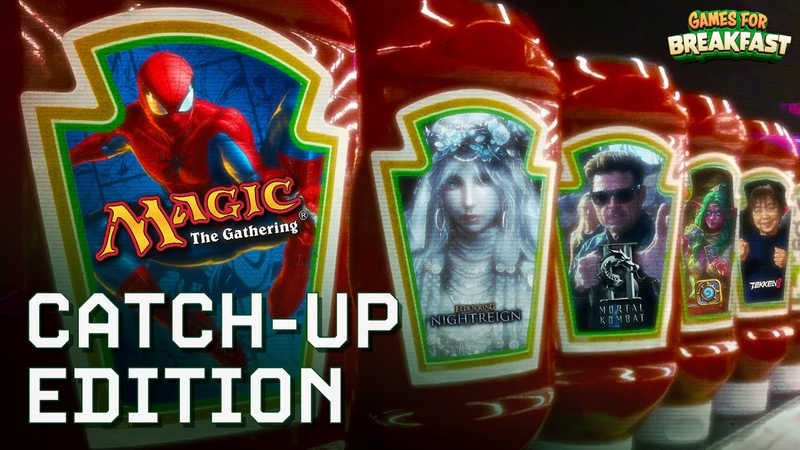
Magic is the New Fortnite, Xbox Backs Down on Prices and Nightreign gets Duos! | Games For Breakfast
The gaming industry is currently defined by a tension between aggressive intellectual property exploitation and a volatile shift toward AI-driven infrastructure.
- Wizards of the Coast is successfully leveraging 'Universes Beyond' crossovers to drive revenue, with the Final Fantasy set for Magic: The Gathering generating $200 million in a single day.
- Major gaming corporations are prioritizing AI integration and short-term profit optimization, leading to workforce instability and significant layoffs despite record profitability.
- Xbox has retracted plans for $80 price points on upcoming titles, signaling a strategic shift toward prioritizing brand ubiquity over aggressive hardware-based monetization.
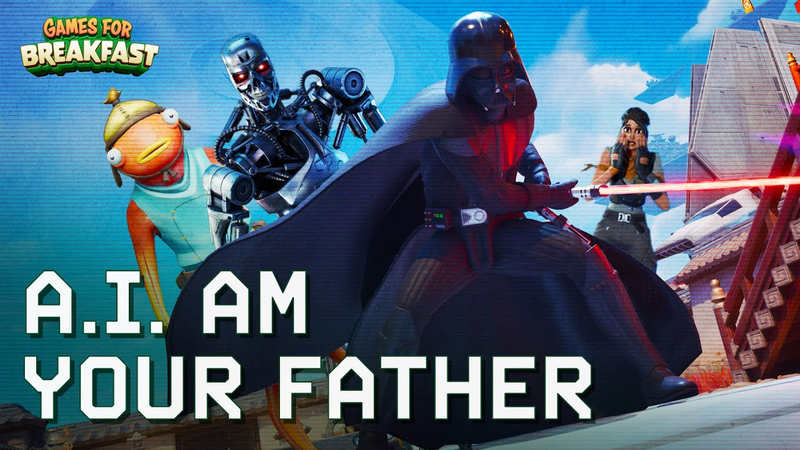
Fortnite Fumbles Darth Vader, Nic Cage as Madden & HBO drops MAX | Gaming News | Games For Breakfast
The gaming industry is currently navigating a period of significant transition, characterized by a tension between aggressive monetization strategies and the need for authentic creative integrity.
- The gaming industry is facing a critical tension between aggressive monetization and creative integrity, exemplified by premium pricing models in high-profile crossovers like Magic: The Gathering and Final Fantasy.
- The premature implementation of generative AI for voice acting in Fortnite has created significant reputational risks, highlighting that novelty cannot replace the immersion provided by professional human performance.
- Labor standards are shifting as workers at companies like Blizzard (Overwatch 2) and VFX departments successfully unionize, signaling a move toward improved labor relations despite ongoing industry-wide monetization pressures.

Week in Mobile Games E37: Pokémon Trading Card Game Pocket's blockbuster launch & Royal Kingdom hype
The mobile gaming industry is currently navigating a period of significant volatility, characterized by a shift away from traditional performance-based user acquisition toward brand-centric development and long-term intellectual property cultivation.
- Pokémon Trading Card Game Pocket generated over $120 million in its first three weeks, demonstrating the high market potential of leveraging nostalgia and simplified mechanics.
- The mobile gaming market is experiencing high volatility, with top-tier titles often suffering revenue declines exceeding 50% from their peak launch performance.
- Warcraft Rumble has seen a 92% decline in monthly earnings, highlighting the difficulty of maintaining long-term player engagement for major franchises.
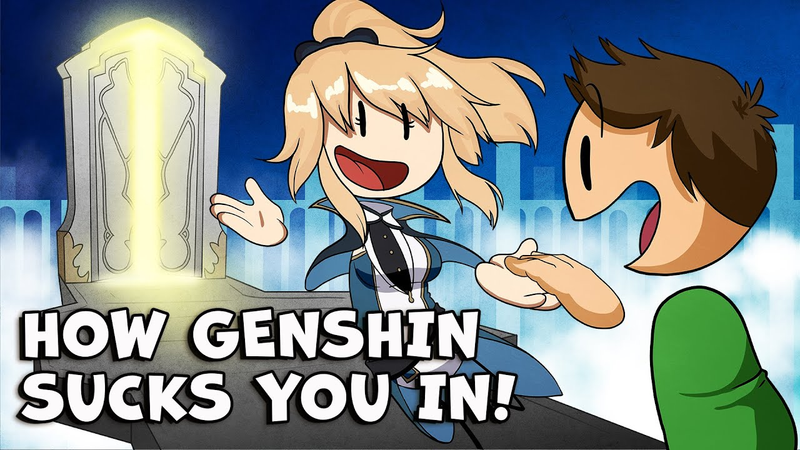
The Genius Game Design of Genshin Impact’s Login Screen - Extra Credits
Effective game design often operates on a subconscious level, utilizing the initial moments of a player’s experience—such as login screens, loading sequences, and opening music—to prime them for the intended gameplay loop.
- Effective game design utilizes the login screen and loading sequences to subconsciously prime players for the intended gameplay experience, ensuring their expectations align with the game's core loop.
- Genshin Impact’s login screen uses calm music and imagery of ruins and infinite paths to establish an atmosphere of exploration and wonder, steering players away from high-intensity action expectations.
- Designers must identify the core 'hook' of their game and reinforce that specific fantasy through every element of the opening, including music, visuals, and load-time transitions.
Microsoft Unblocked / FF16 Sales / Classic Game Archive Issues
The gaming industry is currently navigating a period of significant structural transition, marked by the consolidation of major publishers and the ongoing evolution of digital distribution models.
- The judicial clearance of Microsoft’s acquisition of Activision Blizzard is expected to trigger a new wave of large-scale industry consolidation.
- 87% of classic games released before 2010 are currently commercially unavailable, driven by poor internal asset management and the technical barriers of live-service infrastructure.
- Subscription services like Xbox Game Pass risk capping financial upside and altering game design incentives, likely pushing the industry toward a hybrid model of subscription and traditional retail.
Niantic Layoffs / Square Enix’s Future / FTC Lawsuit Revelations
The global gaming industry is currently navigating a period of intense structural realignment, characterized by aggressive consolidation, technological pivots, and significant regulatory scrutiny.
- The FTC’s challenge to Microsoft’s acquisition of Activision Blizzard threatens the long-term viability of the Game Pass strategy, which depends on consistent IP acquisition to compete with Sony and Nintendo.
- Niantic has implemented a 25% workforce reduction and closed its Los Angeles office, signaling a cooling of market expectations for mainstream consumer augmented reality adoption.
- Square Enix is facing declining profitability and long production cycles, leading to pressure to refocus on core franchises like Final Fantasy and divest from speculative blockchain investments.
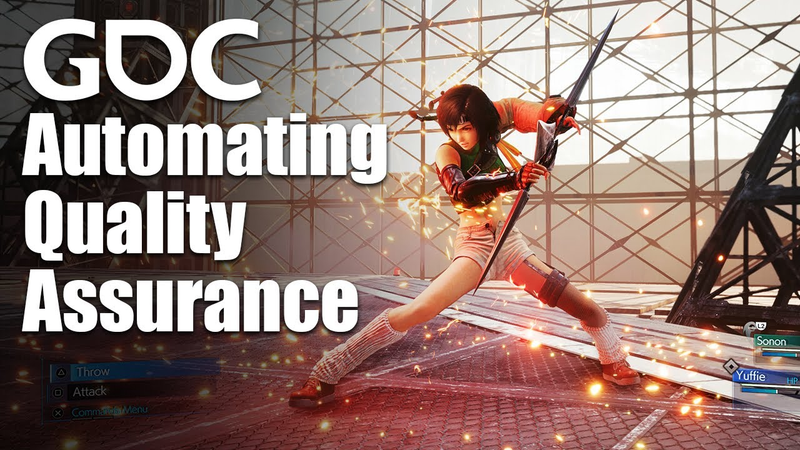
'Final Fantasy VII' Remake: Automating Quality Assurance and the Tools for the Future
Modern game development requires sophisticated quality assurance strategies to manage the increasing complexity of large-scale titles like Final Fantasy VII Remake.
- Automated testing systems for Final Fantasy VII Remake utilize a centralized server architecture and platform-specific watchdogs to execute non-deterministic testing as early as the vertical slice phase.
- The testing framework records both gamepad inputs and granular game state data, using a synchronization stack to automate regression testing and minimize manual labor.
- Continuous 3D grid-based exploration and replay analysis allow teams to identify rare, intermittent bugs occurring in fewer than 0.3 percent of sessions.
Companies behind it

As the documents state it.