Combat
Game
Documents about Combat
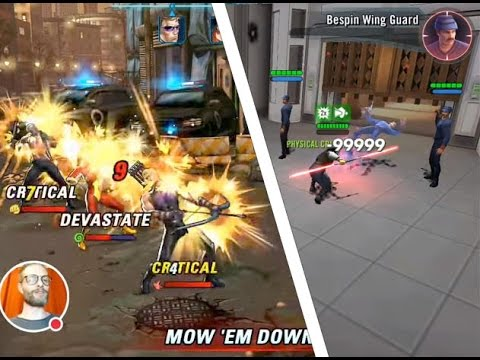
Marvel: Avengers Alliance 2 vs Star Wars: Galaxy of Heroes
Marvel: Avengers Alliance 2 and Star Wars: Galaxy of Heroes represent two distinct approaches to the mobile turn-based squad RPG genre, both leveraging major Disney-owned intellectual properties.
- Marvel: Avengers Alliance 2 and Star Wars: Galaxy of Heroes both utilize a three-wave combat structure and character-based progression, yet they target different segments of the mobile RPG market.
- Marvel: Avengers Alliance 2 focuses on tactical depth by requiring manual input for complex class-based mechanics, buffs, and debuffs without an automated combat option.
- Star Wars: Galaxy of Heroes prioritizes accessibility and time-efficiency through a streamlined combat system with fewer ability choices per character.

Unlocking Stormtrooper Han in Star Wars: Galaxy of Heroes
Star Wars: Galaxy of Heroes, a mobile role-playing game developed by EA, utilizes a character-collection framework to engage players through strategic squad building and turn-based combat.
- Star Wars: Galaxy of Heroes, developed by EA, operates as a hero-collector RPG centered on strategic squad building and turn-based combat within the Star Wars universe.
- The core progression loop requires players to manage resources to unlock characters via shards, increase levels using training droids, and enhance stats through gear tiers.
- Combat efficiency is driven by the simulation (Sim) system, which allows players to bypass previously completed battles to farm resources using energy.
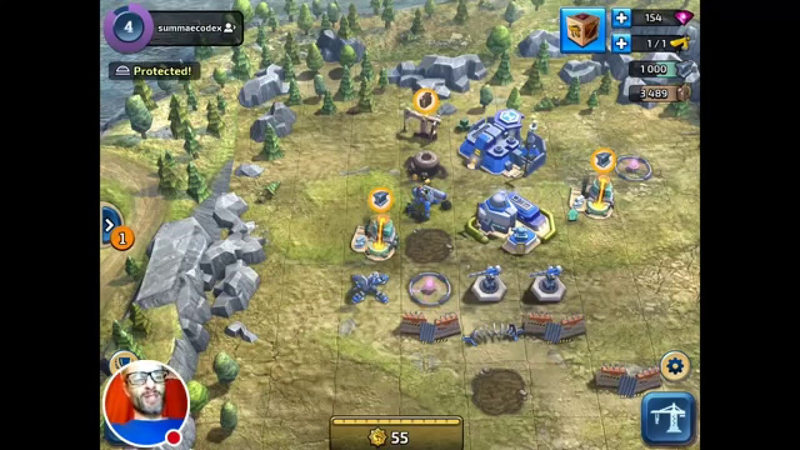
Monetizer: Path of War
Path of War, a mobile strategy game developed by Envision and published by Nexon M, attempts to differentiate itself within the crowded mobile strategy genre through specific gameplay mechanics and a focus on alliance-based social structures.
- Path of War, developed by Envision and published by Nexon M, utilizes a grid-based base-building system combined with lane-defense style combat mechanics.
- The game employs a traditional monetization model featuring a single construction queue bottleneck that incentivizes players to spend hard currency (diamonds) to accelerate progress.
- Combat is restricted by a command point system that limits unit deployment, requiring players to wait or pay currency to replenish forces.
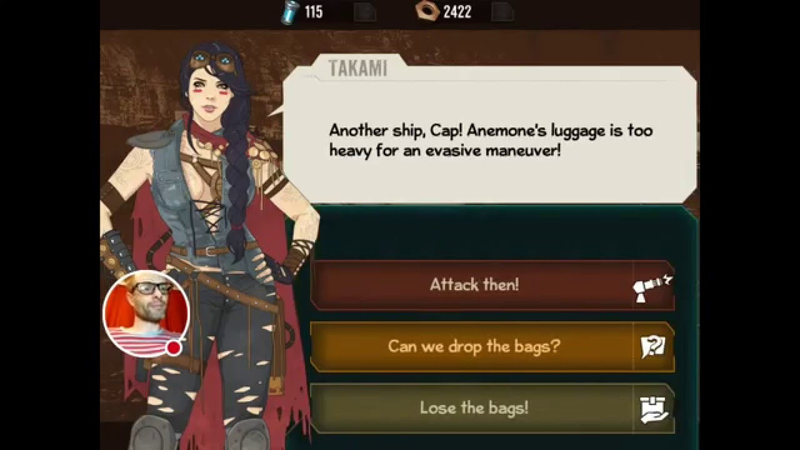
FTUE: Sandstorm: Pirate Wars
Sandstorm: Pirate Wars functions as a free-to-play mobile title developed by Ubisoft, characterized by a post-apocalyptic, Mad Max-inspired aesthetic.
- Ubisoft’s Sandstorm: Pirate Wars is a free-to-play mobile title featuring a post-apocalyptic, Mad Max-inspired aesthetic and a core loop of tactical ship-to-ship combat.
- The game employs a restrictive energy-based resource system that forces players to balance energy consumption between offensive weapon systems and defensive shield boosts.
- Progression is driven by a cycle of combat, loot collection, and the acquisition of 'bolts' currency to upgrade ship equipment for increasingly difficult encounters.
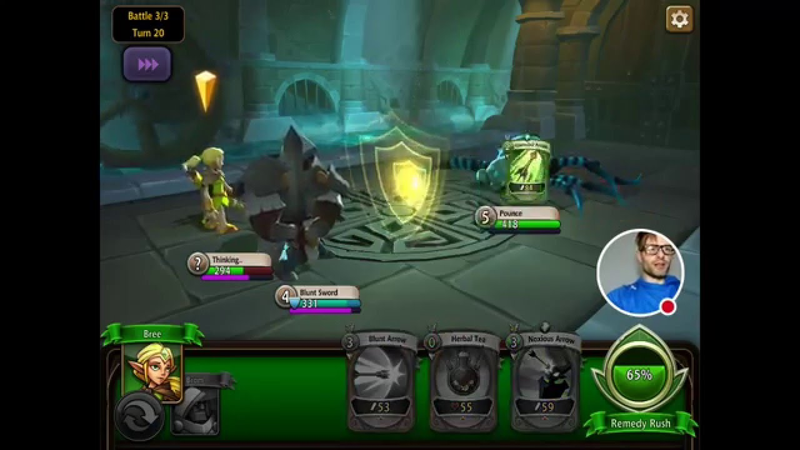
GotW: BattleHand
BattleHand, a card-battling RPG developed by the London-based startup Another Place and published by Kongregate, serves as a notable entry in the mobile gaming market.
- BattleHand is a mobile card-battling RPG developed by London-based startup Another Place and published by Kongregate, targeting the mid-core Western market.
- The combat system utilizes a turn-based, team-oriented structure that incorporates elemental affinities—such as earth, water, and fire—to dictate tactical advantages.
- The game differentiates itself from competitors through a steeper difficulty curve and a design philosophy that prioritizes core gameplay mechanics over metagame-driven progression.
Monetizer: DomiNations
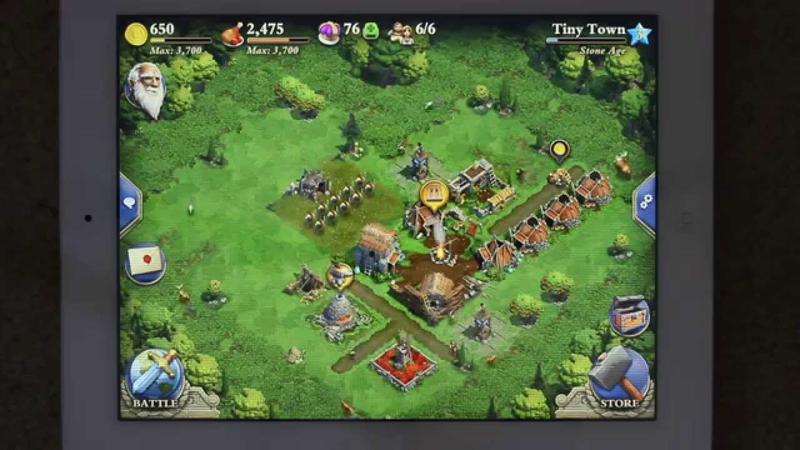
DomiNations, developed by Big Huge Games and published by Nexon, represents a strategic effort to bridge the gap between casual mobile base-building games and the depth of classic PC real-time strategy titles.
- DomiNations, developed by Big Huge Games and published by Nexon, targets the intersection of casual mobile base-building and deep PC-style real-time strategy.
- The game differentiates itself from competitors like Clash of Clans by incorporating Civilization-inspired mechanics, including historical progression, research trees, and road-network bonuses.
- Resource management utilizes a holistic population system where citizens are shared across construction, gathering, and military tasks rather than relying on dedicated builder units.
Monetizer: Compass Point: West
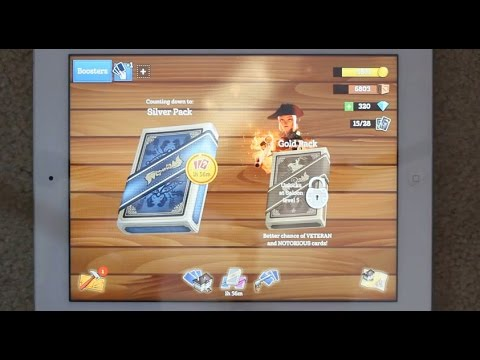
Compass Point: West, a mobile strategy title developed by the Finnish startup Next Games, serves as a case study in hybridizing established genre mechanics.
- Next Games developed Compass Point: West as a hybrid mobile strategy title that merges Clash of Clans-style base-building with card-collection mechanics for unit management.
- The game replaces traditional unit training with a card system where players collect, upgrade, and merge cards to improve combat effectiveness.
- Monetization relies on a dual-currency model using gold/goods as soft currency and diamonds as hard currency to accelerate timers, bypass wait times, and purchase card-draw boosters.
Monetizer: Royal Revolt 2
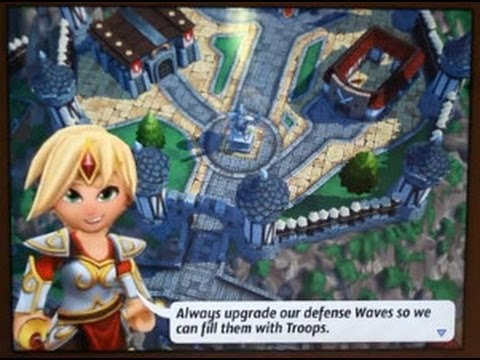
Royal Revolt 2, developed by Flaregames, is a mobile title that integrates city-building mechanics with tower defense gameplay.
- Royal Revolt 2 utilizes a dynamic 'percentage fill' resource mechanic where players purchase a percentage of their storage capacity rather than fixed amounts, creating a fluctuating exchange rate tied to progression.
- The game employs a high-value conversion tactic by offering a permanent 'third builder' as an incentive for a significant one-time hard currency purchase.
- Hard currency (gems) is integrated into core progression by allowing players to directly purchase experience points, accelerate construction, and unlock additional troop or spell slots.

Modern Combat 5 E3 2013 demo
Modern Combat 5 represents a significant technical and mechanical evolution for Gameloft’s mobile military shooter franchise.
- Modern Combat 5 utilizes a heavily modified engine to deliver advanced graphical features, including dynamic lighting, high-detail skyboxes, and improved water rendering.
- The game integrates the Havoc physics engine to enable environmental destruction, showcased in a mission set within a destructible Venetian environment.
- New squad-based tactical mechanics include a radar drone for tracking enemies through obstacles and a revival system that allows incapacitated players to continue firing.

Games You Might Not Have Tried - ep 2 - Find New Games - Extra Credits
This overview serves as a curated recommendation list for gamers seeking titles that offer unique mechanics, unconventional narratives, or distinct genre blends.
- The curation prioritizes games with innovative design mechanics or unconventional narratives over mainstream popularity or critical perfection.
- Bastion is highlighted for its sophisticated, non-linear narration system, while The Stanley Parable is noted for its meta-commentary on player choice.
- The list identifies specific mechanical strengths in niche titles, such as Terraria’s combat-focused exploration and the steep, rewarding learning curve of Monster Hunter.
Non-Combat Gaming - How to Make Social Mechanics Fun - Extra Credits
The gaming industry is heavily dominated by combat-centric mechanics, which rely on conflict and danger to drive engagement and provide clear, adrenaline-fueled goals.
- Non-combat social mechanics can achieve the same level of engagement as combat systems if developers apply equivalent mechanical depth, rigor, and strategic complexity.
- Combat is currently favored in game design because it provides a straightforward, reliable framework for implementing stakes, progression, and clear goals.
- Games like Echo Bazaar demonstrate that social activities, such as hosting dinners or engaging in debates, can be gamified through skill checks, stat-based progression, and strategic decision-making.
Companies behind it

As the documents state it.