1 free read left. Create a free account for unlimited reading + AI research.
Create free account
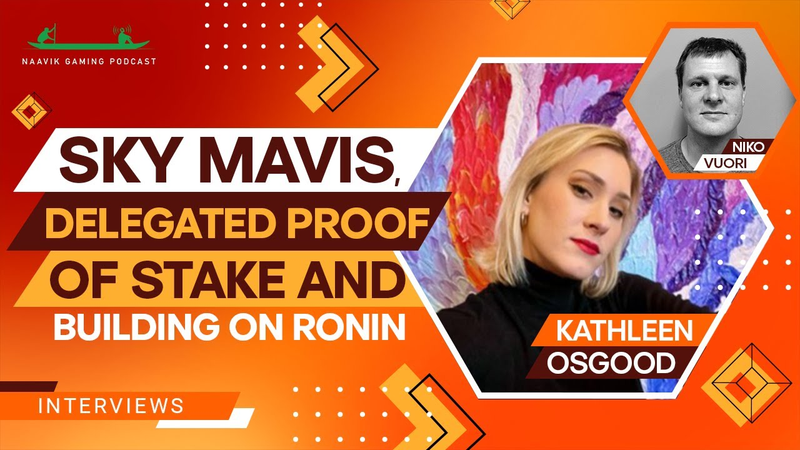
Sky Mavis, Delegated Proof of Stake and Building on Ronin
Key insights
6 takeaways- 01Sky Mavis is onboarding external studios, including Directive Games and Tribes, by providing technical support for tokenomics, NFT integration, and user acquisition.
- 02The Ronin blockchain has migrated to a Delegated Proof of Stake (DPoS) model to improve decentralization and security following the 2022 bridge hack.
- 03The DPoS architecture allows RON token holders to participate in validator selection, creating a more resilient network for third-party titles.
- 04The platform prioritizes developer autonomy by making game interoperability and the use of Axie IP optional rather than mandatory.
- 05The company’s growth strategy focuses on mobile-first titles and expansion into emerging markets like India to bridge the gap between traditional gaming and web3 ownership.
- 06Sky Mavis is transitioning from a single-game developer to a B2B publisher and infrastructure provider for the web3 gaming sector.
Ask AI about this video
Transcript
foreign [Music] gaming podcast where it is our mission to explore the business and future of video games we bring together the industry's brightest Builders investors and thinkers to keep a full sun current events dissect emerging Trends and games share Lessons Learned and have a great time this podcast is also part of novik's growing ecosystem which ranges from free and premium research to Consulting and advisory services for more information visit www.navic.com now let's jump into the episode hello and welcome to the novik gaming podcast I'm your host nickovori today we are talking with arguably the OG in the web3 gaming space the company that blazed the trail and cleared the path for so many other gaming Studios to race funding and point to a Clear Vision for what is possible when incorporating blockchain Technologies into a game design and in fact kickstarting an entire ecosystem
we are of course talking about Sky Mavis the vietnam-based company behind oxy Infiniti the biggest web 3 game out there and the Catalyst for so many of us web 2 game devs Who Dove head first into web 3 to explore what's possible and yes we will of course acknowledge that Axia has declined from its peak diu of approximately 2.8 million back in Jan 2022 at the height of the crypto bull run to about 400 000 today but that's still a really big number just about any web 3 and even web 2 gaming studio would you know be proud of those numbers and Shout from the rooftops with those kinds of stats and just because axes Runway growth uh runaway growth has stalled a little bit that does not mean that the team is not working incredibly hard on continuing to grow the game invest further into their Ronin side chain infrastructure and now they're announcing their first Genesis batch of third-party game developers that are building on Ronin so a lot of exciting developments here uh for the entire ecosystem uh on March 30th Sky Mavis announced the Ronin blockchains upgrade to delegated proof of stake or
dpos in addition to introducing the Genesis batch that I just mentioned of game studios that we'll be building and launching games on Ronin they are directive games tribes Bali games and bold.io and we'll get into all of that later and we'll have all links to all of them in the show notes as always and our guest here today uh is going to tell us a lot more about these moves what does delegated proof of stake mean for Sky Mavis fraxi infinity and the Ronin sidechain why would gamedevs want to be building on Ronin and lots of other things in between as well about the web 3 ecosystem and the future of Axia Our Guest today is Kathleen Osgood she is the Director of Business Development at Sky Mavis and it is a thrill to have you here Kathleen welcome to the pod thank you so much for having me um I just wanted to say thank you in general for creating this podcast my background traditionally is I've been in crypto since 2015 where I started a blockchain business ecosystem in Chicago
with physical co-working spaces and I most recently was at Jump where I was on the investment team as well as on the setting up our operating platform and while my history is in crypto and uh a web 3 I am relatively new to gaming and listening to your podcast when I start off at Sky Mavis it really helped me dive into all the little Crooks and crannies and really get my feet off the ground so I just genuinely want to say thank you for doing what you do awesome well thank you so much and uh yeah there's a whole massive team behind the navic gaming podcast on the navic ecosystem so any listeners that are curious about gaming web 3 the podcast a lot of the research work that uh navic does as well there's a lot uh under the hood it's kind of like an iceberg you know ten percent 90 below the surface well listen Kathleen it's so great to have you here um and we're gonna dive right into the episode here uh the very first thing I want to talk about is of course uh delegated proof of stake
um can you tell our listeners more about you know why sky movies doing this why are you moving to delegated proof of stake from uh what is kind of your air quotes more traditional proof of stake model and I believe Ronan was was based um on the proof of stake model up until this point uh what does dpos mean to you and why are you moving in this direction the dpos Auto's Ronin to be owned by more players more than ever what does this do uh it effectively decentralizes the network and it moves Sky Mavis in the direction that we've always envisioned which is more decentralized uh becoming more decentralized it's something that's super important to the integrity and the health and the safety of the whole ecosystem at Large so with the upgraded dpos we're opening up our infrastructure and our technology to The Wider web3 world and we believe this is the path towards creating gaming that's Community Centric more rewarding and above all it's more fun um I like to group it the benefits into
three separate buckets so for developers dpos marks a developer friendly shift by enabling them to run a node on a test net and then deploy their smart contracts for the community this upgrade enables anyone to run the validator candidate and allows Ron holders to stake their tokens through a validator and this ensures the security of the network it also means that everyone will now have a way to earn and share in ronin's success as you know Ronin it it's very early in its infancy it was created to scale the game that has grown the fastest in the history of all games so when you look at what we did in combination with a adding in this new technology and a blockchain um it's pretty substantial and so what happened when we hit that hit that method or that uh substantial Dau we had to shift over and we had to build our own blockchain and infrastructure so
that's what happened with Ronin and it again it's very new no games have been announced on it it's barely on any exchanges and so by making this shift to dpos we really enable users to a way to earn and then share and ronin's success from the get-go like from this you know almost Genesis Point Kathleen thank you for that very detailed answer there's a lot I want to dig into there I'm actually going to read I know you touched on this but I'm just going to read it because this is um directly from your your press release uh talking about um delegated proof of stake and I'm going to kind of do some follow-ups um based on what you just said there as well so here's the quote from the um the press release you say the upgrade to dpos delegated proof of stake marks the next step toward decentralization for Ronin now anyone with a minimum of 250k run can become a validator and take part in Block production at the same time any Ron holder can stake their tokens and participate in validator selection the selected validators then share a part of
their rewards with the delegators the users who stake their tokens Ron staking opens on March 30th where the rewards starting on April 12th so that's basically what you just said that's from the press release that's still a mouthful right there so I think uh yeah I want to dive into kind of what this is really mean in practice I know you've talked about some of the benefits um but I want to get into the kind of the practice and the nitty-gritty how many new validators and or delegators are you expecting to see as a result of this move what are the practical implications of having more validators and delegators you've touched on some of the benefits but what does it mean in practice and then I do want to ask about the rewards um you know so how much just for our listeners how much is 250k Ron like is that a big amount or a small amount and then the rewards from actually staking are on like how attractive are those so I know there's a lot of questions in there um but I really want to get into the nitty-gritty of like what does this mean in practice what do you expect to happen as a result of these announcements got it those are quite a few questions
um even if I could simplify it a little bit so generally sticking on Ronin means that you're delegating your tokens to one of the block producing validators or one of the validator candidates and then these stakers earn rewards if the validator that they're staking with is part of the 22 block producers so as a user you you are the one that has to determine who you believe in most and then stake your tokens accordingly um like a good validator will as an example have an extremely high uptime percentage and be known in the community um in terms of the rewards that is that essentially is determined based upon these validators and what they want to share um we are releasing a video from uh when we announce these game studios in the delegated proof of stake we're announcing a step-by-step video that Alex our co-founder has that goes through exactly what all these key pieces mean in more detail in terms of
um what the rewards look like and how to select a validator and kind of what that shift looks like uh between the different validator candidates so I would definitely advise we could probably link them in the show notes here but advised to go and look at those but ultimately that is the the key component of it and in terms of the the attractiveness of the rewards um talk to me a little bit about that is that changing from what it was in the past you know proof of authority uh I had a proof of stake I apparently you can't believe everything you read on the internet [Music] but uh uh the uh you know the rewards that are actually you know accruing to validators and delegators um do you see those as being particularly attractive or is that changing based on what you have now versus what you're going to be doing in the future so it really depends on what you thinking is a is an appropriate number but if you look back at the community and uh their reaction to our
percent a potential percentage announcement and they're they're divided but I think we'll be able to see a reaction once those numbers really come into fresh fruition and you and you can see the variety of it awesome yeah I would be interested to have you back uh at some point once we've seen this rollout and see what happens in terms of how this plays out so very curious to see um see see what what that looks like okay well let's switch gears to to security uh you alluded to the fact that we're going to talk about this uh you know I think uh it would be intellectually dishonest if we didn't uh call out the fact that you know there was that 650 million dollar Ronin Bridge hack almost exactly a year ago now actually I I looked it up the day where we're recording yeah yeah as of the day we're recording literally it's almost exactly a year the anniversary uh so even though it's a year ago it's it's still very fresh in our minds it was one of the biggest uh hacks of any kind whether it be you know in crypto blockchain or or you know a heist of
great art from you know the Louvre or something like that uh obviously a huge deal um and my question to you here is firstly how much did that hack play into the delegated proof of stake approach when did you actually start work on this dpos project and then secondly would dpos have mitigated the risk of a phishing or social engineering attack which of course the Ronin Bridge hack was I believe it was uh there were nine validators at the time on the network five were compromised and so it was only you know literally you can count them on one hand a number of human beings that had to be uh hacked uh in order to actually get access to the network keys so does dpos mitigate this and was dpos a response to this road number tracker were you already working on a more secure version um internally I the question on whether or not it was
a response to this hack or not I I don't closely work with the engineering team that is something that I actually would like to know I know we've been working on it for a very long time but since they hack security has become our number one focus at this company we have been heads down we want to be one of the most secure companies in gaming moving forward and the hack Shirley was the Catalyst towards this happening we are pioneers in a new space I always describe it as you know we're kind of we're we're in a new territory we're going and we're cutting down trees and we're we're foraging and we're trying to carve ourselves a piece of this new land and we were attacked like we didn't see a bear coming but now we can prepare for that and we can tell others this is how exactly you prepare for that and so when I joined a year ago it was nearly just two weeks before we were hacked my main job here is to bring in game studios to
build on Roman so I at first I it was really hard for me to wrap my head around like how am I going to make this happen and you know once the dust that settled about a couple weeks after I realized that it actually it was a blessing in disguise because it made us stronger and now in turn it'll make our game studios that we work with just as strong we know we know what to look out for granted it's still a entirely new industry and you have no idea what's around the corner but now we can prepare you know now we've made this shift to dpos which which absolutely uh is is to help um kind of mitigate these risks as you mentioned it was a socially engineered um attack rather than a technical vulnerability uh it was swiftly addressed the users were made whole now we've done a full audit of internal security processes since then and uh
when it comes down to it we're battle tested and I think that is one of the number one selling points of working with us now you see we have validator Partners like Google Cloud we do have a long-term validator goal of over a hundred at the time of the security Bridge Sky Mavis had nine validator nodes now we've creased it to 18 again which includes Google and we're trying to get to that 100 number um but yeah we've also upgraded the bridge smart contracts to allow for circuit breaker events I.E like applying withdrawal limits within um different withdrawal limits and we've also upgraded the governance models to require voting by the validators um making their own network much more decentralized so yeah yes we've hardened all of secure a sky Mavis security measures ultimately to build a strong and proactive security team um to secure our own infrastructure and then to advise the other validators so
this includes on-chain monitoring and setting up for product security team that analyzes service areas for attacks on the apps in our ecosystem um yeah it I when I do talk to my game studios it's something that I touch on almost immediately off the bat when I am having an initial introduction with a game Studio that possibly wants to build on Ronin because in my opinion uh what we have done to mitigate this risk in the future moving forward in combination with how the team handled it both internally and externally was really impressive it made me really proud to be on this team and it should make the game studios which they will share uh proud to be working with us because lessons and experience that is invaluable working with someone that has been in the trenches of this and now can be aware of of what possibly could to come is to come and take steps to mitigate that that's invaluable information
perfect segue to talk more about the actual game devs that you're working with now uh you've got your Genesis batch of four Studios that you're working with um they're going to be building on Ronin you've talked a lot about why you you're battle tested and battles you know scars are going to make this stronger and it's going to be a better experience for game developers but let's ask the foundational question here why are you inviting game developers to build on Ronin what is the thought process behind bringing them into the mix uh why not just stay focused on being a first party developer uh what are you doing to support these game devs and how are you choosing them uh to be part of this program yeah so when you take a look at what axi Infinity did and we built a lot of infrastructure so the reason that we are now bringing on more game developers is because not only do we have the learnings of building the first game within this new industry an explosive game that brought on the most web free users out of any other game we have mass
amounts of infrastructure to leverage so we touched on Ronin the blockchain itself which at one point we scaled to over 2.5 million daily active users we have a wallet that we've been expanding we have our Dex which is Katana we have all of these different assets uh nft different types of nft and web3 assets which I'll touch a little later on that compromise our axi core is what we're calling it which allow other game developers to use axiip axi assets axialor and expanding axi world and we also have so many learnings from doing this and not only that but we have the biggest community in web3 gaming we have a Creator program of over 2500 creators that are they have created so much content for axi they are dying to create more content for ronin-based games
um and our community is powerful like I mentioned before they've been through a lot with us you know there have been UPS there have been downs and they're still here some of them even have tattoos you know we went to axi-con in Barcelona and there were thousands of people there you know there's Esports tournaments people were crying it was like this big reunion of of folks and the reason axi was so successful in my opinion because it was the first time that individuals could own their game assets in a really unique way and also be invested in the open market so what did these people do they gave back they felt the sense of belonging and ownership so they gave back they created Dows they created guilds they created podcasts content music videos art infrastructure analytics and because they gave back that's what that massive explosion that's where that happened within our community and they also leveraged their networks and so what we did I really believe is rooted
in the ethos of reciprocity which I kind of mentioned that word earlier but I'm going to say it probably a million times again we enabled the community we gave him the sense of ownership and they gave back and so we really want to continue that relationship with our community and offer it offer that exposure to community and more users to other games so we have the infrastructure we have the distribution and we have the knowledge like we are set up to become a publisher we also have folks that have worked in publishing in traditional web 2 that are now working with us on our publishing platform and structuring it and setting it up because in a traditional publishing structure we have looked at all the best Publishers in web 2 and how what they have done and how they set up their organizations and now we've thought okay now we have these different web free elements to integrate with it including this community piece how can we set up a more effective platform that also allows our community to help help you know contribute to
these games and and in a meaningful way and give value to the builders so by partnering with us you you're one of a couple right now we plan to add we're actually announcing five games uh this whole bonus game that the contract was signed in the nick of time uh that we're really excited to dig into but uh we probably will sign on a couple more games this year I've I have talked with everyone um I well I have a team you know I don't come from gaming but everybody around me does I've hired out gaming experts I come and I look at these games through a web 3 lens because they've been in the space for so long and we have an entire vetting process that goes through some of the founders some of the the product folks as to okay is this is this team right for us and we've been approached by every major publisher in the space either to build a game on Ronin or to build an axi game and
at this moment it is really important that we are a Studio's focus and we are not their experiment we want to work with people that are all in on web3 they don't necessarily have to have everything all of their plans for web3 down because we can offer that that is something we bring to the table you need to figure out your token economy you need to figure out how you're going to leverage nfts and by no means do we think all web free games need these pieces you know everything doesn't have to be done the way actually Infinity was done but we can help put together what that looks like from a web perspective with the experts on our team so you know that is that is what you get by working with us it's it's uh the best technology used to scale the fastest growing game in the history of web3 and the people that made it and we're going to concentrate on you and we're hopefully going to help distribute this to the masses and you I think part of
you you asked me quite a few questions there I love doing that I love throwing it all out there and seeing seeing what comes back well that's okay because I could Ramble On I'm a business development I could keep going I can talk about all these different pieces um but what we look for in a development Studio it it is that Focus we are very founder focused as well so you'll see some of our game development Studios one of them one of the founders was the creative director at CCP which made Eve online for eight years now why is that interesting to us because Eve online is one of the biggest gaming economies in the entire world and the experience building that is enormous and what does it do it shows web 2 developers you can take Sky Mavis seriously as a partner additionally we like so I guess I'll just jump into that one real quick before I dive into all of the other ones at a later question but that company is called directive games the game is called the machines Arena it's a 4v4 top-down shooter
um we are very interested in this team because they are they are we believe we can take care of the web 3 user base which is why I do want to ask you some questions as to possibly why you're taking your own project multi-chain um when a studio says to me they want to go multi-chain I I drill down why do you want to do that because if you partner with us our creators in our community they span across every chain in my opinion the web 3 the small web free community of Gamers and to be honest I'm not even 100 positive that the current people that are gamers in web 3 are what a future web free gamer is going to eventually look like but I want those web three games those future web free Gamers within our ecosystem and how that happens in many ways a it could be a Smash Hit game that is so freaking cool that people fomo into it and they figure out how to use the technology and they dive in and all of a sudden you have this horde of web 3 web 2 users coming
into web free but we also want to take our bet on a game that is launched as a web 2 game so this game will be launched in the Epic store that is working with us to add web free elements into the game so they're gonna be fostering this web to community and then hopefully figuring out a way to get that player crossover slowly adding web3 elements and because I'm focused on getting more users into web3 through the Ronin ecosystem that is a a that is a something you will see across all of the different games I'll talk about is how can we be really strategic about exactly who the type of games we're bringing on and the users they will attract of course you have to cater to your existing community and the whales and the web3 like that has to happen but you also have to be strategic of can I develop an ecosystem through our Mavis Hub so we do have a publishing platform you can play axi there right now you'll
be able to play all of the other games through our Mavis Hub so the bigger axi grows the more exposure all of these other games will get to New users and the bigger these other games grow in terms of bringing onboarding more web 2 users you know the more XE and all the other axi games will get exposed to so ideally we have this really thoughtful ecosystem where a developer can come in and you know we have the analytics to do this although it's very hard in a decentralized manner to really uh tag a user demographic with their wallet but there's some Ai and interesting tools that we can leverage there so if a developer comes in and they say hey um I am going to launch this one type of element of my game and I want to Target uh males in Japan ages 18 to 25. we hopefully can have a database that takes
you know it's a guessing database because we do not have a traditional information that web2 does but we have enough based on wallet activity that enables people to pinpoint different demographics and different player mode motivations and interest based on what they do I'm gonna so I know you asked me a question I'll get to that in a second there are three things I want to wanna again there's 100 things we could talk about I'm going to talk about three different things so things that I found interesting and curious here let's start with this notion of oxy IP um so you're announcing essentially that hey a third-party developers can have access to the axiip I don't know what terms you're using and maybe that's not actually the most interesting part here but uh the interesting part to me is arguing encouraging developers these third-party developers to incorporate axiip and it's going to lead to a follow-up question which is about interoperability but let's start with the ipps first how are you actually asking or encouraging or even requiring perhaps uh third-party developers to use
axiip I understand the motivation for you obviously will drive the Axia awareness forward and potentially release you know Smash Hit games that incorporate Axia which of course Rising title of tall boat so the axi art community but how are you actually practically speaking doing this and encouraging developers to incorporate xcip so I want to be very clear that it is not a requirement to use axiip to work with us there are many parallels that are totally different from the example that I'm about to give but there are some underlying similarities in where I hope to get to um and that is with Nintendo so what Nintendo did with Mario I hope to do with axi and now you can add in this interoperability aspect which is really cool so building the axi Empire yeah partnering with third-party Studios massive third-party Studios to leverage axiip to leverage our guidelines we've hired World Builders we've had people to truly build out our our our world and have set guidelines of art usage and and
lore usage and so one of our another I guess I'm just throwing in all the different games as we talk here but one of the other games that we have partnered with uh they're a group out of South Korea the core members of this team nearly every person on this team comes from a group called Sunday toes who made the Smash Hit Annie pong series that is a narrative match three they've done 2.2 billion in Revenue they've had over 140 million downloads throughout all their games this team knows how to create an IP and expand it into a market to the point where it hits Mass adoption people like um you know BTS is or K-pop is singing about it uh it this this group also they were the some of the first they're the first like game on cacao and they see Sky Mavis in the Mavis Hub as that initial one of those on the ground massive opportunities that they can be one of the first uh new games on
um to access millions and millions of users so they are taking axiip now and they're mixing making an axi narrative match three so in a genre they are used to but now within our lore guidelines and this type of game enables us to expand our Allure you know people are attracted to the axi ecosystem that don't even play the game I have a bunch of axes I don't necessarily play axi all of the time but I'm part of the community and you see that throughout the community and you need to give them different experience is because in reality what we have built here and you could say this applies to everything in life is it is a type of MMO you know it's not it's not one place but it's all these different experiences that are enabled through leveraging these nfts and these axes and you know what we've done this into a small extent with the builders program which is more amateur developers that we've allowed to build out different type of axi experiences and they are
still leveraged using the same type of guidelines in lore but now we've offered massive Studios the ability to do this and we have a pipeline of these massive Studios some of the Publishers I spoke of before you know the big ones in web 2 want to build an axi game but it goes back to we want this to be every you know the studios everything and have them put their all into it and not an experiment um so very excited to dive in next we do have we you know what we're doing on the BDS team is very data focused so we've also identified different types of game genres that axiip would do well in and have targeted Studios that have made those types of games in the past to potentially let do you know leverage axiip and build a similar game but now with web 3 elements um so yeah I think that answers your question about leveraging axiip um the interoperability side of things oh yeah let me let me jump in on this
one because I have a very specific so thank you for that and that definitely does answer the xcip question on the interoperability interrupt this is I actually have an episode coming up and then not too distant future about interoperability and I'm dreading it because I'm going to mispronounce the word interoperability about different times um but interoperability is one of those those themes that is really it's very web 3 focused it's very web 3 like ethos driven right um the notion that you own your assets your digital assets and you can use them in other places not just in this one Walled Garden and I'm hearing at least you describe somewhat the notion that you would like for these axias that you own not just to be playable in actually Infinity but elsewhere too first party content and you know these third-party developers as well how are you supporting that is this first batch of now five not four but five um Genesis uh games and developers that you're bringing into the Ronin ecosystem are these games interoperable are they
designed to be played uh across each other so to speak are they all part of the same ecosystem or are they their own individual little wild Gardens how are you going to drive the indrapable big piece forward it is a pipe dream and sorry pipe dream is the wrong word that's too too strong of a phrase but in many in many cases it is a pipe dream we say interoperability we want it to be true but in reality it's really hard for for multiple developers to actually make their assets work across their their games so how are you going to do this what is the plan for driving this forward so in finishing off that uh Nintendo analogy you know they have Mario and they have all these different games we want to build that but we also want an animal crossing and we want a Zelda and we want other Smash Hit games that are Standalone amazing and the idea is to become this trusted place where users go regardless of what game they want to play and they know if they play a game within our Mavis Hub it is legitimate because it was partnered with Sky Mavis
we have had our hands in every single piece of this obviously we let our developers do their own thing we will never tell a developer what to do I want to be very clear that each game is Standalone their own game Sky Mavis is just a partner um so in terms of interoperability back to the Nintendo analogy and I'm a big animal crossing gal in Animal Crossing there are some Mario assets like I can get my own my flowers can be one of the flowers from Mario that has that like little clam thing um and in some games we give our developers the option if they want to integrate axi in some capacity they can do that now it has to be thoughtful but we are not forcing it upon anybody but the technology to do that absolutely there there is one game here we go getting into the games there's one game that we're partnering with
um the studio is called tribes and tribes will be leveraging so tribes is building a social MMO I can get into what exactly that is later um this incredible world with all of these different pieces of lore is called I tribstor's island of the Solas and the founder-led community at both scopely and King at some of the largest uh communities in all of gaming and instead of launching nfts to Foster Community before the MMO is built because it's going to take a minute he's launching a community engagement platform where individuals can go and contribute to pieces of the game and be rewarded for it so it goes back on the word reciprocity but imagine if you were able to contribute to lore or character development or you know naming an NPC or a type of art style how much more propensity would you feel to to this
game like getting it out there and telling your friends about it you feel this Mass sense of belonging and I think back to what I was saying earlier that's what happened with an axi you know people felt this Mass sense of belonging and now with tribes and this technology is going to be available to all their games building on Ronin as a method of fostering community uh you now are almost structuring the community and their skills and you form this relationship with your community as if they kind of are your employees but then we are also the community's employees right the more we give and the more we enable them to contribute based on what they're good at and what they're passionate about the more rewarded we get back in turn by growing this community in a meaningful meaningful way and so to access this engagement platform you can use your axi you can use one of the nfts that will be available through tribes but you can use your axi for that and then there's
potentially discussion about adding axes into that game in particular but every game at this moment has the option to and that is something that we are exploring but again we still want Standalone games we don't have a we don't have a specific look and feel that we're going through throughout all of our games you know if it if we come across a you know an FPS that's bloody and gory and makes sense for some reason then it would be great in our community and they're a killer development team and that's what people want and maybe we're tapping into a new market that we don't have we would partner with them you know so it the the games don't need to have the certain like axi-ish look and feel but for the ones that do we are allowing that sense of interoperability for sure and we we want to give more usage to axi holders and absolutely so that makes sense at the nft level I'm also curious to hear uh what about uh integrated or
interoperable game economies you know you obviously have AXS and SLP um and potentially other uh currencies uh planned uh are those also interoperable are you giving the option to developers to you know integrate AXS or SLP if it makes sense for their games or are you um also supporting them if they just want to do their own Standalone economies while Garden economies um which may or may not be tokenized I mean you know they may just be free to play economies right so curious to hear how you guys are thinking about the various in-game economies for the five that you have tell us a little bit more about whether they are are not integrating um AXS SLP or some other tokenized economy from your ecosystem versus their own so for the the one to be clear one of the 5 is an axi game specifically an axi game like built within our world the others are still debating whether or not they want to incorporate axi in axi or
axi elements or actually tokens within their game I guess the answer is just if it makes sense it is available for developers to utilize our tokens but each developer is allowed to you can just like any other blockchain you can launch your own token on it it'll be within our decks um I do dream of a world where perhaps there are some tokens that are like wood or or gold that are interoperable between all of our games but that's a conversation I'm probably not allowed to dive into based on the other games that we have on Deck so I'm gonna stop there but we are we are thinking holistically about what this looks like because we have the genuine opportunity to build a very creative and interoperable world if we do it right and have the right partners and we are certainly thinking that way and that brings me nicely to the to the next question which is uh how do you evaluate the teams uh you've alluded to
some of these these teams already with great experience you know the CCP guys Eve online uh they've been making the news recently um the rest of that team just raised a huge amount of money from Andresen Horowitz to do their do their own thing obviously a lot of pedigree there you've got the folks in South Korea who've done 2.2 billion um in in you know gross revenue so obviously got some Heavy Hitters here um are you looking at web 2 teams who are looking to move to web three is it a case of looking at hey great game developers first who want to build in web3 and then you guys bring the web 3 experience and expertise based on what you know or are you looking more at uh web 3 native folks who maybe don't have as deep a pedigree in gaming but are deeply uh you know ensconced and grossed enmeshed in the world of crypto and blockchain and have perhaps an ability to imagine game designs that traditional you know aircraft's traditional web 2 game designers perhaps don't have the ability to imagine because they're
coming from a certain mindset that is not crypto native it's not web3 native so or is it a mix of the two uh so yeah web2 versus web 3 teams how do you evaluate and what criteria do you have for bringing these books into the mix and then I'm going to have a follow-on question which is what do you see this ecosystem of developers looking like in the future but let's start first things first web two teams web 3 teams we have to place our bets in a in a variety of places we don't know what's going to be that Catalyst to Spur the next uh onset of web 2 users into web3 so we have to be really strategic about who we bring on we are not afraid of working with web 2 games with existing IP and adding web3 elements into that I have a 40 page thesis I've written around just exactly I'm trying to figure out what the what a future web3 gamer is because I don't think they currently exist at the moment I think some do I think Wales will
certainly have a massive part in uh game economies moving forward but I'm trying to figure out what those motivations are of future web free players and then I'm crossing them over with motivations of existing web 2 players and figuring out what they're playing and Nikki uh and I'm not sure if you know of him he did this massive like breakdown of player motivations through this analysis of 200 000 Gamers and grouped them into all these different categories and really the categories that crossover are collectibility power and community and I do think MMOs MMOs are have that player crossover that also will be interested in potentially trying out new technology so I've been targeting a list of existing MMOs to work with and potentially add some web free elements into their game and I'm not I view web3 as a new tool not necessarily something that solves a major problem I think
player ownership I don't know if that's a problem right now of course no one wants to spend all of their money and not be able to have assets that they own and can sell later on but it's not a huge problem and so I'm really trying to drill in and see what are the problems that can be solved with with web3 with some of these web 2 games but then also taking experiments um the fifth game that I now can mention it's called Battle Bears it's by studio in Vietnam that they've had about 40 million downloads with this IP they care deeply about this IP which is why we really like them and they want to add web free elements into this game our founder Trung went over to their studio and played the game for like 12 hours straight with them imagine him just well hey he's an amazing gamer but B like saying hey these are actually the ways that we can fit in web3 elements so that's a test that we certainly are looking into within our array of different games that
we have here like a team that loves their IP how can we slowly add a web 3 elements and there are there are way all these different ways to add in with right not just you just don't have to like launch an nft and throw in a token something I'm very interested in and what I think web3 really enables and is a massive benefit to users and Builders is user generated content so I'm definitely interested in games that are enabling a user generated content and allowing the builders to receive royalties from players playing the experiences that they create that kind of it goes back to like modding as well and I think that is a main um main point of Interest which also leads back to why we're very excited about tribes um being able to contribute to a game in a meaningful manner whether it be you're sending a tweet out to your network or
actually helping create something substantial that you receive rewards from um that's extremely interesting we also are taking another bet on a um a play on an Emerging Market I think as you saw we do we we identified South Korea as a market we want to expand axiip into and that was heavily Based on data and the next Emerging Market we want to enter into that we don't have much exposure to is India so India has the youngest generation of individuals throughout the entire world it's something like 600 million Indians are under the age of 25 which is wild and a lot of them are in two gaming they have a massive gaming population they're a mobile first country they are relatively blockchain friendly certainly the the people in the country are blockchain curious and it's a market that our data says we needed to tap into so the next game that we are
partnering with I think it's the final game I'm mentioning and I can dive into I'll do a little review of all of them after but um it's a group called bold um the founders of bold have sold multi-million dollar companies before the previous company that the founder Akshay sold it was a martial arts gaming company in Singapore and they are taking an approach to tapping into the Indian market through a cricket game now General web free users and I would say what our current Community is I I am not certain that they are the biggest cricket fans I could be totally wrong but I think they may see this as you know this is an interesting bet that we're playing but the point I really hope to get across is we're tapping into an Emerging Market through a mobile first game that starts off as a free to play game and immediately has the opportunity to put nfts into the game
it's a low Fidelity game that can be accessed on any type of phone and stay there and it's through a sport that is the second biggest sport in the entire world so what does that mean that means more while it's on Ronin that then can have this crossover between the other hyper casual games that we have on Ronin including our Builders program games for axi Infinity so I personally am thrilled about uh this next partnership with bold I think it may take a little bit of understanding from our current Community to see why this is such a significant play but in terms of Emerging Markets we we had to have this play and it's with a really incredible founder insane boots on the ground approach to getting he has all the biggest qriket players involved um he actually was on Shark Tank and two of the Sharks I I don't know if the episode the episode may be out by the time this was released but two of the Sharks offered him a deal which he said no to he is someone that is very known
within just the general business ecosystem in qriket and we believe he has the potential to take this to the masses on Ronin so yeah so a lot of uh interesting bats even just across these five different companies I think you've done a great job of uh sprinkling them into the to the to the entire episodes I don't know if we actually need to do that forward no this is which is great they've come up in context and that's exactly how it should be um so my question really is is what comes next for this third party uh pool of developers uh you've talked about the criteria you've talked about the the process you've talked about what kinds of developers you look for how many do you want in in the mix um how many do you have in the pipeline if you can share that information and what like how many is enough I obviously if you have one Smash Hit That would be enough if you have five Smash Hits that'd be more than enough but what is what is your goal in terms of onboarding you know these developers at some point the level of support that you can provide you said White Glove service at
the very start of this episode you can't do white glove service if you're onboarding thousands of people that becomes self-on boarding which is which is a perfectly fine approach too but it's not white glove so how are you going to balance volume with you know quantity with quality which is always your your trade-off um with quality and smaller numbers comes more attention but then the risk is concentrated you're still relying on that Smash Hit to come from one of a very small number of developers if you go quantity well then how do you control for all the things that you want to control for and take the bets that you want to take as as Sky Mavis and an oxy ecosystem yeah and that's why we've been we've been a little bit I wouldn't say slow it's only been a year since I've been here but I have people on Twitter being like where are the new games on Ronin we've had to be really selective with wholly and those Partners understand where we're at as an organization we we have
traditionally been a BDC company with 250 employees we are now making a pivot to being a b2c company to being both a b2c company and a B2B company so we have internally been treating that like we are setting up a business from the ground up granted we have the support of a you know multi-billion dollar startup um with all the infrastructure and community that we can leverage there but we have concentrated on that that is something that has been the number one priority since I got here we've I've our whole team has been in Vietnam several times uh the growth you know the there's there's separate sections of the sky Mavis team like the cores in Vietnam a lot of our developers and artists are there and then some folks on the growth side are all over the world so we've had all these company All Hands figuring out how to arrange this operating platform for five games for 10 games for 15 games and for these five games we've selected them again because we know that they can be good partners and what are we doing for them in return uh which is something
else I want to get into so we do invest um we do invest in equity and we invest in tokens we can set up our structure as a traditional publisher model where we give an advance and then we get a recoup based on revenues we do give substantial Ronin grants and one of the things which I'm so excited that we've implemented is this idea of own the App Store so we want to play chess and not Checkers and understand that games don't fully you know may fully not want to sign on to full exclusivity with our chain but because we are sending so many users their way and putting our back into making these games great we need to ensure that they want to continue working with us and sending users to our ecosystem so we have arranged for a wallet reward system if your game comes on to Ronin and is produced through the Mavis Hub we will give you a percentage of the transactions within every wallet
that you bring into our ecosystem for x amount of years so if you believe in what we're doing and our approach to slowly finding and bringing on and helping build some of the best games that we can find and you see that long-term Vision that could be a massive stream of revenue for you as one of the first move in our ecosystem so I don't want to put any numbers because the community will always hold us to numbers it's like ah more games um this next batch a lot of the I I believe the quality of games that we have right now is highly strategic and it's our first batch we're going to be able to figure out what they need the next batch I believe we a lot of the teams that we have been talking to are not selecting the block like the big ones are not selecting a blockchain um for the next couple months or even for the next year I looked at my pipeline before as viewer asked me this question and I've I've spoken with 331
Studios so far some in traditional web 2 web 3 uh Publishers that want to make a game with us and you know we although we have certain criteria I believe that this this the next set you know it's they are going to getting better and better because we know how to operate deeper with these games our first set we have to work so so closely with to understand their needs because then the next batch of games that we work with we have a better understanding and maybe we've built even more tools for them to leverage um so I see us adding a few more games this year our operating platform we have staffed for it we have internal capacity we have plans we have a whole operational department for the side of the business it is not just here here's how to integrate with us it is we have structured it as if we were a web 2 publishing company at a smaller scale and we have certain plans as to how this will grow
um I would say over the next two years you know maybe adding a handful more uh depending on how smooth this goes and how quick we can grow and how well these games do and the amount of funding that we have to really support them in a meaningful way and I would say over the next you know in the future we'll say that um we will most likely open up Ronin for nearly everyone to develop on however at that point in time if you work on Ronan now you can get a set of ways to operate with us that have been from the learnings of helping build you know 20 games or 30 games or so so it's not just hey take these papers it's like here's a process here's you know you're not going to get the white glove treatment that we offer the studios that will be launched in the Mavis Hub but it still is more informative than just having papers to hand over so there definitely is a world where Ronin is more opened up for developers to develop on however
the Mavis Hub will remain exclusive to games that we decide to partner with and put in there because we want the Mavis Hub to be like the steam Plus app store of web3 and we want it curated and we you know it's web 3 is still really hard getting Gamers to trust it so if we can create this Central Hub where they're saying I'm gonna go play on the Mavis Hub and I'm gonna play a good game that's what we want to attract so understanding that every game on the Mavis Hub will be significantly vetted and helped grown by Sky Mavis is important to us so this leads quite nicely to the very final question I want to ask we're coming up to time here as well so it's perfect the perfect timing in fact um you know you mentioned that you're going from a b2c historical b2c company with 250 employees really focused on b2c making XC Infinity great uh but building the player base uh to now doing b2c and B2B all right so this is your classic um you called it a pivot uh it's I I
would necessarily I mean if you call it a pivot internally add-on yeah it's an extension it's a big it's a pretty big extension and you know it's your classic case of uh can you walk and chew gum at the same time uh silly expression because of course you can uh welcome to gum but can you do b2c and B2B at the same time so my question really here is what does this mean for axi Infinity uh itself how do you go about growing this incredible game that was you know I said in my intro it's arguably the OG of web through gaming still the biggest game out there it gave a lot of us developers um like including myself the kick up the butt that we needed to to take a bet you know and start exploring web3 using blockchain Technologies opening up new versions of game design that are not possible in web 2 open economies tokenized economies lots of exciting things and the risk of course for you guys is Sky Mavis is that as you focusing more and more in the publishing model the B2B side of things you know
the b2c and the axi infinity ecosystem suffers so my question to you is how do you plan to get back to those 2.8 million Dau that you were at Peak and then even grow beyond that how do you take axi Infinity to the next level not just these third-party developers that we've talked about uh with the Wycliffe service axi itself needs a Wyclef Service uh how do you support that yeah so we have structured our operating platform to ensure that does not happen and if we can get the B2B part right axi grows because axi gets more exposure like R axi Infinity itself so that is how we're going to get there if we can genuinely help other teams if they're building on axi or if they're not building on axi which is why we've taken this approach if you look at bold which I talked about if you looked at if you look at Team Bali which is making the axi narrative match three in Korea all those types of users will get access to get access to our core axi infinity x infinity origins game and the axi infinity ecosystem are itself so it
really this this uh extension to B2B is a catalyst really for growing axi and what we've been doing because because we've been adding on these other developers they've made us make axi better they've made us build out a lure kit you know and really dive into the lore so others can use it they've made us have traditional you know art guidelines as to what can be used what cannot to really create this cohesive ecosystem and it's made us think about what potential other areas could we add to our core axi to have other people also leverage just like they're doing now so Something That We're um uh that we are working on is this concept of axis core so it's not axi Infinity Origins it is all the different assets that can be leveraged throughout the axiopian ecosystem it's the axes it's SLP it's AXS it's our land
um it's every it's our lore and it's our art and it's all these these pieces that make the axi infinity world what it is and if those pieces can be leveraged here and here in all of these different places it all feeds into axi Infinity in itself um so I genuinely believe it's a that's a that's the way that we're going to grow and we're going to grow by helping other people grow which comes back to this idea of reciprocity it's a virtuous flywheel I love it um I know yeah I mean that's that's what the that's what this all has been based on and I come from traditional with BC I I was investing in crypto as well but I I love working in VC but the way we operate over here is it's in a really meaningful and beautiful way it enables people uh and it's it's it's different and it's special and it's Unique and I'm so excited to partner with teams that
really believe in that like Community ethos and that ethos of reciprocity well that is a perfect place to stop uh we always like to stop on a positive happy uh energizing note and uh I can think of no better notes during this entire hour that we've been together than than that so uh Kathleen thank you so much for coming on the Pod today I really love the insights I love the energy and I'm really looking forward to seeing where Ronan goes from here Sky Mavis goes from here Axia goes from here and this entire ecosystem of third-party developers one of my favorite phrases for for my team and that I kind of live by is a rising tide lifts all boats you call it reciprocity But Rising tide lifts all boats is is one of my favorite expressions and I'm really genuinely thrilled and excited to see how you guys are able to elevate all these other game developers that are coming into the ecosystem not just the Ronin ecosystem but the web 3 ecosystem so thank you Kathleen so much for for today thank you for having me I've had a great time I want to apologize to your listeners I have covid and I have a cold so if
you've gotten this far you've probably dealt with a voice that I literally never want to listen to so kudos GDC I I am also uh slightly under the weather thankfully not with covet though so uh yeah thank you Kathleen and I also want to say a big thank you as always to all of our listeners uh we'll be back next week as always with more interviews more insights and more analysis from the weird and wonderful world of web3 and gaming more broadly so until next time friends stay crypto curious and feel free to send questions guest recommendations and comments to me my email is Nico navic dot Co and you can find me on Twitter at nicothefend DMS are always open thank you again [Music] this episode YouTube or your favorite podcast app make sure to like subscribe comment or give a five star review and if you want to reach out or provide feedback shoot us a note at podcast navic dot Co or find us on Twitter and Linkedin plus if
you want to learn more about what novik has to offer make sure to check out our website www.navik.com there you can sign up for the number one games industry newsletter navic digest level up your insights with our premium research platform novik Pro or contact us to learn about our wide-ranging Consulting and advisory Services again that is www.navic.com thanks for listening and we'll catch you in the next episode
Summary
Sky Mavis is undergoing a strategic evolution, transitioning from a singular developer of Axie Infinity into a comprehensive B2B publisher and infrastructure provider for the broader web3 gaming sector. Central to this shift is the migration of the Ronin blockchain to a Delegated Proof of Stake model. This architectural upgrade is designed to enhance decentralization and security, directly addressing the vulnerabilities exposed by the 2022 bridge hack. By allowing RON token holders to participate in validator selection, the network fosters a more resilient, transparent environment capable of supporting a diverse portfolio of third-party titles.
The company is actively onboarding both web2-native and web3-focused studios, including Directive Games and Tribes, to build a robust ecosystem on Ronin. This expansion provides developers with white-glove support, ranging from technical expertise in tokenomics and NFT integration to data-driven user acquisition strategies. While the platform encourages the use of Axie IP to create an interconnected gaming empire, it prioritizes developer autonomy, ensuring that interoperability remains an optional feature rather than a forced requirement. This approach balances the benefits of a shared ecosystem with the necessity of maintaining high-quality, standalone gaming experiences.
Ultimately, this business model aims to create a self-sustaining flywheel where the success of individual third-party games drives growth back to the core Ronin infrastructure and the Axie brand. By focusing on mobile-first titles and tapping into emerging markets like India, the company seeks to bridge the gap between traditional gaming and web3 ownership. Through a philosophy of community reciprocity and shared growth, the initiative aims to establish a scalable, developer-friendly network that elevates the entire web3 gaming industry while securing a sustainable future for its participants.