1 free read left. Create a free account for unlimited reading + AI research.
Create free accountWhitepaper DiGRA
1 free read left. Create a free account for unlimited reading + AI research.
Create free accountWhitepaperDiGRA
The study examined the 100 top-grossing mobile games in Japan as of 31 August 2025, downloaded from the Japanese Apple App Store.
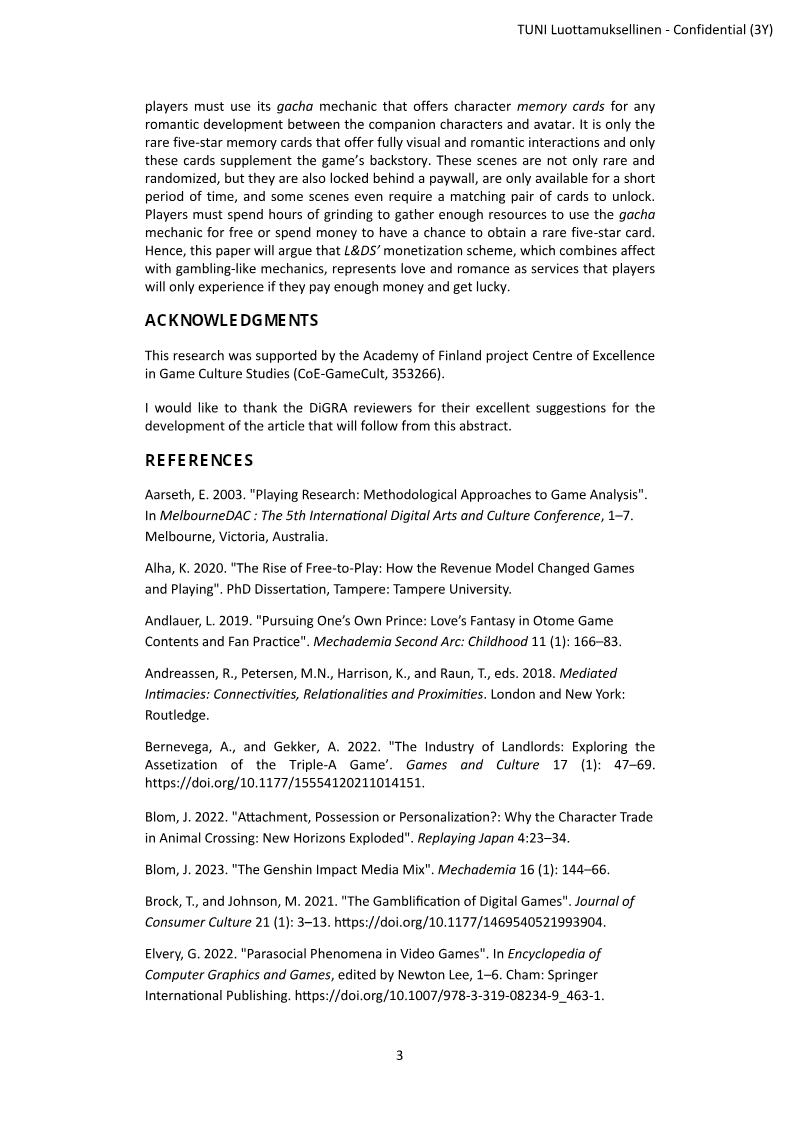
This study examines the prevalence of loot box mechanics in Japanese mobile games and how well the market complies with probability disclosure requirements and the legal prohibition on Compu Gacha. Japan's gacha-based monetization generates very high average revenue per user, making its mobile games market a central case for understanding this practice. The authors challenge the existing picture of Japan's self-regulatory system, which a prior study had reported as achieving perfect compliance with drop-rate visibility, by testing that claim against current gameplay evidence.
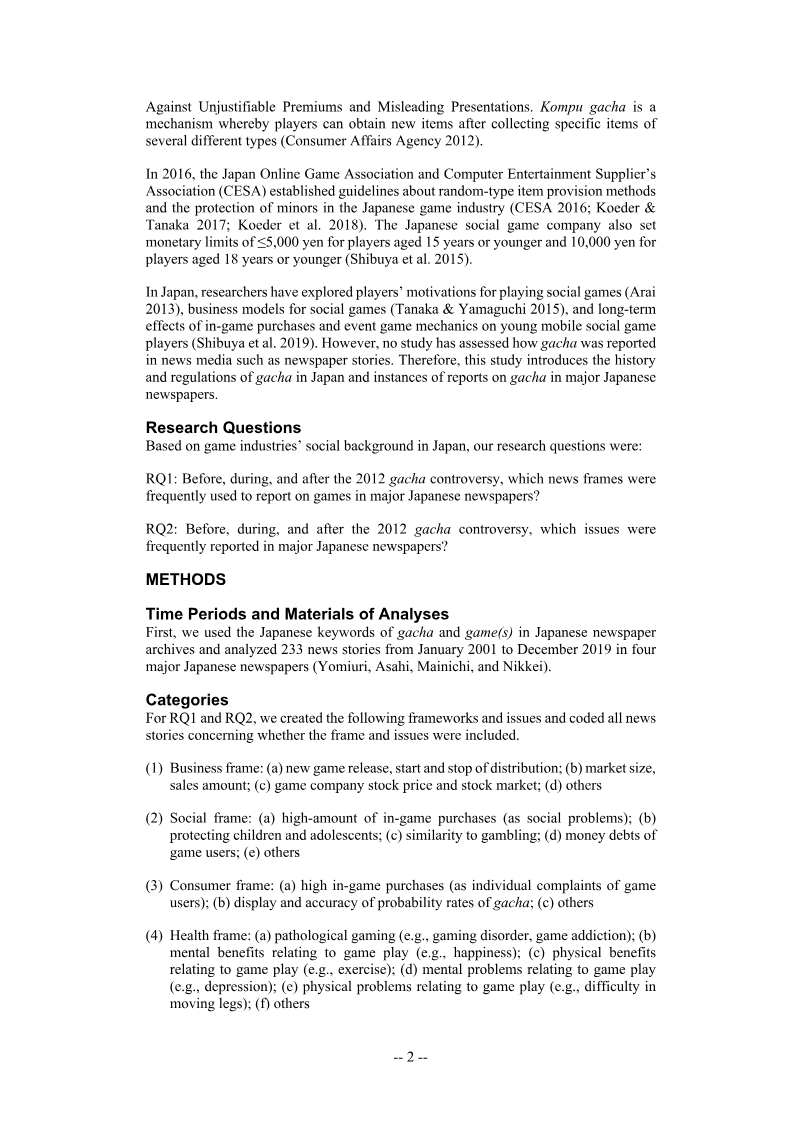
The authors analyzed the 100 top-grossing mobile games in Japan as of 31 August 2025, drawn from a data analytics provider and downloaded from the Japanese Apple App Store. Researchers played each game in Japanese for at least one hour from new account creation, capturing screenshots of gacha mechanics, probability disclosures, and suspected Compu Gacha. The protocol was preregistered, and a second fluent Japanese speaker verified all coding decisions, with disagreements resolved through discussion. The one-hour window is acknowledged as a limitation, since it may not capture every loot box in a game, though it was judged sufficient for measuring a new player's initial experience.
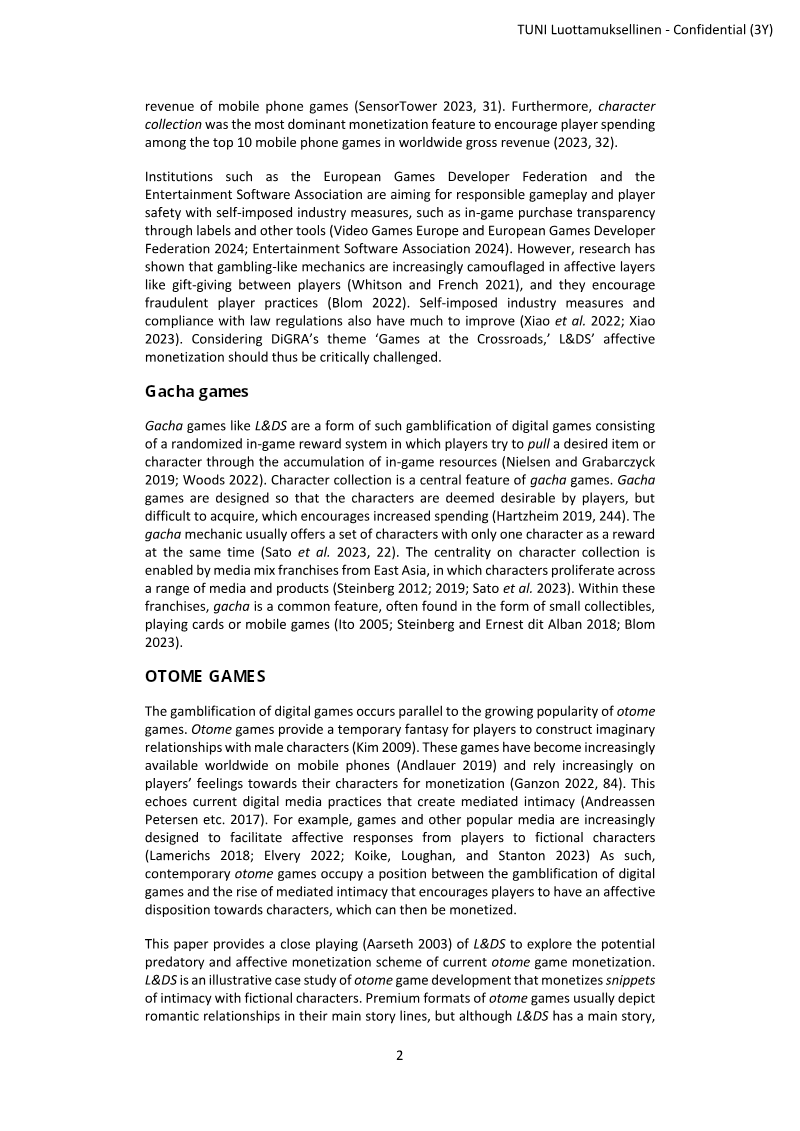
Of the 100 games, 91 contained gacha mechanics, and 90.1 percent of those provided a probability disclosure for at least one loot box. However, only 41.8 percent disclosed probabilities for every loot box encountered within the first hour, as the self-regulatory guidelines require. Four games were identified as containing suspected prohibited Compu Gacha, illustrated by a case in which players needed to collect specific cards from randomly obtained packs that could be unlocked with purchased in-game stamina.
The authors conclude that Japan's loot box self-regulation is performing considerably less well than previously reported, with significant gaps remaining before perfect compliance is achieved. While partial disclosure rates exceed those reported for the United Kingdom, the complete disclosure rate is described as highly unsatisfactory, and the persistence of suspected Compu Gacha indicates that the legal prohibition is not fully effective either.
Each row is a game or company this document names, each column a document, oldest first. A mark means that document names it. Select a row to see those documents.

DiGRA · 2026

DiGRA · 2026



DiGRA · 2026



DiGRA · 2026



DiGRA · 2026



DiGRA · 2026



DiGRA · 2026



DiGRA · 2026

DiGRA · 2026



DiGRA · 2026



DiGRA · 2026

DiGRA · 2026
DiGRA · 2015