1 free read left. Create a free account for unlimited reading + AI research.
Create free accountWhitepaper DiGRA
1 free read left. Create a free account for unlimited reading + AI research.
Create free accountWhitepaperDiGRA
It examines how young players in mainland China perceive the gambling-like nature and risks of loot boxes and skin gambling.
This study examines how young players in mainland China perceive the gambling-like nature and risks of loot boxes and skin gambling, and how they draw boundaries between play, spending, gambling, and harm. Drawing on selected findings from an ongoing doctoral project, it combines a survey of 2,044 university students aged 18 to 24, collected between September and December 2024, with semi-structured qualitative interviews among young people who had experience of these mechanisms. Survey data were analysed descriptively to show the scale and patterning of engagement, while interview data were analysed thematically to interpret how players make sense of these practices.
Nearly all interview participants recognised gambling-like qualities in loot boxes, comparing them to lotteries and prize draws and pointing to uncertain outcomes, repeated spending, and the pursuit of rare rewards. Yet recognising these parallels did not mean participants equated loot boxes with conventional gambling. Many judged them less risky because stakes were low, rewards stayed within the game, or the activity seemed legal and familiar, and some framed them as contained gambling that might substitute for more harmful forms. Skin gambling was more commonly seen as closer to gambling, given tradable items, third-party platforms, case-opening sites, and the possibility of profit or loss. Participants described skins as carrying exchange, status, and speculative value, and successful item delivery on case-opening sites could make such platforms appear trustworthy.
Participants understood risk more broadly than formal classification, citing overspending, chasing rare rewards, attempts to recover losses, regret, and doubts about the transparency of probability systems. Loot box risks were often softened by their ties to ordinary progression and social display, whereas skin gambling risks were tied more directly to item value and speculation. These perceptions were shaped by the Chinese context, including youth protection policies, probability disclosure rules, payment practices, and local meanings of digital items. The authors argue that the central question is less whether these mechanisms should be defined as gambling than how young players learn to recognise, minimise, justify, or question their risks within specific cultural and platform environments.

DiGRA · 2026

DiGRA · 2026



DiGRA · 2026



DiGRA · 2026



DiGRA · 2026



DiGRA · 2026



DiGRA · 2026



DiGRA · 2026

DiGRA · 2026



DiGRA · 2026



DiGRA · 2026

DiGRA · 2026
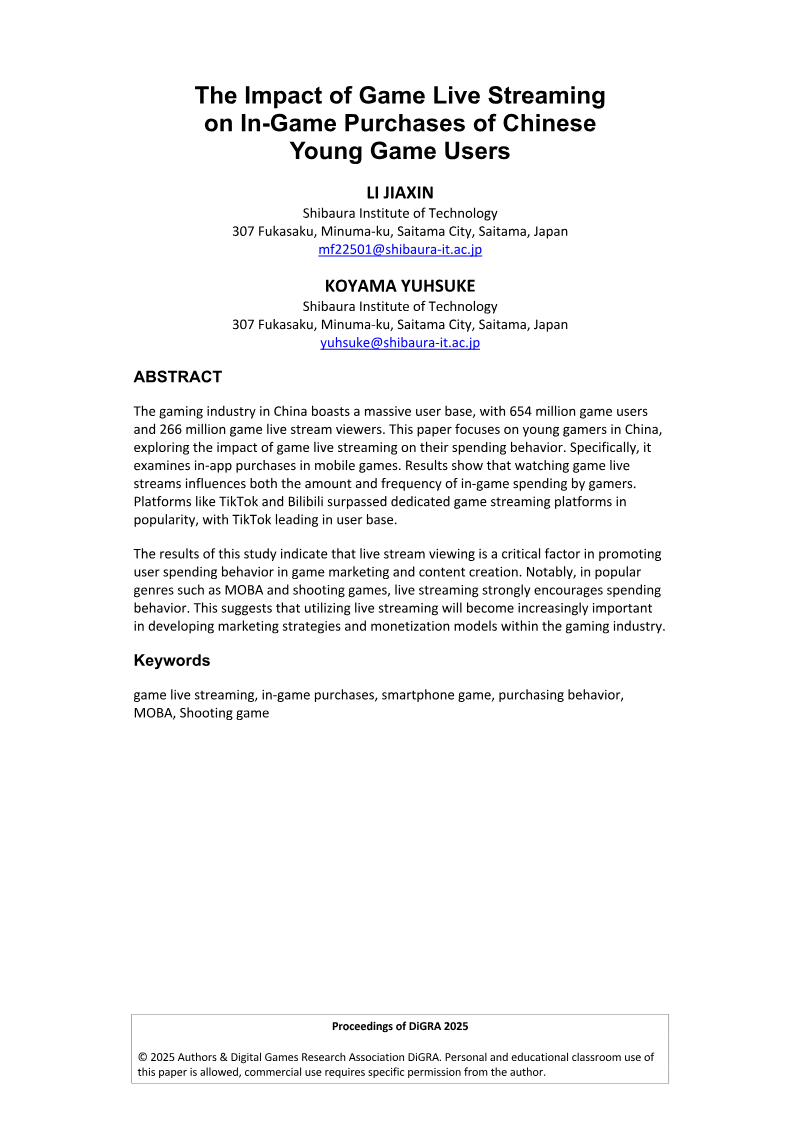
DiGRA · 2025
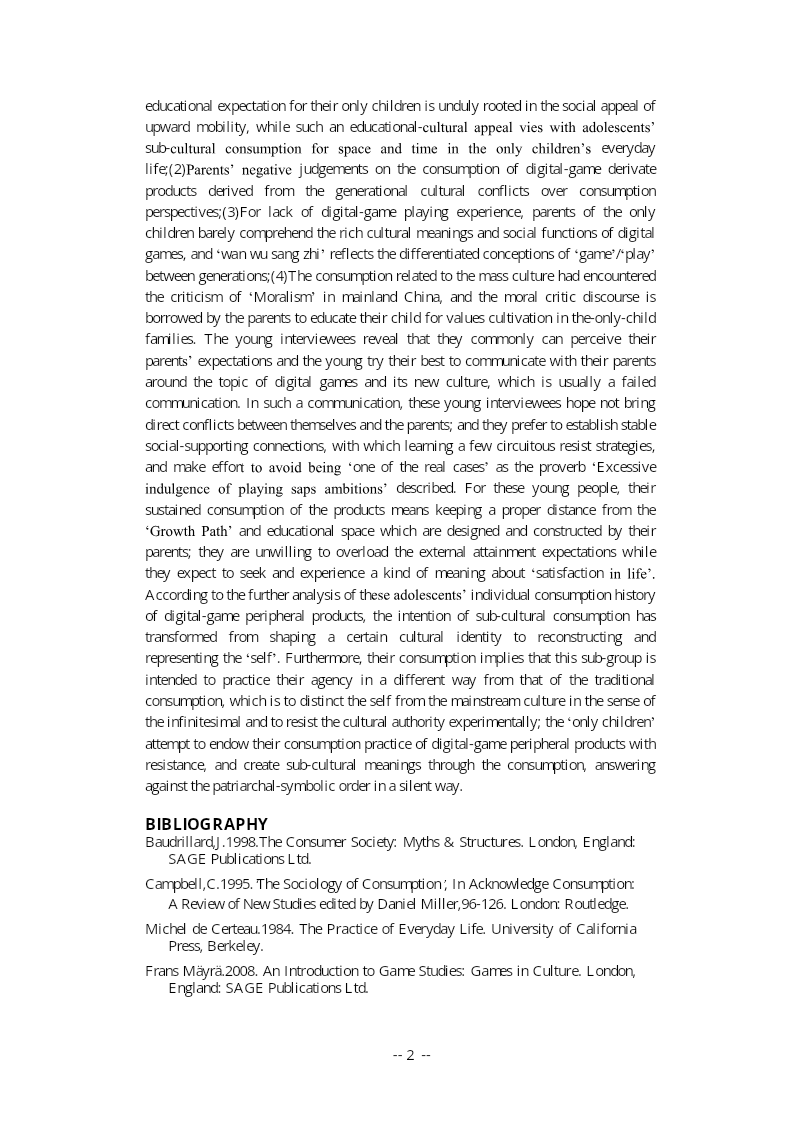
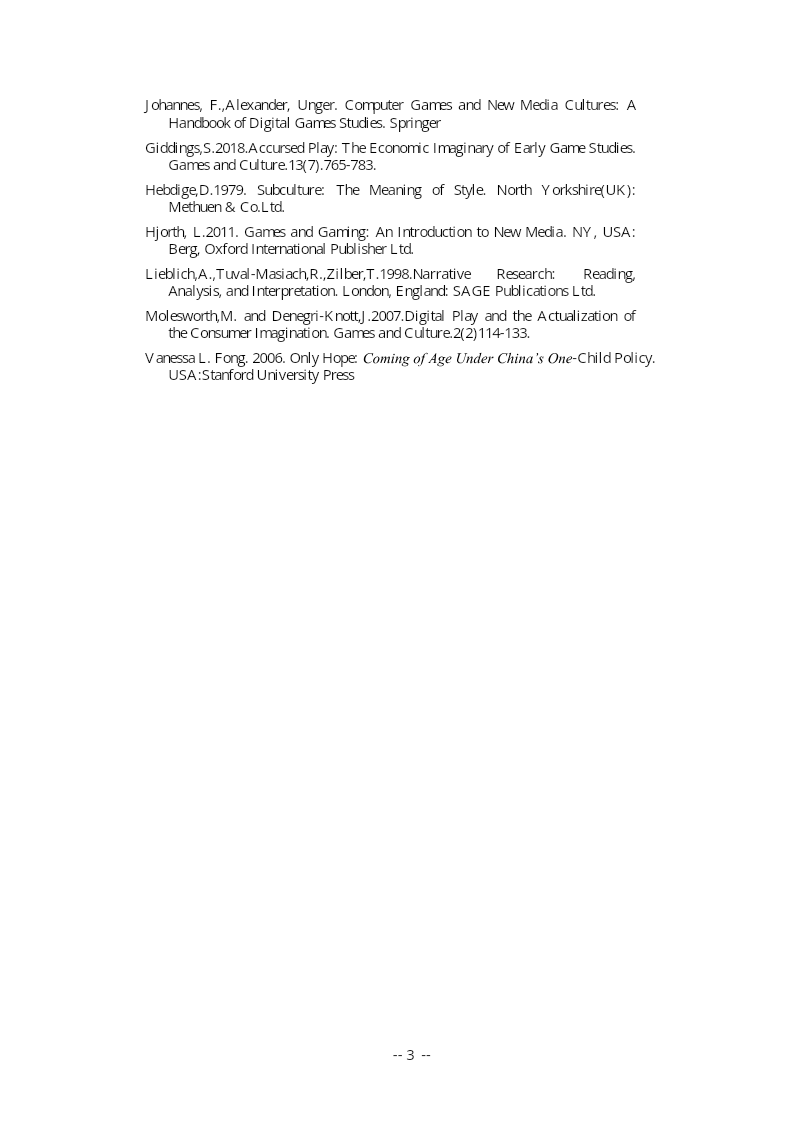
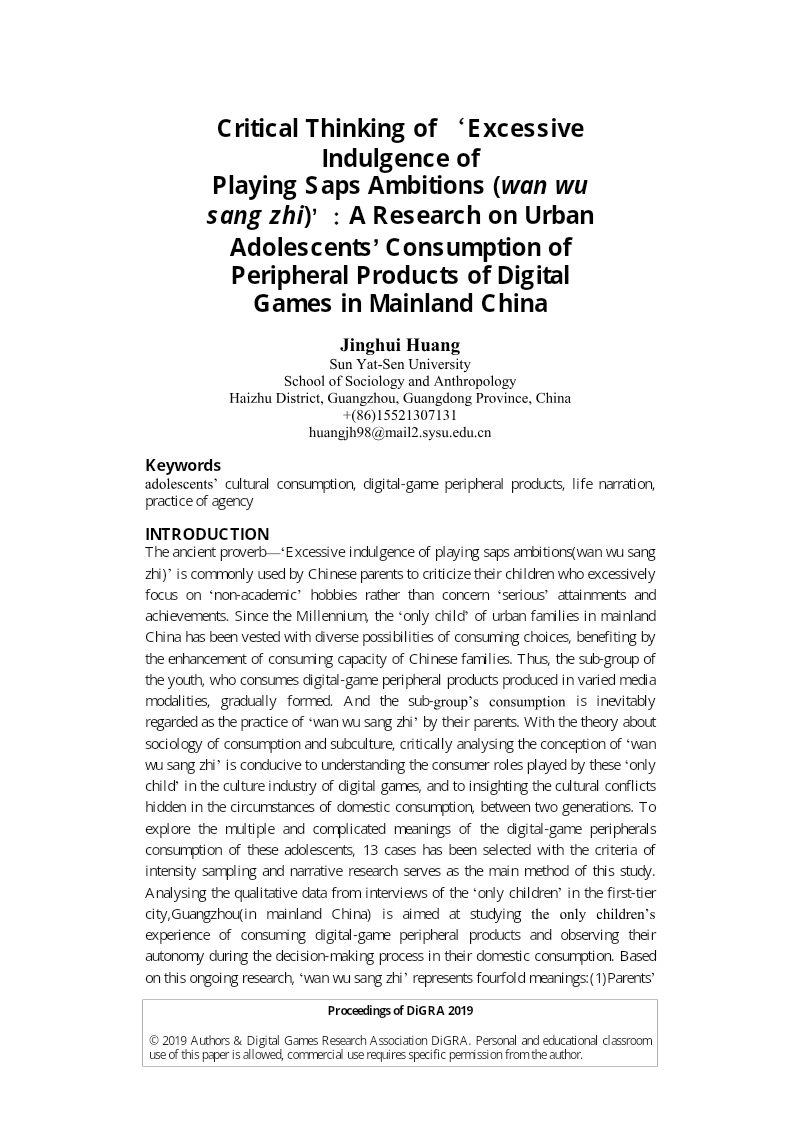
DiGRA · 2019
DiGRA · 2026