1 free read left. Create a free account for unlimited reading + AI research.
Create free accountWhitepaper DiGRA
1 free read left. Create a free account for unlimited reading + AI research.
Create free accountWhitepaperDiGRA
Prior research documented gender differences in general happiness and gameplay patterns, but not in happiness related to gaming specifically.
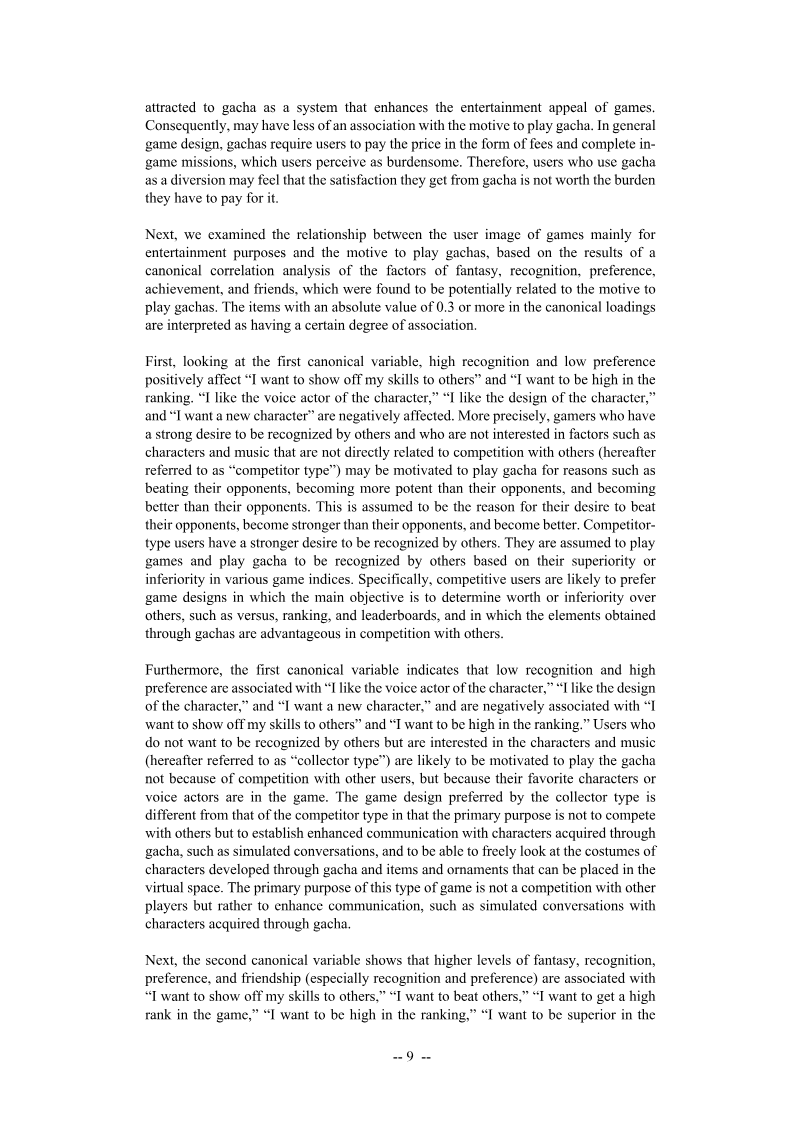
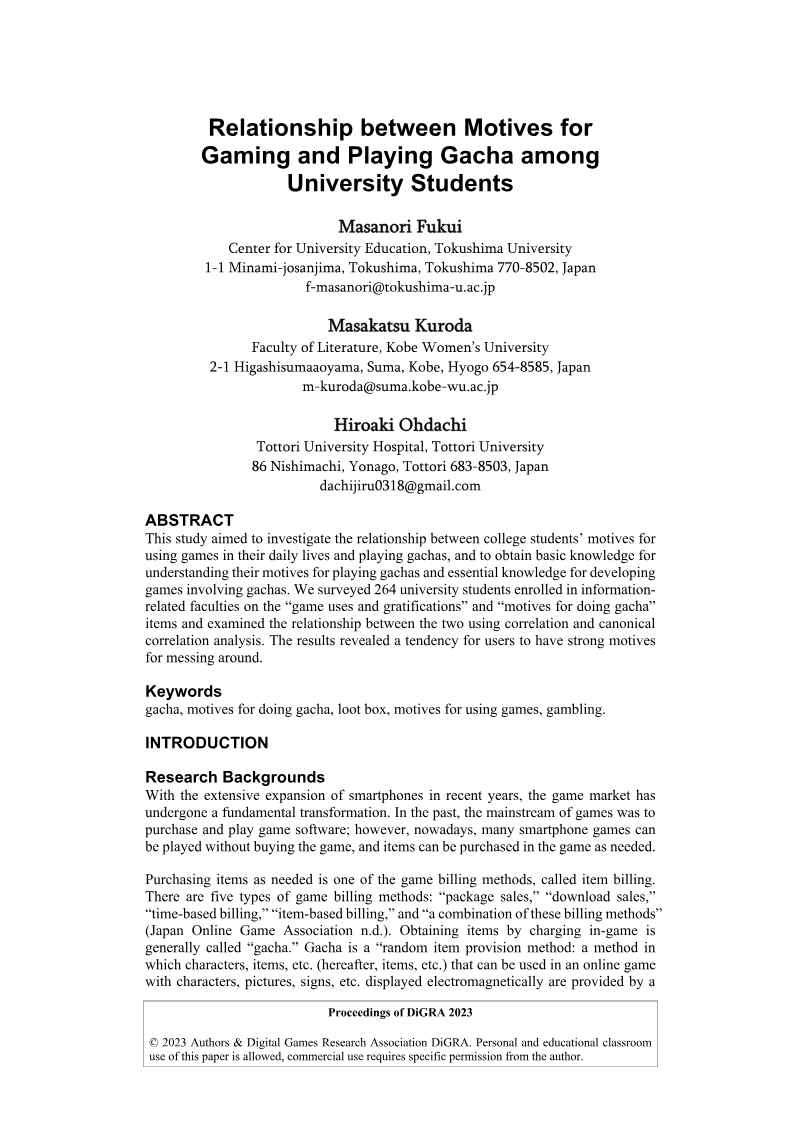
This study, presented at DiGRA 2023, examines how Japanese university students perceive happiness in digital games, with particular attention to gender differences. The authors note that prior research has documented gender differences in general happiness and in gameplay patterns, but had not examined gender differences in gaming-related happiness specifically. The work aims to generate basic knowledge that can inform future game development and the education of student developers.
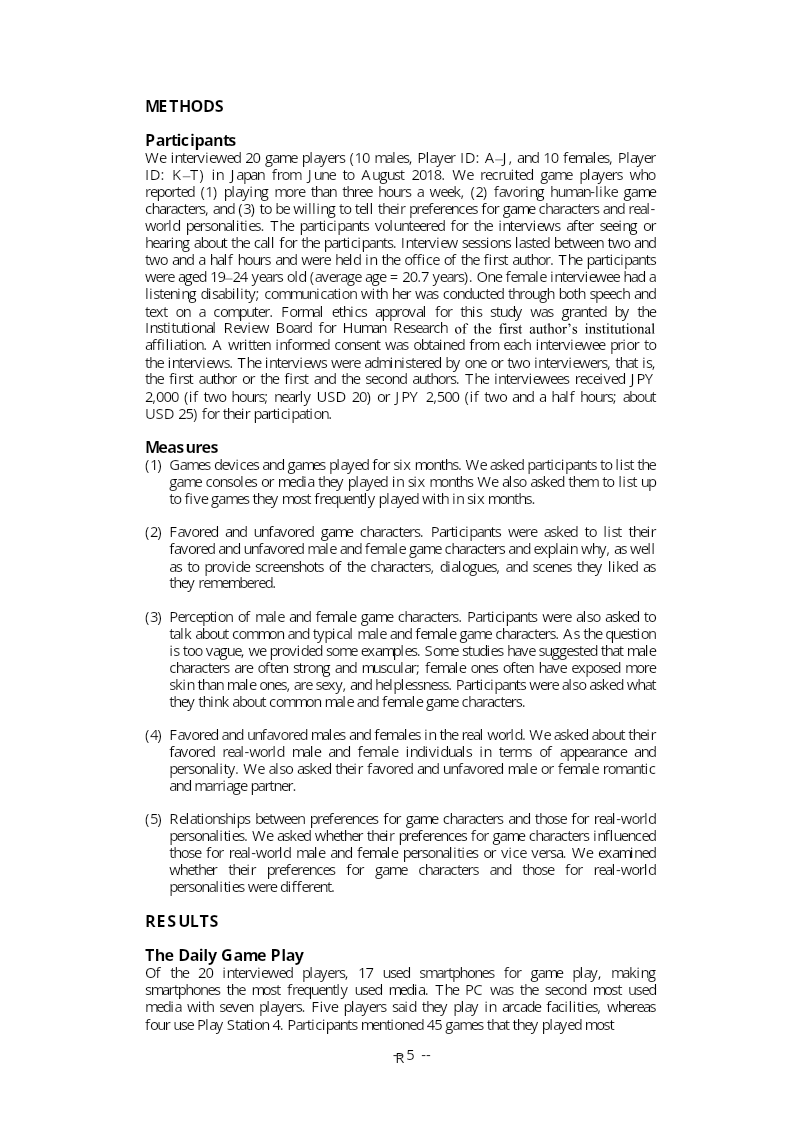
The investigation drew on an anonymous online survey conducted in September 2022 among students at two private universities in Japan, yielding 134 valid responses (66 men and 68 women). Participants answered three open-ended questions about game scenes, game types, and in-game interactions that made them feel happy, and the free-text responses were analyzed using KH-coder 3 to construct a co-occurrence network. Happiness was deliberately left undefined for respondents.
The findings indicate that men and women share several sources of gaming happiness, including communicating with friends, obtaining desired items or characters through gacha mechanics, playing well, and completing games. Men more often cited clearing difficult games and winning against opponents, particularly in competitive online and player-versus-player titles. Women more often reported pleasure from low-competition, cooperative or social play, playing with favorite characters, and acquiring character-related gacha items or achieving high scores in rhythm and casual games. The authors suggest these patterns support developing games and educational materials tailored to gender-specific preferences and blending competitive and non-competitive elements.
The authors acknowledge important limitations: the factors underlying the gender differences were not directly identified, and hobbies, prior experience, play duration, social influences, and platform ownership remain unexamined. The sample is small and drawn from a single country, so cross-cultural replication is recommended.

DiGRA · 2026

DiGRA · 2026



DiGRA · 2026



DiGRA · 2026



DiGRA · 2026



DiGRA · 2026



DiGRA · 2026



DiGRA · 2026

DiGRA · 2026



DiGRA · 2026



DiGRA · 2026

DiGRA · 2026
DiGRA · 2026