Line
Company
Documents about Line
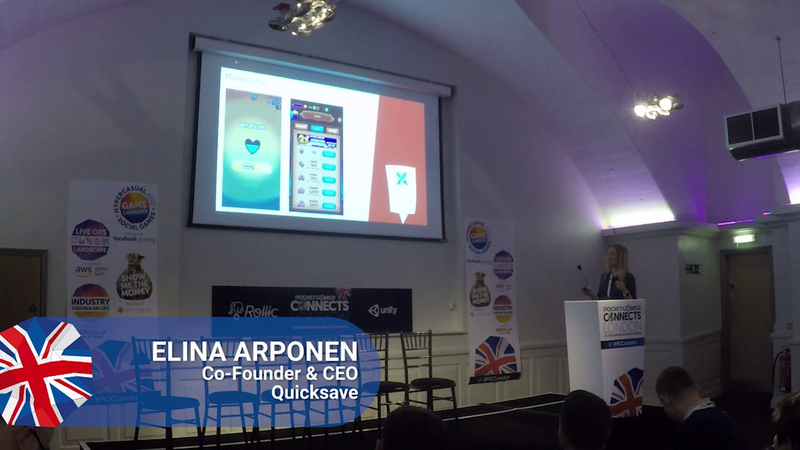
Instant Games - The Good, the Bad and the Future
The instant games sector, defined by HTML5-based titles integrated directly into messaging and social platforms, represents a maturing market that has evolved beyond simple text-based experiences to support high-quality, 3D, and complex meta-gameplay.
- Instant games offer lower user acquisition costs compared to traditional app stores by leveraging native social APIs for referrals, bot notifications, and viral sharing.
- Success in the instant games sector requires building platform-native experiences that prioritize voluntary social interaction and dynamic multiplayer mechanics rather than porting existing mobile titles.
- The sector is currently dominated by hyper-casual titles due to load time constraints, but 5G technology is expected to eliminate these barriers and support more robust, asset-heavy, 3D content.

Line Wobbler & Beasts of Balance: Two Routes to Custom Hardware Goodness
The creation of custom hardware games represents a burgeoning intersection of digital design and physical engineering, offering developers a unique path to differentiate their work in a crowded market.
- Custom hardware games differentiate products in crowded markets by bridging digital design with physical engineering through microcontrollers and 3D printing.
- Transitioning from prototypes to commercial products requires shifting from improvised testing to professional-grade manufacturing standards to ensure durability and scalability.
- Commercial success depends on navigating complex supply chains, where minor manufacturing details like material coatings can significantly alter profit margins.
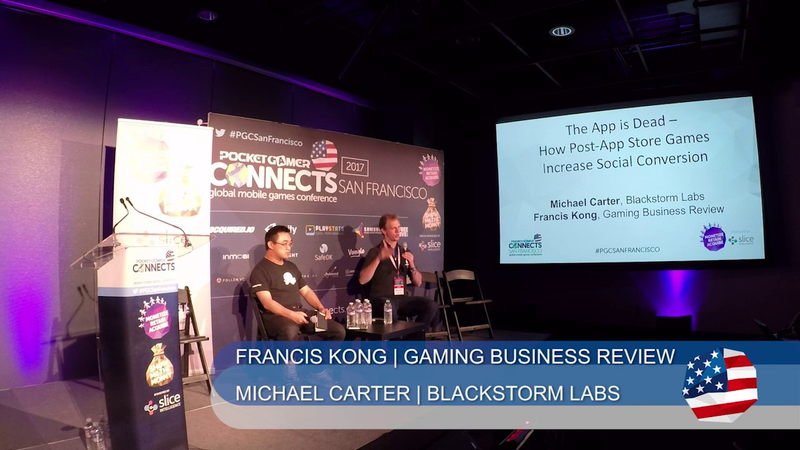
The app is dead – How post-app store games increase social conversion
The gaming industry is undergoing a fundamental shift away from standalone applications toward a post-app store ecosystem.
- The gaming industry is shifting toward a post-app store ecosystem where games are hosted directly within super apps like Facebook Messenger, WeChat, and Line to bypass traditional download hurdles and high acquisition costs.
- HTML5 technology enables instantaneous game launches, which is critical for user retention because players are less committed than those who download standalone applications.
- Developers must capture user interest within 15 seconds and design gameplay loops that last approximately 30 seconds to maintain engagement in this frictionless environment.
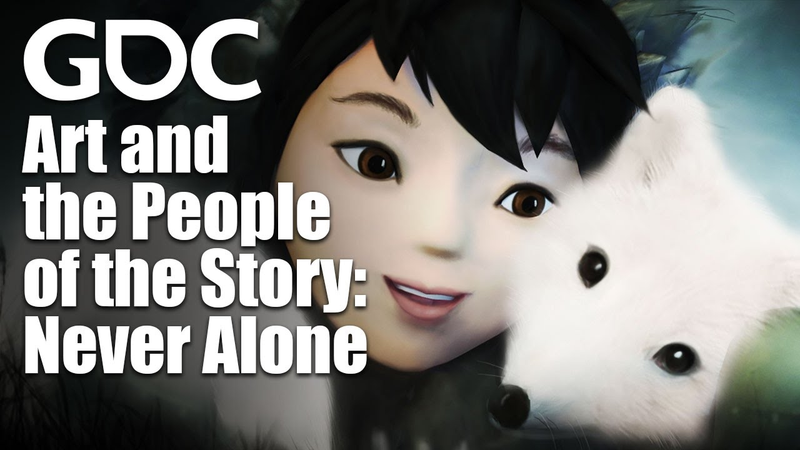
Never Alone: The Art and the People of the Story
The development of Never Alone represents a pioneering effort to integrate indigenous storytelling into interactive media through a collaborative partnership between E-Line Media, Upper One Games, and the Cook Inlet Tribal Council.
- The development of Never Alone was a collaborative partnership between E-Line Media, Upper One Games, and the Cook Inlet Tribal Council to integrate indigenous storytelling into interactive media.
- The project team engaged over 40 Alaska Native elders, artists, and storytellers to ensure the authentic preservation of the Iñupiat worldview and the legend of Kanak Sayaka.
- Developers replaced conventional combat mechanics with gameplay systems centered on the indigenous value of interdependence between humans, animals, and the environment.
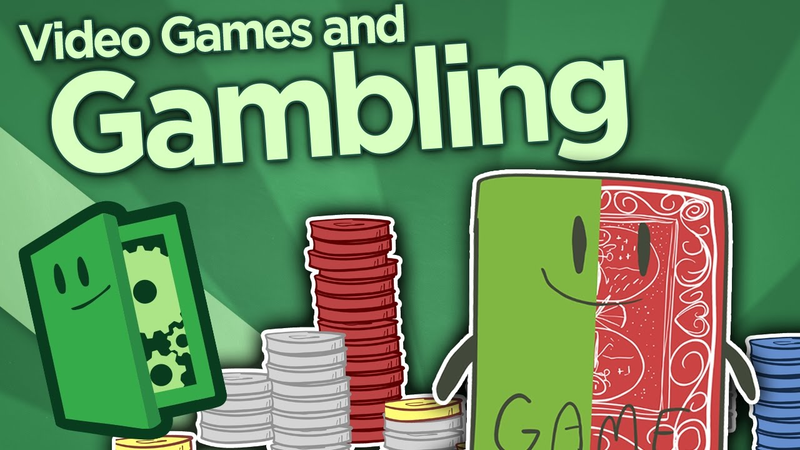
Video Games and Gambling - When Does a Game Cross the Line? - Extra Credits
The integration of video game mechanics into the gambling industry and the emergence of unauthorized wagering within gaming ecosystems present significant ethical and operational challenges for developers.
- Developers must actively monitor in-game economies for anomalous transaction volumes and one-way asset transfers to identify and disrupt third-party gambling platforms.
- To prevent illicit betting, developers should implement strategies to detect and remove automated bot accounts that facilitate unauthorized wagering within their ecosystems.
- Mainstream developers face a design trade-off where disabling digital asset trading eliminates gambling risks but simultaneously removes the benefits of a player-driven economy.

FTUE: Monster Sweeperz
The analysis of the mobile title Monster Sweeperz, developed by 4:33 Creative Labs, highlights significant friction points in the first-time user experience (FTUE) that hinder player retention.
- The 5-minute initial download time for Monster Sweeperz creates a prohibitive barrier to entry that significantly undermines player retention and return on high customer acquisition costs.
- Mobile games should prioritize a seamless onboarding experience with a target launch time of under 30 seconds to successfully convert new installs into engaged users.
- Technical instability, such as the tutorial crash observed in this title, negates the value of innovative mechanics and high-quality art by preventing users from experiencing the core gameplay.
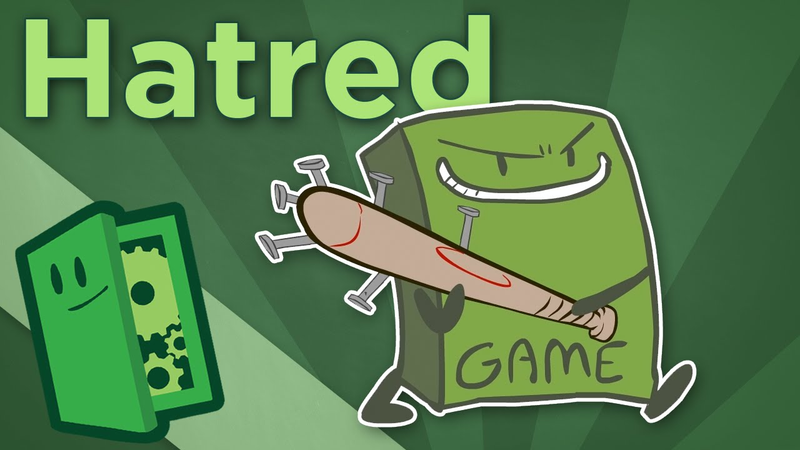
Hatred - Crossing the Line from Violence to Sadism - Extra Credits
The core argument posits that while violent video games serve a legitimate cultural and psychological function as an outlet for human rage, games centered on sadism lack redeeming value and represent a dangerous departure from artistic expression.
- Violence in video games can serve a legitimate psychological function by providing an outlet for human rage and a medium for exploring moral struggle or catharsis.
- Sadism is defined as the pursuit of pleasure through the infliction of suffering, which lacks the redeeming value or intellectual insight found in traditional violent media.
- Traditional violent games often provide a veneer of purpose, such as defending a cause, which allows players to process complex emotions rather than focusing solely on the act of harm.

Gdc 2015 show floor with Ctrl.alt.gdc and Tim Schafer and a one life left
The 2015 Game Developers Conference (GDC) floor serves as a primary hub for showcasing experimental hardware and unconventional interactive experiences.
- The 2015 GDC expo floor demonstrated a significant industry shift toward experimental, physical, and tactile gameplay mechanics that bypass traditional controller-based inputs.
- Innovative hardware prototypes showcased at the event included a mechanical, dial-operated tank simulation and 'Line Wobbler,' which utilizes a bungee cord interface for movement and combat.
- The conference serves as a critical networking bridge, facilitating direct interaction between emerging graduate students and industry veterans such as Ron Gilbert.
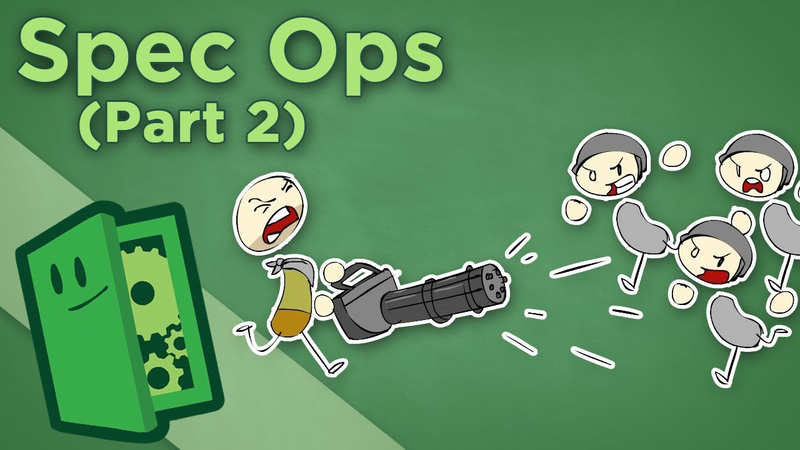
Spec Ops: The Line - II: What Does It Mean to be a Hero? - Extra Credits
Spec Ops: The Line serves as a critical examination of the modern military shooter genre, specifically challenging the player’s desire for a hero fantasy.
- Spec Ops: The Line critiques the military shooter genre by intentionally using repetitive, dated gameplay mechanics to induce player discomfort and mirror the protagonist's PTSD.
- The game challenges the traditional hero fantasy by using fourth-wall-breaking loading screens and dialogue to directly question the player's motivations for engaging in virtual violence.
- Designers utilized a holistic approach where visual cues, such as fading to white for hallucinations versus black for reality, effectively map the protagonist's psychological deterioration.
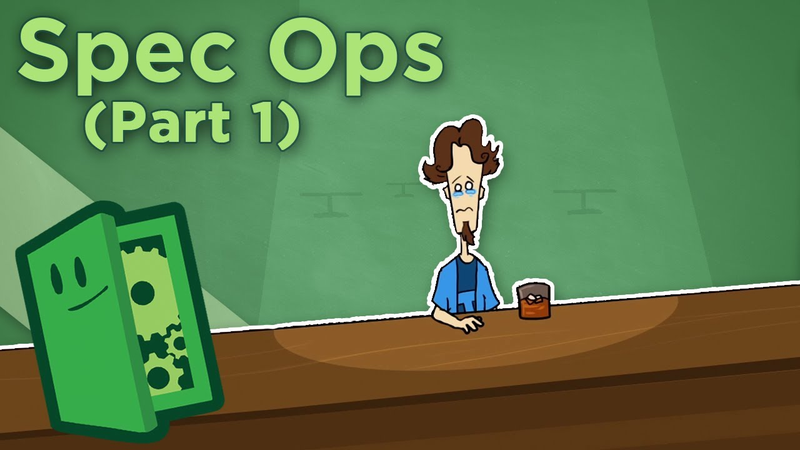
Spec Ops: The Line - I: How to Restart a Franchise - Extra Credits
Spec Ops: The Line serves as a critical case study in how to successfully revitalize a dormant franchise by intentionally subverting the conventions of the modern military shooter genre.
- Revitalizing a dormant franchise in a saturated market requires offering a distinct, provocative perspective rather than attempting to replicate the formulas of established industry leaders like Call of Duty or Battlefield.
- The game utilizes the aesthetic and mechanical expectations of the modern military shooter genre to systematically subvert player expectations and deliver a narrative-driven critique of warfare.
- Perceived mechanical flaws, such as banal gunplay and a lack of traditional 'fun,' were intentional design choices used to mirror the grim reality of the game's subject matter and themes.