indie
CompanyUnited States
Documents about indie
6 Mistakes I Made When I Started Making Games
The primary purpose of this analysis is to outline common pitfalls encountered by independent game developers during the early stages of their careers.
- Prioritize securing external funding through publishers or crowdfunding platforms like Kickstarter to enable full-time development, as relying on personal savings while working a full-time job consistently compromises production quality.
- Treat marketing as a daily operational responsibility rather than an afterthought by utilizing social media management tools to maintain consistent engagement and drive wishlist conversions.
- Focus on building a loyal, cross-project audience as the primary foundation for long-term success, as initial financial projections for a first game are frequently unreliable.
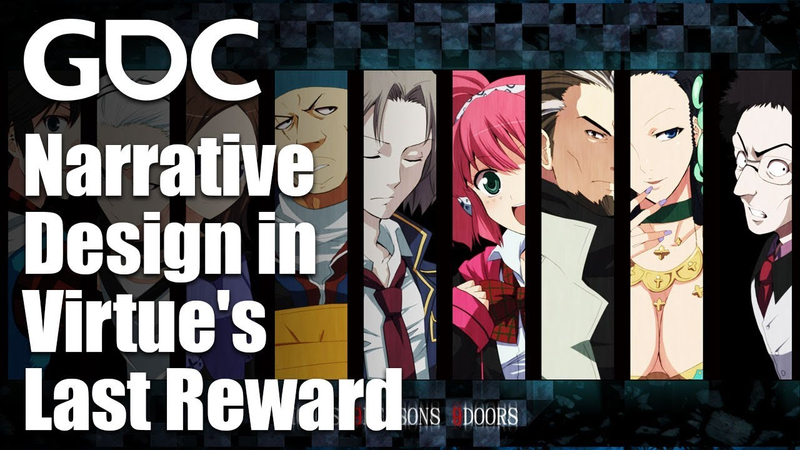
Visual Novels: Narrative Design in Virtue's Last Reward
Visual novels represent a distinct sub-genre of adventure games defined by a primary focus on narrative-driven selectivity.
- Visual novels differentiate themselves from passive media by using narrative-driven selectivity, where player choices fundamentally alter event progression within established rules.
- Advanced narrative design in titles like Virtue's Last Reward and Kamaitachi no Yoru shifts from rigid programming flags to mechanics that require players to apply knowledge gathered across disparate timelines.
- By blurring the line between player intellect and protagonist capabilities, developers can manipulate player discomfort to deepen thematic resonance and narrative immersion.
PlayJob Podcast #2: Zhenghua Yang
The modern independent game development landscape is undergoing a fundamental transformation, moving away from traditional definitions of scale toward a model defined by team culture, funding autonomy, and creative intent.
- Serenity Forge maintains creative autonomy and a horizontal, trust-based organizational structure by eschewing external investors in favor of a hybrid business model that balances client work with independent projects.
- The modern independent game industry is shifting away from the 'starving artist' model toward professional, high-quality operational standards that allow small teams to compete with larger entities in a crowded market.
- Developers are increasingly viewing games as vehicles for social responsibility and emotional communication, prioritizing the creation of meaningful content that shapes the values of future generations.
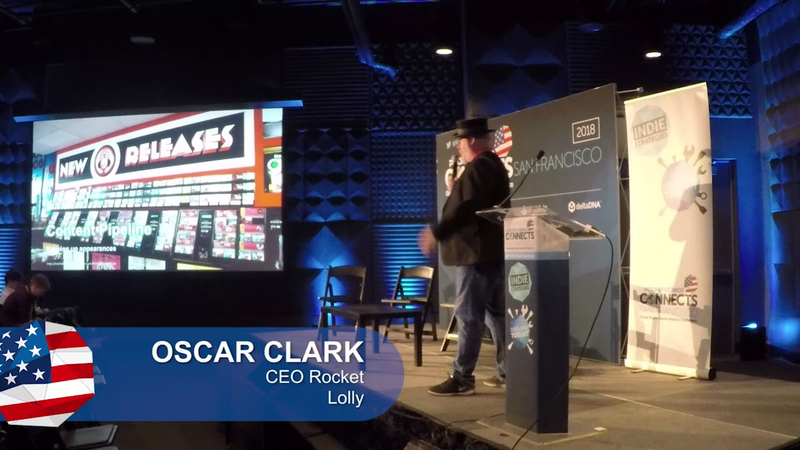
What does live ops mean for your indie game?
LiveOps represents the essential practice of managing the player lifecycle post-launch, a phase that often accounts for 80% of a game’s total workload.
- Post-launch management accounts for 80% of a game’s total workload, necessitating a shift from a product-based mindset to a sustainable service model.
- Predictable, scheduled updates—such as rotating content or price changes—are the primary drivers of player retention and increased revenue.
- Developers should implement automated content pipelines and templated assets to maintain engagement without requiring constant manual intervention from the team.
Cloud gaming – How new technology can revive game sharing
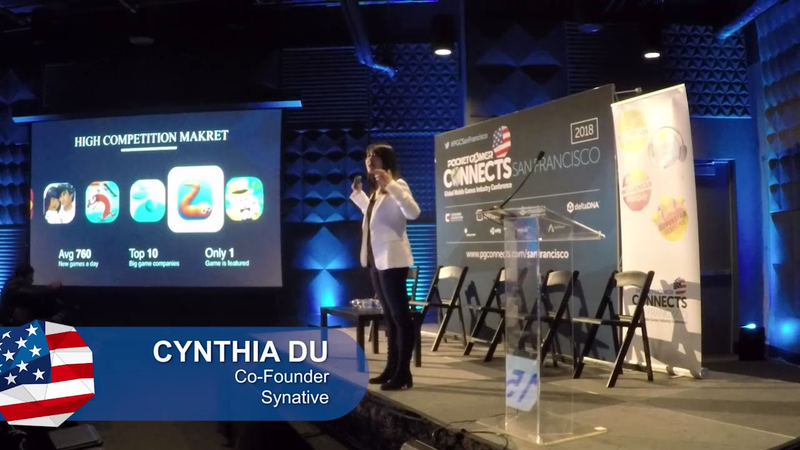
The primary objective of this presentation is to address the challenges indie game developers face regarding user acquisition and discoverability in an increasingly saturated mobile market.
- Cloud gaming technology enables instant-play web experiences by converting standard APK files, reducing the user acquisition journey from a ten-minute multi-step download to a fifteen-second single-click process.
- The current mobile gaming market is highly saturated, with over 760 new games released daily, making traditional user acquisition costs prohibitive for indie developers.
- By bypassing traditional app store installation friction, developers can leverage social media integration and influencer-led engagement to drive viral growth.
The Content Conundrum - Why So Many Games Feel Generic - Extra Credits
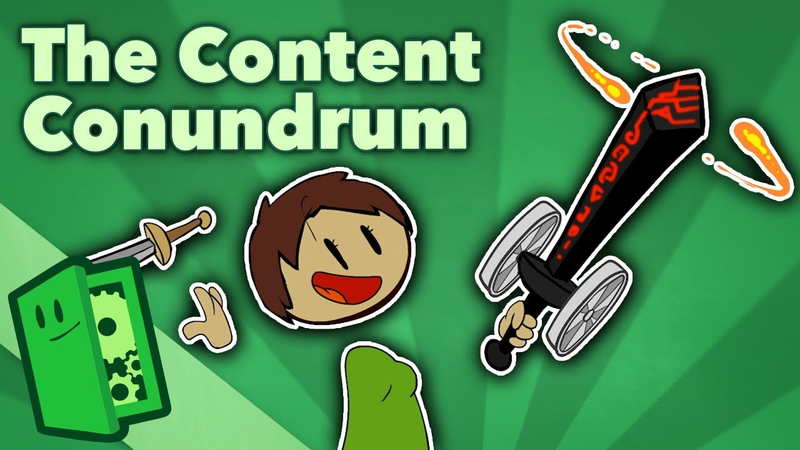
The modern gaming industry faces a content conundrum where the pursuit of high-fidelity visuals has led to a decline in the sheer volume of unique items, abilities, and world-building elements.
- Prioritizing high-fidelity visual assets often forces developers to sacrifice the volume of unique items, abilities, and world-building elements, leading to smaller and less immersive game worlds.
- Procedural generation is frequently misused as a cost-saving shortcut, resulting in repetitive, bland experiences that lack the depth of human-designed lore.
- Developers can increase world depth by utilizing low-cost, high-impact methods like text-based descriptions and inventory icons, which leverage player imagination to fill in visual gaps.
PlayJob Podcast #1: Jay Armstrong
The independent game development landscape demands a rigorous balance between creative ambition and operational discipline.
- Market saturation requires a highly polished initial product launch, as post-launch updates are no longer sufficient to guarantee visibility or consumer trust.
- Commercial success in the indie sector is not guaranteed by critical acclaim or influencer coverage, necessitating a focus on sustainable development cadences and robust professional support networks.
- Strategic multi-platform execution across PC, consoles, and mobile is essential for maximizing reach and operational efficiency in the current distribution landscape.
Let's Be Honest About Indie Game Development — Q&A
This analysis explores the realities of independent game development, focusing on marketing, professional discipline, and the psychological management of creative work.
- Success in a saturated market requires shifting from passive promotion to interactive community engagement, such as crowdsourcing character names or design choices to foster organic growth.
- Relying exclusively on Steam is no longer a viable distribution strategy due to the high volume of annual releases, making platforms like the Nintendo Switch more attractive for discoverability and revenue.
- Developers should decouple their personal identity from their creative output to treat public criticism as a neutral tool for professional growth rather than a personal attack.

Making Games Is Just Like Making Pizza.
The process of independent game development mirrors the complexities of culinary preparation, requiring a balance between individual creative control and the efficiency of collaborative efforts.
- Independent development requires balancing the total autonomy of solo work, which extends timelines, against the faster production cycles and diverse skill sets offered by team-based collaboration.
- Managing multiple concurrent projects, specifically 'Will You Snail', 'Ovus Nova', and an undisclosed university project, creates a high risk of burnout that necessitates a shift toward long-term viability over immediate output.
- The 'Will You Snail' project is the primary focus, utilizing a simplified core design to avoid the market appeal and design issues that hindered the secondary project, 'Ovus Nova'.
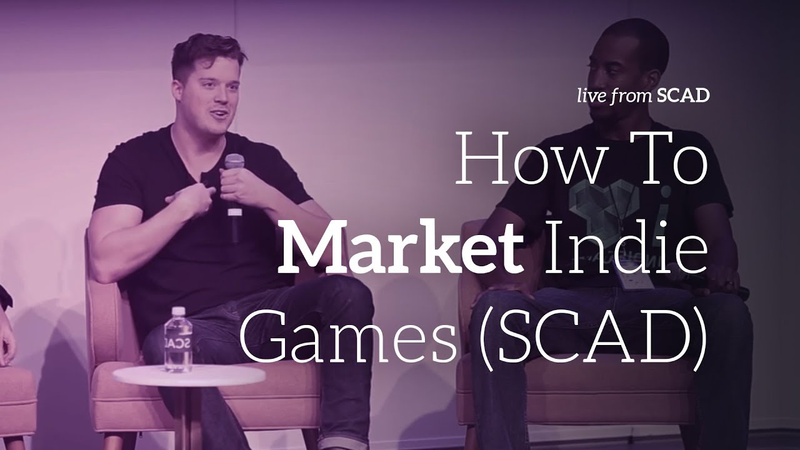
How To Market Your Indie Game — Exclusive SCAD Panel Discussion
The modern indie game landscape has shifted from a purely creative endeavor into a highly competitive business environment where technical quality no longer guarantees commercial viability.
- Success in the current indie market requires treating marketing as a core business skill rather than an afterthought, as technical quality alone no longer guarantees commercial viability.
- Developers should avoid broad audience targeting in favor of identifying a specific niche and cultivating a dedicated community of evangelists through authentic, personal storytelling early in development.
- Building genuine, long-term relationships with influencers and streamers is more effective for organic reach than relying on standard promotional posts.
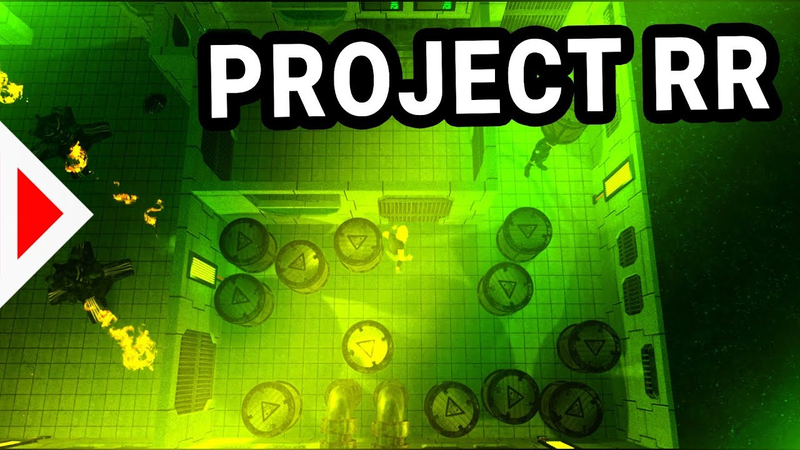
Get Feedback For Your Indie Games!... #010
The primary objective of this analysis is to evaluate the design philosophy of the indie stealth game Project RR, emphasizing the importance of establishing a clear game identity to guide development decisions.
- Developers should prioritize a cohesive game identity over conventional design rules, even if that requires incorporating elements traditionally viewed as frustrating or unfair.
- In Project RR, retaining map progress across restarts transforms the gameplay from a single-run challenge into a puzzle-solving experience based on repeated exploration.
- The developer must balance trial-and-error loops with predictable execution, ensuring that once a player masters a level, success is determined by skill rather than inconsistent AI behavior.
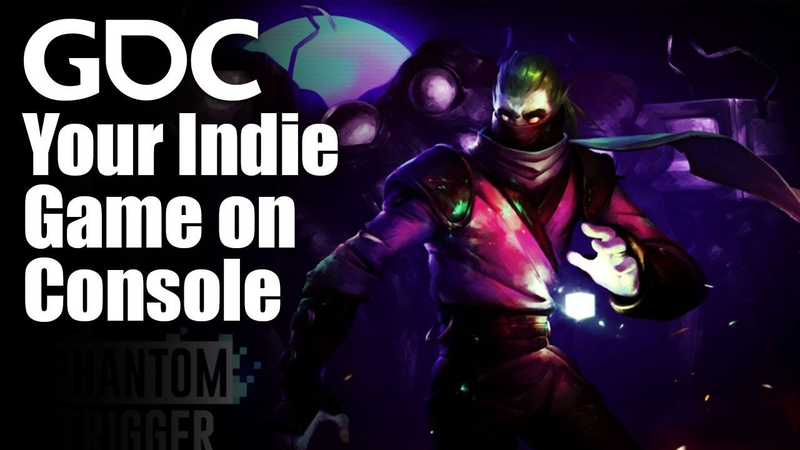
Your Indie Game on Console: A Practical Guide to Porting
Bringing an indie game to console platforms is a complex, multi-month undertaking that demands rigorous technical planning and administrative foresight.
- Porting an indie game to console is a complex process typically requiring three to six months, with projects involving intricate online networking often needing extended timelines.
- Success depends on early integration of platform-specific requirements, including dev kit acquisition, age ratings, and backend configuration for achievements, well before the final submission phase.
- Developers must replace simplified local storage with robust, platform-compliant save systems to meet console-specific technical standards.