indie
CompanyUnited States
Documents about indie

Playstation 5 Reveal Event Reaction | Game Dev Unchained Roundtable News
The PlayStation 5 reveal event signals a strategic pivot toward a diverse portfolio of high-fidelity first-party exclusives, experimental indie projects, and cross-generational titles.
- Sony is prioritizing a strategy of high-fidelity first-party exclusives and narrative-driven titles to maintain a competitive advantage over Microsoft’s subscription-based model.
- The PlayStation 5 hardware introduces significant technical advancements, specifically SSD-powered load speeds and dimensional mechanics as demonstrated in Ratchet & Clank: Rift Apart.
- External economic pressures, including high unemployment and COVID-19-related supply chain disruptions, pose significant risks to the feasibility of the projected console launch timeline.
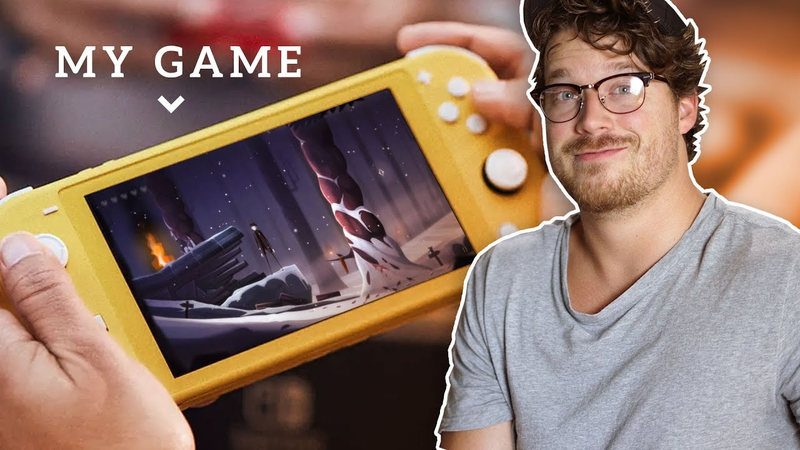
How I Became a Full Time Game Developer
The narrative outlines the professional trajectory of an independent game developer, detailing the transition from a traditional corporate career to full-time game creation.
- Securing $28,000 in the first 24 hours of a Kickstarter campaign provided the necessary capital to complete the game Pinstripe, serving as the primary catalyst for transitioning to full-time development.
- Achieving professional viability in the indie sector requires a hybrid strategy of leveraging community support, crowdfunding platforms, and publisher partnerships to mitigate financial risk.
- The developer successfully scaled their career by building on early validation from Flash-based games, which garnered millions of plays before moving to larger commercial projects like Pinstripe and the critically acclaimed Never Song.

Recruitment: Looking for the Holy Grail - PocketGamer.biz RoundTable
Securing employment in the competitive games industry requires a strategic approach to personal branding, where clarity and relevance are paramount.
- Recruiters spend an average of only seven seconds scanning an initial application, making concise, keyword-optimized resumes essential for passing the first filter.
- Portfolios must prioritize quality over quantity by showcasing the full development lifecycle, from initial conceptualization to the final product.
- Candidates should replace passive job applications with active networking, such as engaging in specialized developer communities, participating in game jams, and sending personalized outreach notes.
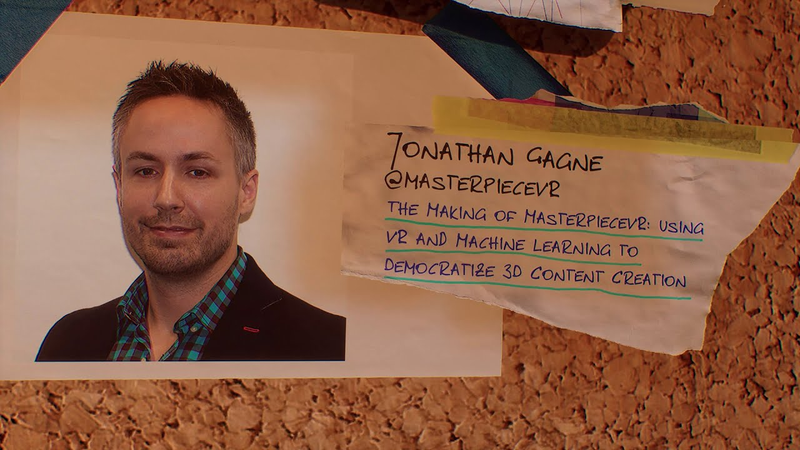
The Making of Masterpiece VR with Jonathan Gagne | GduX.me 2020
The democratization of 3D content creation relies on shifting from traditional 2D interfaces to native virtual reality environments.
- VR-based 3D modeling, supported by machine learning, can increase production speeds by up to 10x and reduce the learning curve by a factor of 200 compared to traditional 2D interfaces.
- Masterpiece VR currently supports a user base of over 30,000 individuals and maintains seamless integration with industry-standard pipelines including Unity, Unreal Engine, and Substance Painter.
- The VR industry is maturing through the combination of high-fidelity software and lightweight, cloud-enabled hardware, with a long-term shift expected toward augmented reality as motion-tracking constraints are resolved.
The Future of Monetisation - PocketGamer.biz RoundTable
The mobile gaming industry is undergoing a fundamental transition toward a diversified, three-pillar monetization model that balances in-app purchases, advertising, and subscription services.
- The mobile industry is shifting toward a three-pillar monetization model that balances in-app purchases, advertising, and subscription services to replace the traditional reliance on gacha mechanics.
- Battle passes have emerged as the standard tool for driving long-term player retention, though they must be carefully calibrated to avoid destabilizing core game economies.
- Developers are increasingly treating non-paying users as essential assets, leveraging their social engagement and ecosystem depth to drive the scale necessary for long-term title health.

Indie Game Devs Are Poor, Right?
The pursuit of a career in indie game development is often met with skepticism regarding financial viability, yet it offers unique opportunities for personal growth and creative autonomy.
- Solo indie game developers earn an average annual income of approximately $10,000, while members of small teams average $50,000 per person.
- Aspiring developers should mitigate financial risk by opting for low-cost technical schooling instead of traditional university degrees that incur significant debt.
- The indie development career path is best suited for individuals in their twenties who have fewer financial dependencies and can afford to experiment with a 'shotgun approach' to career discovery.

Indie Game Marketing Tips With Failbetter's Hannah Flynn - GDC Podcast Ep. 5
Marketing in the independent game industry functions as a foundational development pillar rather than a secondary promotional task.
- Integrate marketing as a foundational development pillar from the earliest stages of production rather than treating it as a secondary promotional task.
- Prioritize sustainable, long-term growth through data-driven insights and niche audience targeting instead of relying on the volatile pursuit of viral hits.
- Diversify revenue models by combining subscription-based services with premium narrative-driven titles to mitigate financial risk and stabilize studio income.

I just clicked "LAUNCH" for my game on Steam...
The primary objective of this analysis is to outline an effective, self-directed marketing strategy for independent game developers launching on the Steam platform.
- Reaching a threshold of 20,000 to 25,000 wishlists is the primary benchmark for achieving the high-velocity sales necessary to trigger the Steam algorithm.
- Developers must take full ownership of their marketing strategy to create a sustained 'tidal wave' of interest, regardless of whether they have publisher support.
- A successful pre-launch outreach campaign involves distributing press kits and keys to a curated list of journalists and creators, targeting a 10% response rate.

Prepare to Pitch - PocketGamer.biz RoundTable
The current indie game market is defined by intense competition and a low barrier to entry, necessitating that developers master the art of pitching to secure essential resources.
- A successful pitch must clearly articulate a game's unique selling point, genre, target platform, and monetization strategy while providing a playable build or high-quality gameplay footage.
- Developers should prioritize identifying publishers whose specific portfolios and business goals align with their project to bridge the gap between creative production and user acquisition.
- The primary objective of a pitch is to demonstrate a clear value proposition rather than simply requesting capital, as publishers provide essential risk mitigation, marketing expertise, and funding.
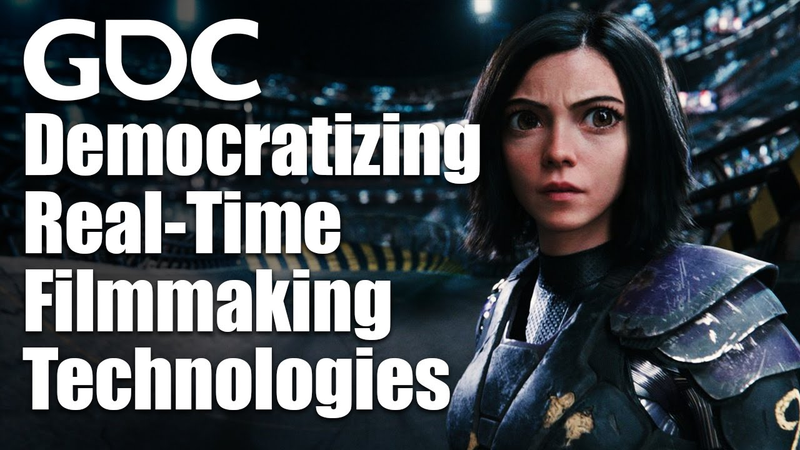
Democratizing Real-Time Filmmaking Technologies for Indie Game Developers
The democratization of real-time filmmaking technologies represents a significant shift in content creation, driven by the convergence of cinema and game engine capabilities.
- Real-time rendering technology has reached a level of quality that approximates pre-rendered cinematics, allowing independent developers to achieve visual fidelity previously restricted to major studio productions.
- The shift toward virtual production is driven by the convergence of game engine capabilities and affordable, consumer-grade hardware that replaces expensive, bespoke studio equipment.
- Virtual cinematography and performance capture tools allow creators to digitize actor movements and emotions while viewing rendered scenes interactively.

How many game objects are in my Steam game? | Let's Play Neversong Episode 5
This analysis examines the technical architecture and development process of the 2D indie game Neversong, specifically focusing on scene management and object hierarchy within the Unity engine.
- A single forest level in Neversong contains approximately 2,400 total game objects, with roughly 1,200 objects actively loaded into memory at any given time.
- The game utilizes a scene management strategy where a significant portion of the 2,400 objects remain disabled in the Unity hierarchy until triggered by specific gameplay events.
- The project's architecture relies on a complex hierarchy of prefabs, static objects, and parent-child relationships to manage the density of assets within individual screen boxes.

Presenter Announcement | GduX.me 2020
The Game Dev Unchained Expo (GduX.me) serves as a free, virtual conference designed to democratize access to industry knowledge for developers worldwide.
- The Game Dev Unchained Expo (GduX.me) is a free, virtual conference scheduled for June 1st–3rd, 2020, designed to provide global access to industry knowledge without financial or geographic barriers.
- The event features over 12 presenters who provide technical breakdowns and case studies on industry realities, focusing on both professional successes and personal hardships.
- Educational sessions cover critical business and legal topics, including long-term career sustainability, marketing strategies, intellectual property protection, and the legal implications of user-generated content.