indie
CompanyUnited States
Documents about indie
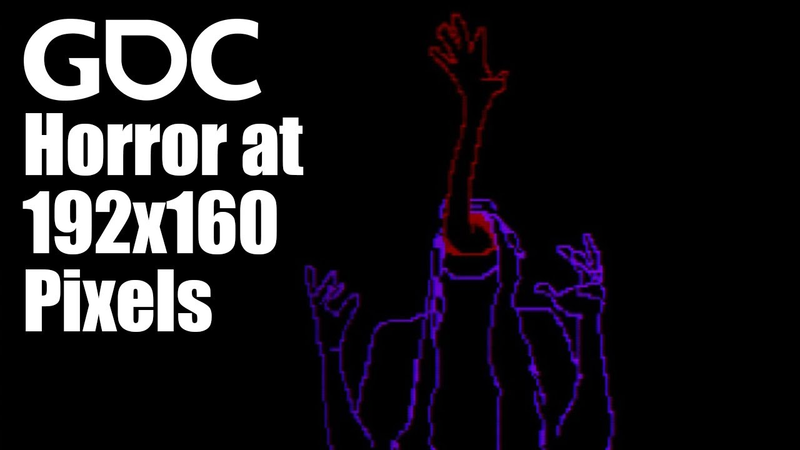
The Art of FAITH: Horror at 192x160 Pixels
The development of the horror game FAITH serves as a case study in how strict aesthetic constraints and low-fidelity visuals can effectively generate dread and compete with high-budget, next-generation horror titles.
- The horror game FAITH achieves atmospheric dread by imposing strict technical constraints, including a 192x160 resolution, a limited color palette, and a 15 frames-per-second cap.
- The developer utilized rotoscoped animations—comprising 75 to 120 hand-traced drawings per sequence—to create an uncanny, lifelike contrast against the low-fidelity pixel environment.
- By leveraging the high level of abstraction inherent in early pixel art, the design successfully exploits the 'fear of the unknown' to compete with high-budget, next-generation horror titles.
Making indie games is TOO MUCH WORK
Managing the competing demands of indie game development, personal branding, and family life requires a shift from reactive multitasking to structured systems.
- Minimize cognitive load by prioritizing core creative strengths and offloading secondary operational tasks to freelancers or automated systems as soon as resources permit.
- Replace daily marketing integration with a batch-processing strategy, dedicating one week every few months to produce a comprehensive library of assets including screenshots, GIFs, and video clips.
- Maintain a five-minute daily posting routine by pre-organizing marketing assets with prepared descriptions, hashtags, and clear calls to action like Steam wishlist links.
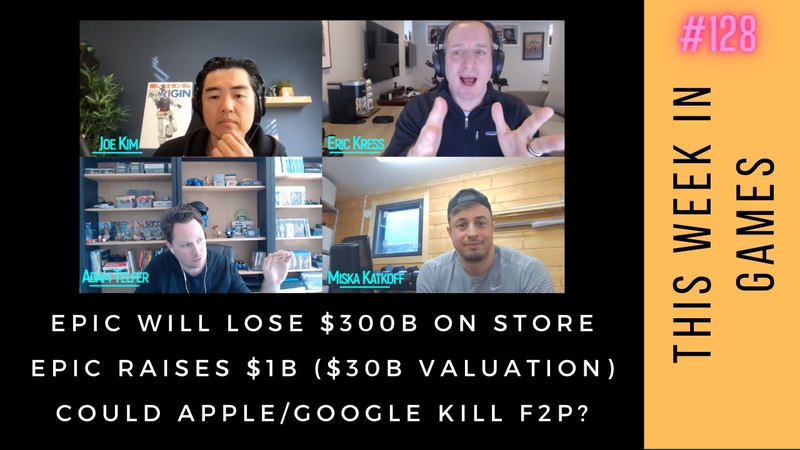
TWIG 128 | Epic Will Lose $300M on Game Store, Epic Raises $1B at $30B, Apple/Google Kill F2P?
The gaming industry is currently navigating a period of significant financial and structural transition, characterized by aggressive platform expansion, shifting monetization models, and evolving regulatory landscapes.
- Epic Games secured $1 billion in new funding at a $30 billion valuation to support its metaverse development, despite the Epic Games Store projecting $600 million in losses by the end of 2021.
- The Epic Games Store struggles with long-term profitability due to a lack of social features and platform stickiness compared to competitors like Steam.
- Mobile gaming faces significant headwinds from Apple’s App Tracking Transparency and the limitations of subscription services like Apple Arcade, which currently fail to incentivize long-term content development.
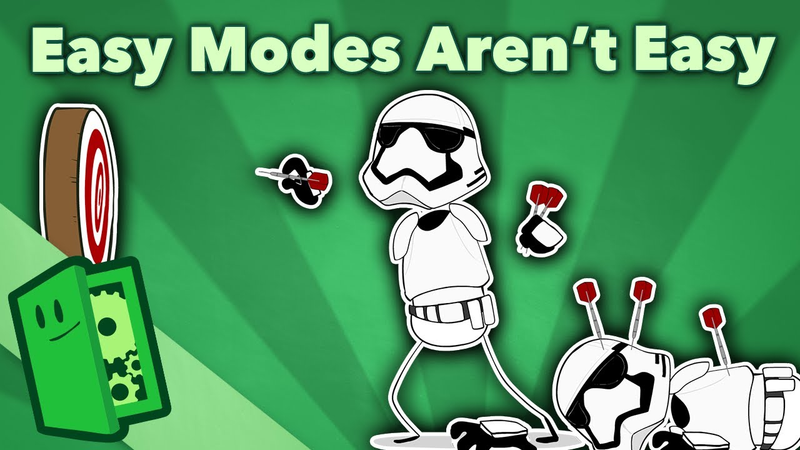
Easy Modes Aren't Easy - Designing Dynamic Difficulty - Extra Credits
The design of difficulty settings in AAA action-adventure games is evolving from simple health and damage adjustments toward nuanced, accessible, and customizable experiences.
- The industry is shifting from binary difficulty tiers to granular, customizable gameplay settings that allow a broader audience—including casual players and those with disabilities—to engage with AAA action-adventure titles.
- The Last of Us Part II serves as the current industry benchmark by offering a comprehensive suite of accessibility features, including combat modifiers, motor-skill assistance, and puzzle-bypass options.
- Modern design strategies prioritize adjusting mechanics like enemy aggressiveness and reaction windows rather than relying solely on traditional health and damage scaling.
the INDIE GAME dream is a WASTE of your time
The fear of investing significant time into an indie game that fails to find an audience is not irrational; it is a pragmatic concern that requires an entrepreneurial approach to mitigate.
- Treat game development as a business venture by prioritizing early market validation to mitigate the risk of investing years into a project that fails to generate revenue.
- Develop a highly refined 15-to-20-minute prototype to serve as a litmus test for the core concept before committing to full-scale production.
- Distribute prototypes to both social media audiences and industry publishers to gather objective, actionable feedback on the project's commercial viability.
How Killer Queen Built an Esports Scene on an Indie Budget
The development of a national esports scene for the indie arcade game Killer Queen demonstrates how small studios can foster competitive communities through grassroots engagement rather than high-budget marketing.
- Killer Queen Arcade built a national esports scene by leveraging a five-on-five team design that mandates physical proximity, forcing players to interact and form local communities at arcade venues.
- Developers can foster community ownership by releasing source assets like logos and sprites, allowing fans to create their own merchandise, event posters, and marketing materials.
- Consistency in event scheduling, such as the '5v5 Fridays' at NYU, is more effective for community retention than sporadic, high-effort events because it lowers the barrier to entry for regular participation.
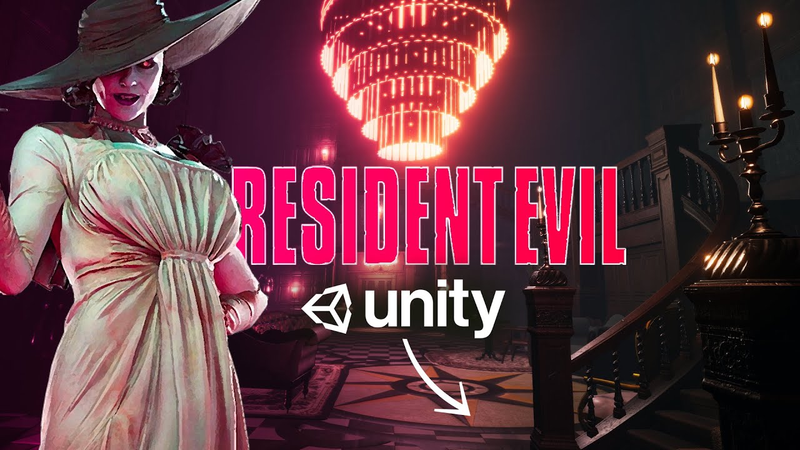
I suck at 3D and REMADE Resident Evil 8 Village... (IN ABOUT A WEEK)
This project demonstrates the feasibility of recreating high-fidelity environments from AAA titles like Resident Evil Village using modular assets and rapid prototyping techniques within the Unity engine.
- Atmospheric fidelity in 3D environments is driven primarily by lighting, sound design, and volumetric fog rather than the creation of unique, custom-built assets.
- Modular asset packs and rapid prototyping allow indie developers to recreate high-fidelity AAA-style environments, such as Resident Evil Village, within a one-week development window.
- Strategic 'asset flipping' is a viable production technique when developers treat game environments like film sets, prioritizing composition and visual consistency over individual prop creation.
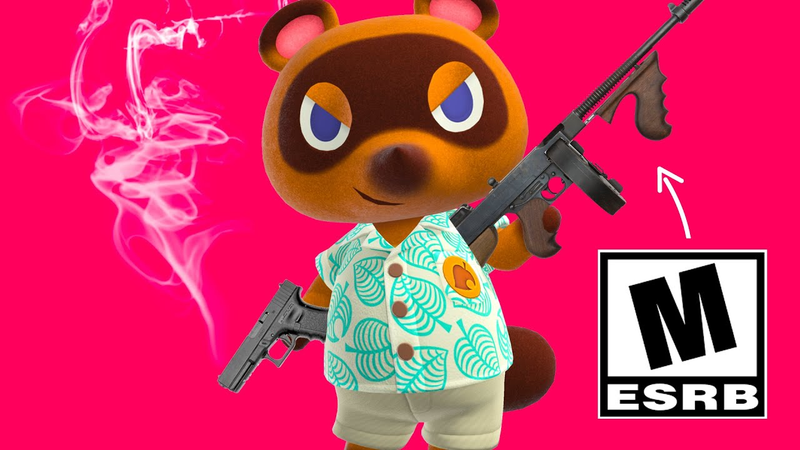
I Made Animal Crossing, BUT WITH GUNS
The development of a modified, combat-oriented version of the Animal Crossing aesthetic serves as a case study in efficient indie game design.
- Indie developers can achieve high-quality, viral-ready results by prioritizing workflow efficiency and focusing on core gameplay loops rather than building every component from scratch.
- Visual cohesion across disparate assets can be achieved by applying a universal shader, such as Toon Colors Pro 2, to unify custom-modeled and third-party resources.
- The signature curved-world aesthetic can be replicated in Unity by utilizing Blender’s bend modifiers combined with custom projectile physics to account for non-linear geometry.

The Importance and Growth of Online Events | PocketGamer.biz RoundTable
The gaming industry has undergone a fundamental transformation in its approach to professional gatherings, shifting from a reliance on physical trade shows to a digital-first strategy necessitated by the global pandemic.
- The gaming industry is permanently shifting toward a hybrid event model that combines the logistical efficiency of digital platforms with the high-value networking of in-person gatherings.
- Digital-first strategies have democratized industry access by lowering cost barriers, allowing smaller publishers and indie developers to gain visibility that was previously restricted by travel and exhibition expenses.
- Online events offer measurable advantages in accessibility, cost-efficiency, and environmental sustainability, establishing them as essential components of the industry ecosystem rather than temporary substitutes.
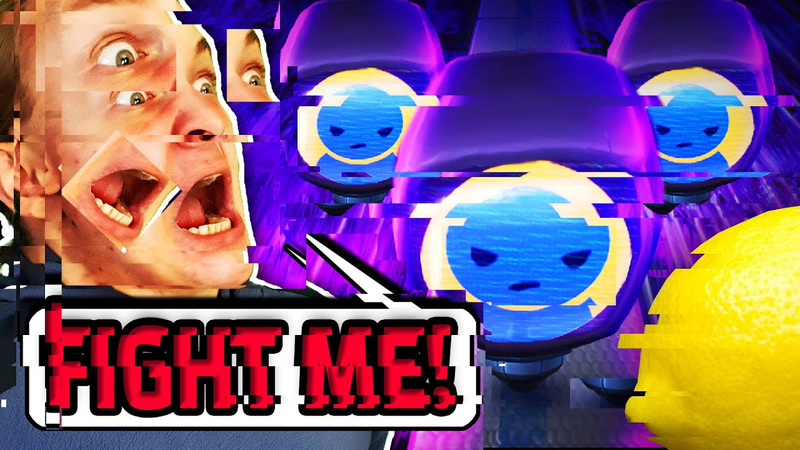
Fighting The Devs of a Broken Game
This analysis examines the evolution of indie game development through the lens of a speedrunning competition featuring Glitcheon, a title originally created during a community game jam.
- Successful post-jam game development relies more on sustained team synergy and iterative refinement than on simply increasing the volume of content.
- The transition from a rapid prototype to a polished product involves replacing placeholder assets with 3D models, implementing spatial audio, and utilizing advanced lighting and hand-painted textures.
- A one-year development cycle following a community game jam can transform a minimalist project into a complex, feature-rich title with competitive viability.
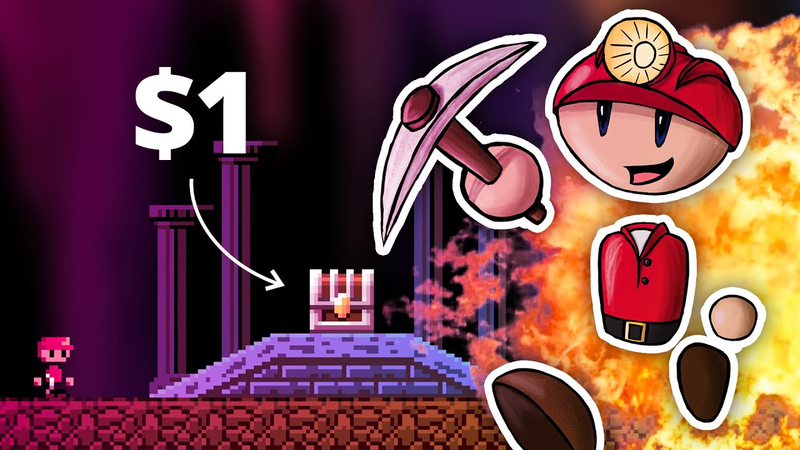
My intern's first game is JUST A DOLLAR. Too low or too high? Let's find out.
The commercial indie title Lost Caves serves as a compelling case study for the viability of the one-dollar price point in the modern digital marketplace.
- A one-dollar price point can be a viable commercial strategy for indie titles when the developer prioritizes high-quality game feel, precise controls, and atmospheric design.
- Solo developers can maximize limited budgets by using cost-efficient techniques like shifting color palettes and varied sprites to create environmental depth.
- Maintaining player engagement requires the developer to act as a psychologist, carefully pacing the introduction of new challenges to mitigate boredom and sustain momentum.
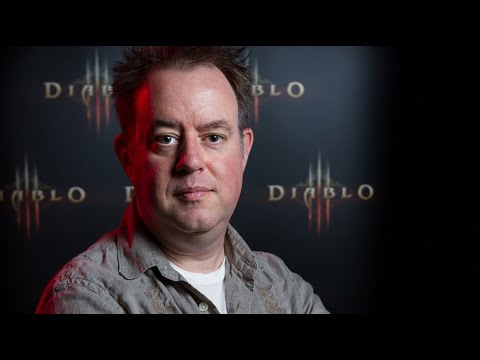
How has the industry changed with Jay Wilson | Game Dev Unchained Episode 254
The modern game industry is undergoing a fundamental transformation characterized by a permanent shift toward remote and hybrid work models.
- The game industry has permanently shifted toward remote and hybrid work models, which allow studios—particularly those with fewer than 45 employees—to access global talent pools and achieve higher productivity.
- Large-scale AAA projects frequently suffer from systemic inefficiencies, such as unrealistic scheduling and intense pressure, which often result in the release of unfinished products like Cyberpunk 2077.
- To combat the loss of institutional knowledge caused by high staff turnover and project-based team disbandment, successful studios are adopting long-term retention strategies like internal staff rotation.