1 free read left. Create a free account for unlimited reading + AI research.
Create free account
How has the industry changed with Jay Wilson | Game Dev Unchained Episode 254
Key insights
6 takeaways- 01The game industry has permanently shifted toward remote and hybrid work models, which allow studios—particularly those with fewer than 45 employees—to access global talent pools and achieve higher productivity.
- 02Effective leadership in a distributed development environment requires intentional and consistent digital engagement to maintain team cohesion and output.
- 03Large-scale AAA projects frequently suffer from systemic inefficiencies, such as unrealistic scheduling and intense pressure, which often result in the release of unfinished products like Cyberpunk 2077.
- 04To combat the loss of institutional knowledge caused by high staff turnover and project-based team disbandment, successful studios are adopting long-term retention strategies like internal staff rotation.
- 05The long-term viability of complex AAA titles depends on studios prioritizing team stability and maintaining core development groups across multiple projects rather than relying on unsustainable crunch cycles.
- 06The industry remains caught in a tension between the high profit margins of mobile and indie gaming and the cultural prestige of AAA titles, which face significant financial and operational pressures.
Ask AI about this video
Transcript
[Music] what's up everybody welcome to another episode of game dev unchained the number one game development podcast about game development and the lifestyle thereof i am your host brandon fam and welcoming a special friend again jay wilson how you doing jay i'm good how are you brandon i am good man it's been a while you've been one of the earlier episode guests that we've had on before yeah it's been it's been quite a bit for sure so just as a refresher uh for for the newbie listeners and viewers out there uh this is the part of the podcast where i asked our guests which is yourself a little bit about your past your present and what your future is looking like just a little intro well um so my past i worked
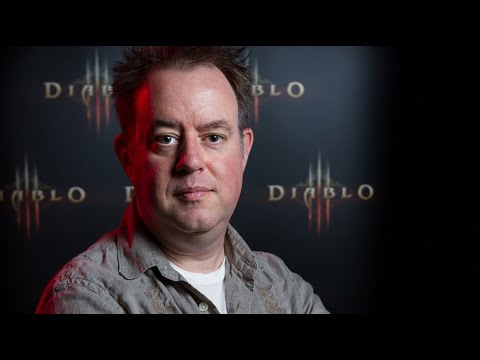
for several companies um my i started at monolith working first-person shooters moved to relic entertainment working on uh rts's um there dawn of war impossible creatures company of heroes um i was the lead designer or design director on all of those and then after that i went to blizzard where i was the game director on diablo 3 and uh also did a bunch of a bunch of other things i redid the combat for uh for world of warcraft for legion and um and lots of things i can't talk about because they're all secret so yeah that is quite a resume man still as impressive oops as the second time i heard it so uh we never really talked about a particular topic but i always like to have uh i wanted to come on to to kind of give like a perspective right especially with how things are now
uh it feels like a transitional period for game developers the remote home thing is very foreign to our industry uh i would say a lot of big companies are resistant to that uh but now it's i would say at least more embraced and it's kind of kind of changing how we interact with each other and dealing with these huge ips and being a person like yourself working on these huge ips where it was unthinkable to think that it could be spread out so far and wide in multiple homes like this um i would love to kind of hear kind of you know your thoughts uh of what does last year look like what what it how it can affect our industry going forward well it's interesting for me since i left blizzard um i which i didn't mention i left blizzard four years ago um i've been working from home and so it was just kind of more of the same um but what i noticed from the industry
as a whole is it kind of depends upon what your job is is how much you enjoy the work from home if your job is primarily to sit at a desk and make things for the most part people seem to really be more productive in that process if your job is to mostly talk to people which is um you know a lot of people a lot of management a lot of uh you know people who run large uh studios they they spend a lot of time communicating and enabling communication and for them that's obviously a much more challenging situation so it kind of depends upon who you ask for me i think it's a good thing because for the most part um the general sentiment that i have heard is that people think it works better than it doesn't um and there's a lot more um willingness to fund
studios that are remote and and to have remote employees i think in the long run it's going to be very difficult to take game development and make it completely remote for a lot of studios it certainly is possible um there's lots of developers who already do it who've made great games i i off the top my head i know the developers of ori are completely remote and you know the the the success of your game doesn't really seem to necessarily relate to that but we communication is so challenging on remote versus um versus doing it when everyone's in the same location that i think you're gonna still see a lot of developers who are resistant to it uh so being actually what was
interesting is that you have this outside perspective um doing this already for the last four years and seeing your fellow colleagues discovering this this new lifestyle and but you had that time to kind of transition uh in a more uh comfortable pace that works for you because i too you know was remote before this whole thing happened and you know there's a there's a transitional period for all of us how we separate work from family how do we separate work from home when you're actually at home um and that is a long process and i'm in i would say i'm still working progress to kind of figure out what that balance is uh to make it work for everybody but coming from someone that has been a creative director of major franchises which is the highest position of a creative discipline the management part of it sounds uh
can be complicated you know you were talking about at least the design side of things you guys like to talk and uh it is very difficult um you know even conducting these interviews i i've been seeing a shift because you know before zoom was cool uh zoom interviews felt like yeah obviously over there i'm over here we got to talk but now since everyone is doing five six hours of zooms and you know the interview part when we get to it they're so tired of it uh there's a huge fatigue bomb uh with all these meetings kind of piling up so uh yeah so i would love to kind of hear you know going back to to to to channeling such a big franchise over online meetings like that i mean i i still i know there's a lot of teams are trying to do it right now and i also hear that it's difficult there's still a lot of hump uh to kind of figure out but i would love to kind of hear your thinking process of
uh more highlighting the issues that uh either will take a lot of time to to figure or uh issues that won't be solved anytime soon and needs to have some kind of hybrid approach or something well you know i i'm actually a big believer in remote i i think that um a lot of the time for a lot of companies meetings are a big problem not a big benefit the meetings are usually held by um well i don't want to be i shouldn't be too general like because i don't want to paint with a brush that like all meetings are bad and everyone who holds meetings is bad but um i think everyone's worked in a environment where they felt like there were too many meanings or the meetings were unnecessary and i think in a lot of those cases there's there's truth to it um because a lot of the times we hold
meetings when we feel like there is a sense of loss of control and um really that's game development like you kind of live in a sense of loss of control a lot of fun because you know you're dealing with a big team and they're all moving simultaneously and no one person can kind of keep all that in their head and um i think one of the things that you kind of learn to do as you gain more and more experience is trust in the process you trust that your people are going to move forward on their on their own you trust that you know that everyone in the process is an adult who can be given adult responsibility so i i think the challenges for remote going forward are a lot more related to how do you replace that communication that both the employees
and management need um and how do you um collaborate well um i actually think to a lot of degrees you can look to things like people are using slack and similar types of programs and i actually do think that will get you a lot of the way there i think in terms of leadership and management there's a much higher responsibility towards being seen within your modes of communication that you have um so if you have slack like um you really want to be there you want to you want to post often you want to keep discussions going you want to contribute maybe overly not to try and direct things but to try and get them moving in the first place
because it's i think the hardest thing about remote is not that you can't communicate the hardest thing about remote is that it's easy to not communicate um and so you want kind of ways and methodology to um or just habits that will get that communication moving does that answer your question yeah i definitely i think remote is here to stay in some form i i truly believe that um it's very hard to kind of show this life to a game developer and then take it away when the epidemic's over right i think there's going to be a fight or at least an understanding that there is needs to be changes from a nine to five there's so many there's so many benefits to remote that um you know i i think i think the the downsides that people thought like people would just sit at
home and goof off like you know i just don't think game developers are like that the the word that i hate most in relation to game developers is lazy people love to use it all the time wow they're just too lazy to add that feature um there are lots of flaws you can you can put on game developers lazy is not one of them i've never met a professional game developer who i thought was lazy they all had to work really hard to get into the game development industry and they work really hard once they're there they're a passionate group of people so the idea that people are going to goof off maybe you're going to get you know the occasional person who does maybe that is the easiest problem to solve because it will be very obvious in their work output that they are not working um but in terms of what the real kind of problems with
um remote relative to the benefits you know the fact that you can have a team built from anywhere that you can have people who you never would be able to hire otherwise because they're not willing to move or relocate like the game industry's small and as a result like if you want to work you move a lot and moving is really hard on families it's really hard uh it's really hard on everyone and so the idea that you could hire a whole team of people and not and and not only not ask them to relocate but tell them they can live anywhere in the world if they don't have to move to the most expensive place in the world which a lot of game companies are in some of the most expensive places in the world and the fact that you can give them an environment where um a good number of people can focus uh a lot better than they can in a big
office environment the biggest problem i think you run into are like i said the the communication issues that come up which i think are solvable and probably the hardest one is there are some people who do not like it and don't work well within it and my i'm gonna be a little on the mean side there and say welcome to the world of people who don't work well in offices they've lived in your world all their lives and you know if they could [Music] live through that and suck it up and try it out you can do the same thing yeah i think there's a lot of um a lot of people being exposed right now in this in this new time uh this actually leads into my next uh uh line of questioning so uh what happens now right so this is
the year that i anticipate that at least near the end uh we're going to start seeing game developers slowly crawling back into the workforce into an office right just maybe slivers of it maybe uh at the end of the year with the vaccines vaccines coming out i mean i don't know if you're still in orange county i mean the numbers are pretty crazy right now i actually live in portland oregon now even better so the numbers are spiking but uh i think everyone is kind of seeing the light at the end of tunnel at least where there is seems to be an ending somewhat right um i would love to kind of hear uh what you think is gonna happen now with part of it is what you said might be a hybrid approach and part of it is how i guess pro tips that you think where we are changing we are going to be working a new environment how game devs and teams can
be effective in this new type of industry uh same game industry but a new type of office environment right and i i completely agree with you the visibility thinking it's huge in office you always it's weird but you have to you have to overly say hi to people to make them realize that you actually are there doing work otherwise it's very easy to sit in your cubicle and disappear and i think a lot of game developers make that mistake it's like oh it's about all about the work right as long as my work shows then i'm good it's not that right so um and then you add this extra element with online connectivity and remote working and now we're going to see kind of what is the best of both worlds there for a developer or a team to really navigate through this in a successful way well i think you're going to see um more of a hybrid approach i think you're going to see a lot more game developers who are okay with people working from home
as part of their time working the benefits are very high if no other you know i used to spend when i worked at blizzard i didn't work that far from from blizzard and i still lost an hour to an hour and a half every day commuting and so that's a lot of lost time um but um i still think that the benefits of and the natural desire that management has towards towards a single development location is is strong and i think as the pandemic goes away as we've seen in locations where there are parts of the world where the pandemic is is either under control or even completely contained and if you talk to people from those parts of the world they're like everything's like it was before um
i think we thrive on normalcy um and we'll move back towards it as quickly as we can but i do think we'll be one more open towards people working from home we've already seen some of the big developers not always in game development but in technology in general say yeah we're okay with it i think google has said yeah you can work from home for the foreseeable future even after the pandemic so i think we're going to see a lot more of that um i think we're going to see like good managers looking at their people and realizing how they're most productive and putting them in those situations whether that be work from home work in the office or a hybrid i also think you're going to see a lot more remote studios so that is going to be a thing i think it's going to work better with small teams um
you know just naturally small teams communication is less of an issue in general and as a result i think remote lends itself to a small team better than it will too so by small i mean under 45 um i know that's a really specific number but it's been my experience that there are break points in in team size and 45 is one of those break points i don't know why it's not 50 but it feels like over 45 is right around where you you you get this new like you need another layer of management you need better to up your communication and i think probably bigger than that you're going to find challenges working remote not to say it can't work it's just going to be harder and so i think you're going to see a lot of smaller studios that are more successful for no other reason
then it's again very difficult to get people to move for a small studio but if you work remote you can hire from anywhere in the world and actually speaking of from anywhere in the world although the remote working is great and i really do think the the people with uh professionalism and awesome work are never uh should be never feeling insecure about their job but overall we are opening up a barrier of entry where uh overseas now that you know everybody can connect remotely unless a studio really has strict rules about time zones there's a new level of talent that can be invited within a studio setting for any of the disciplines now and uh at a fraction of the salary even right so the from that perspective i would love to kind of hear your thoughts about
how real is that scenario where uh where it used to be you know we worked with people with visas before and they're super talented and stuff but now you don't need that and because of the visa thing it prevented a lot of talent from getting into these great companies work on these great projects right good and bad right mostly bad yeah there still are legal issues with you can't just hire and um and have someone from another country work for you without working out i i don't know the exact details of that but it it's not as simple i think as um as oh you no longer need a visa but that being said like there are a lot of scenarios where and already companies where they do that where they they actually um have groups that are or or individuals that are working on
the other side of the world and from what i've understood there are a lot of benefits in you think of it like oh well that's a downside because um one group is working at a different time than another group and so their ability to communicate is not as good um because of the difference there you know why one person sleeping when another group is awake but actually from what i've heard um the group when one group sunsets the other group starts and can address issues for the group that is off and so you get this interesting back and forth um that i from what i understand is can can work quite well um but yeah i i think that um i i think the idea that if you have a remote company you can hire from a much broader talent set
and and from a much broader um geographical you know i don't know the words i was meant to i was gonna say words there and um i don't know the words i was gonna say but from anywhere in the world basically um that that um idea well yeah that's why you do remote like you because you can hire from anywhere in the world and i i don't when i say like oh you can hire from anywhere i i really do mean i'm not just talking about anywhere in the us um or anywhere in north america if you really think like oh yeah you hire from anywhere because from every company i've ever worked for we've always hired from all over the world i've never worked in a studio where we where we didn't um have people from europe people from australia people from asia who we pulled into the company um and um i i can't
imagine that it would be more difficult it seemed like it would be easier um if for no other reason you don't have to talk somebody into leaving their life behind yeah definitely um uh i recently like everybody just went on like a two-week holiday break right and it's um it's something i always look forward to every year as a game developer it's just like a time to kind of just unplug and just be away from it and just see what other joys of life i can i can find and discover or rediscover uh every christmas right and um i think it is a healthy i think it should be longer i think it should be more frequent throughout the year because it is a very stressful job and i equate every project to be like a sprint in a race one after another until there is some rest right which is you know the game cycles are getting longer and longer so um you took four years away from the
industry uh and uh i would love to kind of hear your what that feels like uh because even with my two weeks i'm able to i always equate it to uh not long enough but long enough to get the itch the creative urge to do something again to make a game and work on a project right and i love that feeling and i always also enjoy and and think about you know what is a long break from doing other things because creatively i think it helps as well um to get back into it and come up with new ideas especially as a designer such as yourself so i would love to kind of hear your your you know what was year one your two year three not in crazy detail but just general feelings about what that was like uh uh being in the industry for so long well um not working is uh is great work if you can get it um for a while um
i am now that being said i i i spent you know three years uh working on novels so i wouldn't say i was exactly not working but i wasn't working in the game industry and um and it's a very different kind of work it's different in terms of time frame it's different in terms of what it asks from you um and because ultimately i'm i'm my own employer i take a break whenever i feel like it which is great um but i you know the thing i would tell anybody who doesn't want to work anymore is make sure you know what you're going to do with your time because it you know i i very quickly kind of went um yeah i really like what i'm doing right now but i i miss game development um you know i miss working with a team
i i don't i don't really care for working alone um for all um and what i found is i do like i do like writing and i i can try to accommodate both at this point i can write very quickly so um i do believe i can accommodate both um but in terms of um what it's like to kind of um yeah it's actually really hard um i don't i mean boohoo you don't have you didn't have to work for four years um but um it does after a while it kind of feels and i think everybody who is stuck either not working or working from home during the pandemic will probably probably can relate now um that it you can start to feel like you know you got ants crawling under your skin after a while like you really you know i don't think humans are designed to not do things i think we're designed to you know
um people always say like well how did they build the pyramids and you get a bunch of bored people sitting around they will do crazy stuff um and i think that's that's the ultimate kind of takeaway from that i've gotten from not working for a little bit is i i like working but um but yeah it's nice taking some time off um it's nice to get perspective um the game industry burns people out like crazy um so the thing i would tell people too is if you feel burnt out take some time you know if you can find a way do it do something else for a few years um you know it the game industry will still be there when when you come back like they they're not going anywhere hey guys let's take a break and have a word from our sponsor this episode is sponsored by app figures
app figure is all about giving give makers the tools they need to get more downloads and revenue you may already know them for analytics and app store optimization now app figures can help you track competitors from how many downloads they're getting and how much money they're making to their audience demographics and even which sdks they use their competitor intelligent gives you great context say a competitor as a new feature or was mentioned in the news with ad figures you can see if that brought in more downloads got a great idea for an app or a game with app figures you can figure out how big the market is and how much money you could be making with it and that's just scratching the surface whether you're growing your app or building a new one app figures has the tools you need to reduce risk and get more downloads you don't need a large budget or a data science degree to do this kind of stuff anymore app figures has made it affordable and simple on top of tools app figures also provides a lot of guides and tutorials take you step by step through gaining more visibility with aso and increasing your revenue by
learning from your competitors they just release a free guide on that actually so head over to appfigures.com app f i g u r e s dot com forward slash on o n forward slash gamedev unchained to try app figures for free if you like it then use our special code gdu 3030 to get 30 percent off for the next three months you're welcome yeah i think one of the aspects that are starting to be discussed and working from home yeah i felt that way too there's a mental toll that comes with it and this is before the pandemic where i'm freely available to go outside but my social interaction quickly diminished you know you're not hanging out with your friends there's that water cooler moment or that break room stuff you know just those little interactions add up throughout the day completely gone when you work from home and now you know times that by 10 people can't go outside um or go
anywhere where they normally would and you know it affects everybody of all age group and it's very difficult uh i think i hope creatively there's something amazing that's going to come out of this because i really believe behind limiting people i i wonder what kind of creative projects that are going to come out out of this pandemic um but at this point it's like hitting an expiration point it's like he's not worth it like i'd rather be outside uh like it is constantly like that yeah i you know got up here and and uh because i i moved from california to portland as i think i mentioned um and like i'm in three dnd groups um one of which i run um i uh i spent started spending a lot of time modding games just for my own you know benefit my own you know satisfaction so you know i thought i'm not sure i ever truly left
um i just did it in my own way on my own time so yeah it's i i think time off is is good for what it does to your mindset and i do think as an industry we need to be a lot more realistic about how long it takes to do things and how much time off refreshes the creative juices of our people um i can't tell you how many times i you know i hear like well you can't do that in that amount of time like that's that's just not you know that's too long that's you know a death for for a company or that's death for a dev team like you know that's you just have to find a way to do it faster and i'm like okay well you're gonna you're gonna tell a dev team that they've got to do it faster but i promise you it will take them longer and when you get there two years down the road and they're not
done you're not gonna throw those two years away so you're just gonna add more time on why don't you just be honest about how long it takes up front um but people overall aren't every but i don't know project um there are projects that are finished on time and on budget um but i believe that those projects were realistically budgeted and realistically scheduled but most of the time projects don't hit their time frames or their budget and sometimes that's mismanagement and sometimes that's just unrealistic scheduling yeah i think most of the time it's unrealistic scheduling personally yeah well i mean i would love to kind of discuss this with you actually i think you're a perfect candidate you know cyberpunk it's a great example of this um i think it what makes that story
different uh for a while is because it's ushering a new generation of games right for the new console and appropriately slow we're kind of looking towards that as what is the new model here is it the same thing as before or is it you know times 10 and effort and everything but like the team is still the same size right so this is a team that a long dev cycle uh eight years and uh i i believe it's the the response is just far greater than i've ever seen on a game before where consoles are literally pulling it off of online shelves after after it was bought and refunding it never seen that before it is quite new and it's uh exposing a lot of the issues that we are used to right but i think under a magnifying glass i would love to kind of get your general thoughts about that you know being one yourself to have
managed large teams like this who are kind of used to longer div cycles to deadlines that feel short should be longer i mean it's it's i'll be loving to kind of hear your take on it well i think the first thing i'll say is that my heart goes out to cd projekt um you know they're they're in a position that is very very tough uh i can say like to anybody who's angry at them i would say there are a significant percentage of the lives of these people they put towards this game like there are probably people on that game where they can say 25 or a third of my life i spent working on this game um depending on their ages um and that's not a small thing like it's their lives
and nobody there wanted a bad release in terms of why um it's it's so difficult to choose your time of release um [Music] it's very difficult to defend the the the ps4 and um and xbox one stuff like you should be able to just look and see that it can't run like that's really hard to defend um but um you know you do reach a point with development where you have to take a gamble on are we done and those big giant complicated projects you know they can go on
exponentially and um there's never if you ask the development team truly there is never a point where they will feel the game is done you will they may do all kinds of like six months from now we may all be looking back and going oh they they've released a couple patches and now cyberpunk's awesome and i actually think that is what's going to happen yeah maybe the timeframe isn't six months maybe it's 12 months but i i i actually think that they will make good on on cyberpunk um and we're gonna be playing uh an awesome game it's not that far off it it really is on a lot of levels uh kind of a mind-blowing accomplishment um it's just got a few things that i can see why they would gamble on and and you know i could see why they go you know let's do this we think we can fix that before release or we think we can you know um
you know we we think maybe that's not as big a deal as we as we because you got to remember the dev team they're so much closer to it than the um than the audience is then that they don't there's a lot of things that they they see it through a completely different filter um and so um yeah it's hard to it's hard to it's a tough position because on the one hand like i don't want i don't want to defend like developers releasing games before they're they're done on the other hand i don't think any developer wants to do that either and i think when they do that they do it under um for lack of better term duress you really can't i can't express enough the pressure that is put upon a developer to release a game by everyone including themselves
um the audience before the game is out will tell you will tell the developer anything we don't care about such and such we don't care about like we just want the game just give us the game whoa you know death threats and all this stuff like you you just get this almost you know cacophony of release the game um and it's not a um it's not a very great environment for making kind of calm rational decisions and so as a result sometimes people make mistakes people aren't perfect i hope people judge the cyberpunk developers based upon where cyberpunk ends up as opposed to how it released because i i think that i just have a lot
of confidence like they are a company that has always done the right thing by their games i believe that they will do the right thing by this one yeah i think i'm in full agreement as well um that they they have enough goodwill in the track right there to completely turn this around and complete it to the state that they wanted it is earlier than they expected in terms of release i'm playing through it i'm playing on pc i think that's everyone's first mistake why are you playing on a ps4 and it looks great and there are bugs obviously and you can definitely see semblance of oh yeah this is part of something amazing here um as they just need more time yeah i mean i'm putting it on pc as well and um like i think i think what we when a release is troubled what people often don't do is look at everything that's right like everything that that cyberpunk has done that like no
one's built a city like that before like it's astounding um the story i really enjoy the story i think the story is great um and there's they've captured like the feel of cyberpunk like they they you know in a way that i don't think anyone ever really has in a game like they've done so much right um that it's it's just hair pullingly frustrating for everyone again including the developers especially the developers the few things that are wrong um and there will be people who will never forgive them for that and i would say to those people like why like why not if you eventually are going to get the game you wanted why not forgive them like if if you eventually get a great game
you know that's what matters more than anything because for the most part they're just not that far like i can see why they release they're not that far away um from from something really great and yeah there's lots of bugs and things welcome to those games like what bethesda game doesn't have a lot of bugs i'm sure they're sick of hearing about it but when you make a game that complicated it's just gonna happen um and as long as those bugs are are not game breakers and granted i know that there are so few that were [Music] fixed very quickly by the way then the that's just i don't do i think it's right of course not of course not like i don't think anybody thinks it's right including the developers but i think when you make a game that's that complicated we're not at a place yet where we
[Music] can always make those bug free and the developers who do make games that are that big and complicated that are relatively bug-free you know they probably have a long history of making those types of games and so they have um they've got a lot of practice uh doing it yeah i think one of the funniest comparison videos that i'm seeing a lot after that backlashes uh it's being compared to red dead which is unfair it's being compared to assassin's creed games it's like guys these guys it was the first big the biggest game that they ever done is the first time they didn't do it with trees right so it's like full on city it's a very tough thing and i think there is a discrepancy uh both from the gamer and game developer side because they're getting backlash from both sides um the gamer's side uh you know i
i think there is a deteriorating notion uh attributed to aaa because they're seeing so much of this now with andromeda mass effect all this stuff in recent years buying games that are broken from day one right so they feel like they're being cheated on the other side i'm seeing it from the game developer complaining about why these games can't be done on time like these games why do we have to crunch and it's a weird i'm always finding myself in the middle it's like and i always use red dead as an example that's that's another game that's infamously crunching and that took them eight years and this is an experienced team right and i looked at that game and i'm still playing through it and i'm just like and it's like three years old five years old pretty old game and i'm looking around i'm like how do they make this it is impossible for them to not uh to do this in eight years and not crunch to get it to this
it is so impressive that they got it to this state because that would stretch even longer to do it correctly on the timely manner i don't know that i think it's impossible i i think it's actually quite possible i just think that this industry is still young and so managing like how many games the size of red dead redemption 2 or cyberpunk have been made yeah like the film industry has made a lot of 100 million plus budget giant blockbuster movie they have it down to a science it's astounding how quickly to me they can make them um but they you know they have a methodology um you know that they also have you know revenue that um that justifies um and so
you we're just at a point where people are still learning on how to make those those giant giant games and make them efficiently and the truth is i don't think we know how to make them efficiently for the most part there there are you know i can certainly point to some games that i would say that is a pretty damn big game that is relatively bug free like spider-man man hats off um the new god of war you know the last one amazing um those games feel rock solid now i don't know how long those games took me maybe they took seven eight years as well but they don't they don't feel like they went through quite the the length and um and process but you know with um you know i've i've worked on games that have taken
a lot longer than they felt they should have and in almost every case it was because we were dealing with massive unknowns and made choices that because of our lack of knowledge turned out to be the wrong choices and cost as time and energy and so you know now i can go back to any game almost any game i've made except for probably dawn of war because dawn of war was made extremely efficiently um but almost any game i've made i could go back and make it quicker um you know we had a s i had a a boss um uh rob pardo at um at blizzard he told me once you're going to be really good at making this game around the time that you're done making this game and it's it's true um and that's why i think for a lot of
people you a lot of development teams you often see it's their second game you know that is amazing or takes a big leap over the first because they learn so much through that development process yeah that's actually leading into my next question and talking about the the first things we were talking about and maybe it's just a working theory so play with me here um you know the the moving thing was real i mean the the the thing about traveling artists every game developer is going to the best job all the time so that also means you know there's a high turnover rate low retention rate at every company and these big budget games are you know always getting bigger but in a lot of these sequels it's like whole different teams or at least part a hybrid of new and old right
so we don't have let's say the first team kind of leading into the second team we've done this before here's to do it again but add a little more and so that kind of throws i don't know every lesson learned um away and that causes a lot of issues during production and i don't know if maybe remote will fix a lot of that problem where not a lot of people would be inclined to leaving all the time um i wonder in this generation and i would love to hear your opinion of is that gonna be solved because i feel like that really does help i with films those guys usually travel together it's like always the same crew it's this very small circle so it's very easy to kind of move on and work on another project with another director but it's the same crew so they know what they're doing with games i don't feel like we have that as much like i think from all my friends all the way back from 2k
to sledgehammer everyone has been spread out every single time i never i don't know a team that has stayed together um very long uh unfortunately and i would love to kind of hear your thoughts about that i don't think that is a people quitting issue that is a how development studios run kind of issue and also the process for how you make a game so you make a game um and over the process of making that game you your team grows and grows and grows um as you need more and more people to to finish the game you get you reach the end and then you go to the beginning of a new game and you know depending on the size of your team anywhere from 50 to
80 90 percent of your team you don't need like you don't you don't you don't need a full production team when you're trying to figure out the very beginning of your game like what you're when you're at the very very beginning trying to work out um now if you um so and then so that that's one issue so you know the tendency is let's spread these people out to other places there's often other teams that desperately need help um because they are starting to gear up towards their release and so the tendency is to you know take these people and put them say well this thing's on fire over here we're gonna take these people and they're gonna fight fires on this other project um and as a result like you end up kind of unintentionally tearing up the teams um
i actually felt like blizzard was really good about this for the most part they they actually kept teams together and sometimes at the cost of um that cost to the company because you the team would be bigger than you need they would pull some people like but they'd also do instead of just saying like oh we're going to take this person and now you're on the world of warcraft team or you're on the overwatch need we we would loan people we would say you're going to go work on wow for six months and then you're going to come back um and that way they the teams still stayed more intact and actually there was a big benefit because you go to a different team and you learn how they do things and then you could bring back your learning to your original team um and then what we would do is spend that time um even though like we had a large team we would support the game we just
released with patches and new content and we'd start expansions and um and then a chunk of the team would start working on what the new game was going to be and that that model worked pretty well it is not the most efficient um but in terms of the sure in the short term it it seems like why do we have people just you know not working super hard when we've got other people in the company doing like like killing themselves but in the long run it actually benefits greatly because you keep those teams together you keep communication you know once a team has worked together for a while they learn how to work together and it it has a huge benefit um and um that
long-term benefit is can be kind of easy to overlook um because it's long-term like you don't you don't see it right away um but it's worth it i i i really think that methodology was good like that loan people out i keep them keep trying to keep teams together occasionally people would leave when they were like not when they were they were done which is understandable sometimes you spend a long time on something you want to do something new um but um but for the most part you know teams were kept together and um and the effort was towards well let's find work for everyone to do while we have a small nucleus start on the new game yeah i completely agree i think there's no coincidence a company like valve like blizzard um have like this continued success
with either old ips or new ips and a lot of that i can only attribute to the team staying together and um that is like a very privileged and very smart strategy uh position to be in i think a lot of developers are just trying to get that one hit under the belt right so it's very hard to have like so many hits just like blizzard to be able to cycle through developers though a lot of the times people will attribute to blizzard like well they were like well they're just that's blizzard so you can't you know nobody else can do that it's just blizzard and my response is no anyone can do it like anyone can do it it's not nearly as as privileged as people might think the the truth is when you keep a chunk of your team [Music]
treating your game like a live service no is that is there a is there a direct monetization to that um that you can easily measure arguably no i you i could argue there is but but the truth is the more your game is supported the more your game will continue to sell yeah um and that i i think we're seeing that now like we're seeing that now in in you know if you look at especially like small indie companies and they release in early access and the early access version of their game feels like a finished game and then they do regular updates that you know every you know two months three months there's bam bam bam regular update that comes out um i know having spoken to some of those companies they're they often sell as much or more
in their second year of release than their first that is unheard of normally you release a game the lions majority of your sales unless you have some kind of multiplayer or continuing like games game as a service element the vast majority of your sales are in month one and that's you're done but yeah no these these companies just because they continue to support and release and it brings back streamers it brings back uh you know audience that is loyal and there's no resistance coming back because they've already bought the game but through this more people playing your game the more p new people are going to buy your game um and so that's that's actually a true statement for any developer like it all i see early access to me for these a lot of these companies is no
different than the way blizzard would release a game and then support that game after um it's just that you know we don't call it that we call it early access and so i don't think that the privileged kind of place that blizzard operates from is nearly as privileged as people say it is i think it's an excuse a lot of the times especially when you've got somebody who's like a huge developer with a large you know large coffers of cash they did not have to release that game early like they didn't they didn't have to um you know they could have they could have held off they could have supported that that game a little longer but they just didn't they didn't they didn't want to they want to put their money somewhere else and you know maybe they're right maybe
they're wrong but in my opinion it's better to support what you have then uh if you truly believe in it and if you don't truly believe in it why did you make it in the first place yeah i'm pretty sure the cyberpunk team is feeling really wrong right now but i completely agree with you i think a lot of these issues their is is like they're they're a private company they're they don't like i don't know what their financials are nobody does but i mean they're they're what you know i believe their primary financials are the witcher series they have a giant team to support those teams burn money at an enormous rate we just we don't know what their situation is and as a result and again like it's hard to defend a um a troubled release on the one hand on the other hand there's enough people piling on to them
that i'm i'm gonna go the other route the other way around [Music] i think it's perfectly fine for people to be mad like and for people to feel uh to feel like the product is not what it should be um but i also think the proper response to it is this is not what we hoped what are you guys gonna do about it yeah and if you do the right thing then we'll support it as a community i think no man's sky is a perfect example the red sky's a perfect example people forget that destiny was really painful when it first came out and then four months later all everybody talked about was destiny yeah honestly it seems like about every six months destiny is the worst game in the world suddenly
like three months later the greatest game of the day i think a lot of this is a definition problem just call everything at early release from now on and people will be more forgiving it's like i get it i mean they're patching it already there's so many like early access games like i'm like that's not an early access that's a done game that's a done game that they're just going to continue to add features to yeah i that's why i always feel uh like it's always helpful to look at other parts of the industry that that is i feel like they're fixing a lot of the issues uh already like the mobile industry is a good example they test their game design first before you know really monetizing it or really investing into it the indie teams are finding solutions as well uh to figure out how to weigh you know to survive and still be paying the bills and all this stuff and i i do feel out of all parts of the ninjas triple a still they've done better in the past year with
i mean loot boxes had a bad taste in the mouth now but i mean that that was a good in the right you know there was something there obviously in the dlc all this stuff we were trying to incorporate a lot of this stuff but in a large portion of it very old school and how you know once the game is out that's how you make money and then you work on another game and that's it yeah but i mean i think i think you look at triple a it's the it's the hardest it's the hardest the least turn around like you look at um uh grounded the game from granted obsidians owned by microsoft but grounded is basically made like an indie game i think they had 18 yeah 8 to 12 somewhere in that range i i don't know exactly it's a tiny team they had what two million players in the first 48 hours something like that um that's a massive turnaround like
that profit-wise that's that's enormous mobile games you know everybody knows like the profit margins on this that's why so much of the industry focuses on them um now the i do think there's an issue there of um so much of the industry is focused on them that actually turns around and becomes a you know you end up with a lot more failures because the market can only support so much but um but regardless the when you have a hit as a mobile game your return on investment is ridiculous yeah when you have a giant kit as a um aaa game you're still never going to get return on investment yeah um in in scale with something like a mobile game or um or an indie game uh something that was made with a small team and
i think that's one of the things you know why i think outside of game development game developers this is not big news to them but for you know game players for the gaming community it's never really been an understanding of like how much it costs to make gains and how difficult it can be to get a the kind of return that is expected in the business world nowadays um and you know you could say that that is unreal unrealistic in and of itself but what it comes down to is if you have a company that can make um a you know million dollar profit which is by the way million dollars nothing um in terms of game development it's it's
you know coke money um and by coke i don't mean yeah yeah the soda yeah if you've i'm going to you i'm going to use bigger numbers if you have a project that can make 100 million and cost 10 versus a project that can um make 100 million costs 50 yeah why wouldn't you make the one that costs 10. like um and the [Music] answer right now um is is really comes down to two things one is that those are the games that have the impact on our culture you know people don't talk about mobile games in terms of their cultural impact but things like red dead have cultural impact like we they move us as humans
and that has a lot of value to um and unfortunately like it's business it's business uh i wish it wasn't but it is because it's a business that's got to have value and it does thankfully it has value to you know sony wants to release exclusives that the world talks about because it raises sony's prestige and that matters to them it has a dollar amount at the end of the day that matters to them and then the rest of the reason is because we have dreamers we have people who dream big and shoot for the stars and good for them but that's it like there's so many there's so much so many better arguments for doing mobile
free-to-play development or doing indie development than there are for doing triple-a development and that's something i think we should keep in mind if we want aaa development to stick around yeah i think that's a fantastic note uh to to end this podcast and i completely agree with you i i think as a game developer there's a narcissistic quality to ourselves i want to see my game enjoyed in a shorter time frame i don't want to wait a decade uh before people know what i'm doing uh and i think overall uh that helps with the business model of things um that's narcissistic i think that i i really think that game developers want to bring joy to the world like they want they want to see people happy and having a good time and i
i think that that's um i don't think that's narcissistic i think that that's a uh it's a great quality to have we're entertainers we want to entertain yeah yeah like and that's that's what it comes down to is is and it's tough because you know entertainers you know not a tradition of the most um um rock hard concrete egos and and personalities we tend to be a fragile bunch but we're not we're not you know in this day and age like you're just supposed to take whatever comes at you like whatever abuse it doesn't matter just suck it up that's the internet yeah and you know but that's you know entertainers i don't think have changed in that element but at the end of the day like they still dedicate their lives to um
to trying to make other people happy and um a lot of them benefit a lot less than people might think yeah and i think this industry uh if anything has has been a welcome benefit to the pandemic with people stuck at home and then trying to look for the escape tell me about it yeah it's for me personally it's been helpful um i want to congratulate you go ahead play games has actually gotten smaller for the first time wow steam wish lists are actually being conquered all over the world but i want to thank you for coming on to the podcast giving us an hour of your wisdom and time uh this is the part where i hand the mic over to you and shut up to promote give attention to shout out to anybody anything that you want to talk about all right well i'm the first thing i would say is i did spend part of this
four years off writing a novel um it is called dead man detective and it is a paranormal mystery so if you like ghosts and mysteries and um then it's not a it's not a game related thing but it is a um from what i'm told by my readers a a pretty good read and it's up on amazon um and it's spelled exactly like it sounds dead man detected by i i go by j.p wilson so i can have that website and uh i have another announcement that i can't make yet but i i you know i am getting back into game development and i'm hoping if things work out the way i want um i will have a big announcement soon but um hasn't reached that point yet awesome well i'm i'm definitely going to check that out uh i don't know what the announcement is but i would have to like i'm looking forward to read the book and books are a great source of
inspiration for for creative endeavors uh hopefully you know one day we can see that into the game who knows but uh i want to thank you for your time man thank you for coming back on it's good to see you after all these years and have a good one everybody [Music] you
Summary
The modern game industry is undergoing a fundamental transformation characterized by a permanent shift toward remote and hybrid work models. By decoupling development from physical office locations, studios can access a global talent pool, which is particularly advantageous for smaller teams under 45 people. While remote operations present unique management challenges, they offer significant productivity gains and flexibility that make a return to traditional, office-centric models increasingly unlikely. Effective leadership in this new environment requires intentional, consistent digital engagement to maintain team cohesion and output.
Despite these operational shifts, the industry continues to grapple with systemic inefficiencies, most notably in the management of large-scale AAA projects. Unrealistic scheduling and intense pressure from internal deadlines and external audience expectations frequently lead to the release of unfinished products, as evidenced by high-profile cases like Cyberpunk 2077. These failures are often exacerbated by high staff turnover and the tendency to disband teams upon project completion. To mitigate these issues, successful organizations are moving toward long-term team retention strategies, such as internal staff rotation and sustained post-launch support, which preserve institutional knowledge and improve development quality.
Ultimately, the sector remains caught in a tension between the high profit margins of mobile and indie gaming and the cultural prestige of AAA titles. While AAA development faces immense financial pressure and high operational costs, the drive to create impactful, large-scale experiences remains a primary motivator for developers. The long-term viability of these complex projects depends on adopting more realistic timelines and prioritizing team stability. By fostering core development groups that remain intact across multiple projects, studios can better navigate the complexities of modern production and ensure that games are refined through iterative, long-term commitment rather than unsustainable crunch cycles.


Comments