indie
CompanyUnited States
Documents about indie

We remade Hollow Knight... but IT'S 3D!
This project demonstrates the technical and artistic process of reimagining the 2D title Hollow Knight as a 3D game.
- Translating 2D mechanics like melee combat and coin collection into a 3D environment is technically feasible while maintaining the original game's atmospheric integrity.
- Modular asset creation is essential for rapid prototyping, allowing 3D environments to be built and iterated upon like structured building blocks.
- Using 2D screenshots from the original title as direct references for proportions and textures ensures visual fidelity when adapting characters and enemies into 3D space.
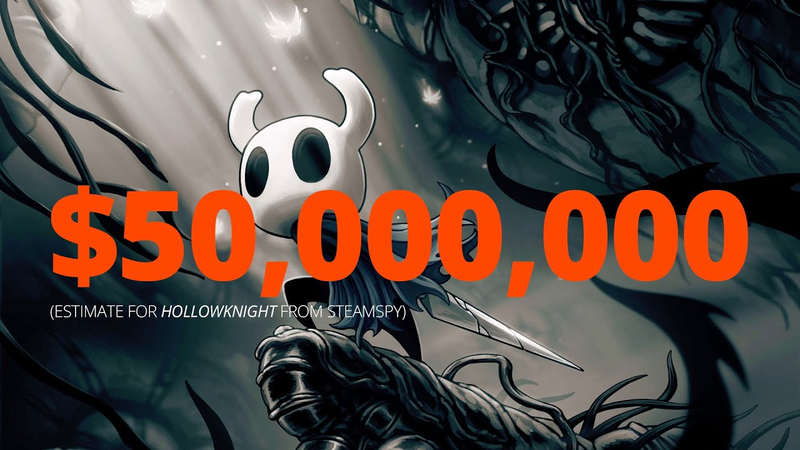
how much $$$ is your little indie game worth?
Securing funding for independent games requires a strategic approach to pitching that emphasizes transparency, visual proof, and realistic financial planning.
- Publishers evaluate potential partnerships based on three core requirements: high-quality visual assets, a clearly defined and itemized budget, and a functional game build.
- A detailed financial plan must account for all project-related costs, including marketing, public relations, and porting, as vague or inflated budgets undermine developer credibility.
- High-quality imagery or trailers are mandatory for establishing emotional resonance and allowing publishers to visualize the final product before committing capital.

my game is at GDC and it's broken..
The development of the indie game Father serves as a case study in the practical realities of preparing a vertical slice for a major industry event like GDC.
- The development of the indie game Father relies on a hybrid asset strategy, combining Unity Asset Store environment packs with custom-modeled landmarks to balance production speed with visual identity.
- The demo currently suffers from significant performance degradation, including frame rate drops and inefficient asset loading, largely due to an over-reliance on post-processing effects like bloom and fog.
- The project's visual fidelity is partially 'faked' to mask simplistic underlying geometry, creating a tension between the need for a polished GDC-ready presentation and a performant, stable build.
How my Game Launch Went on Steam
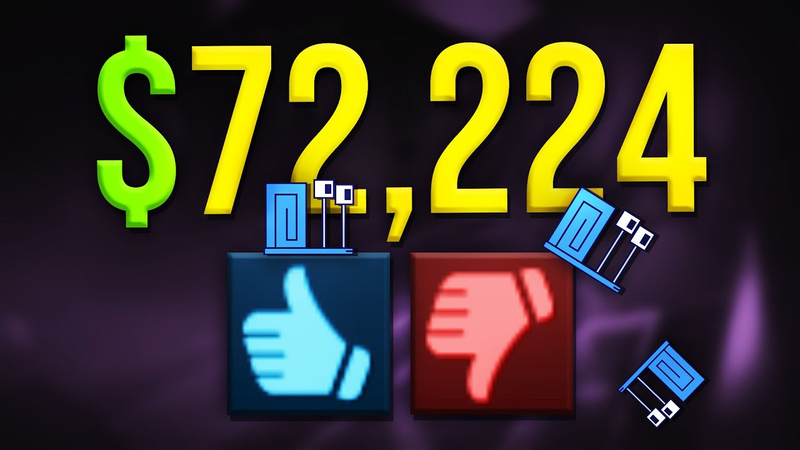
The launch of the indie game Will You Snail? on Steam provides a case study in the financial and operational realities of independent game development.
- The game generated $72,000 in gross revenue from 7,500 units in its first week, resulting in approximately $25,000 in net earnings after Steam fees and taxes.
- With total development and marketing costs between $30,000 and $40,000, the project reached near break-even status immediately following the launch window.
- The developer anticipates that future console ports will generate only 30% to 40% of the total revenue volume achieved on the Steam platform.
Playtest to Success with Christian Ress, CEO of PlaytestCloud
Mobile game development requires a shift from reactive, late-stage troubleshooting to proactive, continuous validation of player experiences.
- Shift mobile game development from late-stage troubleshooting to proactive, continuous validation by using remote, unmoderated testing to capture qualitative data like screen recordings and think-aloud commentary.
- Utilize longitudinal studies, where players engage with a title over several days, to diagnose the root causes of churn and retention issues rather than relying solely on quantitative analytics.
- Integrate playtesting throughout the entire development lifecycle to identify friction points in tutorials, UI, and design mechanics before committing to full-scale production.
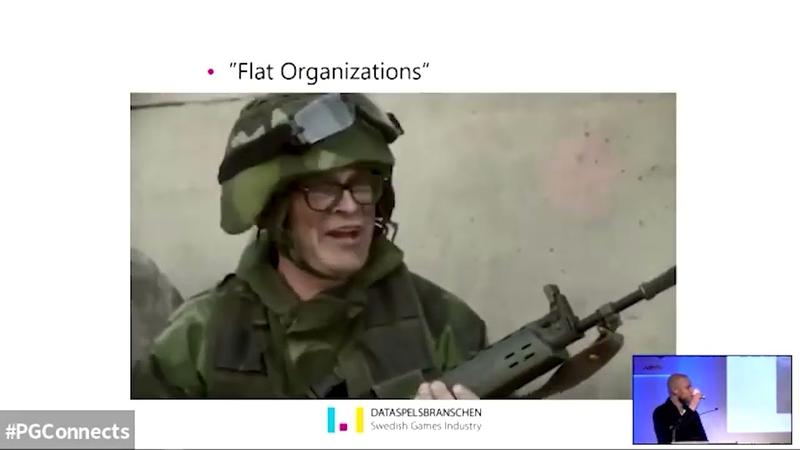
Superstar Session: A Hot Nordic? How they Succeed & What’s to Come
The Swedish and Finnish games industries have evolved into global powerhouses, with the Nordic region now generating 3.3 billion euros in annual revenue.
- The Nordic games industry now generates 3.3 billion euros in annual revenue, officially surpassing traditional regional export sectors like iron ore, pulp, and heavy vehicle manufacturing.
- Success is driven by a diverse portfolio that spans mobile casual hits like Candy Crush to major AAA and indie titles such as Minecraft and Valheim.
- The Nordic 'born global' mindset is reinforced by a lack of television dubbing, which facilitates early English proficiency and an immediate international market orientation.
Will You Snail Original Soundtrack! - Full Album
The original soundtrack for the indie game Will You Snail serves as a thematic extension of the title’s core narrative, blending electronic composition with existential lyrical content.
- The Will You Snail soundtrack is licensed for both commercial and non-commercial use on social media, provided the music is integrated into derivative works rather than reuploaded as standalone content.
- To facilitate community engagement and remixing, the project provides public access to original stems and MIDI files.
- The album features electronic compositions by Jonas Tyroller, mastered by Jodhi Mather-Pike, with vocal contributions from Jason Hanes.

Why audio advertising is the new frontier with Wilfrid Obeng from AudioMob
Audio advertising represents an emerging frontier in mobile gaming, offering a non-intrusive alternative to traditional visual formats.
- Audio advertising in mobile games has demonstrated a 2,000 percent increase in engagement compared to standard banner ads.
- AudioMob’s technology integrates ads into game environments by monitoring device volume thresholds and offering in-game rewards to users who unmute.
- The platform is currently utilized by over 50 game development studios, scaling from indie projects to titles with 50,000 to 100,000 daily active users.
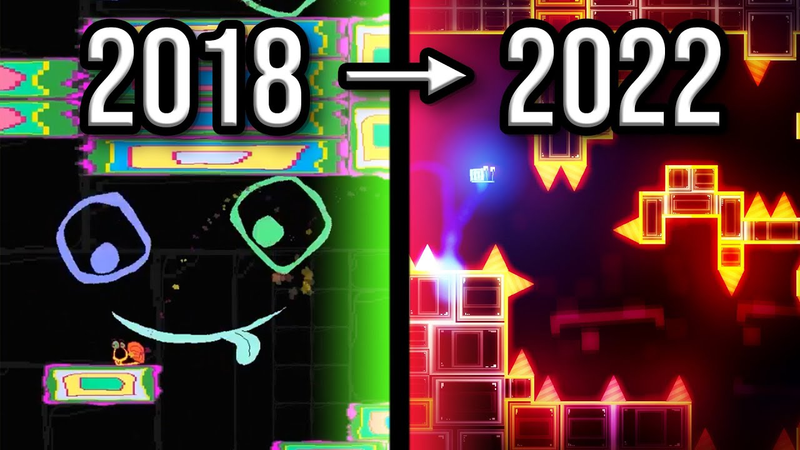
4 Years of Game Development | Making of Will You Snail?
The development of the indie platformer Will You Snail? spans a four-year journey, chronicling the transition of a side project into a fully realized commercial title.
- The development of Will You Snail? spanned four years, evolving from a side project into a multi-platform commercial title released on PC, Nintendo Switch, PlayStation, and Xbox.
- The core gameplay mechanic utilizes an artificial intelligence that predicts player movement to dynamically place obstacles, specifically designed to increase watchability for streamers and content creators.
- Managing the production of over 1,500 voice lines proved to be a significant logistical challenge, with the actual time required for recording and editing far exceeding the initial two-day estimate.
"Solo Game Dev Sucks" (Chat With Indie Game Developer Jonas Tyroller)
Solo game development presents a complex paradox where the freedom of creative expression is frequently offset by significant operational inefficiencies and psychological strain.
- Solo development often leads to operational inefficiencies and compromised quality due to the burden of mastering disparate disciplines like programming, art, and marketing.
- Transitioning to small, specialized partnerships using revenue-sharing models is a more sustainable strategy for mitigating financial risk and distributing workloads.
- Developers must adopt an entrepreneurial mindset by using social media platforms as alpha testing environments to validate core game hooks before full-scale production.

Make A Gorgeous 3D Game w/ NO MODELS OR TEXTURES (FAST!)
This tutorial outlines a streamlined workflow for developing a 3D narrative game in Unity without the need for external 3D modeling software or complex texture assets.
- Developers can create professional-looking 3D narrative prototypes in under one hour by utilizing Unity’s native primitive shapes instead of external 3D models.
- Atmospheric cohesion is achieved by prioritizing lighting, fog, and consistent color palettes over high-fidelity textures or complex assets.
- Unity’s built-in terrain tools, cylinders, and spheres serve as effective stand-ins for environmental assets like trees and rocks.

Dealing With Haters & Bad Reviews As A Game Dev
Managing negative feedback and online criticism is a critical component of building a sustainable career as an indie game developer and content creator.
- Detach personal self-worth from public opinion to maintain the creative independence necessary for long-term professional growth.
- View negative feedback as a byproduct of increased visibility and audience reach rather than a personal failure.
- Protect mental health by limiting exposure to comments or ignoring them entirely after performing an initial safety and error check.