indie
CompanyUnited States
Documents about indie

Why Everyone Wants To Make Games But Nobody Does (My Response to @Space Dodo)
The primary barrier preventing aspiring developers from releasing games is not a lack of technical skill or access to tools, but rather personal insecurity.
- The primary obstacle to releasing games is personal insecurity rather than a lack of technical skill or access to development tools.
- Developers should leverage external resources like the Unity Asset Store or TurboSquid to fill creative gaps rather than attempting to build every component from scratch.
- Comparing indie projects to AAA titles with massive funding is a flawed metric; success should instead be benchmarked against other indie games with similar budget constraints and scope.

We Made a Co-Op Barcode Scanner Game!
The development of a cooperative space-themed game using barcode scanners as the primary input device demonstrates the feasibility of rapid prototyping within a constrained 24-hour timeframe.
- Barcode scanners function as standard USB keyboard inputs, allowing developers to integrate physical, room-scale interactions into digital game engines without complex custom drivers.
- Rapid prototyping within a 24-hour window is sufficient to create a high-engagement cooperative experience when using unconventional, tactile input methods.
- The gameplay loop relies on translating physical barcode scans into text strings, which the engine interprets as specific commands for system management and resource collection.
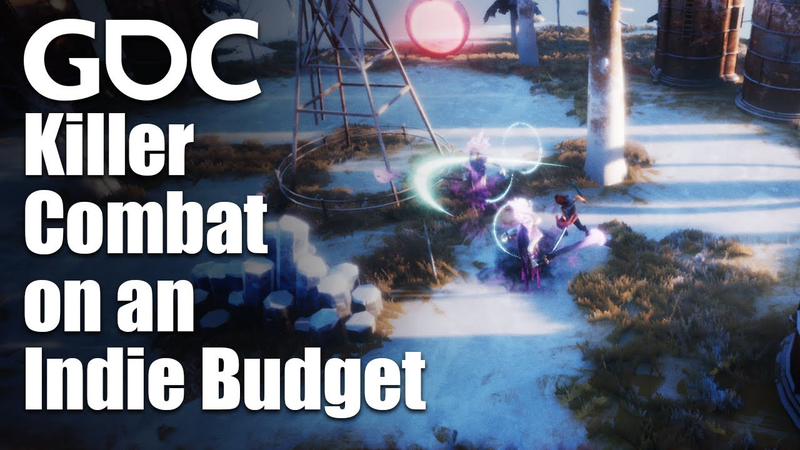
Dreamscaper: Killer Combat on an Indie Budget
Developing a high-quality combat system within the constraints of an indie budget requires a disciplined focus on core design pillars and iterative refinement.
- Define core design pillars early—such as 'purposeful action' and 'tough but fair'—to guide development and ensure combat systems remain focused on player strategy rather than RNG.
- Invest in hit reactions and state machines to add depth without increasing player complexity, as these provide critical feedback that makes combat feel responsive and interactive.
- Implement a 'hit stop' system that freezes the attacker and target for approximately 115 milliseconds (7 frames) upon impact to create a visceral, satisfying sense of weight in combat.

How I Recovered From Quitting My Game ($50,000 Spent)
The development of an indie game titled Father, a horror-themed first-person shooter, serves as a case study for the psychological and professional challenges inherent in independent game production.
- A developer abandoned a $50,000, six-month indie horror project due to personal insecurity and imposter syndrome after an initial publisher rejection.
- The developer's attempt to pivot to a 'marketable' project failed to resolve creative dissatisfaction, proving that chasing perceived market trends is not a substitute for authentic creative vision.
- Revisiting the original project after a period of detachment allowed the developer to objectively validate the game's core value and potential.

Finding Success with a Sex-Positive Game Hook Up
The premium mobile title Hook Up serves as a case study for the viability of sex-positive, narrative-driven games within the indie market.
- The premium mobile game Hook Up achieved the number one spot on the iOS paid charts by targeting niche audiences through viral TikTok campaigns and Pride Month promotions.
- The game’s success demonstrates that mature, sex-positive narrative content can outperform sanitized, mass-market alternatives despite initial publisher skepticism regarding its premium pricing model.
- The core gameplay mechanic—drafting and curating messages to reflect internal filters—successfully monetized the tension between intimacy and digital isolation.
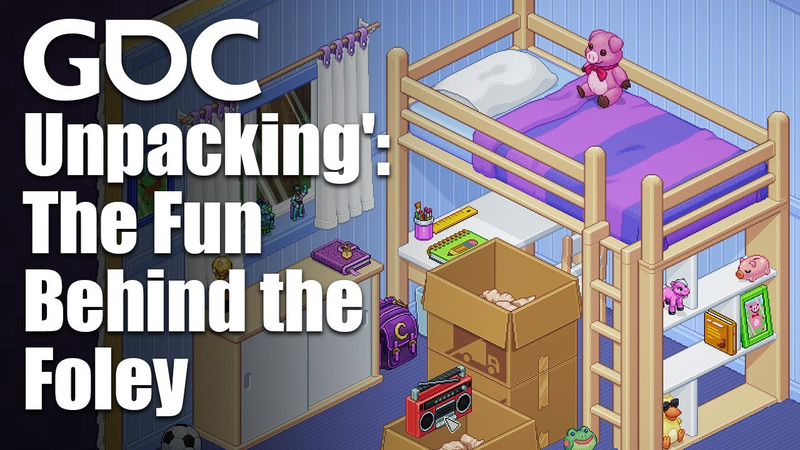
'Unpacking': The Fun Behind the Foley
The production of Unpacking necessitated a sophisticated approach to foley design, driven by the requirement for hyper-realistic audio feedback across thousands of interactive objects.
- The development of Unpacking required the creation of 14,000 individual audio files to achieve hyper-realistic foley feedback across thousands of interactive objects.
- The team utilized Reaper for a high-efficiency workflow, employing custom scripting and dynamic splitting to process over 13,000 files rapidly.
- A centralized database managed via Google Sheets integrated directly with Unity and Wwise to enable real-time asset validation and global processing, such as resonance smoothing.
5 Steps To Gorgeous Game Art
Achieving high-quality game aesthetics is a strategic endeavor that relies on fundamental design principles rather than raw artistic talent.
- High-quality game aesthetics are achieved through strategic design principles rather than raw artistic talent, allowing indie developers to prioritize intentionality over high-fidelity assets.
- Using established color harmonies—such as complementary, triadic, or analogous schemes—creates visual appeal that is naturally processed by the human eye.
- Scenes should be constructed as coherent compositions of basic shapes like squares, circles, and triangles before any complex details are added.
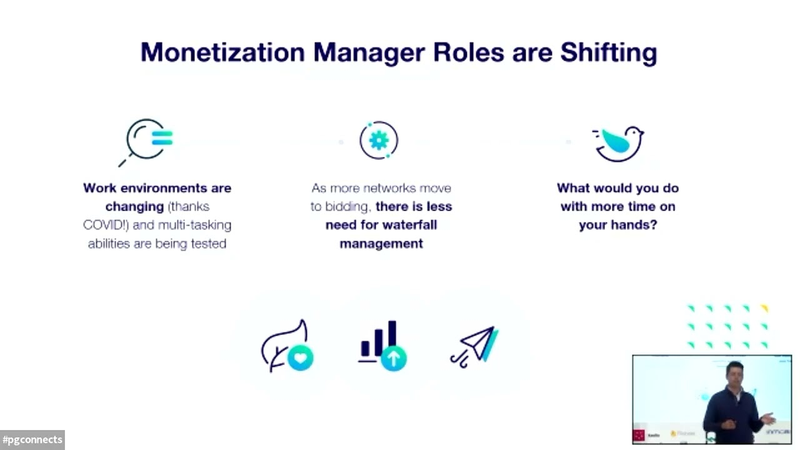
Superstar Session: Practically Personalized – Building Experiences Beyond Ad Monetization
The mobile app monetization landscape is undergoing a significant transition, moving away from manual waterfall management toward automated bidding and personalized user experiences.
- The mobile monetization landscape is shifting from manual waterfall management to automated bidding, requiring growth managers to focus on strategic audience segmentation rather than operational tasks.
- The deprecation of Apple’s Identifier for Advertisers (IDFA) has made the collection of first-party data the primary requirement for maintaining effective ad targeting and user personalization.
- Developers are increasingly using gamification tactics, such as offering in-game currency or ad-free periods, to incentivize users to share the first-party data necessary for segmentation.
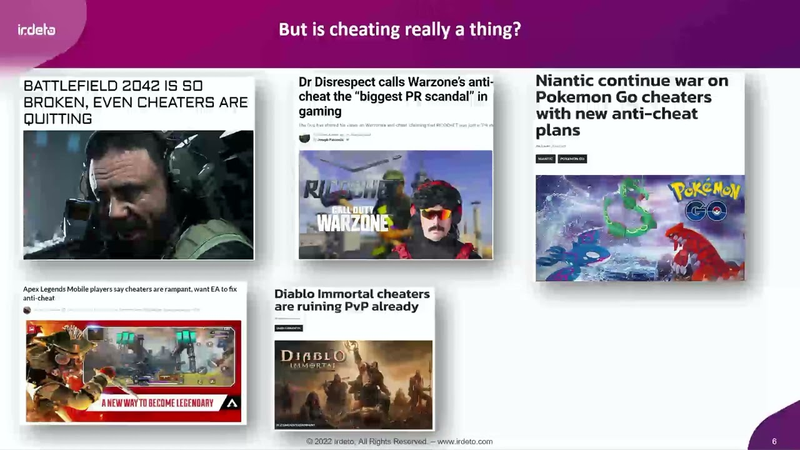
What’s the Industry Perception of Cheating, Tampering, & Piracy?
The industry perception of cheating, tampering, and piracy reveals a significant disconnect between the prevalence of these threats and the adoption of protective measures among game developers.
- Over 70% of developers identify revenue loss as the primary risk of tampering and piracy, while 69% cite cheating as a direct driver of long-term financial decline due to reduced user engagement.
- Technical analysis of the top 50 games on the Google Play Store reveals that the vast majority are susceptible to cracking, with modified versions frequently available on unauthorized sites that bypass in-app purchases and ads.
- Data from 10,000 global players confirms that 60% have witnessed cheating, with a significant portion reporting a subsequent loss of interest in the game, negatively impacting player retention and lifetime value.
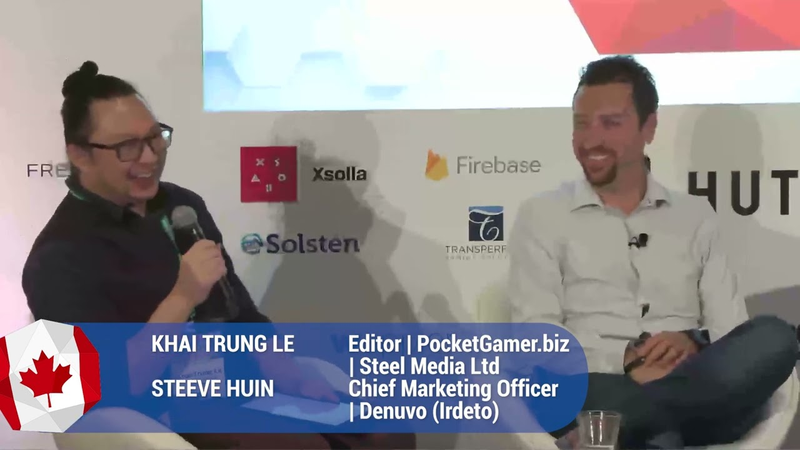
Fireside Chat: Why Protecting an Indie Game Is Easier – & Cheaper – Than You Think?
The gaming industry faces a persistent challenge regarding the protection of intellectual property and the integrity of user experiences against piracy and cheating.
- Protecting games against cheating and piracy can increase revenue by 20 to 30 percent by securing both initial sales and long-term in-game monetization.
- Approximately 80 percent of players abandon multiplayer games once they perceive that cheating has compromised the fairness of the environment.
- Implementing robust security solutions can delay day-zero cracks by an average of six months, providing a significant window of protected market access.

Should You Give Up On Game Dev?
The question of whether to pursue a career in indie game development often stems from a crisis of identity, where creators feel their passion has diminished or their creative output no longer meets their own high expectations.
- Decouple your professional output from your personal identity to prevent burnout and the stifling pressure of treating projects as 'idols'.
- Recognize that feelings of diminished creativity are often a sign of professional maturation and increased critical standards rather than an actual loss of skill.
- Take a sabbatical from development to gain the necessary distance to determine if your passion for the craft remains genuine.
The Stuff Nobody Tells You About Game Development
The development of independent video games is characterized by significant psychological and technical hurdles that often lead to project abandonment.
- Building a direct email list by offering free demos is the most effective strategy for ensuring a successful launch, as it allows developers to bypass third-party platform dependencies and coordinate mass engagement.
- Indie game projects frequently fail due to 'feature creep,' where developers add unnecessary, complex mechanics to compensate for insecurity, leading to project abandonment.
- Game development timelines are inherently unpredictable because minor adjustments to internal systems often trigger cascading technical failures.