Gram Games
Company
Documents about Gram Games
Zynga's Acquisition Strategy: Reshaping Its Portfolio for Future Growth
Zynga’s recent acquisition strategy, highlighted by the purchases of Peak Games’ casual card portfolio and Gram Games, serves as a critical mechanism for revitalizing the company’s revenue growth.
- Zynga's acquisitions of Gram Games ($250 million) and Peak Games' casual card portfolio ($100 million) are critical growth drivers, contributing 23% of the company's total mobile bookings in 2Q18.
- Gram Games' title 'Merge Dragons!' has become Zynga's third highest-grossing app, despite launching only in June 2017, and exhibits strong international appeal with 50% of its revenue generated outside the U.S.
- The acquisition of Gram Games was valued at approximately 2.6x annual sales, justified by a 150% quarter-over-quarter revenue growth rate for the studio's titles in 1Q18.
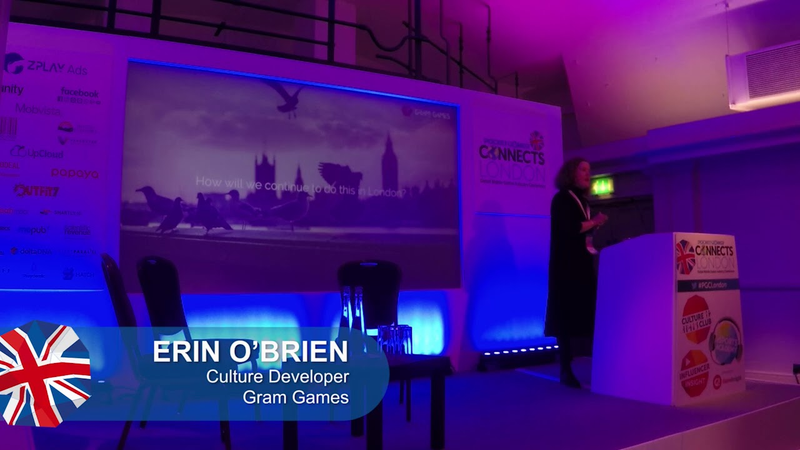
Prototyping and production process – The core of the Gram Games company culture
Gram Games, a mobile game developer with offices in London and Istanbul, maintains a unique organizational philosophy that treats company culture as a product requiring constant iteration, bug-fixing, and development.
- Gram Games treats its organizational culture as a product that requires constant iteration, bug-fixing, and development to maintain a high-performing environment.
- The company operates on a flat organizational structure that removes traditional management hierarchies in favor of data-driven and evidence-based decision-making.
- Operational success is built on five core tenets: a flat structure, constant iteration, a familial environment, a commitment to learning from mistakes, and transparent communication.
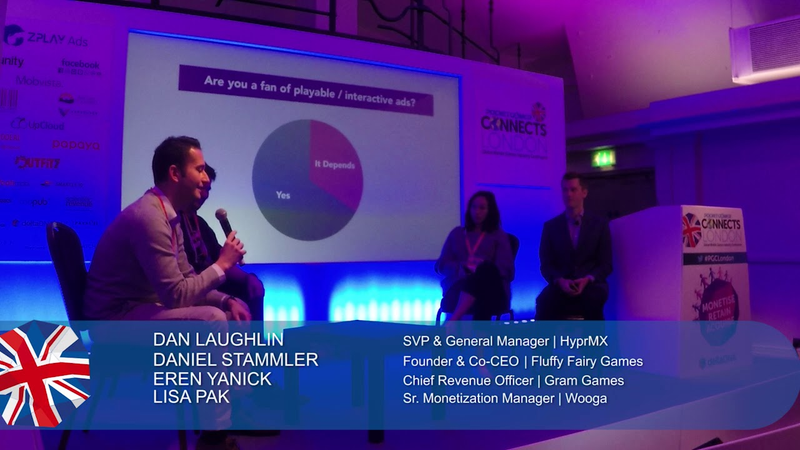
Monetisation revealed – stories and data behind ad revenue success
This panel discussion explores mobile game monetization strategies, focusing on the balance between ad revenue and user experience.
- Prioritize long-term player retention over short-term revenue gains by ensuring monetization strategies are deeply integrated into the core game loop.
- Implement only voluntary, opt-in ad formats, such as rewarded videos, to avoid the negative impact on user experience associated with intrusive interstitials.
- Utilize multiple ad networks through mediation rather than relying on a single source to ensure competitive bidding, higher fill rates, and better ad quality.
Merge Town: Rise of Hyper Casual
The rise of hyper-casual gaming represents a significant shift in mobile game design, prioritizing video ad-driven monetization over traditional in-app purchase models.
- Hyper-casual games like Gram Games' 'Merge Town' prioritize immediate monetization through video ads, allowing for early optimization of user acquisition campaigns compared to traditional IAP-heavy titles.
- Merge Town successfully integrates an idle game economy with a matching mechanic, replacing the repetitive 'tap-tap-tap' gameplay of earlier titles with a more engaging core loop.
- The game utilizes four primary video ad integrations—Welcome Back bonuses, upgrade rewards, and two-hour production boosts—to drive high ad-view volume per daily active user (DAU).
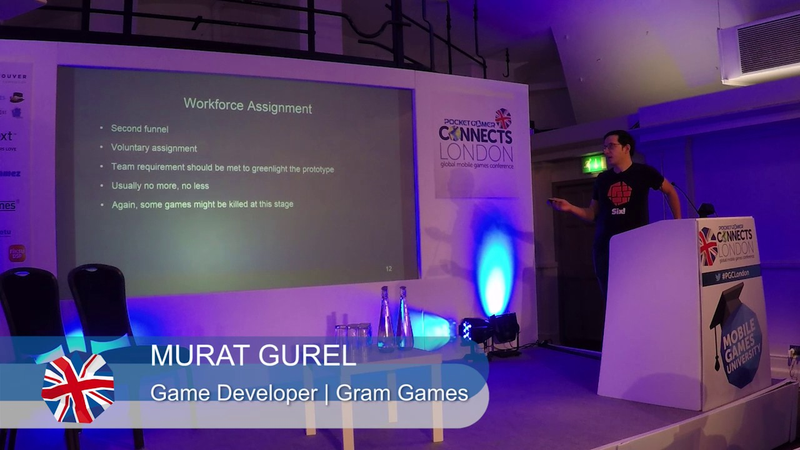
Making a global hit - The road to Six!
Gram Games utilizes a structured, rapid prototyping methodology to identify and develop global mobile gaming hits, as evidenced by the success of titles like Six!, Merged, and 1010!.
- Gram Games validates potential hits by targeting a day-one retention rate of 40% to 45% during a 'fake launch' phase on app stores.
- The studio enforces a strict two-day time limit for all prototypes to prioritize core gameplay mechanics over high-fidelity art or complex animations.
- Development teams are formed voluntarily and must include at least one developer and one artist to ensure the production of a functional, playable demo.
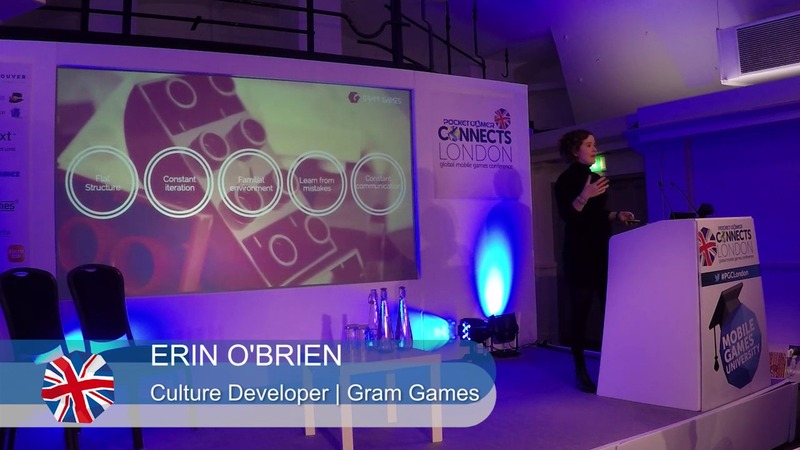
Developing culture as product: How Gram Games sets itself apart
Gram Games operates on the core thesis that organizational culture should be treated as a live, iterative product rather than a static set of rules.
- Gram Games treats organizational culture as a live, iterative product by applying the same rigorous development and maintenance cycles used in their game production.
- The company utilizes a flat organizational structure that replaces traditional hierarchies with fluid responsibilities to encourage innovation and agility.
- To foster creative risk-taking, the studio mandates weekly prototype days where all employees, regardless of role, pitch and develop new game concepts.

Gram Games on its open company culture and prototype Fridays
Gram Games, a developer known for puzzle titles like 10/10 and Merged!, is currently undergoing a strategic expansion by establishing a new studio in London.
- Gram Games is expanding beyond its Istanbul-based ad-driven puzzle roots by opening a London studio focused on mid-core, strategy-management, and IP-based titles.
- To maintain its flat organizational culture during international expansion, the company is relocating core team members from Istanbul to London to serve as cultural ambassadors.
- The studio fosters innovation through 'prototype Fridays,' a weekly initiative that allows employees of any job title to experiment with new game concepts.
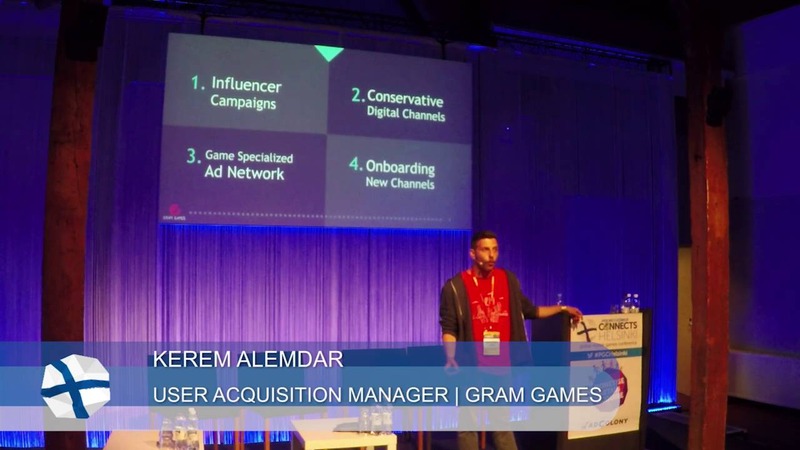
How Gram Games evolved its UA strategy to maintaining momentum for its existing games
Gram Games’ user acquisition strategy centers on the iterative evolution of marketing tactics to maintain momentum for mobile titles, specifically transitioning from aggressive burst campaigns to sustainable, data-driven always-on models.
- Always-on UA campaigns outperformed burst campaigns, delivering 20 million installs over two months while simultaneously reducing effective CPI by 10%.
- Burst campaigns can negatively impact long-term metrics; an initial burst campaign for '1010!' increased DAU by 30% but caused a 30% decrease in user lifetime value due to an over-reliance on incentivized traffic.
- Dedicate at least 20% of the total marketing budget to testing new ad networks and inventory sources to avoid exhausting the potential of existing channels.
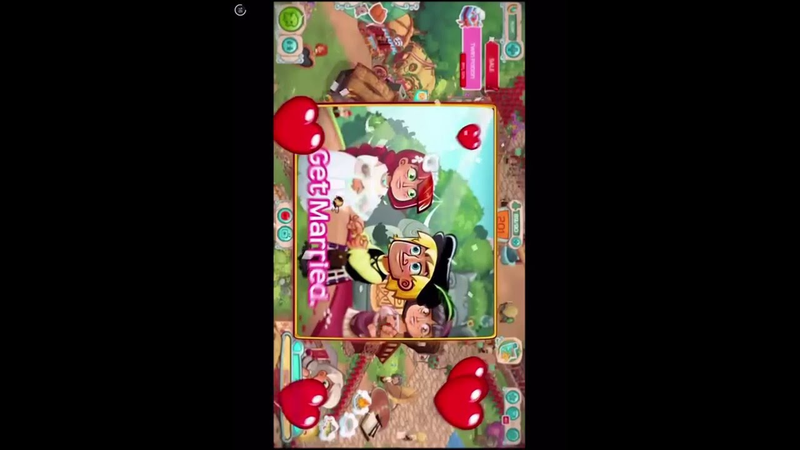
How not to integrate video ads - part 2
Poorly executed ad integration strategies significantly degrade the user experience in mobile gaming, particularly when developers fail to distinguish between rewarded video ads and intrusive, forced interstitials.
- Forced, non-rewarded interstitial ads triggered immediately upon player failure disrupt gameplay flow and negatively impact user retention.
- Effective monetization requires a value-exchange model, such as rewarded video ads that offer players tangible progress or in-game currency in return for their time.
- Technical implementation failures, such as displaying landscape-oriented ads within a portrait-mode interface, degrade the professional quality of the user experience.

UK Tax Strategy: FY2026
Take-Two Interactive Software establishes its comprehensive tax strategy for the fiscal year ending March 31, 2026, specifically addressing the operations of its UK-based subsidiaries.
- Take-Two Interactive has formalized its FY2026 UK tax strategy to ensure compliance with Schedule 19 of the Finance Act 2016 across all local operations.
- The strategy mandates that all intra-group transactions are conducted on an arm’s length basis to reflect commercial reality while utilizing available tax credits.
- Governance is overseen by senior personnel and the Chief Financial Officer, supported by external professional advice to manage complex international tax positions.