
ArticleSuperJoost
The Cards Hold the Future: Some Things Change; Others Stay the Same
10 Feb 2022~13 min full read
This analysis examines the intersection of traditional gaming, emerging revenue models, and the burgeoning market for digital collectibles. The central thesis posits that the historical success of physical collectible card games (CCGs) and comic books serves as a reliable roadmap for the future of digital ownership and Web3 integration. By observing how novel mechanics—such as those in massively multiplayer online games or battle royales—initially face skepticism before achieving mainstream dominance, the text argues that the current shift toward blockchain-enabled gaming follows a well-established industry pattern of gradual adoption followed by rapid expansion.
The scope of the data focuses primarily on North American market performance during the 2021–2022 period, covering industry segments including mobile gaming, traditional publishing, and hobby collectibles. Key statistics highlight a robust appetite for collectibles: the North American collectible games market reached $2.9 billion in 2021, representing 216% growth since 2014. Furthermore, comic book and graphic novel sales surged 65% year-over-year to $2.1 billion. These figures are contrasted against a volatile financial landscape where major publishers like Sony, Nintendo, and Activision Blizzard reported earnings below estimates, even as digital engagement metrics on platforms like Steam and Twitch showed double-digit growth.
The methodology relies on a synthesis of financial reporting, market surveys of adult consumers, and correlation analysis between cryptocurrency values and collectible card price indices. It concludes that while the "crypto winter" and macroeconomic pressures like inflation create short-term volatility, the long-term trajectory of the industry favors digital distribution and sustainable ownership models. The findings suggest that successful transition requires a measured approach—similar to Take-Two’s shift to 88% digital bookings—rather than haphazardly chasing speculative trends. Professional success in this evolving landscape will likely depend on a game’s ability to maintain player retention and intrinsic value beyond mere financial speculation.
SuperJoost · 2026

SuperJoost · 2026
SuperJoost · 2026
SuperJoost · 2026
SuperJoost · 2026
SuperJoost · 2026
SuperJoost · 2026

SuperJoost · 2026
SuperJoost · 2026
SuperJoost · 2026
SuperJoost · 2026
SuperJoost · 2026
Newzoo & Tebex · 2025
Mistplay · 2024

Mistplay · 2024
GameRefinery · 2023
Liftoff · 2023
Newzoo · 2022

GameRefinery · 2021
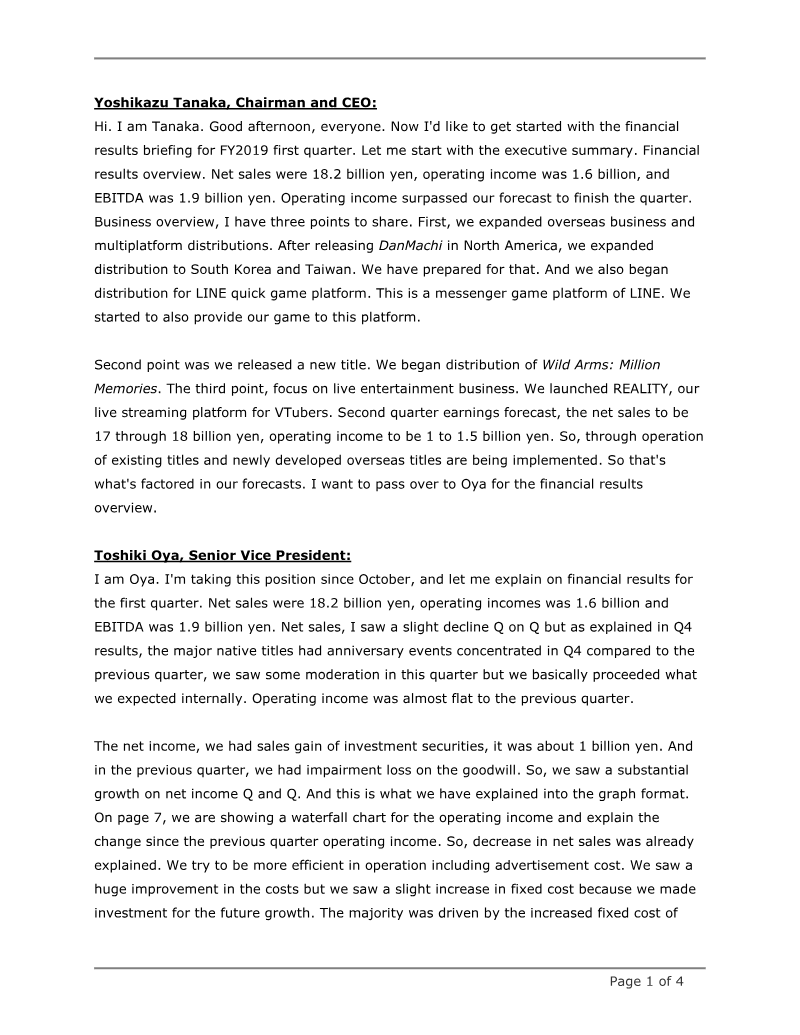
GREE

Almedia · 2026
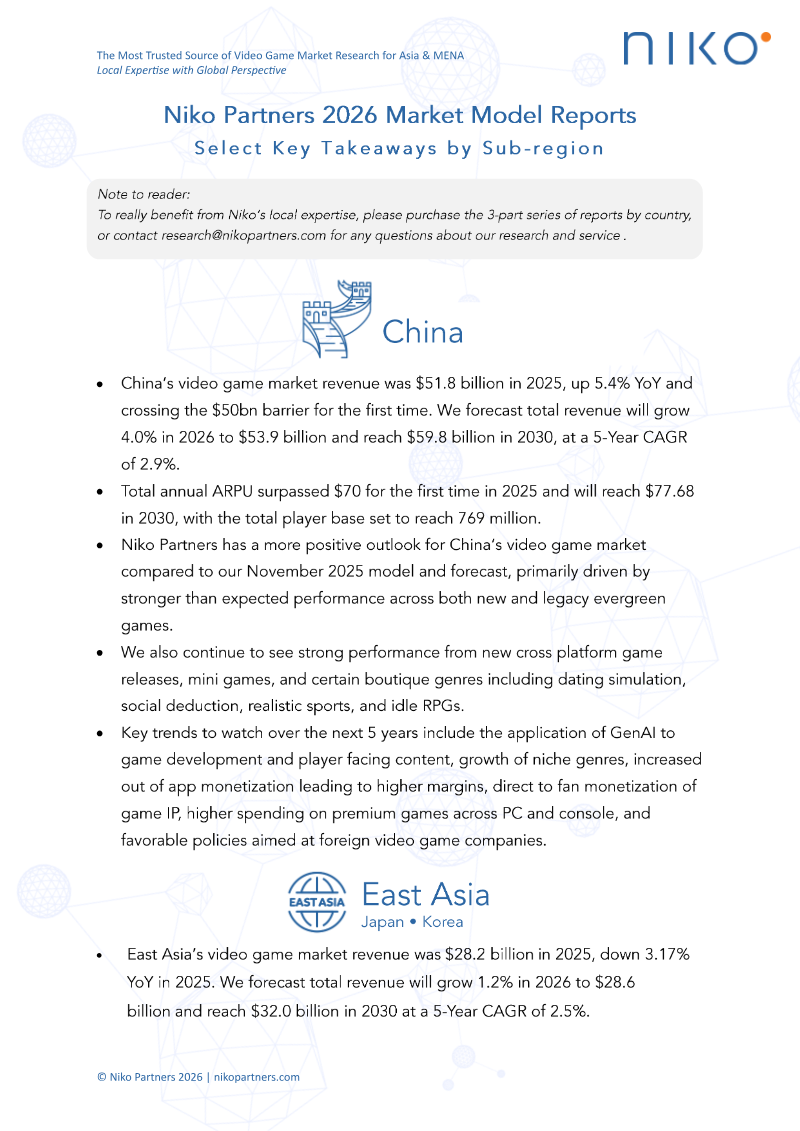
Niko Partners · 2026

Gamesight · 2026

Sensor Tower · 2026