1 free read left. Create a free account for unlimited reading + AI research.
Create free accountArticle Hit Points
1 free read left. Create a free account for unlimited reading + AI research.
Create free accountArticleHit Points
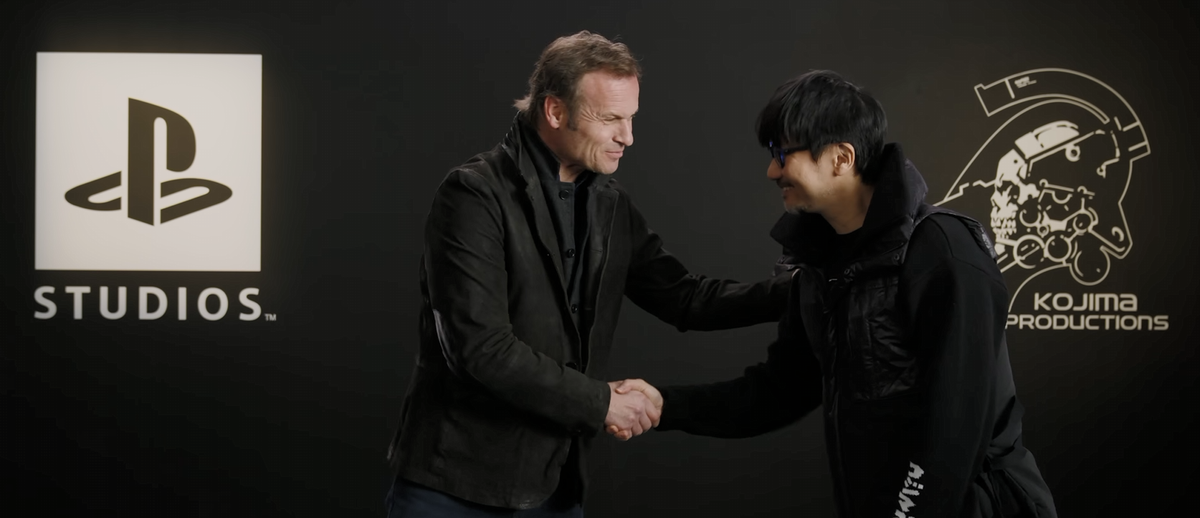
The gaming industry experienced a period of intense consolidation and volatility in early 2022, characterized by high-profile acquisitions and shifting corporate strategies. The primary focus centers on Sony’s $3.6 billion acquisition of Bungie, a move interpreted not as a purchase of existing intellectual property, but as a strategic investment in live-service expertise. Sony aims to leverage Bungie’s experience to support its goal of launching ten live-service titles by March 2026, addressing a significant gap in its internal development capabilities.
Data from the period highlights the rapid acceleration of industry M&A activity, with the value of deals announced in January 2022 alone surpassing the total recorded for the entire year of 2021. This trend is accompanied by broader market shifts, including the New York Times’ acquisition of the viral game Wordle and the Federal Trade Commission’s decision to investigate Microsoft’s proposed purchase of Activision Blizzard. Meanwhile, the industry faced significant pushback regarding blockchain integration; Team 17 abandoned its Worms NFT project following severe community and partner developer backlash, and other major publishers began to temper their public enthusiasm for similar technologies.
The analysis underscores a period of transition where traditional publishers are struggling to balance legacy business models with the demands of "forever games." Financial performance remains uneven, as evidenced by Electronic Arts lowering its revenue forecasts by $100 million due to the underperformance of Battlefield 2042. Ultimately, the industry is characterized by a frantic race for scale and expertise, with major players attempting to secure their positions through aggressive acquisitions while navigating increasing regulatory scrutiny and consumer resistance to emerging monetization trends.
Hit Points · 2026
Hit Points · 2026

Hit Points · 2026
Hit Points · 2026
Hit Points · 2026

Hit Points · 2026

Hit Points · 2026
Hit Points · 2026
Hit Points · 2026
Hit Points · 2026
Hit Points · 2026
Hit Points · 2026
PocketGamer.biz · 2025