Activision
CompanyUnited States
Documents about Activision

A Little Perspective
Microsoft’s recent financial results for the quarter ending December 31, 2021, provide critical context for the company’s aggressive acquisition of Activision Blizzard.
- Microsoft’s gaming revenue grew by only 8% in the quarter ending December 31, 2021, despite the full-quarter availability of the Xbox Series X and S consoles.
- Xbox hardware sales rose by just 4% year-on-year for the same quarter, a disappointing result given that the consoles were supply-constrained for most of the prior year's launch quarter.
- Microsoft’s $70 billion acquisition of Activision Blizzard is driven by a need to close a significant competitive gap, as Xbox continues to trail its rivals in both hardware market share and subscription scale.

Reasons to be Cheerful
The acquisition of Activision Blizzard by Microsoft for $68.7 billion represents a significant turning point for the industry, offering a potential path toward organizational reform and creative revitalization.
- Microsoft’s acquisition of Activision Blizzard for $68.7 billion will result in the immediate departure of CEO Bobby Kotick and a significant restructuring of the company's leadership and corporate culture.
- The acquisition provides an opportunity to move away from the 'hit factory' model that prioritized annual Call of Duty releases, potentially allowing support studios like Raven and Toys for Bob to pursue more creative projects.
- Blizzard is expected to shift away from strict milestone-driven development toward more patient, quality-focused production methods, similar to its historical approach during the development of titles like Overwatch.
The Morning After
The January 2022 acquisition of Activision Blizzard by Microsoft for $68.7 billion represents a transformative moment in the gaming industry, signaling a shift toward extreme market consolidation.
- Microsoft announced the acquisition of Activision Blizzard for $68.7 billion, a deal that signals a massive shift in industry power and consolidation.
- The acquisition process is expected to take up to 18 months to finalize, with the consensus being that Activision CEO Bobby Kotick will depart once the deal closes.
- Microsoft’s move highlights a growing trend where traditional game publishers struggle to compete with the scale and resources of tech giants like Apple, Tencent, and Amazon.
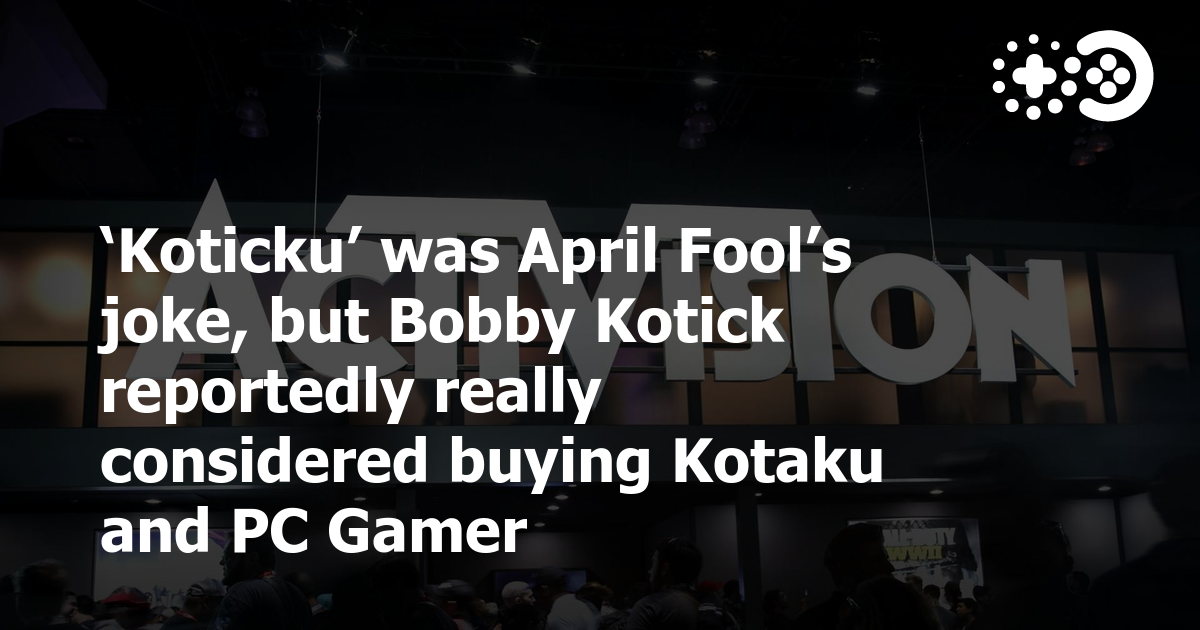
Bobby Kotick Reportedly Considered Buying Kotaku and PC Gamer
Reports indicate that former Activision Blizzard CEO Bobby Kotick previously explored the acquisition of major gaming media outlets, specifically Kotaku and PC Gamer.
- Italy's antitrust regulator, AGCM, has launched an investigation into Activision Blizzard over concerns that 'Diablo Immortal' and 'Call of Duty Mobile' utilize 'dark patterns' to manipulate consumer spending.
- The Italian investigation is examining whether the games' UI design misleads users regarding the actual cost of in-game currency and if notifications urging the purchase of limited-time items are deceptive.
- Regulators are scrutinizing the default parental control settings in these mobile titles, specifically citing concerns over unrestricted purchasing, unlimited playtime, and unmonitored social interactions for minors.
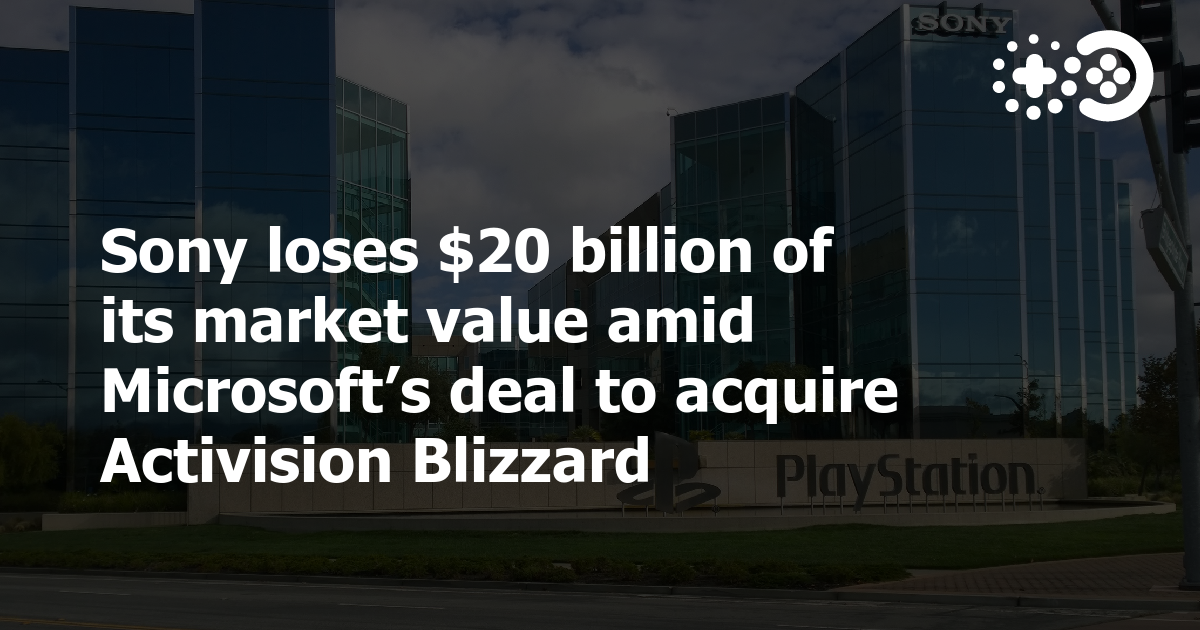
Sony Loses $20 Billion of Its Market Value Amid Microsoft’s Deal to Acquire Activision Blizzard
The announcement of Microsoft’s intent to acquire Activision Blizzard for $68.7 billion triggered a significant negative reaction in the financial markets regarding Sony’s competitive standing.
- Following Microsoft's announcement of its $68.7 billion acquisition of Activision Blizzard, Sony's market value dropped by $20 billion.
- Sony shares fell nearly 13% on January 19, 2022, marking the company's largest single-day share price decline since October 2008.
- The stock price dropped from ¥14,230 ($124.25) to ¥12,410 ($108.36) in a single day as investors expressed concerns over Sony's ability to compete with Microsoft's spending power on intellectual property.
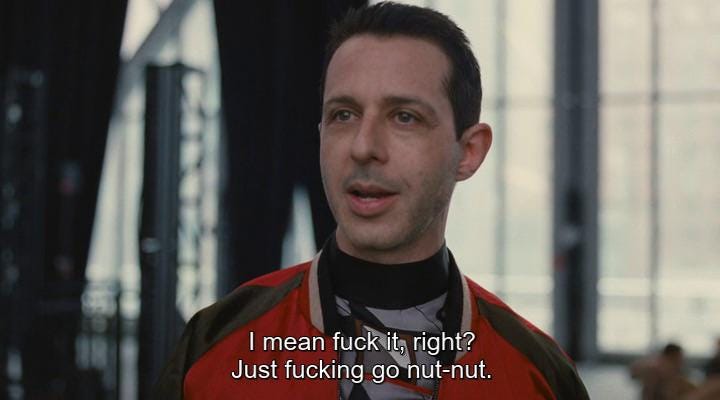
Gigaton: Microsoft's Acquisition of Activision Blizzard
Microsoft’s $68.7 billion acquisition of Activision Blizzard represents a significant escalation in the ongoing trend of industry consolidation.
- Microsoft announced the acquisition of Activision Blizzard for $68.7 billion, a move that provides immediate access to a vast library of intellectual property and a significant foothold in the mobile gaming market via King.
- The acquisition allows Microsoft to integrate a deep back catalogue of dormant franchises—such as Tony Hawk’s Pro Skater, Spyro, and Project Gotham Racing—into its Game Pass subscription service.
- Activision Blizzard’s stock price had declined by over 30% in the 12 months leading up to the January 2022 announcement, likely influencing the timing of the deal.

Q3 Results: A Mixed Bag of Fortune
The financial performance of the video game industry during the third quarter of 2021 reflects a period of inconsistent growth and shifting profitability metrics.
- Sony led the industry in Q3 2021 with nearly $4 billion in software revenue, while Nintendo and Sony generated the highest net incomes at $887 million and $732 million, respectively.
- Nintendo maintains the highest profit efficiency with a 61% net income-to-total-sales ratio, significantly outperforming peers like EA, which saw its margin drop to 16% due to rising operational costs.
- EA demonstrated strong growth in Q3 2021, reporting a 27% increase in Live Services income and a 26% rise in full game sales, supported by record player engagement in Apex Legends.
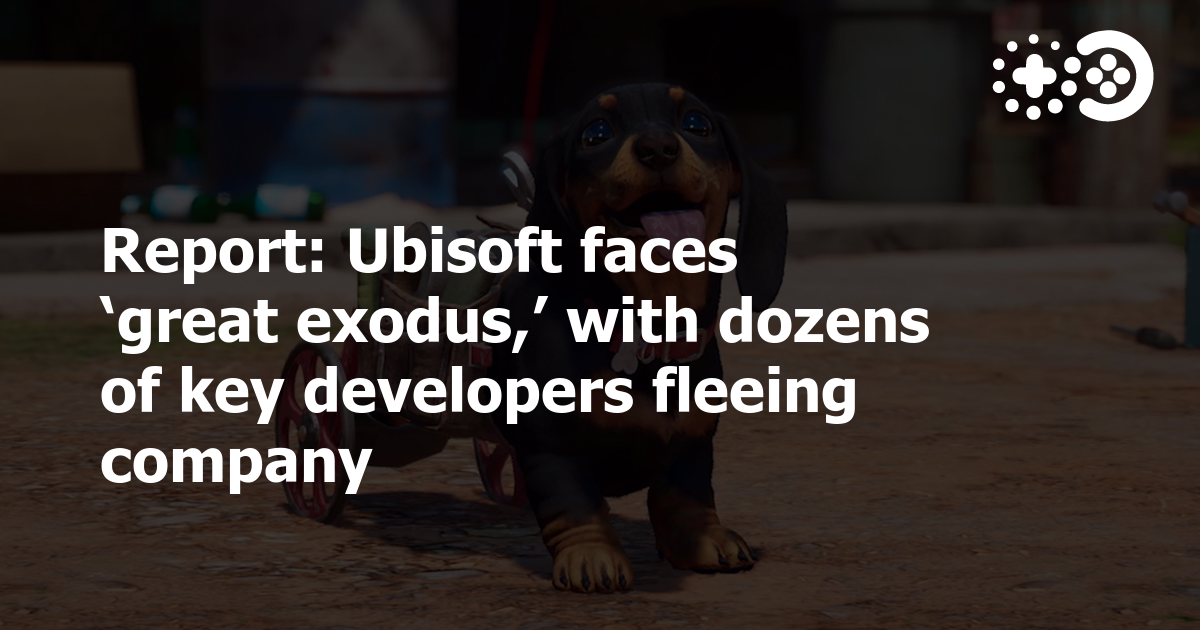
Ubisoft Faces ‘Great Exodus’
Ubisoft is currently experiencing a significant period of staff attrition, characterized by the departure of dozens of key developers who previously contributed to major AAA franchises such as Far Cry 6 and Assassin’s Creed Valhalla.
- Ubisoft is experiencing a significant loss of senior talent, with dozens of key developers from major franchises like Far Cry 6 and Assassin’s Creed Valhalla departing over an 18-month period.
- LinkedIn data indicates an attrition rate of 12% at Ubisoft, which is higher than industry peers like EA (9%) and Epic Games (7%), though lower than Activision Blizzard (16%).
- Departing employees cite low compensation and dissatisfaction with management’s handling of internal misconduct scandals as primary drivers for leaving.

Nothing for Money
The primary purpose of this analysis is to challenge the traditional view of video game reviews as consumer-focused buyer’s guides.
- The role of video game reviews has shifted from traditional buyer's guides to expert curation and analysis, remaining vital even as games become accessible via subscription services and free-to-play models.
- Ubisoft has entered the NFT market with the launch of its Quartz platform, facing significant public backlash despite the company's stated goal of energy-efficient implementation.
- Activision employees continue to hold walkouts in protest of recent layoffs within the Raven Software QA team.
Embrace Another Fall: What's Next for Europe
The primary thesis of this analysis is that the rapid, acquisition-fueled expansion of the Swedish gaming conglomerate Embracer Group has reached a breaking point, signaling a broader period of instability for the European games industry.
- Embracer Group’s rapid, acquisition-led expansion has failed, with the company’s total market value now roughly equal to the $2.75 billion it paid for Asmodee in 2021.
- European gaming firms face a massive capital disadvantage, attracting only $15.4 billion in investment from the world’s largest shareholders compared to $122 billion in the U.S. and $123 billion in Asia.
- The European gaming sector is experiencing widespread instability, evidenced by Ubisoft’s downturn, CD Projekt Red’s turnaround struggles, and the $776 million acquisition of Rovio by Sega.

Who Owns the Metaverse: Mostly Men, That's Who
This analysis examines the emerging leadership and ownership structures of the metaverse, arguing that the current trajectory mirrors the demographic and corporate imbalances of legacy tech and gaming industries.
- Leadership in the metaverse is heavily male-dominated, with only one woman holding a top position among the 41 companies in the Roundhill Ball Metaverse ETF (RBME).
- A broader analysis of 142 metaverse-related firms, including private entities like Epic Games, identified only seven women in leadership roles.
- Institutional ownership of the metaverse is highly concentrated, as Vanguard and BlackRock hold significant stakes in 36 and 34 of the 41 RBME portfolio companies, respectively.

Death of the Titans
The gaming industry is witnessing a potential decline in the influence and relevance of its largest traditional publishers, specifically Activision Blizzard, Ubisoft, and Electronic Arts.
- Major publishers including Activision, Ubisoft, and EA are experiencing a decline in influence and creative output, struggling to maintain their status as reliable hitmakers.
- Sales for the mainline Call of Duty franchise dropped 40% year-on-year as of November 2021, signaling a potential cooling of interest in established AAA franchises.
- EA’s Battlefield 2042 launched with significant technical issues and negative reception, highlighting the operational failures and lack of quality control currently plaguing major publishers.