
This analysis examines the emerging leadership and ownership structures of the metaverse, arguing that the current trajectory mirrors the demographic and corporate imbalances of legacy tech and gaming industries. The central thesis posits that while the metaverse is marketed as a revolutionary, democratic "epistemic space," it is currently being colonized by the same male-dominated executive class and institutional investors that govern existing social media and telecommunications verticals.
The scope of the data focuses on the 2021 landscape, specifically analyzing the Roundhill Ball Metaverse ETF (RBME), which tracks 41 companies deemed essential to metaverse development. Key findings reveal a stark lack of gender diversity: within the RBME portfolio, only one woman holds a top leadership position. When expanding the sample to Jon Radoff’s broader list of 142 metaverse-related firms, including private entities like Epic Games, only seven women are identified in leadership roles. Furthermore, institutional ownership remains concentrated among traditional giants; the Vanguard Group and BlackRock hold significant stakes in 36 and 34 of the 41 RBME firms, respectively.
The methodology relies on financial filings, ETF portfolio compositions, and industry leadership tracking to conclude that the "meta-marketplace of ideas" is currently being built without a broad set of diverse experiences. The analysis suggests that legacy game makers and tech conglomerates—such as Activision Blizzard, Take-Two, and Microsoft—may struggle to innovate due to executive dysfunction or a preference for acquisitions over organic growth. Ultimately, the findings warn that without a deliberate shift toward inclusive design and leadership, the metaverse risks replicating the toxic cultures and exclusionary practices of the industries from which it springs.

SuperJoost · 2026

SuperJoost · 2026
SuperJoost · 2026
SuperJoost · 2026

SuperJoost · 2026

SuperJoost · 2026
SuperJoost · 2026

SuperJoost · 2026

SuperJoost · 2026
SuperJoost · 2026

SuperJoost · 2026
SuperJoost · 2026
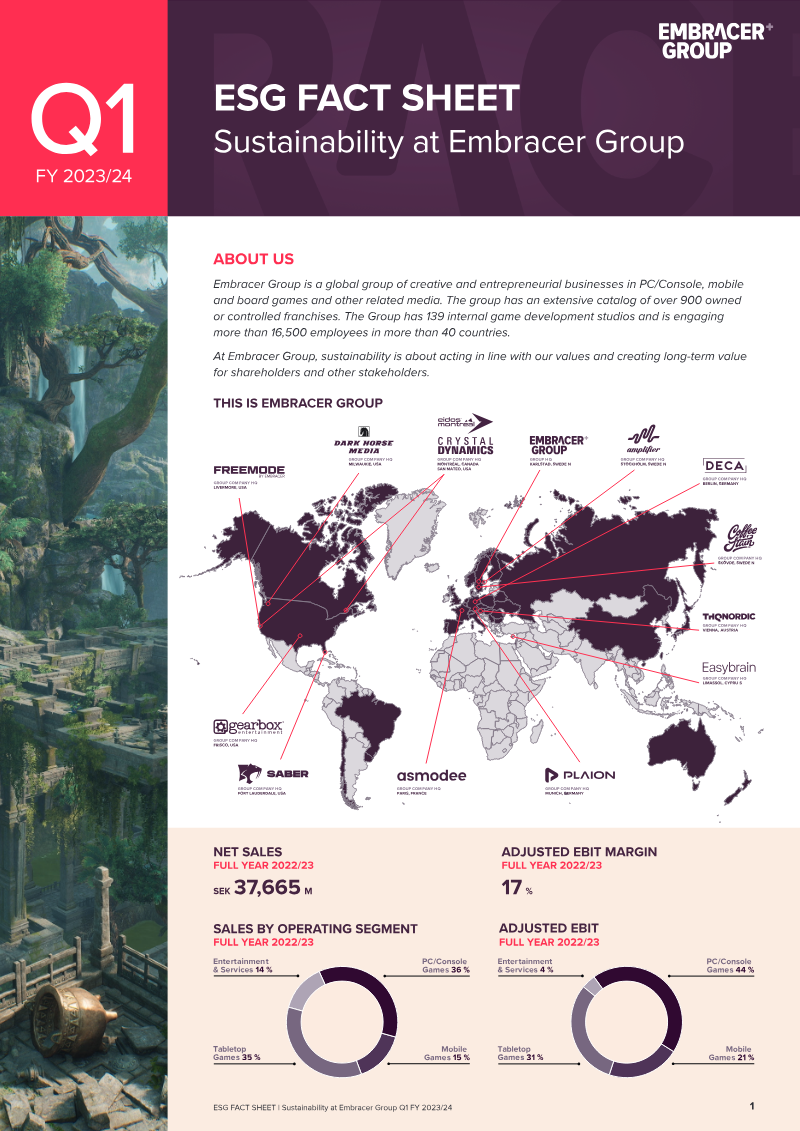
Embracer Group · 2024
Thunderful · 2024
McKinsey & Company · 2022
IDEXX
Modern Times Group
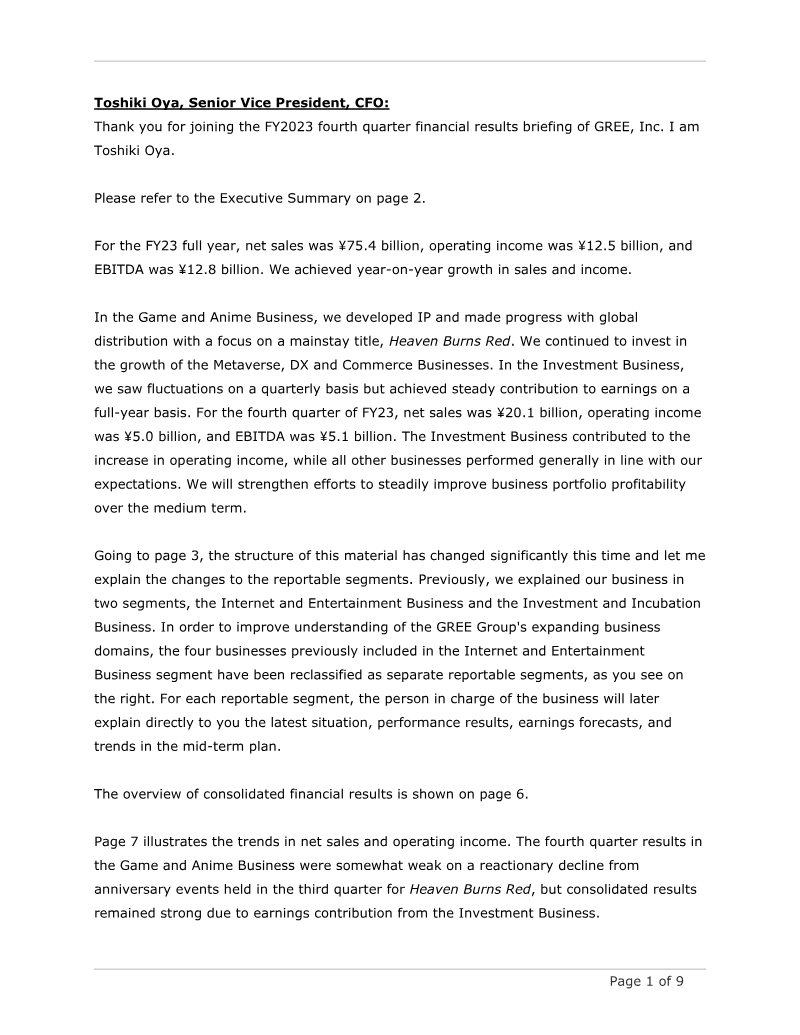
GREE
GREE
Deutsche Telekom

Modern Times Group

RBC BlueBay Asset Management
Ubisoft · 2026

GEEIQ · 2026