2015
Company
Documents about 2015
4.5 Million Players in 100 Days: Lessons from Dying Light
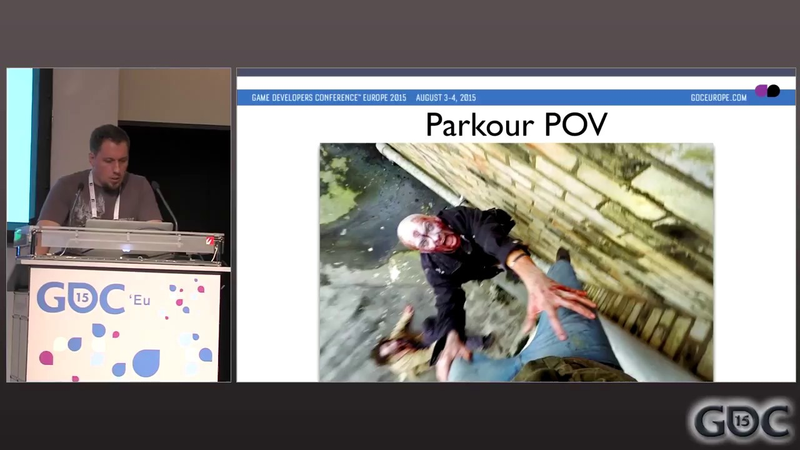
The success of the open-world survival game Dying Light, which reached 4.5 million players within its first 100 days of release in 2015, is attributed to a strategic combination of pre-launch feature communication and aggressive post-launch community engagement.
- Techland achieved 4.5 million players within the first 100 days of Dying Light's release by focusing on clear communication of core game pillars, such as melee combat, the day-night cycle, and co-op play.
- The development team maintained pre-release momentum by releasing weekly 'Dying Highlights' gameplay videos rather than traditional marketing trailers, showcasing specific features and humorous scenarios.
- Post-launch engagement was driven by a robust telemetry system that tracked player behavior, resulting in a high 35-40% completion rate for the PC version.
How to Build an Indie Game Co-Working Space
Establishing a successful co-working space for independent game developers requires a strategic balance of community building, financial discipline, and operational resilience.
- Establishing a sustainable co-working space requires a core group of committed members to reach the break-even point and offset significant upfront costs like security deposits, renovations, and equipment.
- Founders must prioritize operational resilience by utilizing automated management software to handle recurring billing and administrative tasks efficiently.
- The Gamenest model, established in 2015, demonstrates that success in high-cost urban environments like San Francisco depends on thorough research into local zoning and accessibility regulations.
Art Direction Bootcamp: How Being Different Makes All The Difference
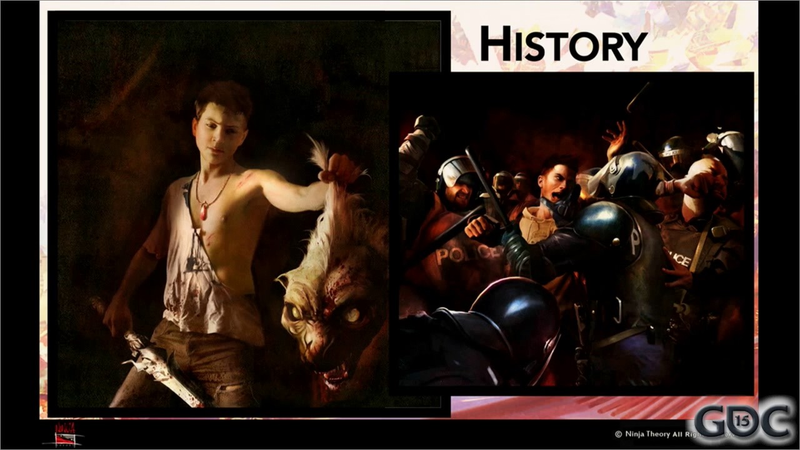
In this 2015 GDC presentation, Ninja Theory’s visual director Alessandro Taini outlines a philosophy of art direction centered on the pursuit of originality through unconventional creative processes.
- Art direction should prioritize originality by resisting generic industry tropes and avoiding literal keyword-based brainstorming, which often leads to clichéd visual results.
- Creative teams should derive inspiration from non-gaming sources such as fine art, experimental animation, and real-world materials to ensure a distinct and authentic aesthetic.
- Visual direction should function as a 'digital double' of the creator, incorporating personal history and diverse cultural influences to move beyond derivative design.
The Simplest AI Trick in the Book
This presentation from the 2015 Game Developers Conference features five industry experts sharing practical, low-complexity artificial intelligence techniques designed to enhance player immersion and streamline development.
- Optimize AI reaction times by using psychological benchmarks: 0.2 seconds for simple responses and 0.4 seconds for complex 'go/no-go' decisions to simulate human-like behavior.
- Reduce CPU overhead and pathfinding errors by using environmental markup to automatically identify and prune disconnected navigation mesh islands.
- Leverage player telemetry data to dynamically generate navigation links for NPCs, allowing the player base to effectively 'teach' AI how to traverse complex procedurally generated geometry.
Tales from the Trenches: AI Disaster Stories
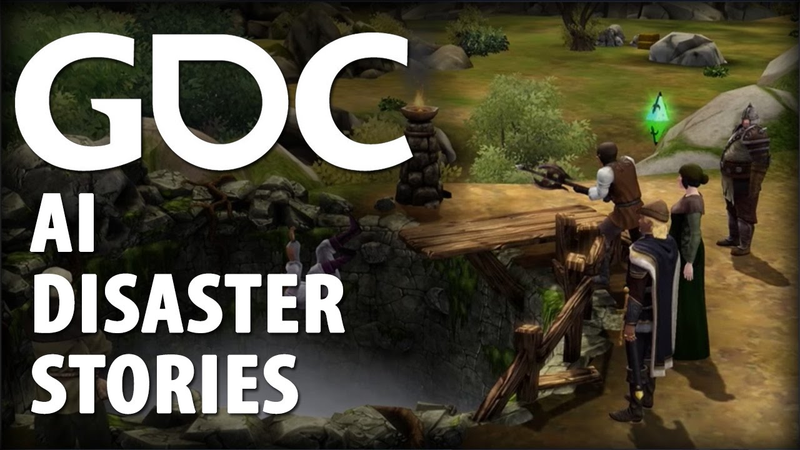
This presentation from the 2015 Game Developers Conference (GDC) serves as a post-mortem compilation, focusing on the technical and design failures encountered by artificial intelligence (AI) developers across various industry projects.
- AI development failures often stem from systemic issues like poor communication, lack of domain expertise, and the bypassing of established testing protocols.
- The 'black box' development approach frequently causes AI behavior to disconnect from animation and design intent, leading to unpredictable or broken gameplay.
- Relying on rigid, non-debuggable custom scripting languages creates significant technical debt and prevents developers from effectively diagnosing AI logic errors.
How Gram Games evolved its UA strategy to maintaining momentum for its existing games
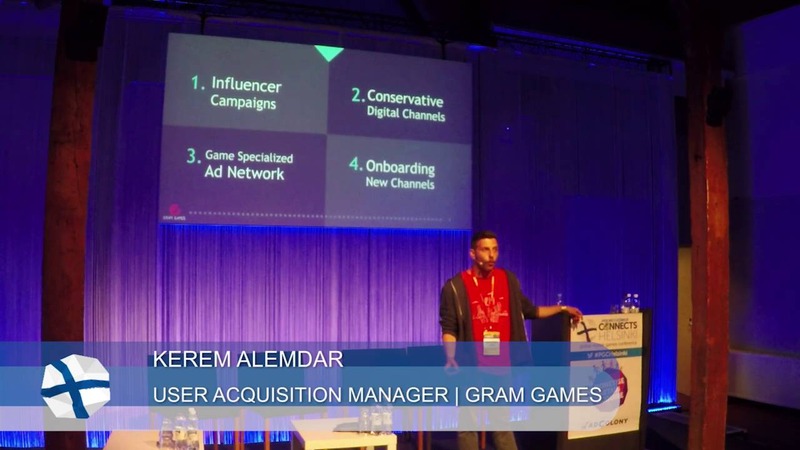
Gram Games’ user acquisition strategy centers on the iterative evolution of marketing tactics to maintain momentum for mobile titles, specifically transitioning from aggressive burst campaigns to sustainable, data-driven always-on models.
- Always-on UA campaigns outperformed burst campaigns, delivering 20 million installs over two months while simultaneously reducing effective CPI by 10%.
- Burst campaigns can negatively impact long-term metrics; an initial burst campaign for '1010!' increased DAU by 30% but caused a 30% decrease in user lifetime value due to an over-reliance on incentivized traffic.
- Dedicate at least 20% of the total marketing budget to testing new ad networks and inventory sources to avoid exhausting the potential of existing channels.
Best Fiends developer Seriously on the evolution of a mobile brand
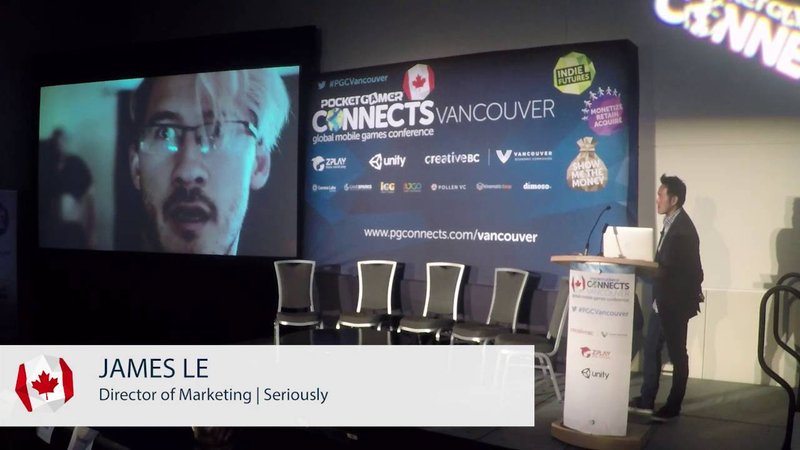
Seriously, the developer behind the mobile game Best Fiends, employs a brand-centric marketing strategy that prioritizes influencer partnerships to build long-term intellectual property.
- Seriously scaled Best Fiends to over 35 million downloads and 2.1 million daily active users by 2016 by prioritizing long-term brand building over traditional performance-based user acquisition.
- The developer leverages influencer partnerships with a collective reach of over 150 million YouTube subscribers to drive both immediate download spikes and long-term organic user retention.
- Marketing campaigns are designed to integrate game content directly into influencer-led programming, such as the 'Race Against Slime' charity event and 'Mobile Egg Hunt', to maintain audience authenticity.

How Rovio spent five years making The Angry Birds Movie
The Angry Birds Movie represents a significant milestone in Rovio’s strategy to expand its intellectual property beyond mobile gaming.
- Rovio successfully transitioned its business model from premium games to a free-to-play, service-oriented approach between 2014 and 2015.
- The Angry Birds Movie, developed over five years with expertise from Marvel Studios veterans, opened at number one in 52 countries and became the third-highest-grossing imported animated film in China at the time.
- The company now utilizes a data-driven strategy for live operations, prioritizing key performance indicators and rigorous soft-launch processes to refine gameplay before global releases.
Will mobile eSports be a hit? Twitch and Super Evil Megacorp discuss
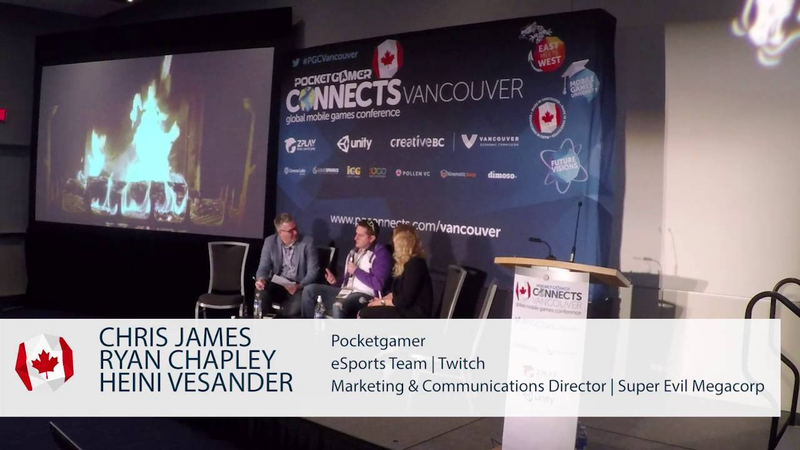
This discussion from the 2016 Pocket Gamer Connects conference explores the emergence and rapid professionalization of mobile esports, specifically focusing on the partnership between the streaming platform Twitch and Super Evil Megacorp, the developer of the mobile MOBA Vainglory.
- The massive disparity between the 3 billion mobile device install base and the 800 million PC install base makes the expansion of mobile esports an inevitable industry trajectory.
- Mobile content viewership is a significant driver for Twitch, accounting for 38% of total traffic and reaching 64 million unique users.
- In 2015, the mobile MOBA Vainglory generated 155 million minutes of watched content on Twitch, with major seasonal championships drawing 1.5 million unique viewers per weekend.
How Miniclip retro-fitted monetization to Agar.io
The mobile adaptation of the web-based sensation Agar.io faced a significant monetization challenge following its initial release as a free-to-play title.
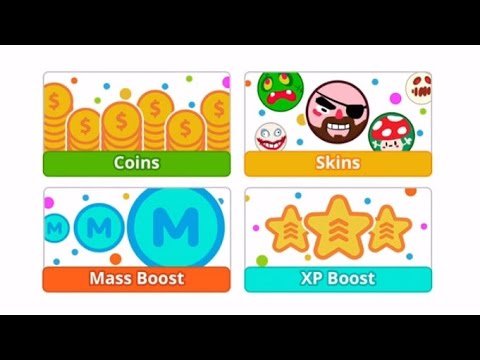
- Miniclip retrofitted a comprehensive monetization framework into Agar.io in November 2015 to transition the viral web hit into a commercially viable mobile product.
- The monetization strategy centers on a virtual currency system that supports rewarded video ads, Tapjoy offer walls, and tiered in-app coin purchases.
- To drive long-term retention and engagement, the game uses a pseudo-VIP system that rewards players with bonus mass and currency for connecting Facebook accounts.
Who were the secret App Store winners of 2015?
The analysis of 2015 App Store performance identifies the market’s "hidden winners" by comparing top-grossing rankings against download rankings.
- Publicly traded companies dominate the mobile gaming market, owning 59% of the top 100 grossing titles in the U.S. iPhone market.
- The most profitable games, termed 'hidden winners,' prioritize high monetization efficiency and player retention over the high download volumes seen in mainstream hits like Clash of Clans.
- Slots and Asian-style RPGs are the primary genres that achieve high grossing rankings despite lower install rates, driven by superior average revenue per daily active user.
3 User Acquisition Mega Trends for 2016
The mobile gaming industry in 2016 is defined by a shift toward video-centric advertising, the consolidation of walled gardens, and the professionalization of user acquisition (UA) strategies.
- Video advertising is the dominant growth format, projected to capture nearly 50% of all mobile ad spend by 2018.
- The user acquisition landscape is bifurcating, as high costs for advanced analytics and attribution tools create significant barriers for mid-market developers.
- Walled-garden platforms are increasingly controlling both inventory and measurement, forcing developers to rely on their deterministic tracking capabilities to avoid inefficient spending.