
Journal of Games, Game Art, and Gamification
Open-access journal of Bina Nusantara University on games, game art, game design and gamification.
Documents
Evaluation of User Experience in Translator Applications: Banjar-Indonesian and Indonesian-Banjar
This research evaluates the user experience of two mobile augmented reality (AR) translator applications, BandoAR and NdoBAR, designed to facilitate communication between Banjar and Indonesian speakers.
- BandoAR and NdoBAR achieved high user satisfaction ratings of 4.91 and 4.89 respectively on a five-point Likert scale, earning a 'Very Strongly Agree' predicate for their performance.
- The applications effectively utilize optical character recognition (OCR) and markerless tracking technology to provide real-time translation for Banjar and Indonesian speakers.
- User feedback identified the 'desirable' dimension as the primary area for improvement, specifically citing the need for better font selection and color combinations during text detection.
Reintroducing Indonesian Traditional Games through an Interactive Multiplayer Table Game: Gobak Sodor
This project addresses the decline of traditional Indonesian games among Generation Z, specifically children aged 9–12, who are increasingly reliant on digital technology and sedentary entertainment.
- The project successfully revitalized the traditional Indonesian game Gobak Sodor for children aged 9–12 by integrating physical movement with digital multiplayer arcade hardware.
- User research identified that the decline in traditional game participation among Gen Z is primarily driven by a lack of accessible space and insufficient early exposure rather than a lack of awareness.
- Expert consultation established that traditional games remain relevant to digital natives only when they preserve original social and physical dynamics while adopting modern, simplified controls and high-contrast visual aesthetics.
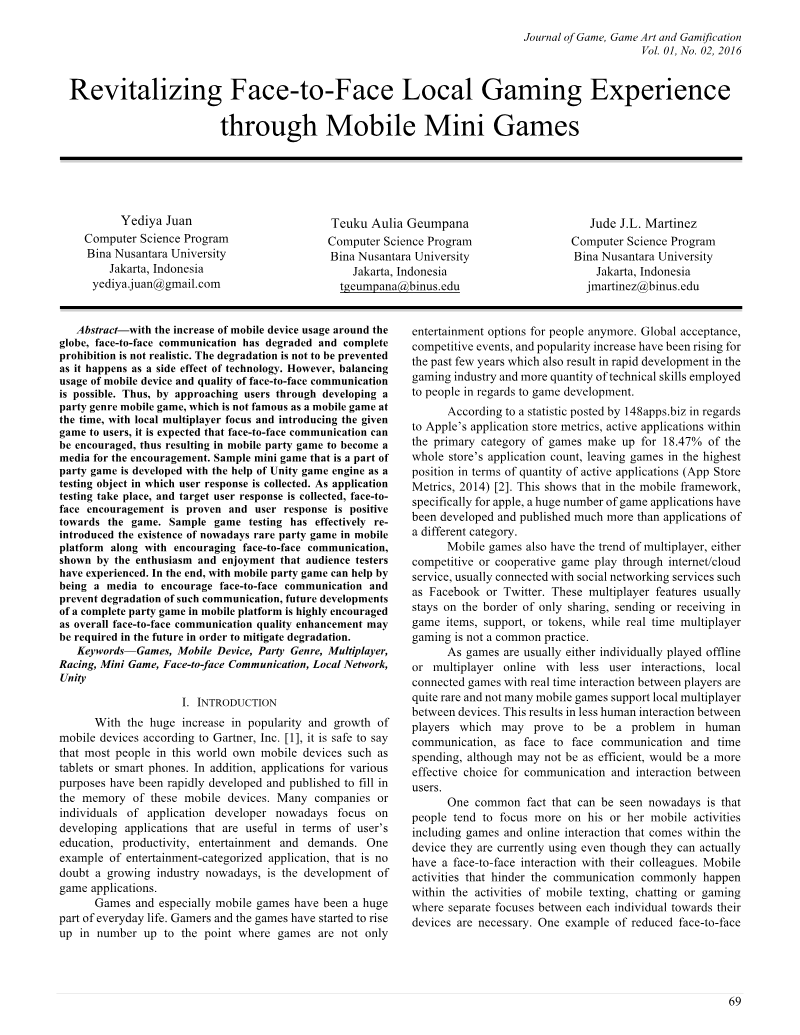
Revitalizing Face-to-Face Local Gaming Experience through Mobile Mini Games
Excessive mobile device usage frequently contributes to the erosion of face-to-face social interaction, creating a need for digital tools that bridge the gap between entertainment and human connection.
- Testing of local multiplayer mini-games showed that 92% of participants felt the application successfully encouraged face-to-face communication during play.
- Market research indicates a strong demand for this category, with 52% of surveyed individuals expressing interest in mobile party games.
- Developing local multiplayer experiences using the Unity engine can effectively repurpose mobile devices as tools for social engagement rather than isolation.
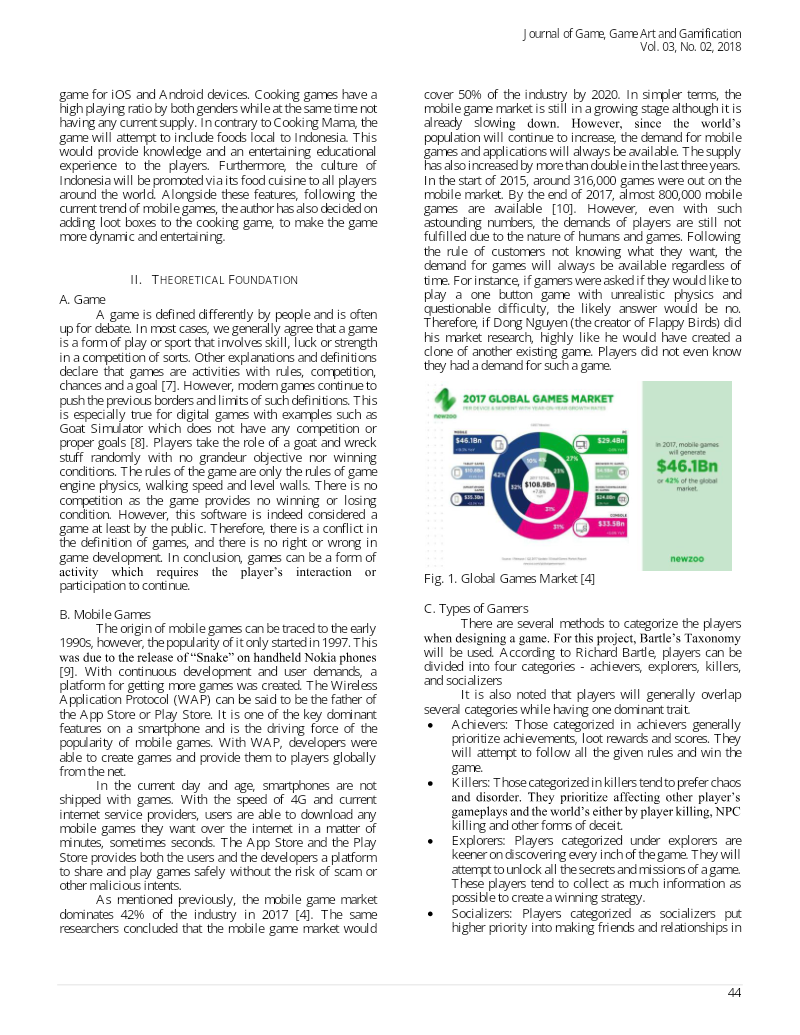
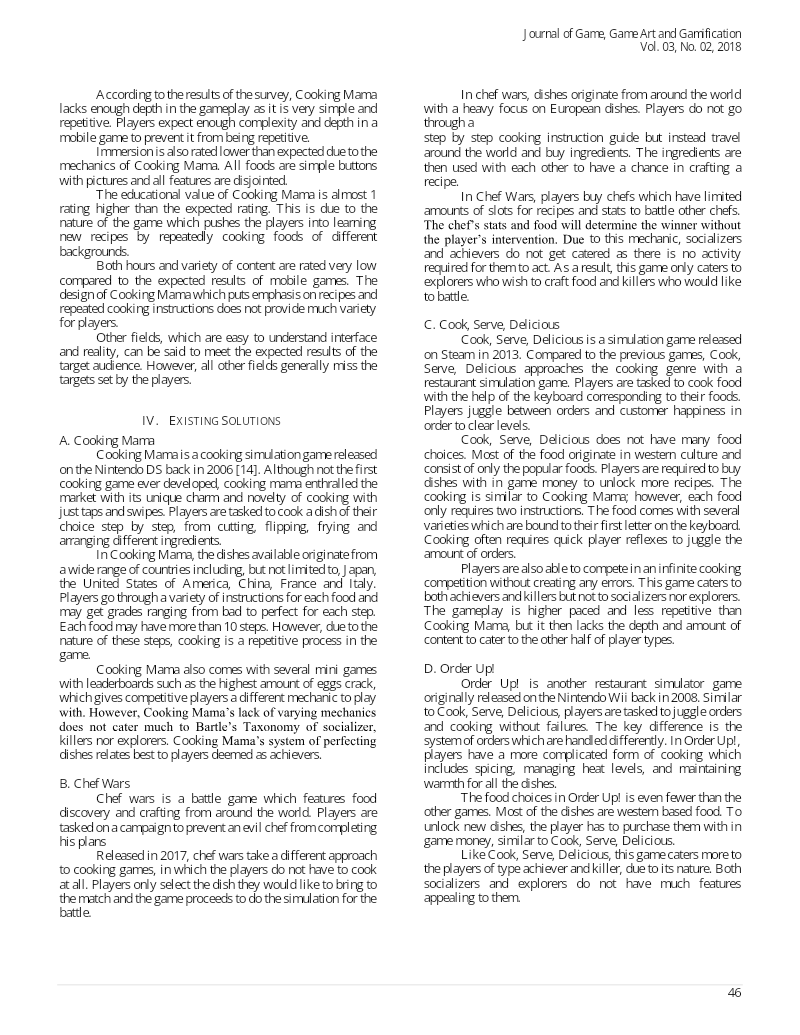
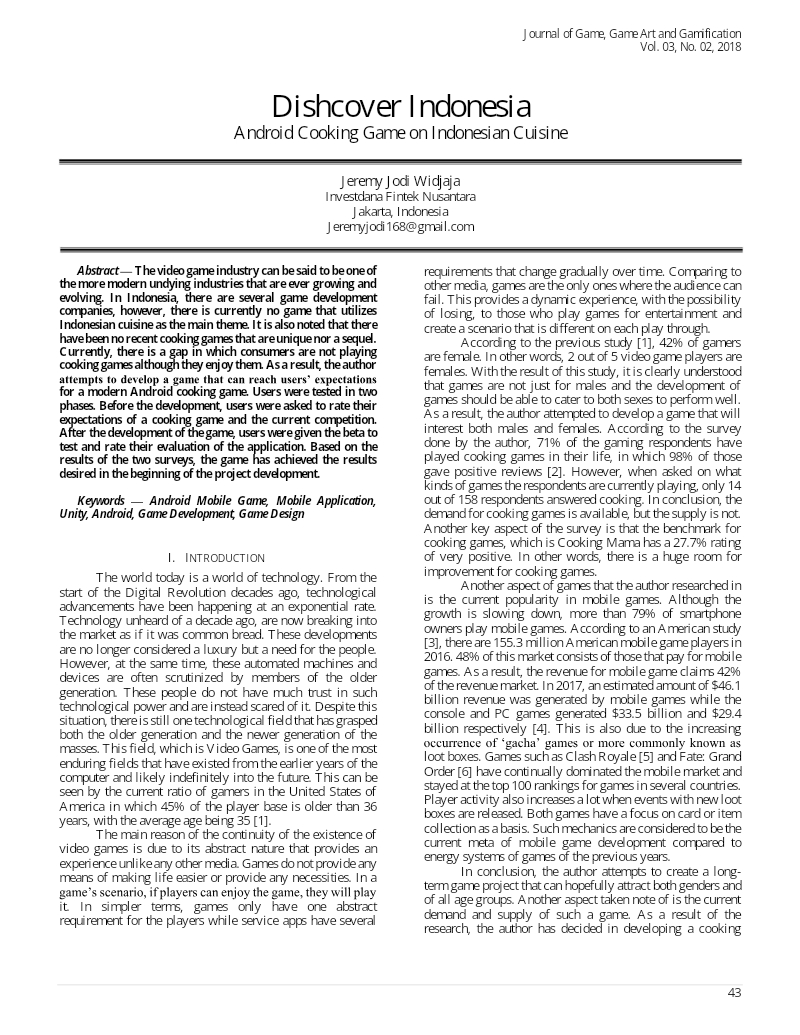
Dishcover Indonesia: Android Cooking Game on Indonesian Cuisine
The primary objective of this project is to address the market gap for high-quality, modern cooking games by developing an Android-based mobile application centered on Indonesian cuisine.
- Market research from 2018 involving 192 participants across Indonesia, the US, and Australia revealed that while 71% of respondents had played cooking games, most were no longer active due to a perceived lack of gameplay depth in titles like Cooking Mama.
- The project successfully validated that integrating modern meta-mechanics—such as loot boxes and complex progression systems—into a niche, culturally specific cooking game can effectively drive player retention.
- Beta testing with 64 respondents confirmed that a city-based campaign system and recipe-crafting mechanics using collectible ingredient cards successfully met or exceeded contemporary player expectations for complexity.
Using Procedural and Conceptual Colour Stimulation-Game as an Instructional Gizmo for Nigerian Students
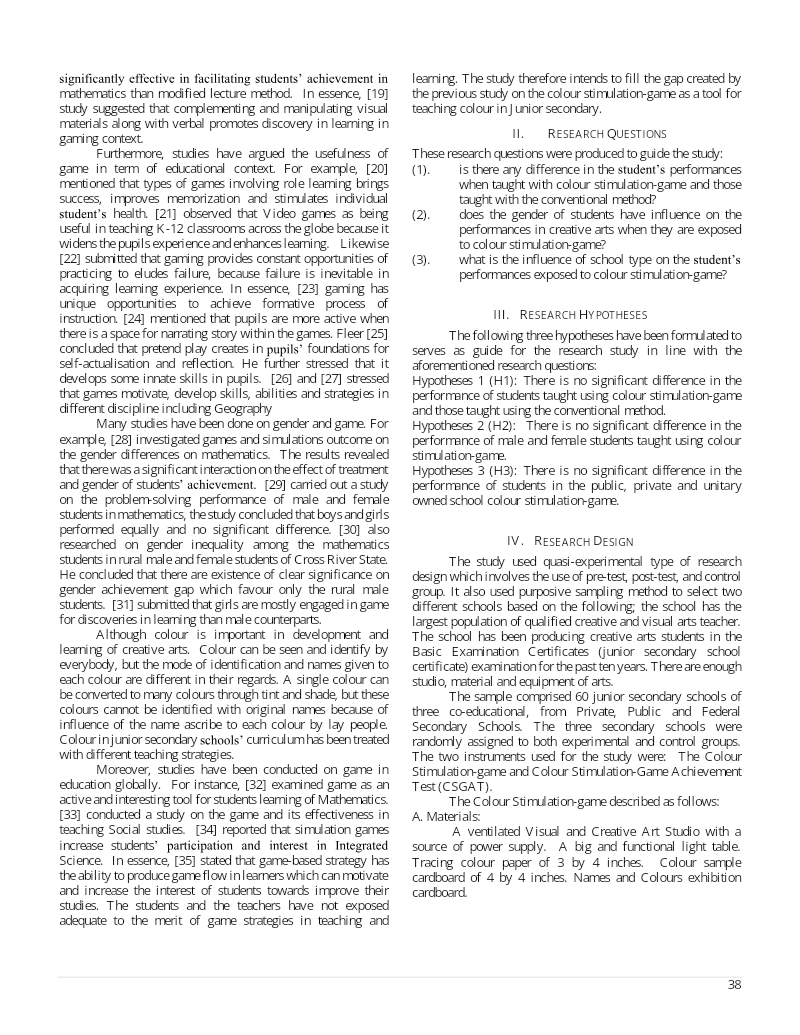
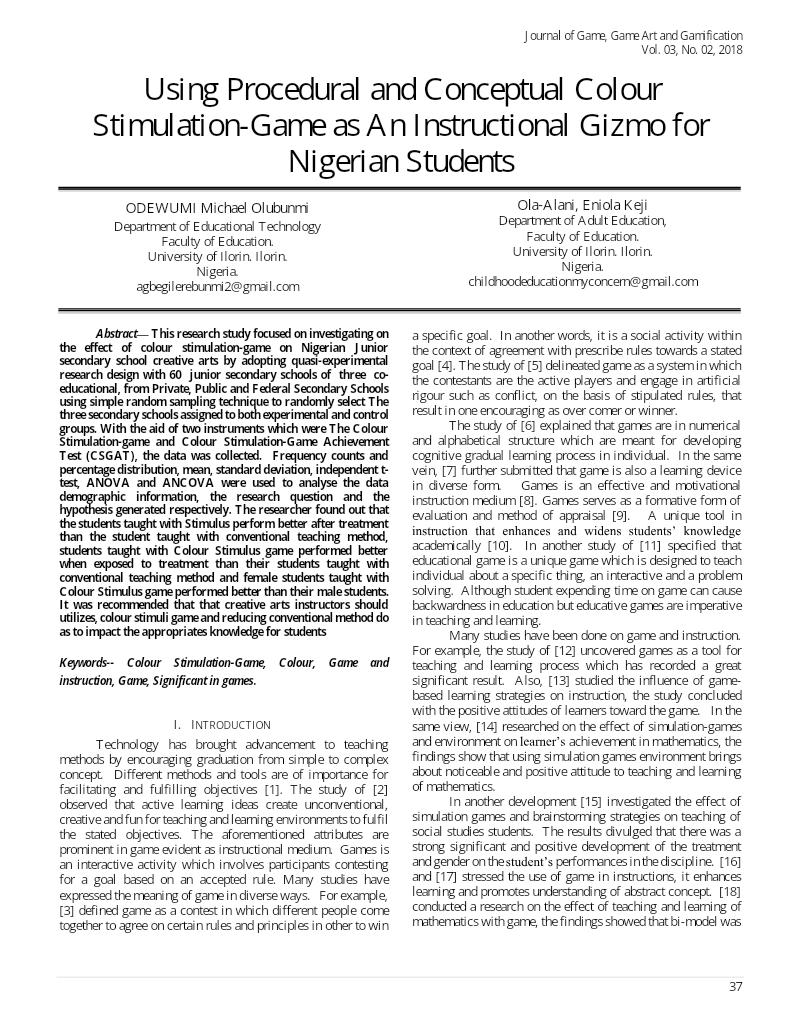
This study evaluates the effectiveness of a procedural and conceptual colour stimulation game as an instructional tool for creative arts education among Nigerian junior secondary school students.
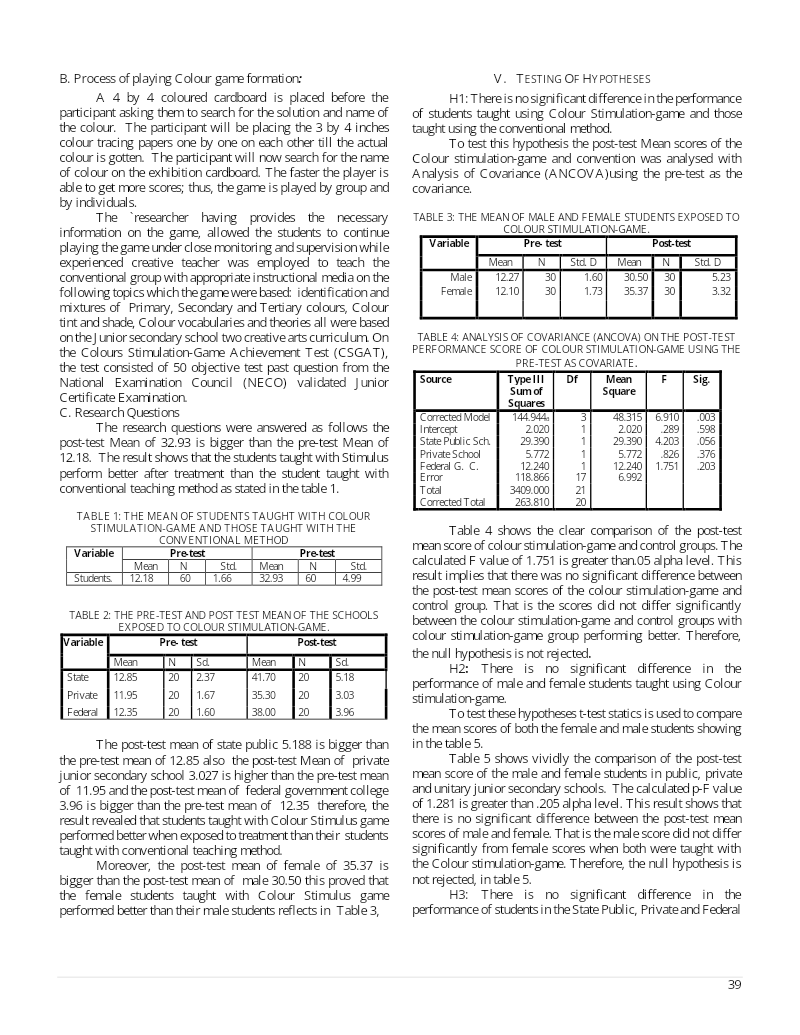
- Students taught using the procedural and conceptual colour stimulation game achieved significantly higher post-test scores compared to those taught via conventional instructional methods.
- The study utilized a sample of 60 junior secondary school students across three distinct institution types: private, public, and federal schools.
- Performance outcomes showed no statistically significant difference between male and female students when utilizing the game-based instructional tool.
Sesame Credit: Social Compliance Gamification in China
Sesame Credit functions as a massive, gamified social control mechanism in China, designed to monitor and influence the behavior of over one billion citizens.
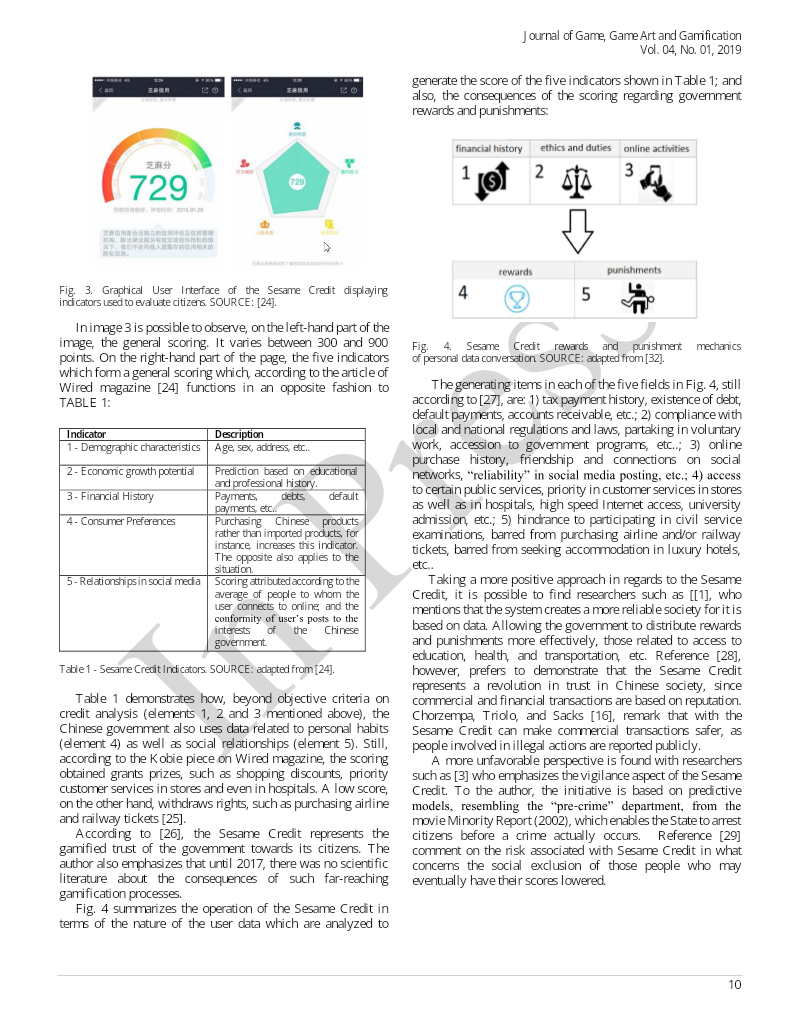
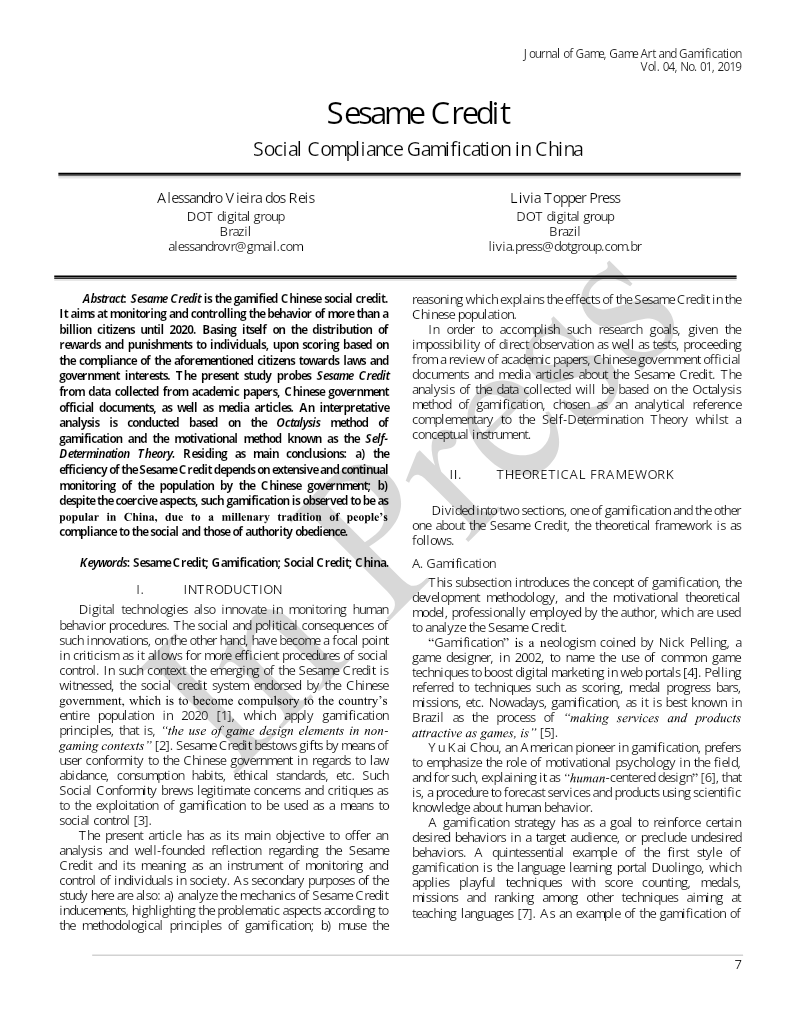
- Sesame Credit functions as a large-scale social control mechanism that monitors over one billion citizens by aggregating financial, legal, and social data into a score ranging from 300 to 900.
- The system utilizes gamification to drive behavioral modification, rewarding high scores with shopping discounts and priority services while punishing low scores with travel restrictions and social exclusion.
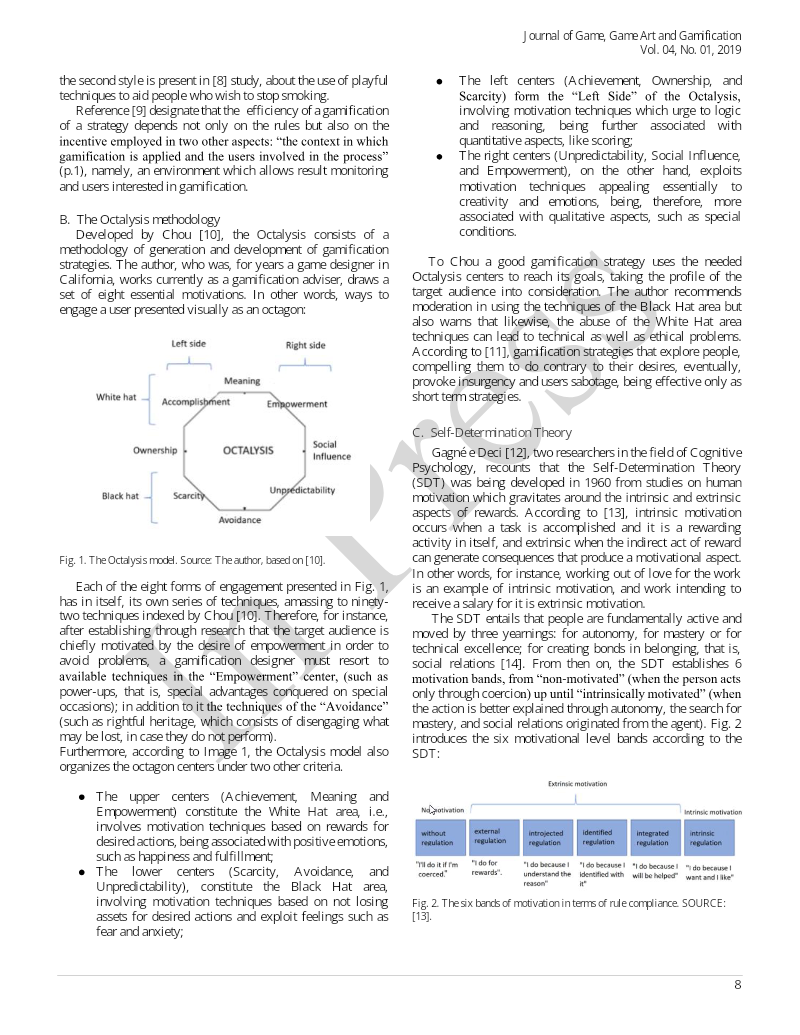
- Analysis using the Octalysis framework reveals the system relies on 'Black Hat' tactics, specifically scarcity and avoidance, to compel compliance through the fear of losing privileges.
Gamification of Immersive Meditation Practice in Virtual Reality
This analysis explores the integration of gamification techniques into mindfulness meditation, specifically within the context of virtual reality (VR) environments.
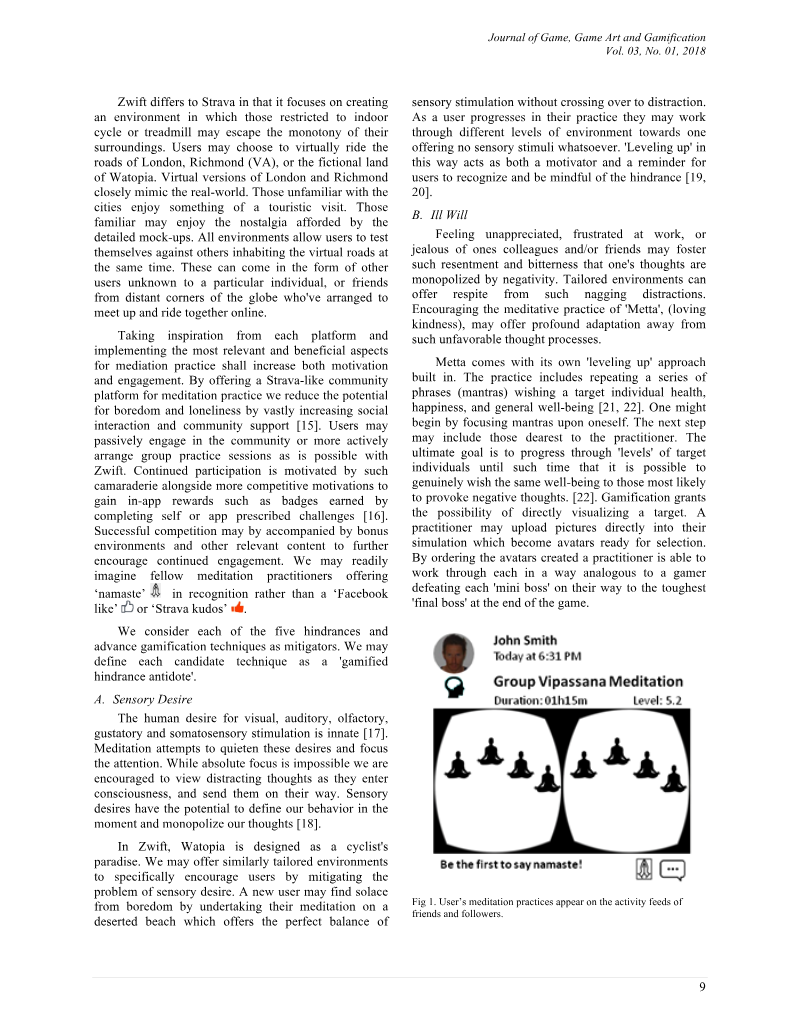
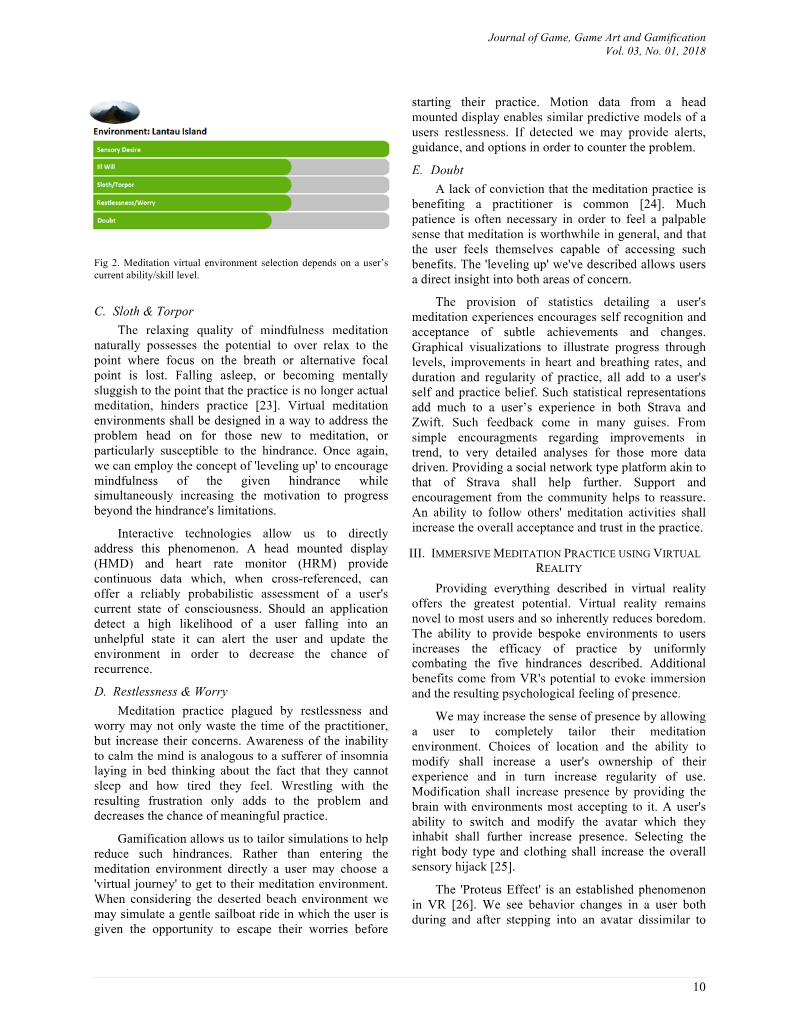
- Gamification mechanics such as leveling, social connectivity, and progress tracking can be used to overcome the five traditional Buddhist hindrances to meditation: sensory desire, ill will, sloth and torpor, restlessness and worry, and doubt.
- VR environments allow for the integration of biometric sensors and head-mounted displays to monitor consciousness in real-time, enabling systems to proactively adjust the environment when detecting user distraction or restlessness.
- The integration of data-driven feedback loops and community-based features, modeled after fitness platforms like Strava and Zwift, can demystify meditation and improve user adherence.
The Design and Development of Backend System for a Game Application
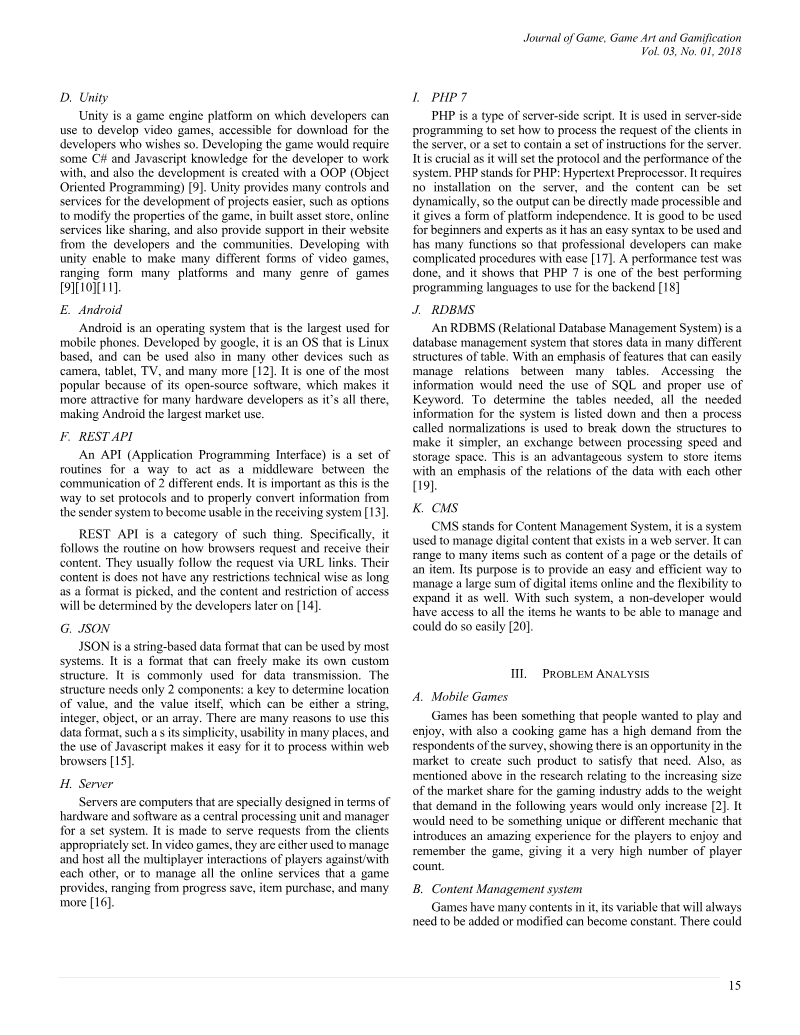
The primary objective of this technical analysis is to design and develop a robust backend architecture for a mobile cooking game, specifically tailored to support content management and player-facing online services.
- A centralized backend architecture utilizing a web-based CMS and a RESTful API is essential for scaling mobile games and managing complex item relationships.
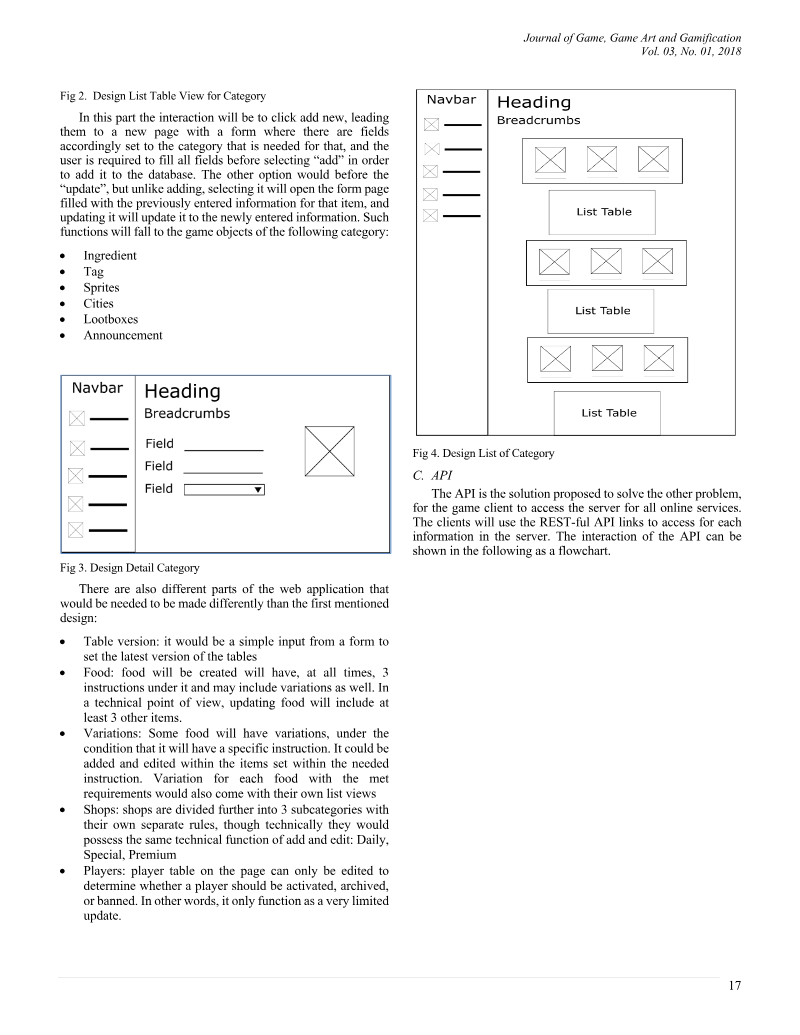
- The implementation of a web-based CMS allows non-technical staff to modify game content like recipes and shop items without requiring direct database manipulation.
- The system utilizes PHP 7 for server-side processing, an RDBMS for structured data storage, and JSON for efficient client-server data transmission.

Character Development Creativity in Unit Blocks for Visual Spatial Intelligence Improvement: Indonesia
This analysis explores the role of unit block play as a therapeutic and developmental tool for children, with a specific focus on improving visual-spatial intelligence in children with autism.
- Unit block play serves as an effective therapeutic tool for children with autism by providing an open-ended environment that improves visual-spatial intelligence.
- The lack of rigid rules or predetermined patterns in unit blocks reduces anxiety and fosters a sense of agency, helping children manage challenges related to social interaction and repetitive behavior.
- Engaging with construction toys stimulates key developmental areas, including fine motor skills, mathematical understanding, and emotional intelligence.
Predicting the Effect of Violent Gameplaying to Violent Behavior Intention among Females: Indonesia
This study evaluates the predictive relationship between exposure to violent video games and the intention to exhibit aggressive behavior among female players.
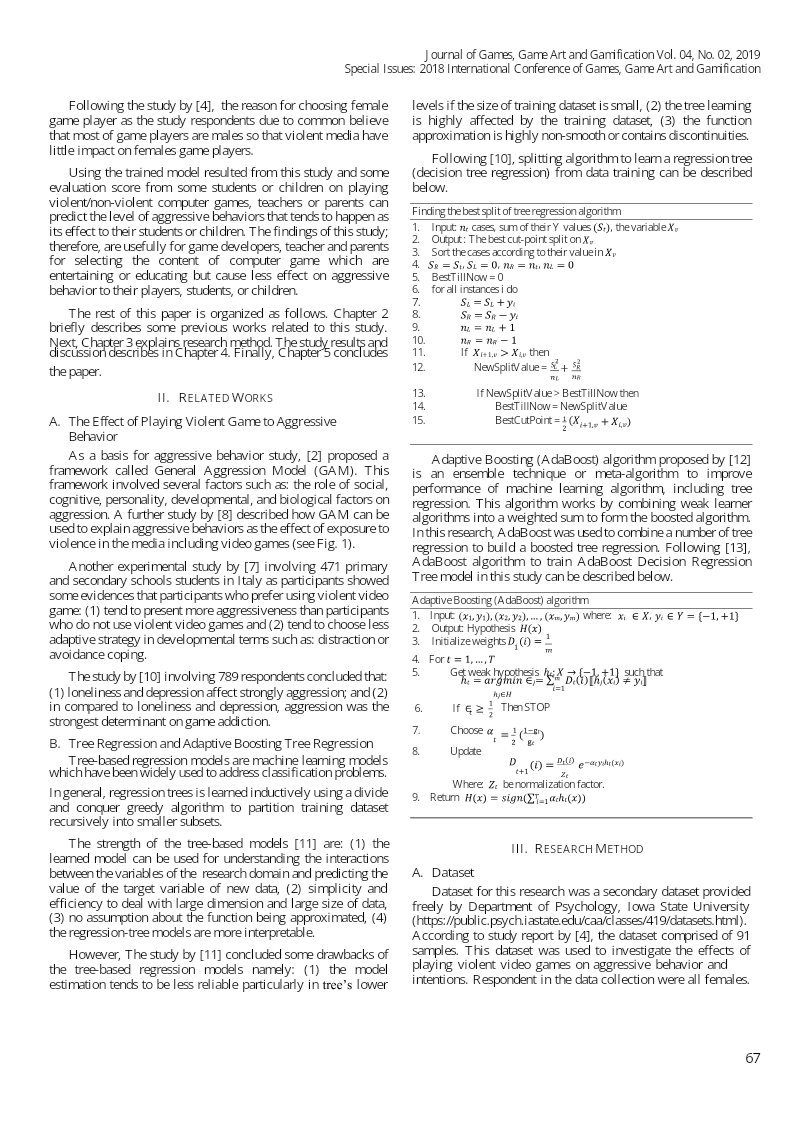
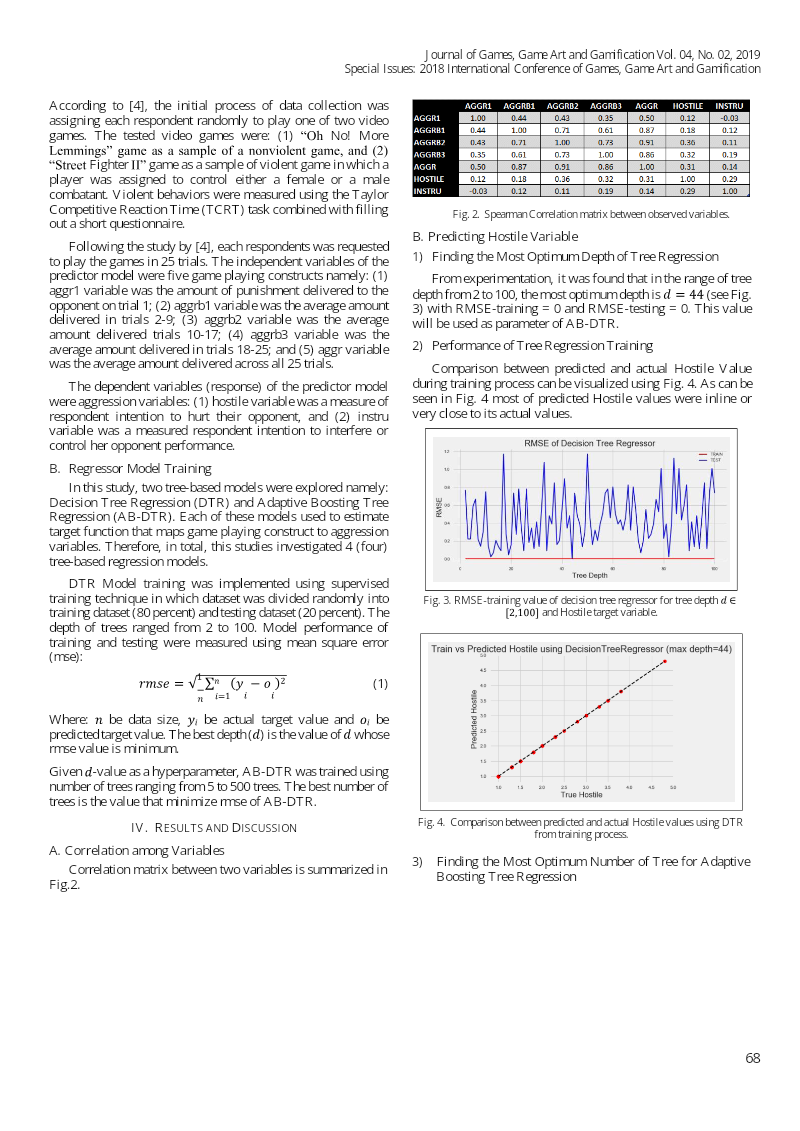
- Machine learning models, specifically Decision Tree Regression (DTR) and Adaptive Boosting Tree Regression (AB-DTR), can predict aggressive behavioral intentions in female players with high accuracy.
- The DTR model demonstrated perfect predictive accuracy for hostile intent with an RMSE of 0.0 for both training and testing phases.
- For instrumental intent, the DTR model achieved an RMSE of 0.0 during training and 2.18 during testing, outperforming the AB-DTR model’s testing RMSE of 3.30.