1 free read left. Create a free account for unlimited reading + AI research.
Create free accountWhitepaper Journal of Games, Game Art, and Gamification
1 free read left. Create a free account for unlimited reading + AI research.
Create free accountWhitepaperJournal of Games, Game Art, and Gamification
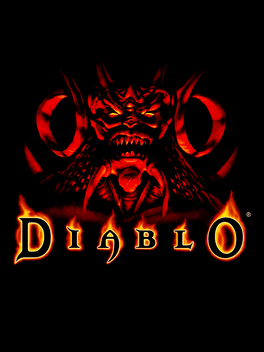
Deep gamification offers a transformative pedagogical framework for English Composition and first-year writing classrooms by replacing traditional, rigid grading structures with the strategic progression mechanics of the video game Diablo II. By adopting a skill tree model, educators can move beyond superficial point-based systems to create a curriculum centered on student agency, iterative drafting, and thematic worldbuilding. This approach integrates Gothic literary elements with RPG-inspired progression, allowing students to navigate their academic development through choice-based assignments that mirror the character-building strategies found in interactive media.
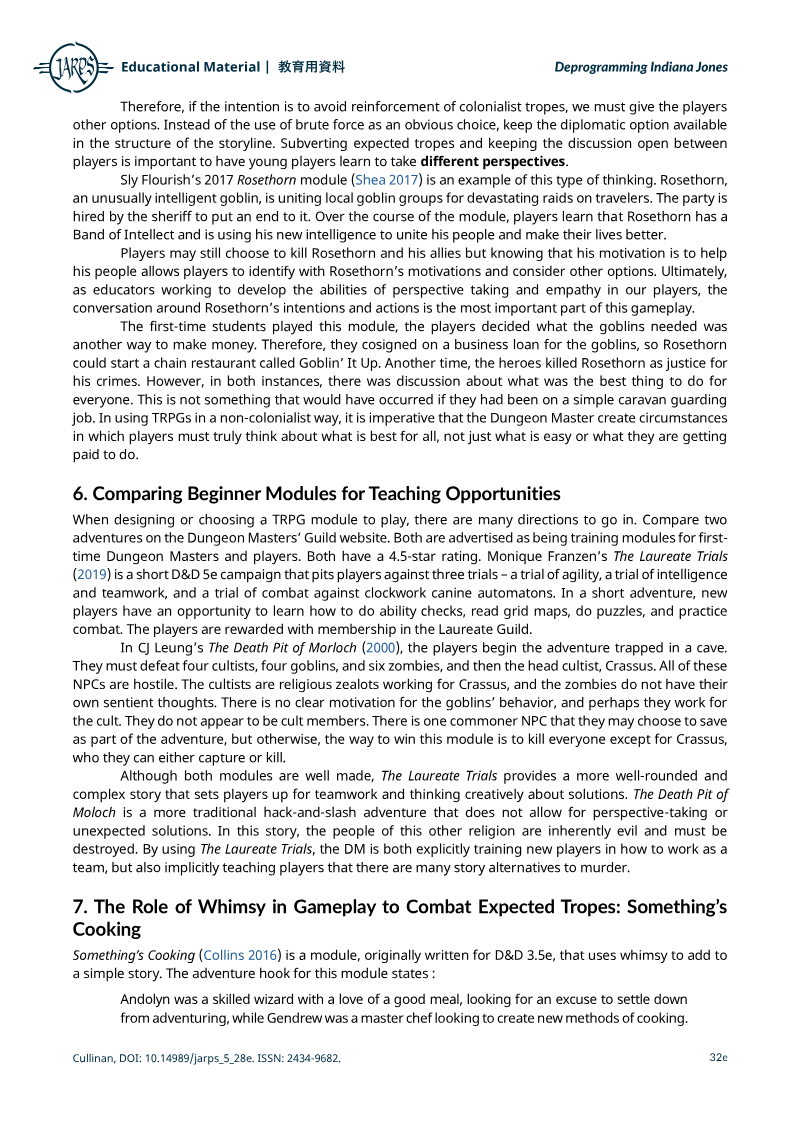
The implementation of this framework yields significant improvements in academic outcomes, as evidenced by a 21% increase in student success rates—rising from 54% to 75%—within the tested cohorts. By providing students with greater autonomy and flexible deadlines, the model fosters higher levels of engagement and encourages a more personalized approach to rhetorical analysis and literacy. Although students initially expressed apprehension toward the unconventional structure, the resulting data suggests that the shift toward a scaffolded, gamified environment effectively promotes deeper learning and sustained academic interest.
While this proof-of-concept demonstrates the viability of integrating transmedia mechanics into higher education, the scope remains limited to the author’s specific classroom environment. Future research is required to determine the broader transferability of these methods across different disciplines and institutional settings. Despite the inherent limitations regarding statistical rigor and potential researcher bias, the Gothic gamification model serves as a compelling alternative to traditional pedagogy, prioritizing student-centered learning and intentional skill acquisition over standardized assessment metrics.
Each row is a game or company this document names, each column a document, oldest first. A mark means that document names it. Select a row to see those documents.
Journal of Games, Game Art, and Gamification · 2026
Journal of Games, Game Art, and Gamification · 2025
Journal of Games, Game Art, and Gamification · 2025
Journal of Games, Game Art, and Gamification · 2025
Journal of Games, Game Art, and Gamification · 2025
Journal of Games, Game Art, and Gamification · 2025
Journal of Games, Game Art, and Gamification · 2025
Journal of Games, Game Art, and Gamification · 2025
Journal of Games, Game Art, and Gamification · 2024
Journal of Games, Game Art, and Gamification · 2024
Journal of Games, Game Art, and Gamification · 2024
Journal of Games, Game Art, and Gamification · 2024
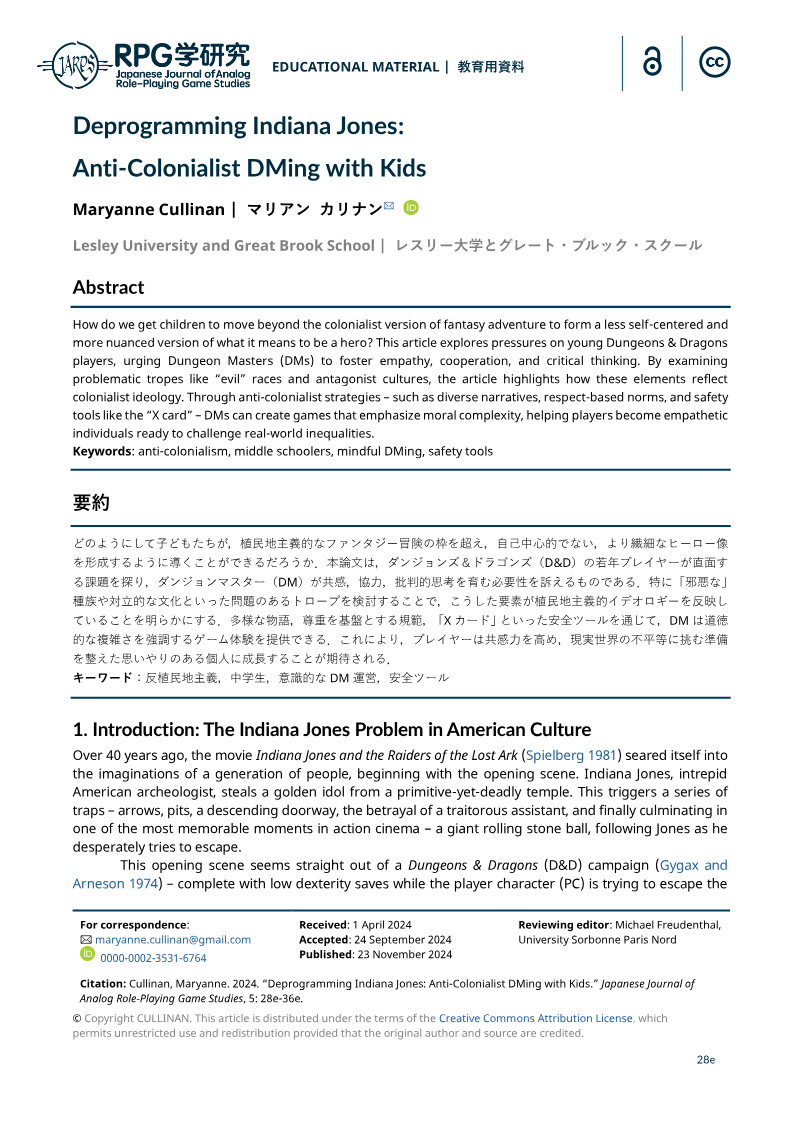
Japanese Association for Role-Playing Game Studies (JARPS) · 2024