1 free read left. Create a free account for unlimited reading + AI research.
Create free accountWhitepaper Journal of Games, Game Art, and Gamification
1 free read left. Create a free account for unlimited reading + AI research.
Create free accountWhitepaperJournal of Games, Game Art, and Gamification
Dhadhu Board Game Cafe operates as a focal point for understanding the intersection of hospitality and tabletop gaming, utilizing data mining to optimize revenue streams and operational efficiency. By analyzing over 25,000 sales entries and nearly 3,000 game rental records, the research establishes a predictive framework for business growth. The primary objective is to identify the specific variables that drive profitability, ranging from peak operating hours to the most popular game categories, thereby providing a strategic roadmap for management to enhance customer engagement and financial performance.
Multiple linear regression emerges as the most robust analytical tool for this dataset, achieving high coefficients of determination—94.4% for daily data and 97.75% for monthly data—which significantly outperform the predictive accuracy of decision trees and random forests. These advanced models, while useful in other contexts, proved prone to overfitting and higher error rates when applied to this specific business environment. The findings indicate that beverages and main courses serve as the primary revenue engines, with sales peaking consistently between 3:00 p.m. and 8:00 p.m., particularly on Saturdays.
Beyond financial metrics, the analysis reveals distinct consumer preferences regarding board game selection. Customers demonstrate a strong inclination toward party-style games characterized by short playtimes of 15 to 45 minutes and smaller group capacities. While promotional activities like complimentary tea can introduce minor biases into the data, the overall trend suggests that the cafe’s success is heavily dependent on the synergy between high-margin food and beverage offerings and accessible, fast-paced gaming experiences. These insights confirm that operational success relies on aligning inventory and staffing schedules with these identified peak periods and consumer preferences.
Journal of Games, Game Art, and Gamification · 2026
Journal of Games, Game Art, and Gamification · 2026
Journal of Games, Game Art, and Gamification · 2025
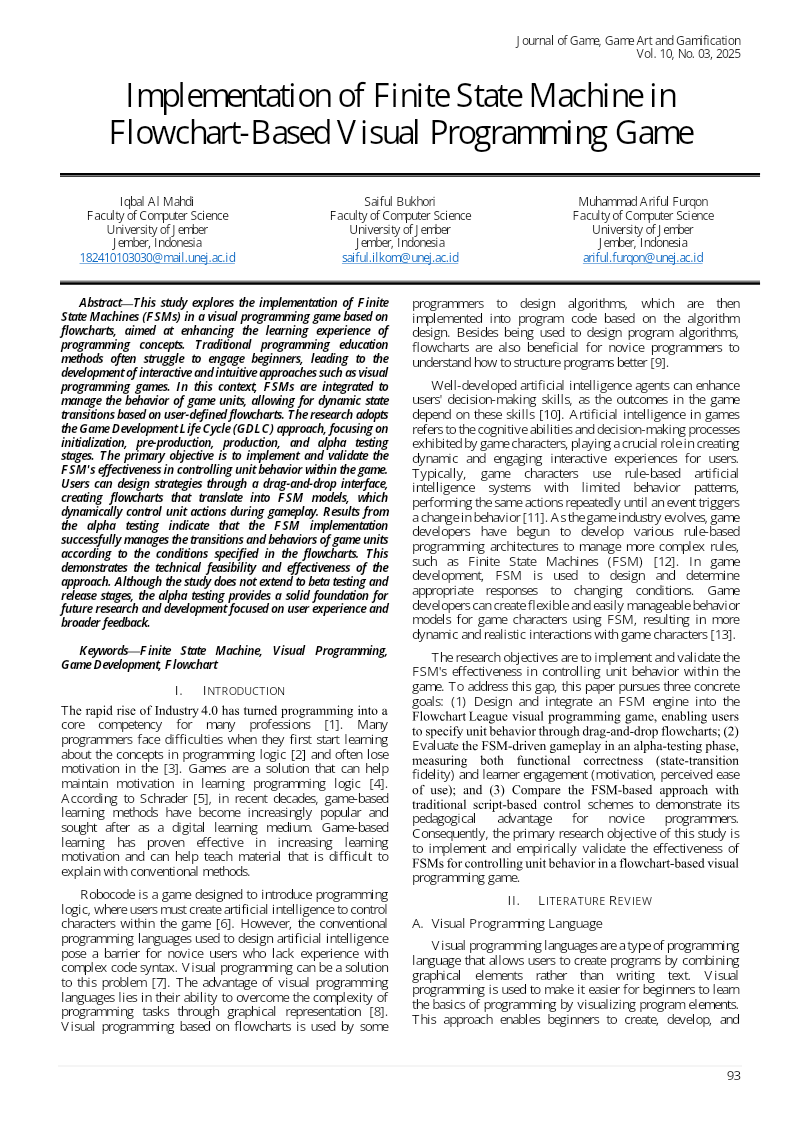
Journal of Games, Game Art, and Gamification · 2025
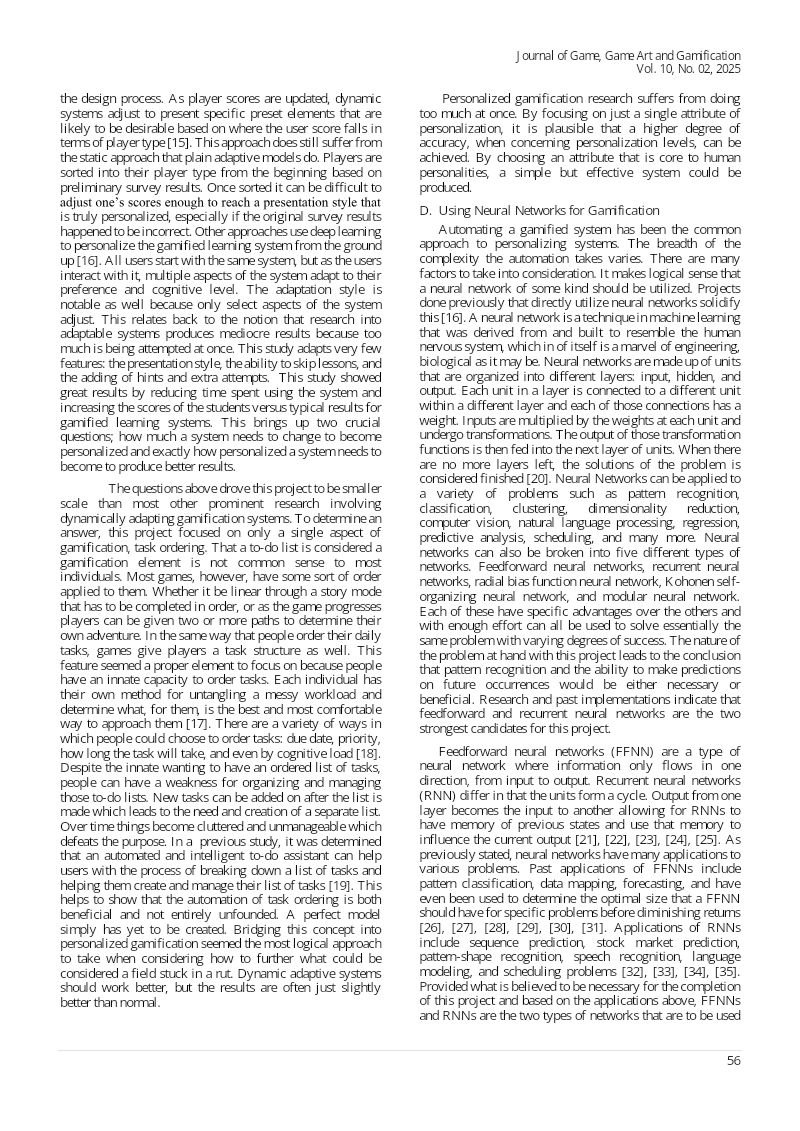
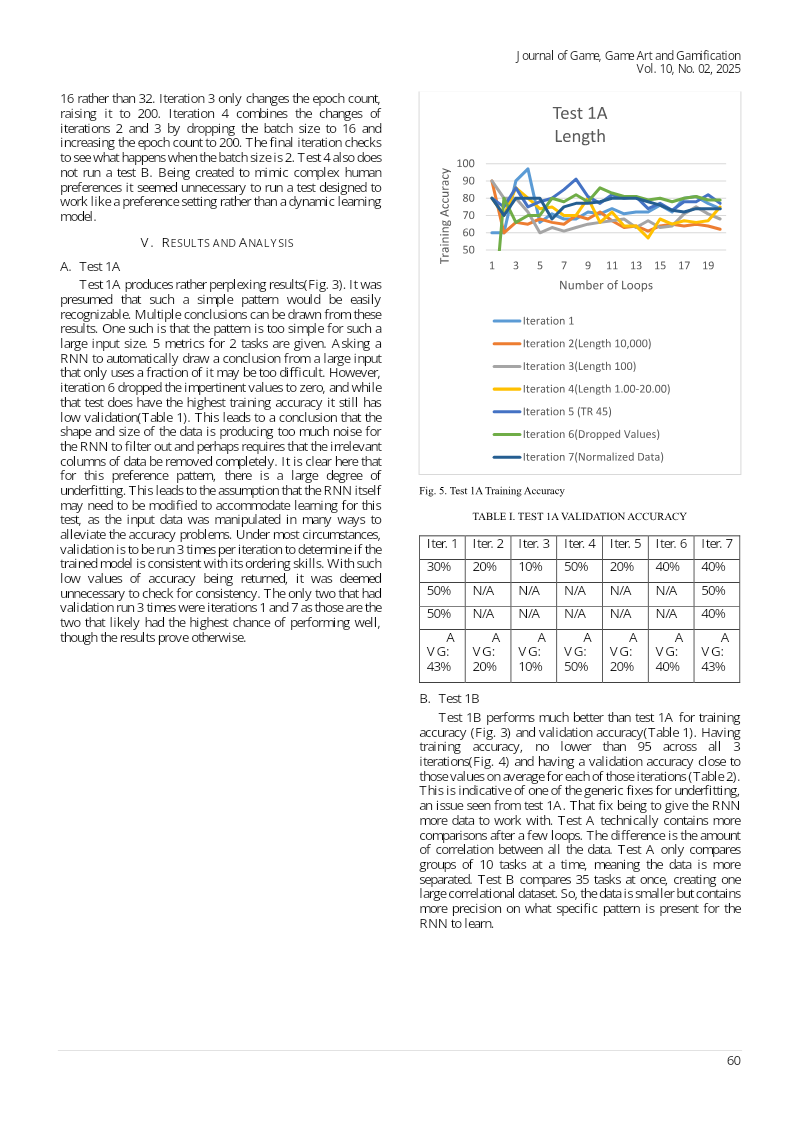
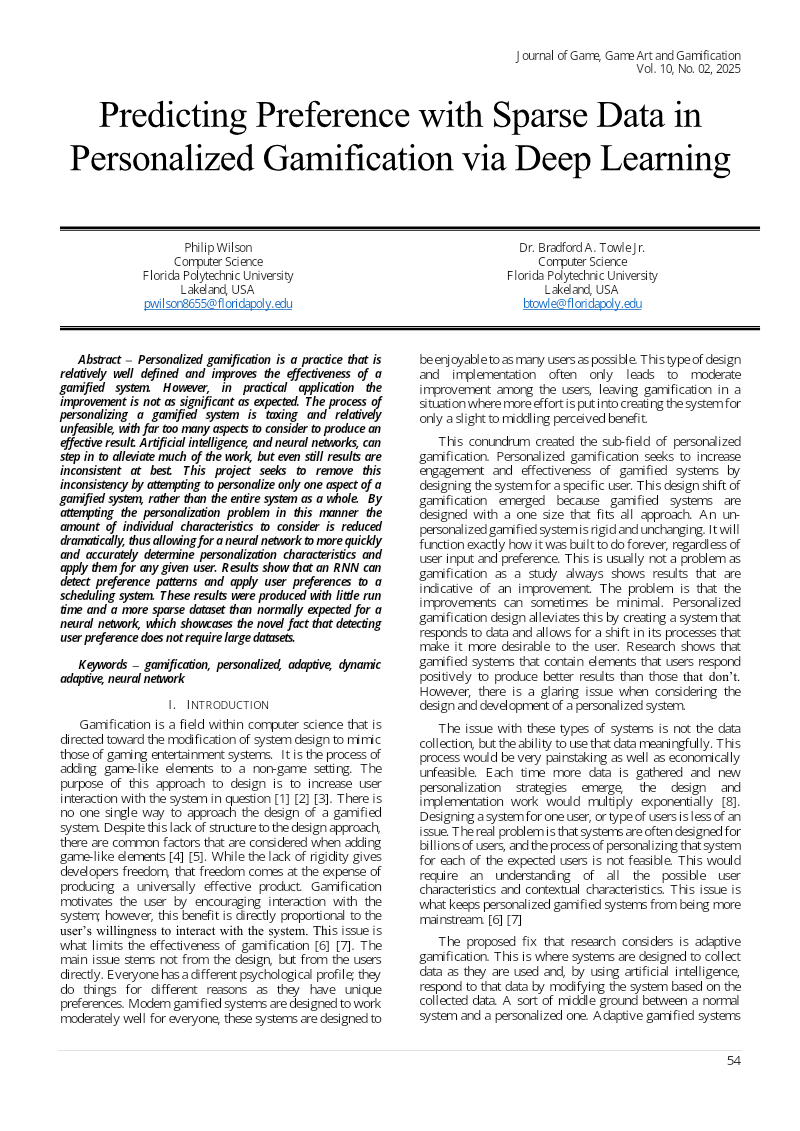
Journal of Games, Game Art, and Gamification · 2025
Journal of Games, Game Art, and Gamification · 2025
Journal of Games, Game Art, and Gamification · 2025
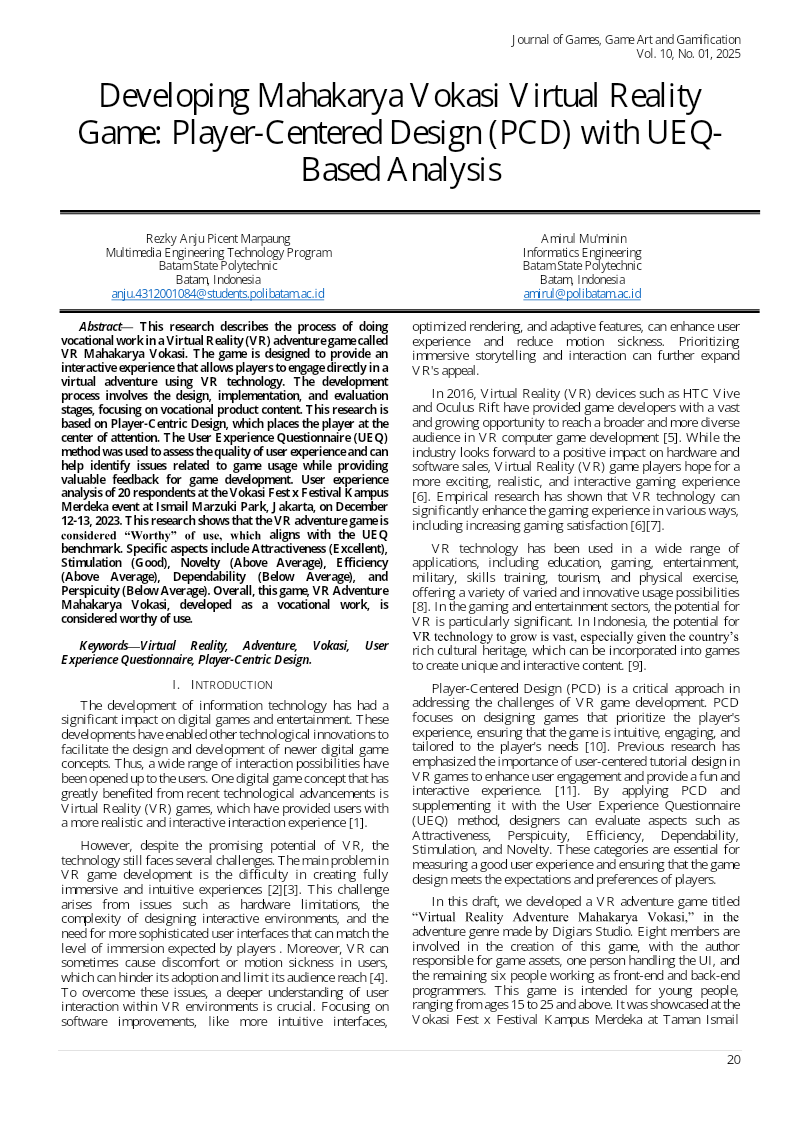
Journal of Games, Game Art, and Gamification · 2025
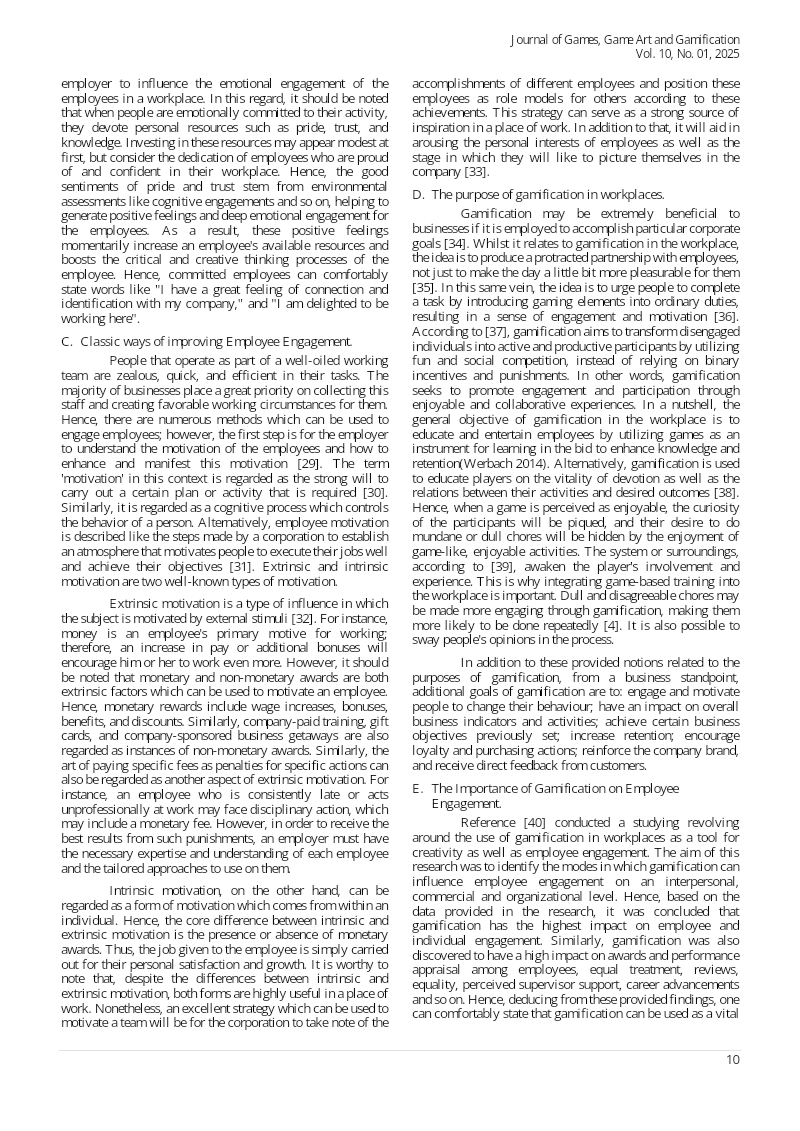
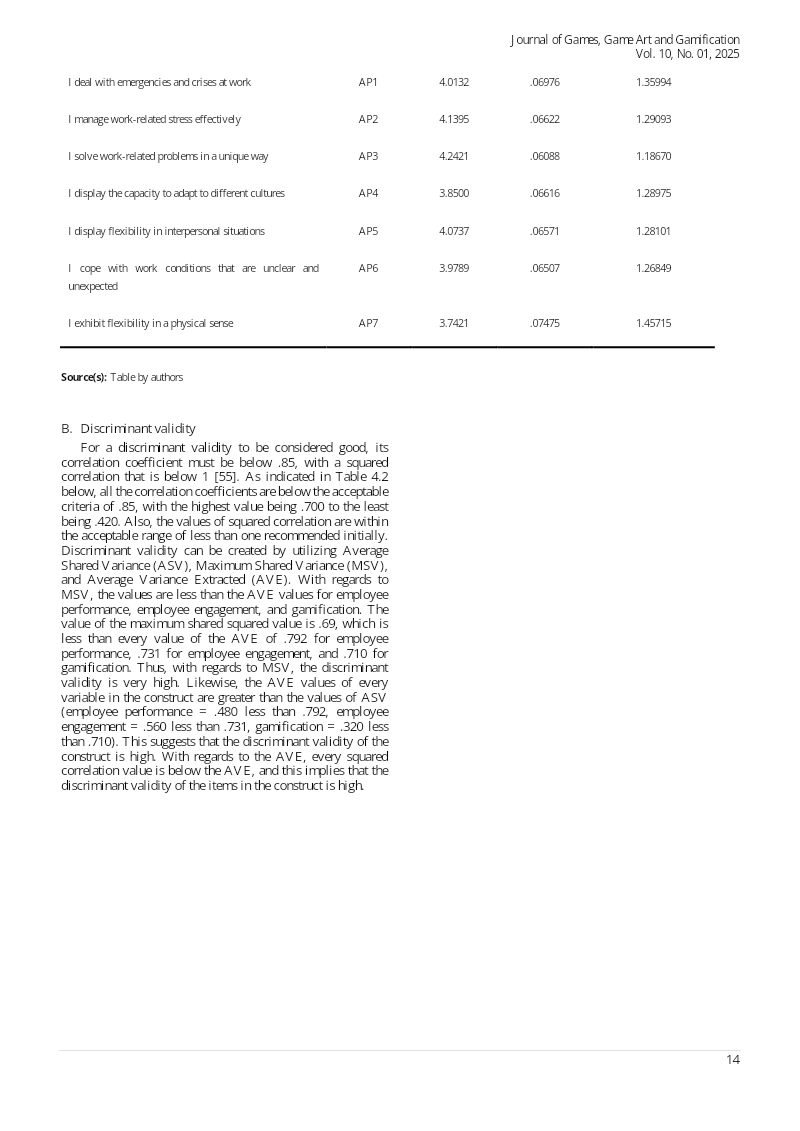
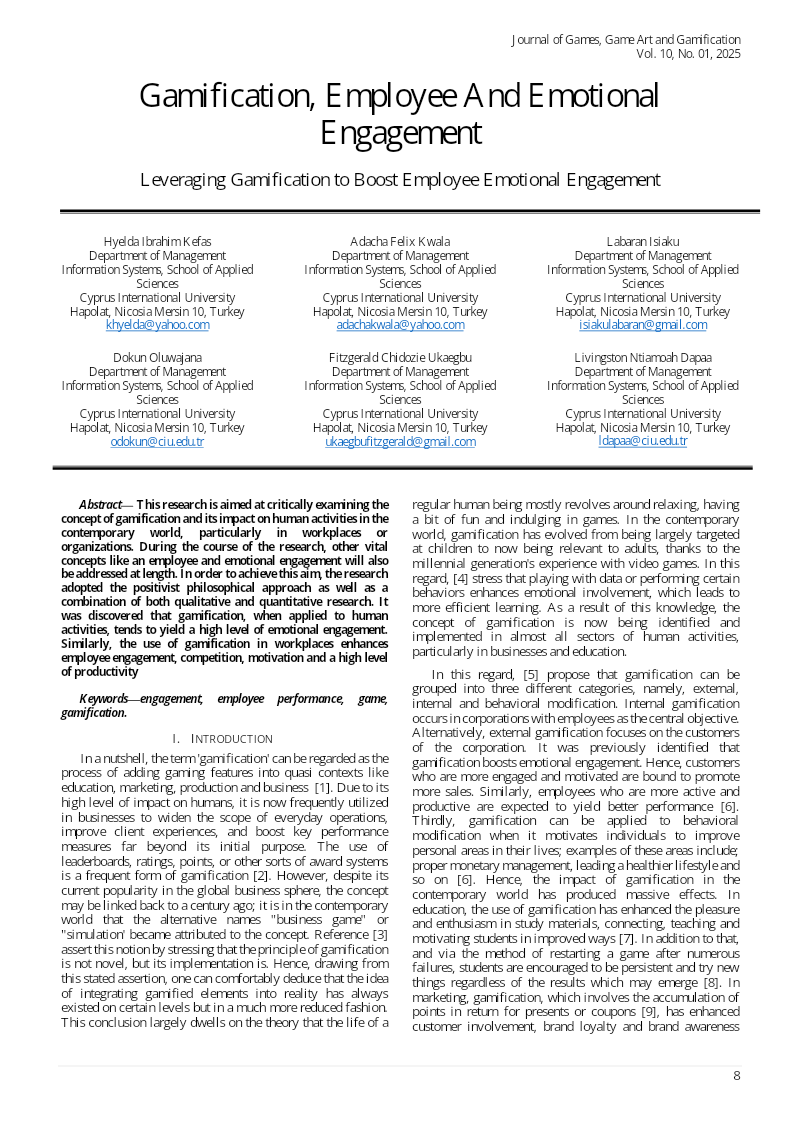
Journal of Games, Game Art, and Gamification · 2025
Journal of Games, Game Art, and Gamification · 2024
Journal of Games, Game Art, and Gamification · 2024
Journal of Games, Game Art, and Gamification · 2024
National Agency for Research and Innovation · 2026