
Journal of Games, Game Art, and Gamification
Open-access journal of Bina Nusantara University on games, game art, game design and gamification.
Documents
Adaptation of Historical Figures into Mobile Game Characters: Case Study of Hijikata Toshizo from Fate/Grand Order
The adaptation of historical figures into mobile gaming requires a delicate equilibrium between biographical fidelity and the creative demands of interactive narrative archetypes.
- Successful adaptation of historical figures requires a matrix-based methodology that maps biographical data against specific gameplay class archetypes.
- Character design for mobile titles like Fate/Grand Order relies on a strategic integration of historical fidelity and creative narrative requirements rather than a binary choice between the two.
- Developers anchor characters in reality by preserving key historical markers, such as Hijikata Toshizo’s disciplined leadership style and his transition to Western-influenced military attire.

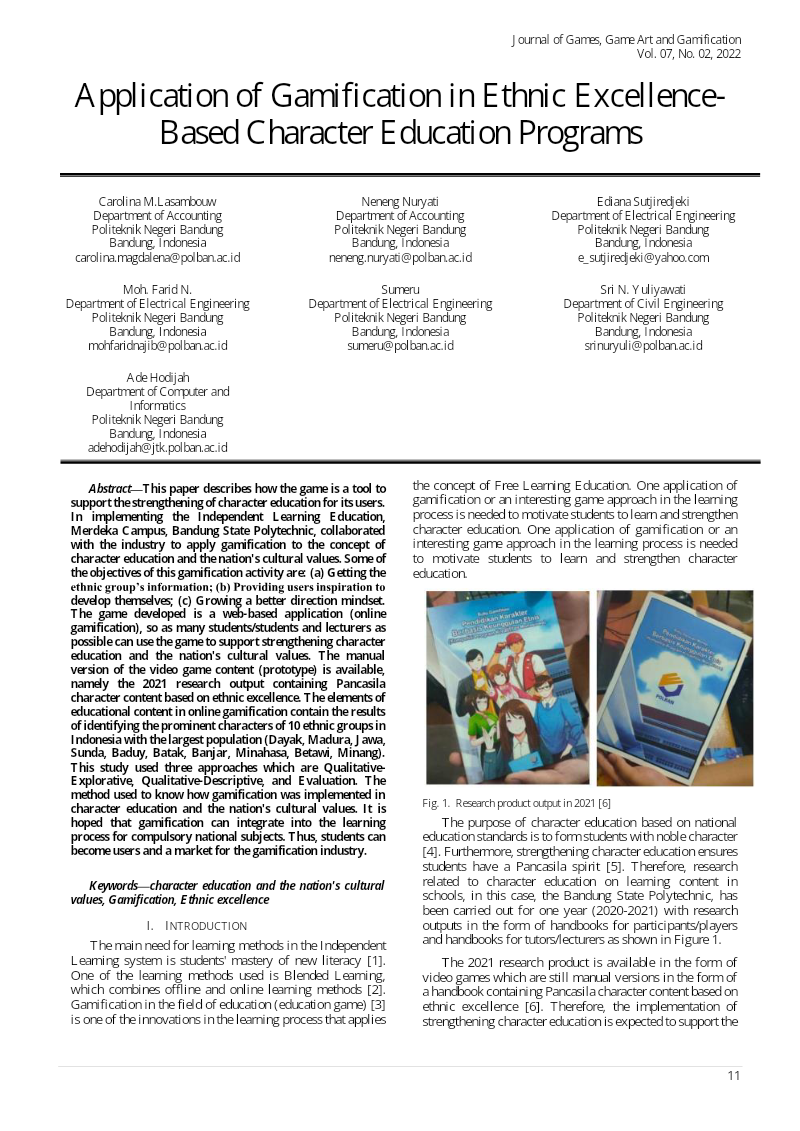
Application of Gamification in Ethnic Excellence-Based Character Education Programs
This study explores the integration of gamification into character education programs at the Bandung State Polytechnic in Indonesia.
- Bandung State Polytechnic developed a visual novel-style educational game using RPG Maker MV to teach Pancasila principles and ethnic character traits from Indonesia’s ten largest groups, including the Sunda, Jawa, Dayak, and Minangkabau.
- The gamified curriculum replaces abstract instruction with interactive mechanics such as leaderboards, badges, and variable-based challenges that require students to practice honesty, cooperation, and resilience.
- The platform supports a blended learning model where mentors facilitate sessions via online meeting platforms while students utilize mobile devices to track individual progress and performance.
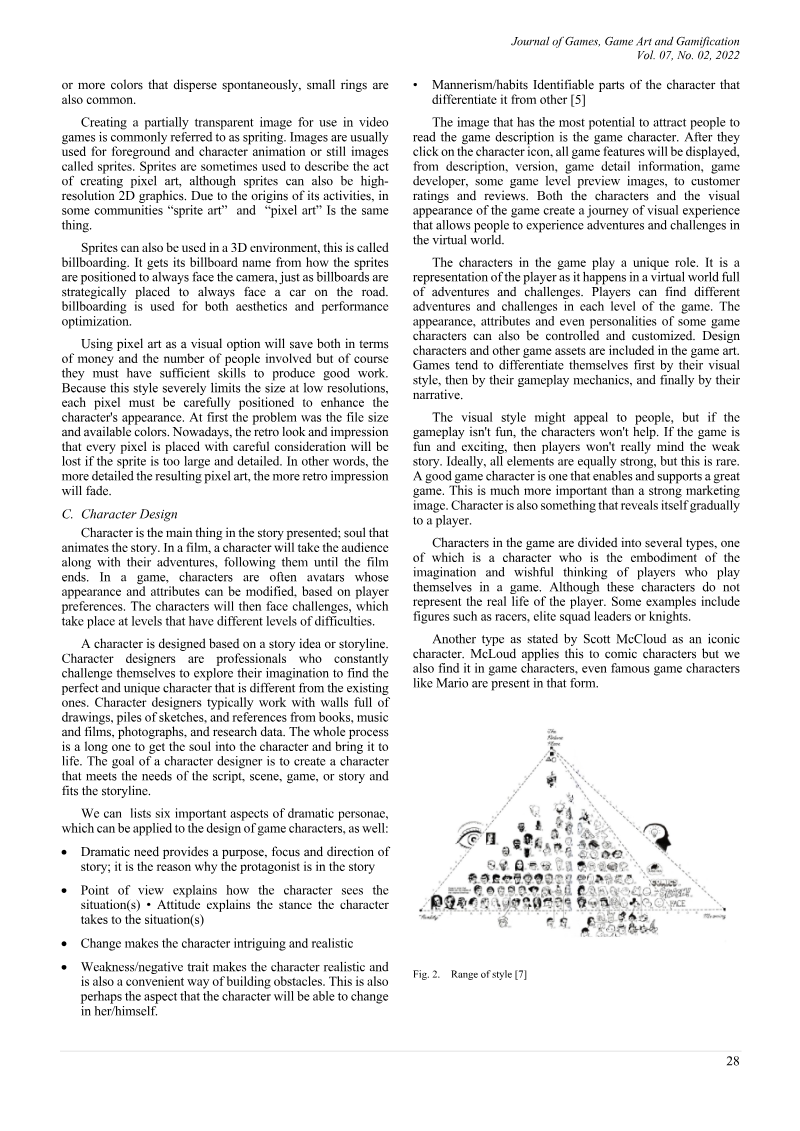
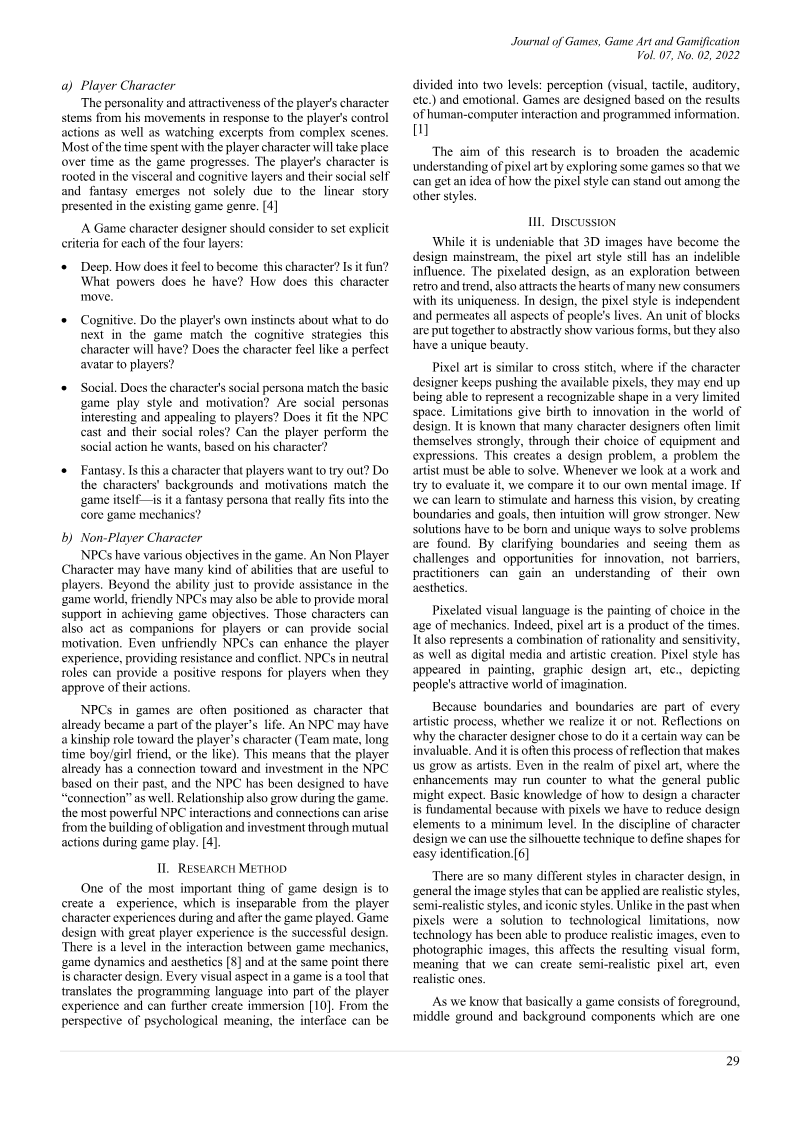
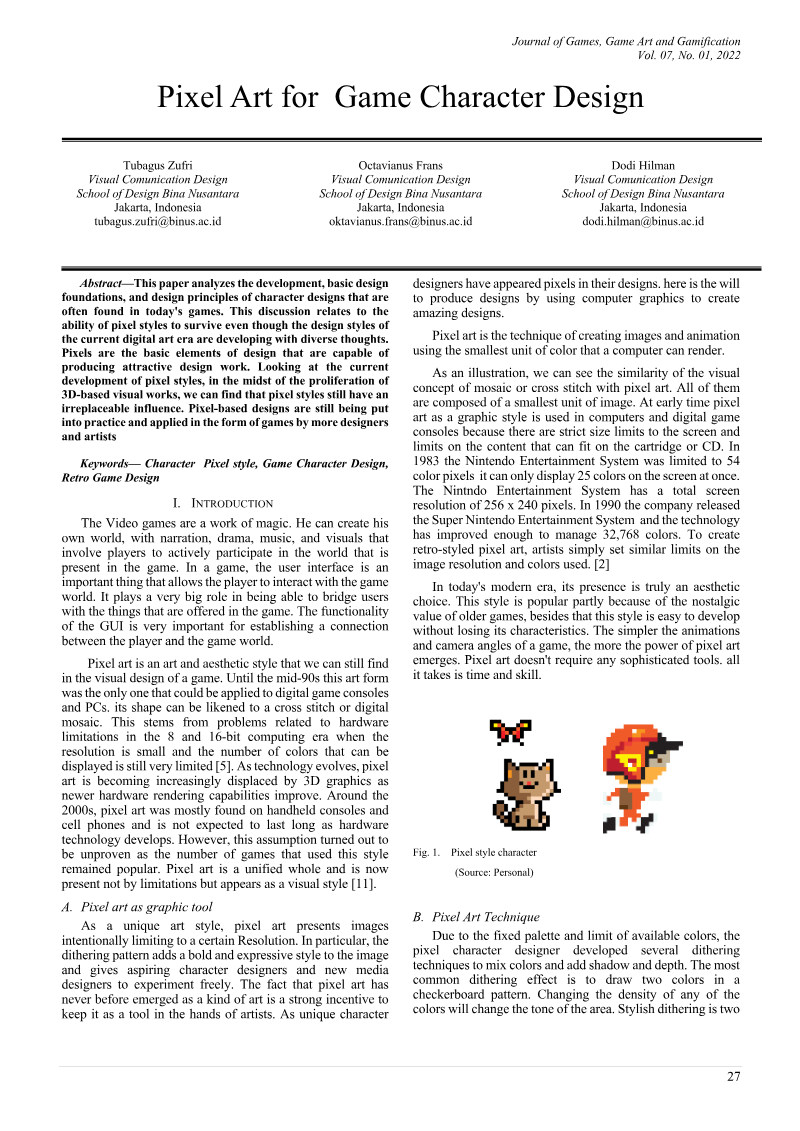
Pixel Art for Game Character Design
Pixel art remains a vital and enduring aesthetic in contemporary game design, transcending its origins as a byproduct of hardware limitations to become a deliberate stylistic choice.
- Pixel art has evolved from a hardware-constrained necessity into a deliberate stylistic choice used to create distinct visual identities in a market saturated with high-fidelity 3D graphics.
- Effective pixel art character design relies on the strategic use of silhouettes, dithering, and iconic representation to convey personality and narrative depth within low-resolution constraints.
- The abstraction inherent in pixel art encourages player engagement by requiring users to project their own imagination onto simplified avatars, which enhances immersion and gameplay clarity.
An Empirical Analysis of Ergonomic Gaming Peripherals Improving Gaming Performance
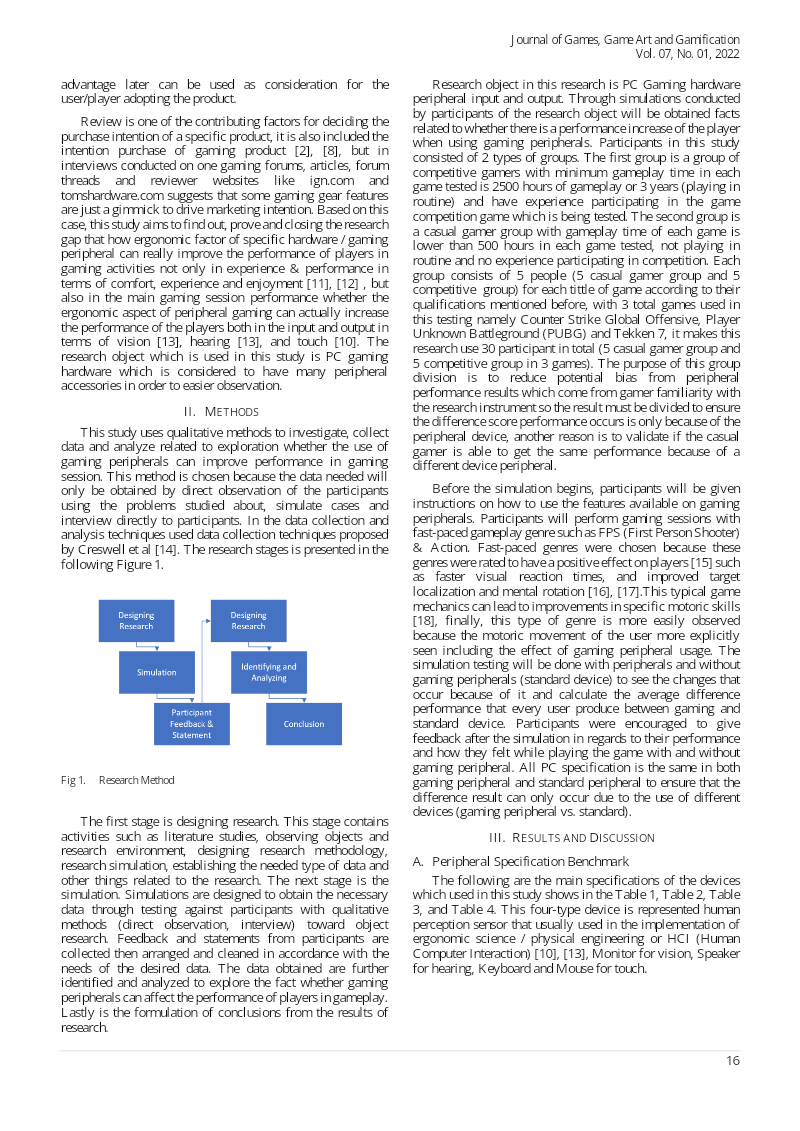
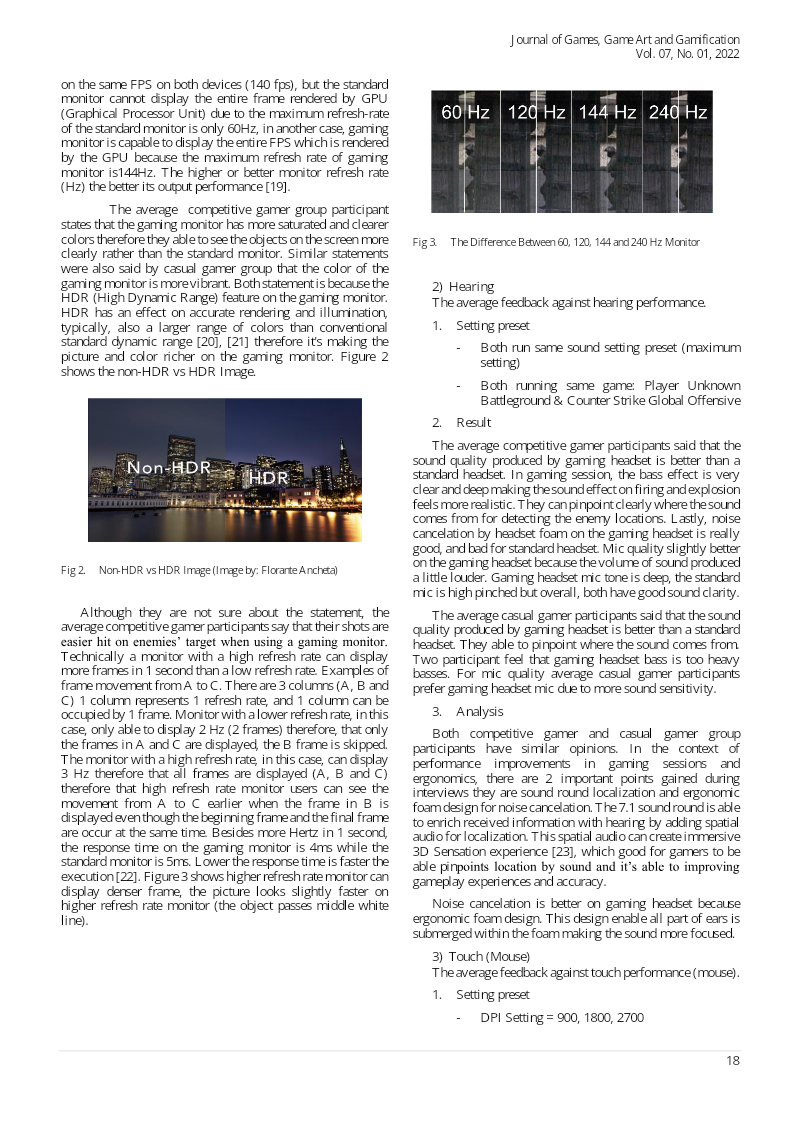
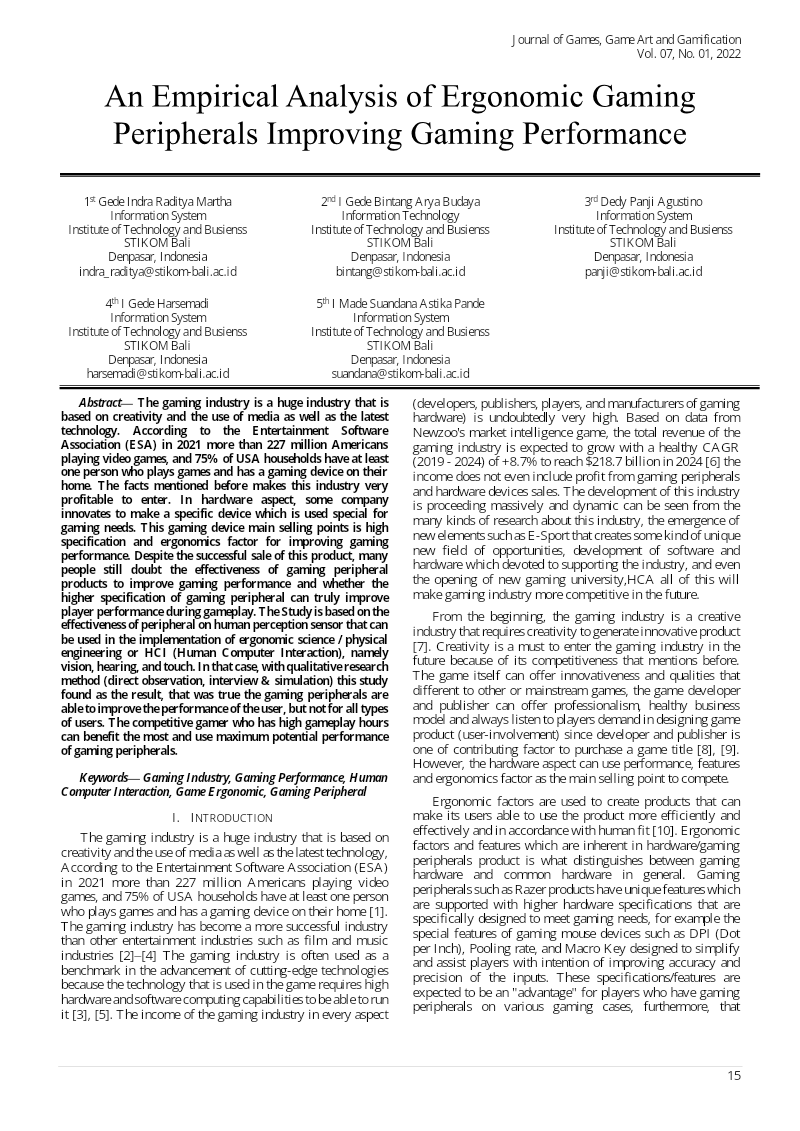
This study investigates the effectiveness of ergonomic gaming peripherals in enhancing player performance, specifically examining how hardware features related to vision, hearing, and touch influence gameplay.
- High-end gaming peripherals provide tangible performance benefits, but these advantages are primarily realized by competitive gamers with over 2,500 hours of experience.
- High-refresh-rate monitors, spatial audio headsets, and mechanical keyboards offer the most significant performance gains in reaction time, accuracy, and input efficiency.
- Hardware utility is highly dependent on user skill level, as casual gamers with fewer than 500 hours of experience derive less measurable benefit from advanced specifications.

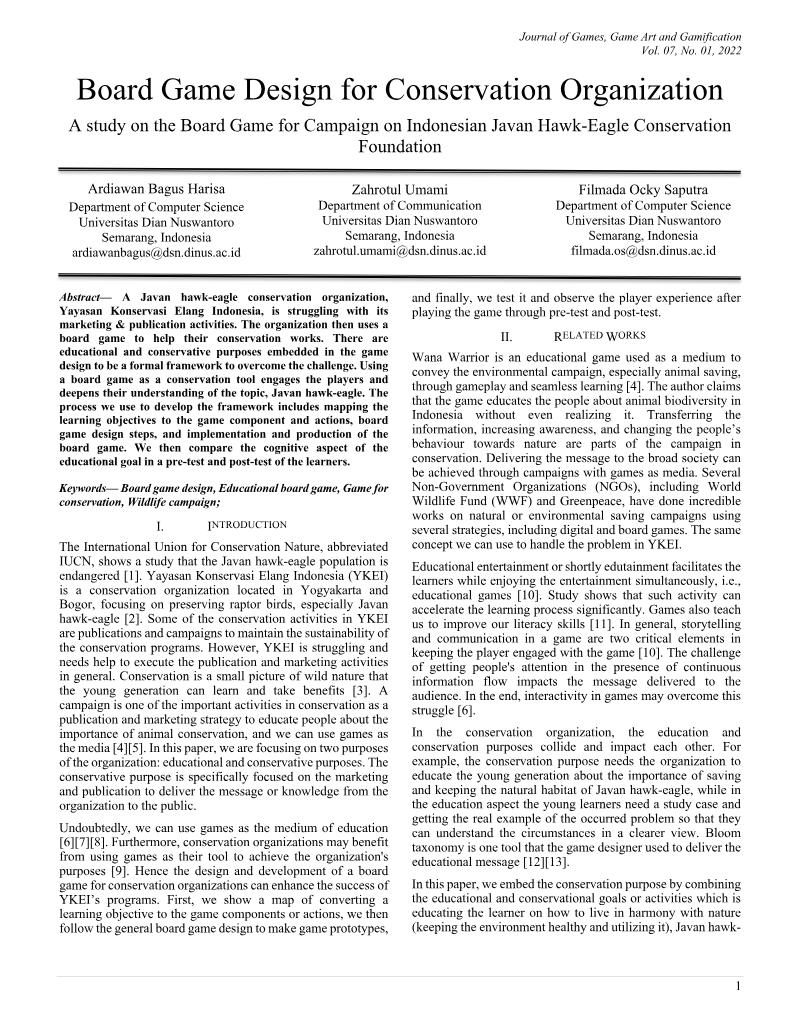
Board Game Design for Conservation Organization: A Study on the Campaign for Javan Hawk-Eagle
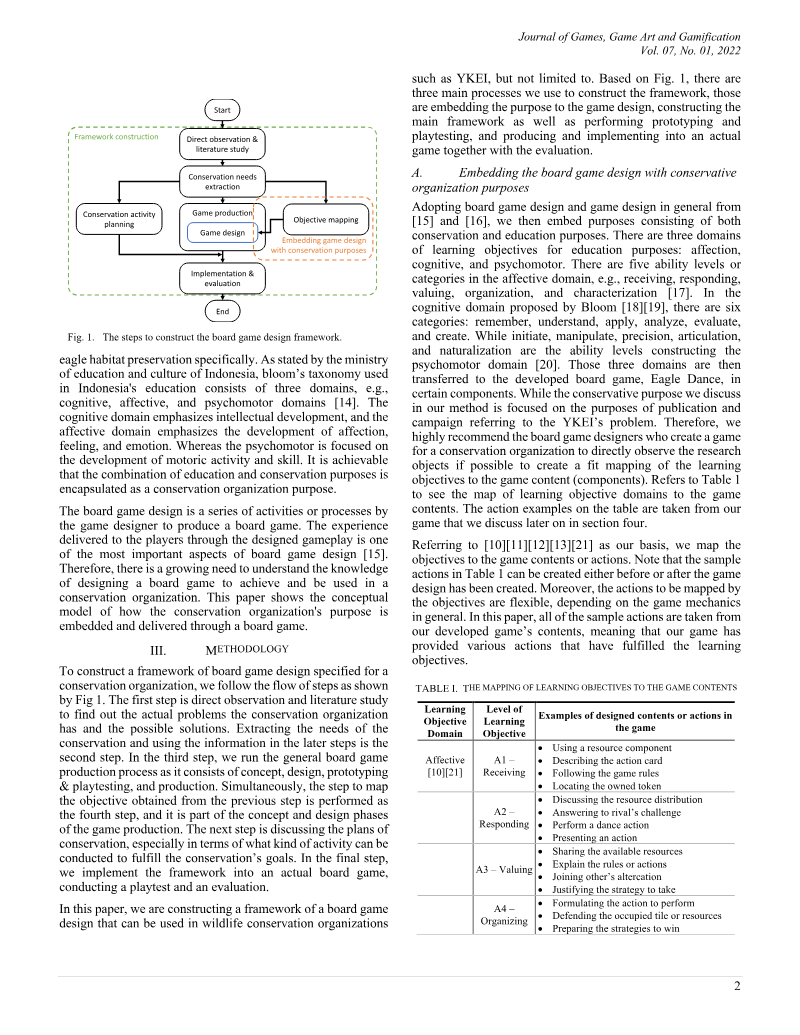
This study establishes a formal framework for designing educational board games to assist conservation organizations in their marketing and public awareness campaigns.
- Board games function as a highly effective educational tool for conservation, with participants in the 'Eagle Dance' study showing a 22.2% increase in knowledge retention, rising from 53.3% to 75.5% average test scores.
- A formal design framework maps specific learning objectives—categorized into cognitive, affective, and psychomotor domains—directly to game mechanics to ensure educational goals are met.
- The 'Eagle Dance' board game successfully simulated complex environmental challenges for the Javan hawk-eagle by integrating card drafting, dice rolling, and resource management mechanics.
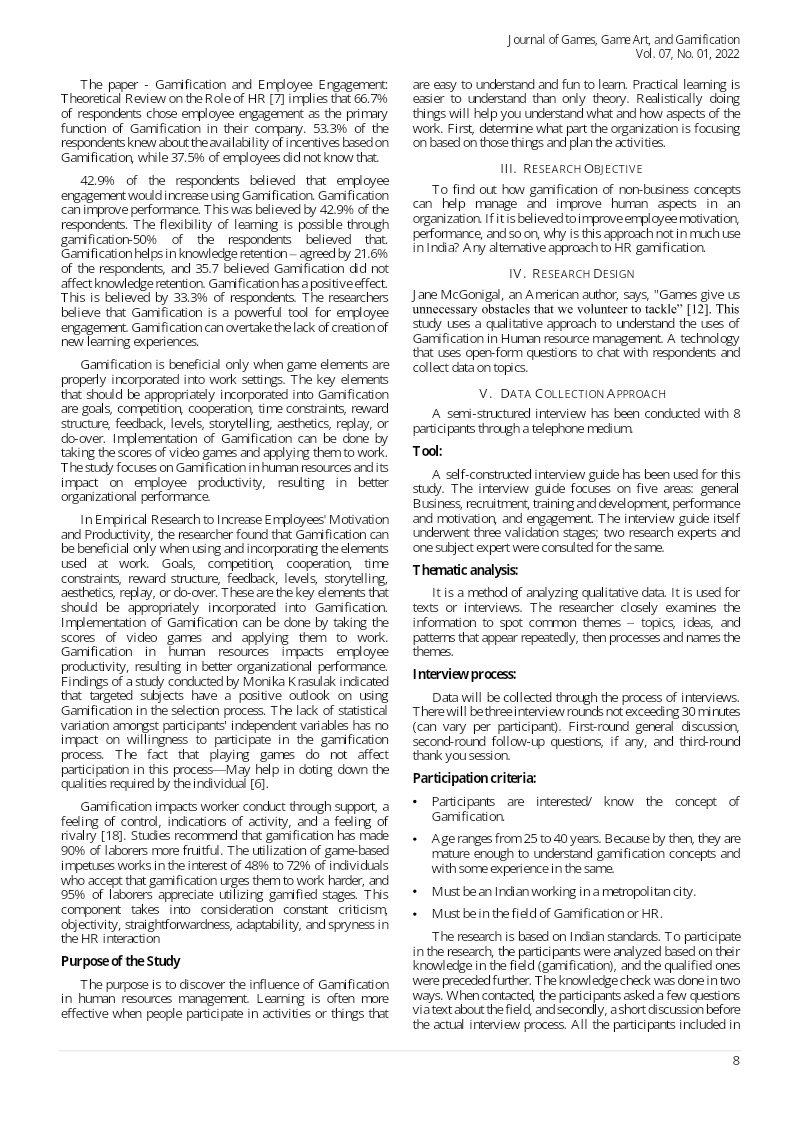

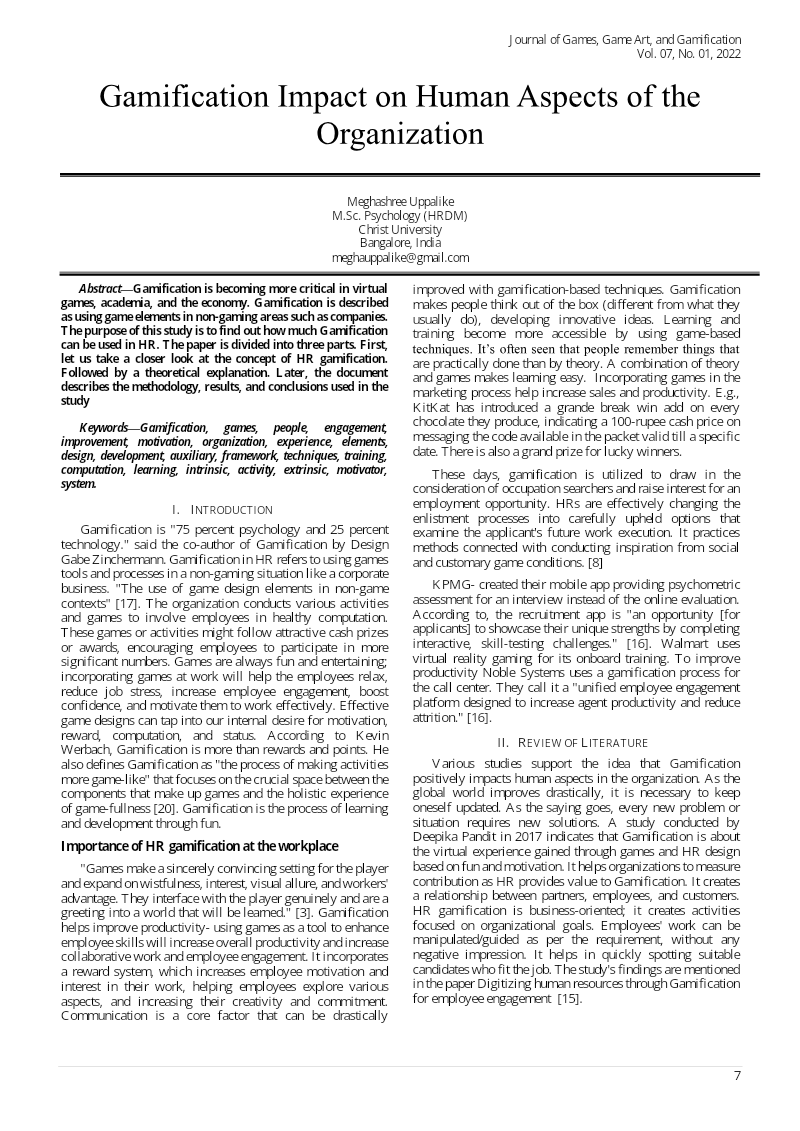
Gamification Impact on Human Aspects of the Organization: India
Gamification serves as a transformative tool within the Indian corporate landscape, functioning primarily as a strategic mechanism to enhance human resource management, recruitment, and marketing efforts.
- Gamification in India is a strategic tool used to enhance HR management, recruitment, and marketing by aligning individual employee behaviors with business objectives.
- Well-executed gamification significantly improves interpersonal communication, personal development, and overall workforce productivity.
- Implementation of gamification in India remains in a developmental phase, with adoption rates recorded at below 10 percent as of 2014.
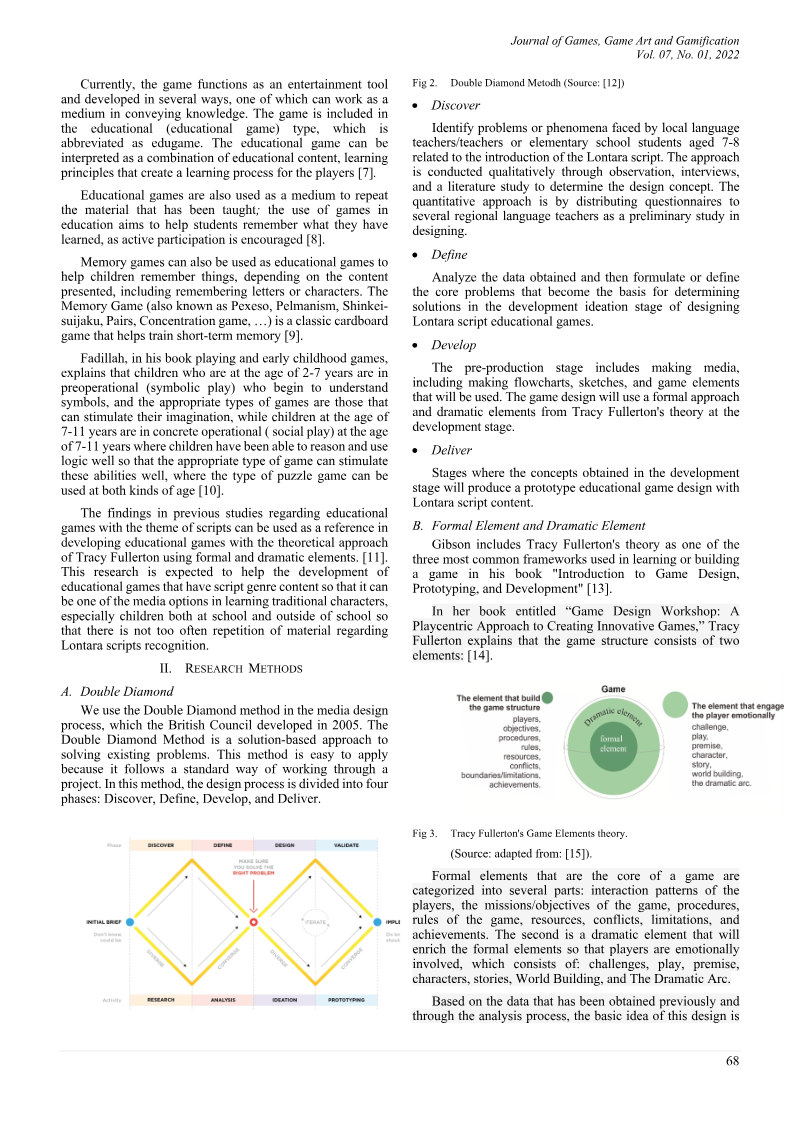

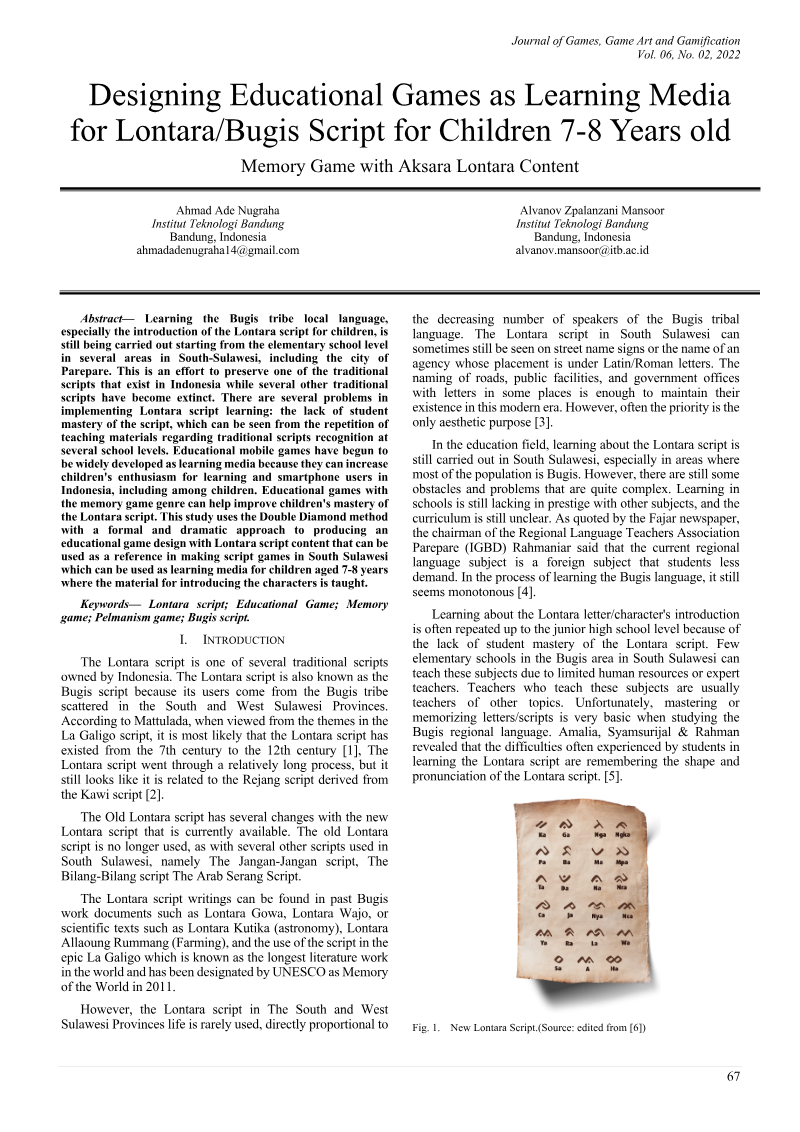
Designing Educational Games as Learning Media for Lontara/Bugis Script: Indonesia
This research addresses the decline in Lontara script literacy among children in South Sulawesi, Indonesia, by proposing a mobile educational game as a pedagogical tool.
- A survey of 35 regional language teachers in Parepare, Indonesia, found that 88.6% of students failed to master the Lontara script at the start of the academic term.
- The primary barriers to Lontara literacy are difficulties in memorizing complex visual character forms and their corresponding phonetic pronunciations.
- The 'Tara & Lontara' mobile game was developed using the Double Diamond methodology to replace ineffective, repetitive rote learning with interactive memory-matching puzzles.
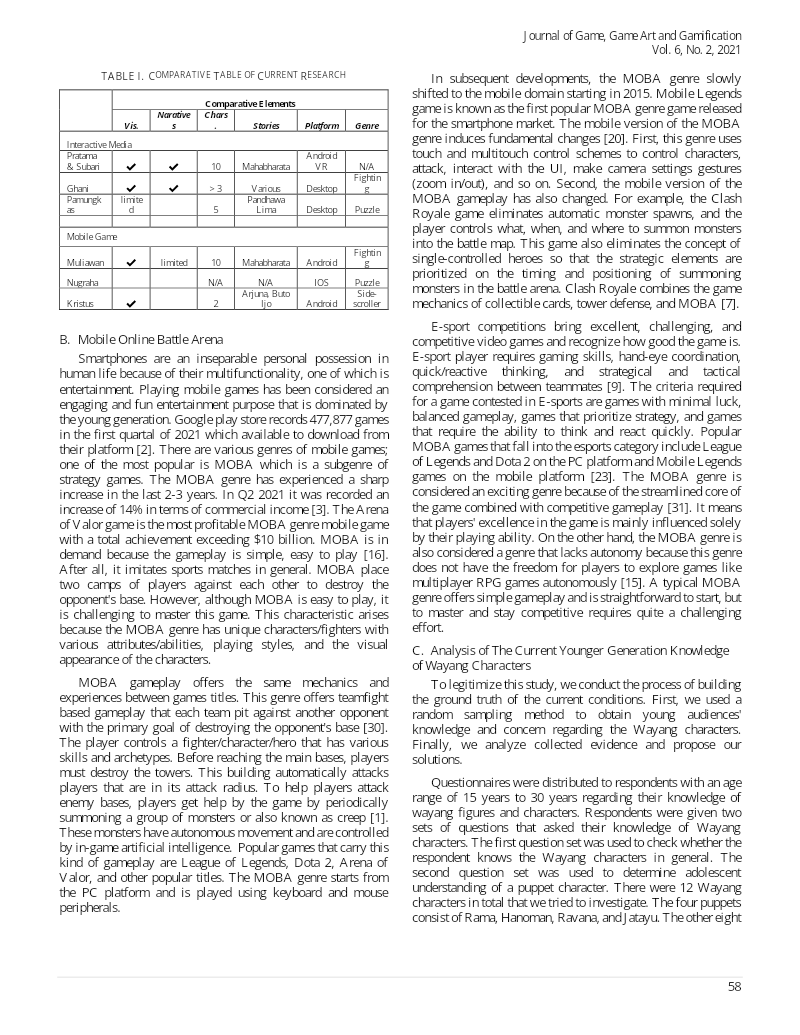
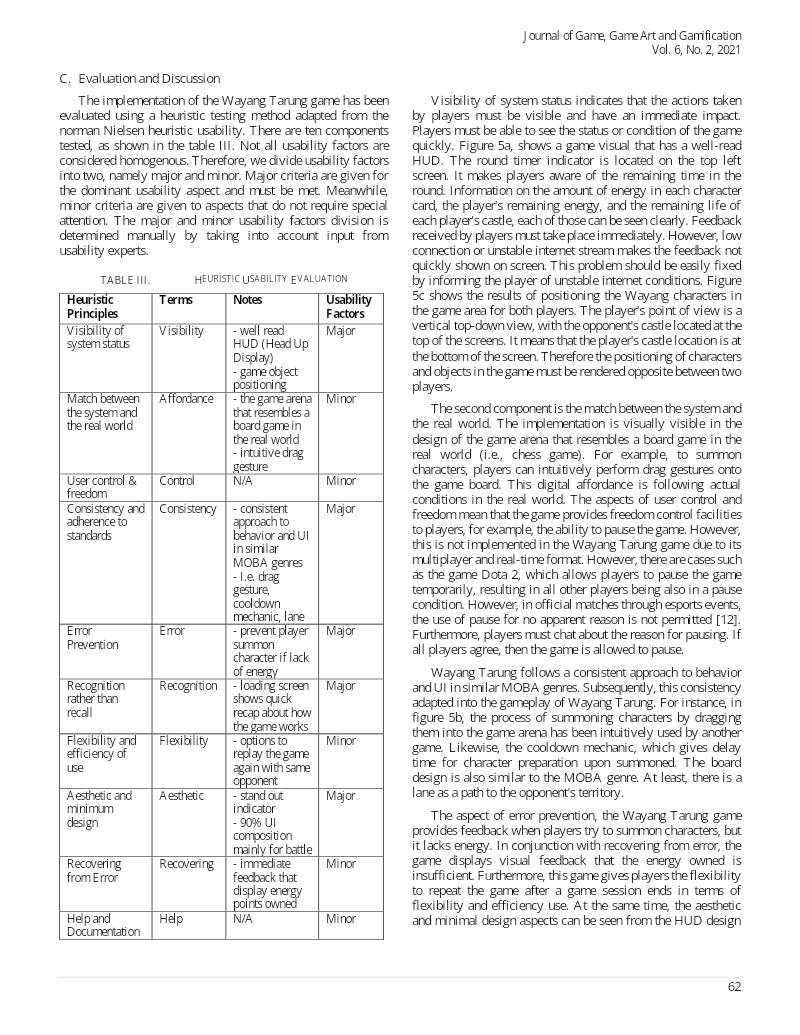
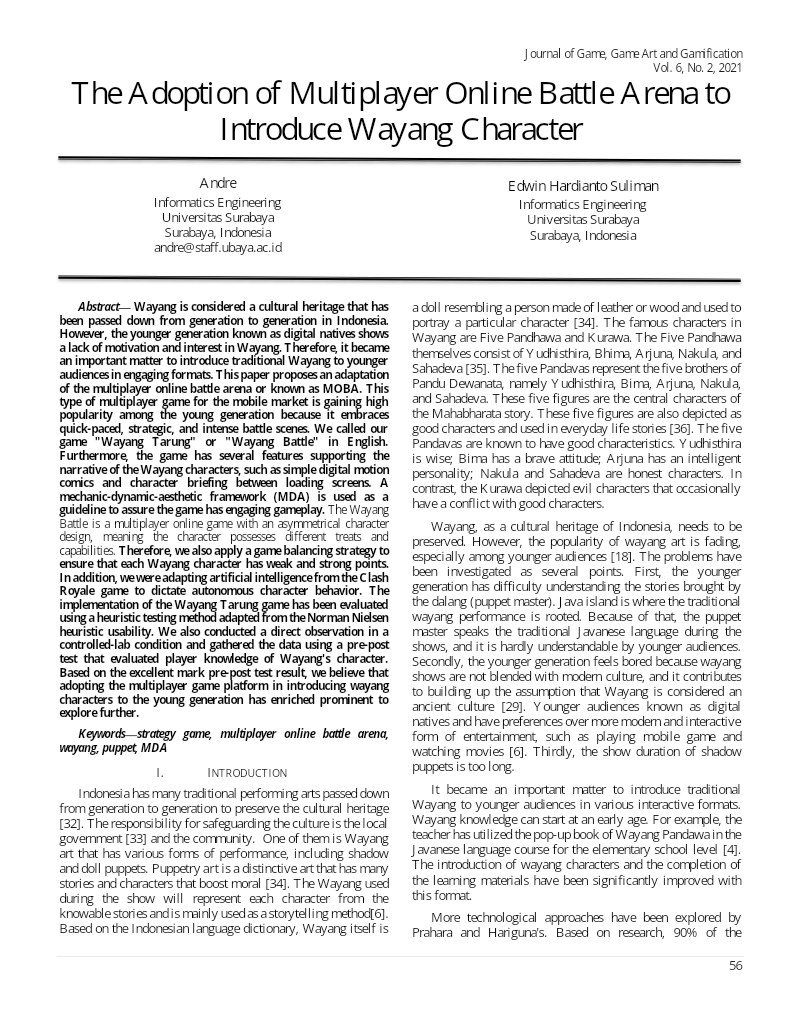
The Adoption of Multiplayer Online Battle Arena to Introduce Wayang Character
The integration of traditional Indonesian Wayang characters into the Multiplayer Online Battle Arena (MOBA) genre serves as a strategic intervention to revitalize cultural interest among digital-native youth.
- Integrating traditional Wayang characters into the MOBA genre significantly increases cultural literacy among digital-native youth, as evidenced by pre- and post-test evaluations.
- The 'Wayang Tarung' project utilizes the Mechanic, Dynamic, and Aesthetic (MDA) framework to ensure cultural education does not negatively impact gameplay quality.
- Technical implementation of the game relies on a multithreaded server architecture to support real-time multiplayer interactions while maintaining character balance.

Awal Mula Peh Cun di Tangerang: An Animated Film about Acculturation of Chinese Culture
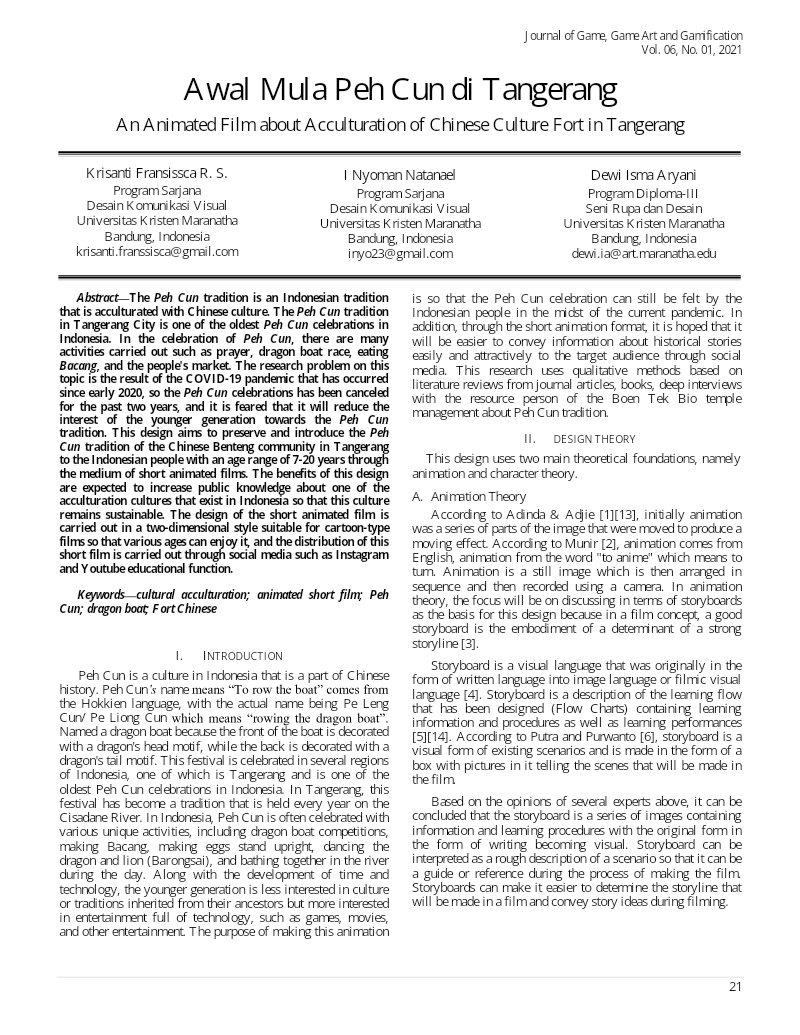
The Peh Cun festival, a long-standing tradition of the Chinese Benteng community in Tangerang, Indonesia, has faced significant disruption due to the COVID-19 pandemic.
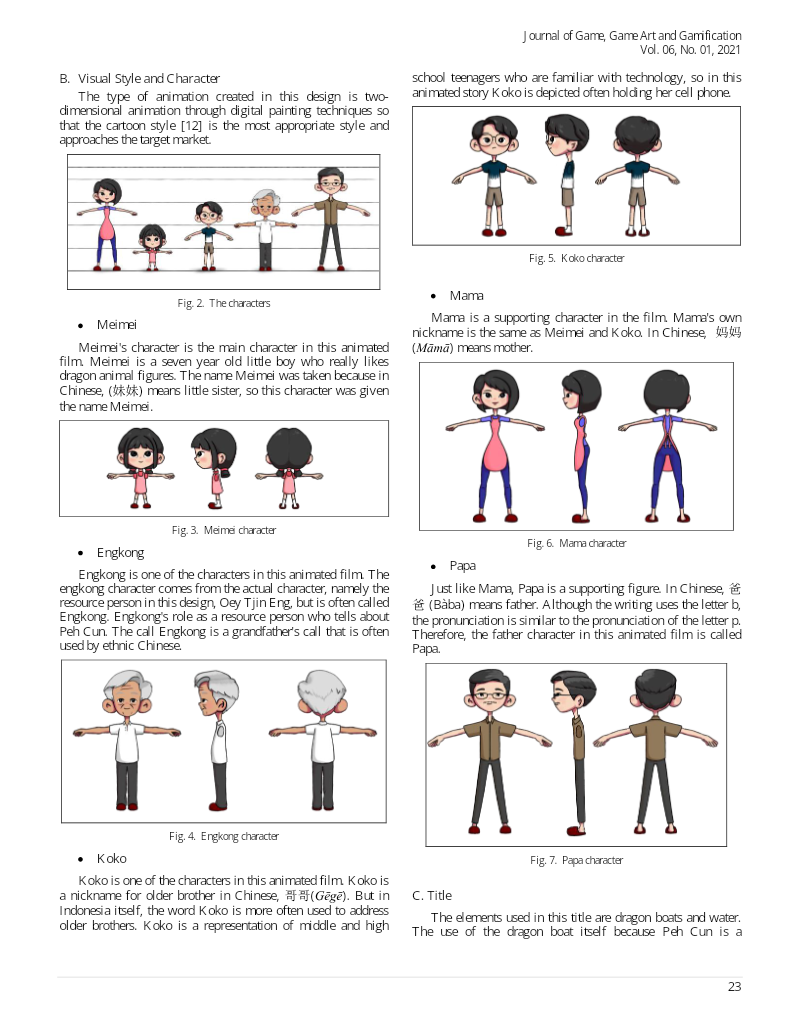
- The Peh Cun festival project utilizes a 2D animated short film to preserve Chinese Benteng cultural traditions in Tangerang, Indonesia, following the cancellation of public celebrations in 2020 and 2021 due to COVID-19.
- The film is strategically designed to engage a target demographic of 7 to 20-year-olds by using a cartoon aesthetic and a narrative focused on a young boy and his family.
- Historical accuracy was maintained through qualitative research and interviews with management from the Boen Tek Bio temple.
Gamification Framework for Programming Course in Higher Education
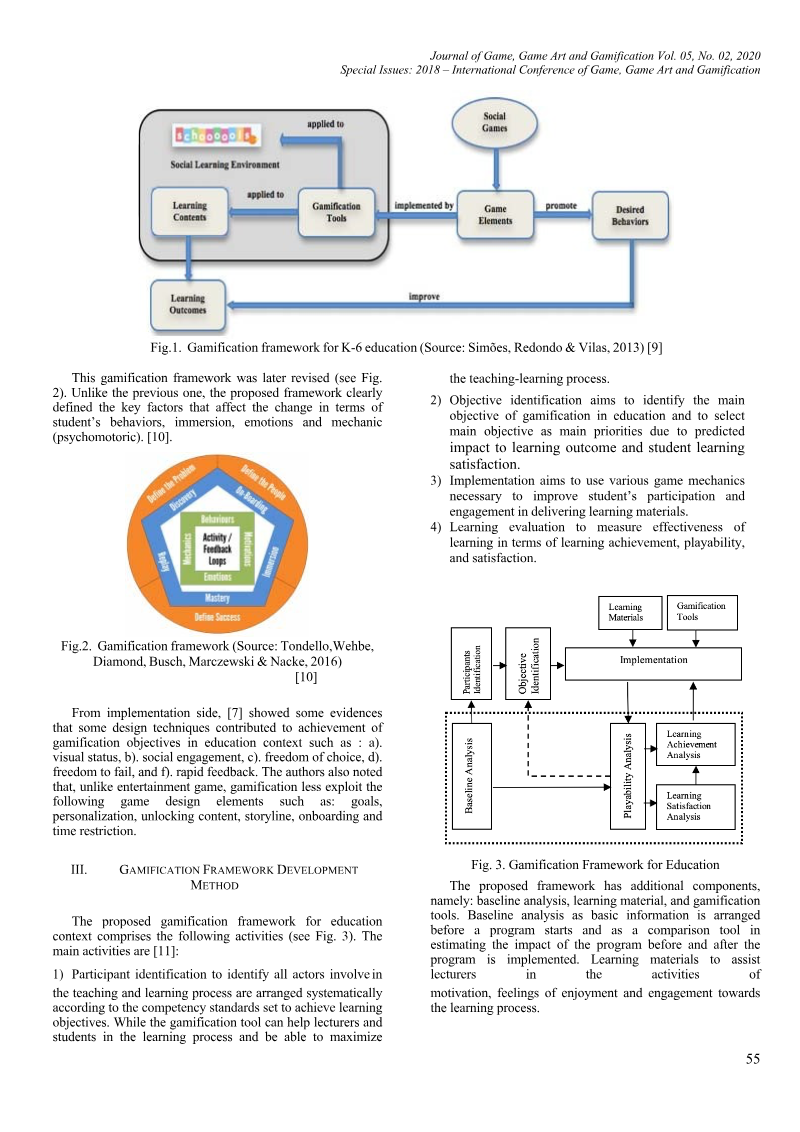
This research presents a structured gamification framework designed to enhance student engagement, motivation, and learning outcomes within higher education programming courses.
- Students using the gamification framework achieved learning outcomes 15% to 25% higher on average compared to those taught via conventional methods.
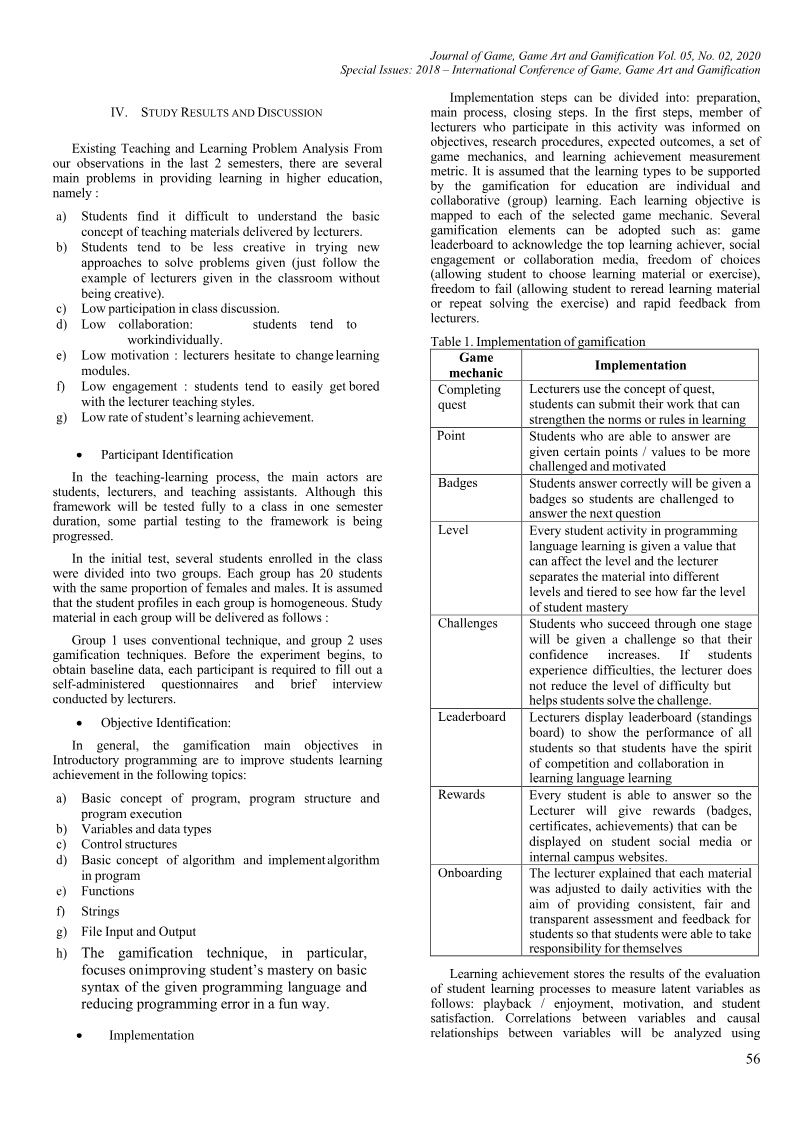
- The framework integrates specific game mechanics including quests, leaderboards, badges, and level-based progression to replace traditional instructional models.
- Implementation of the framework directly addresses common educational challenges such as low class participation, limited student collaboration, and boredom.
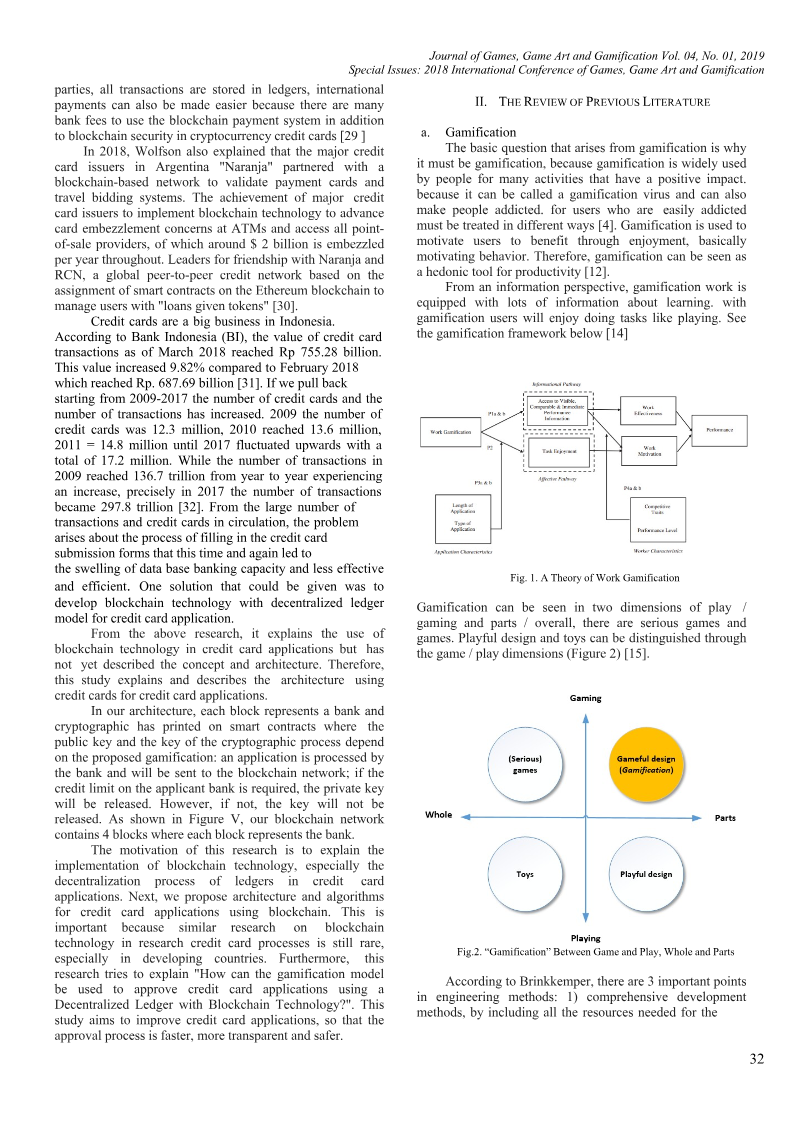
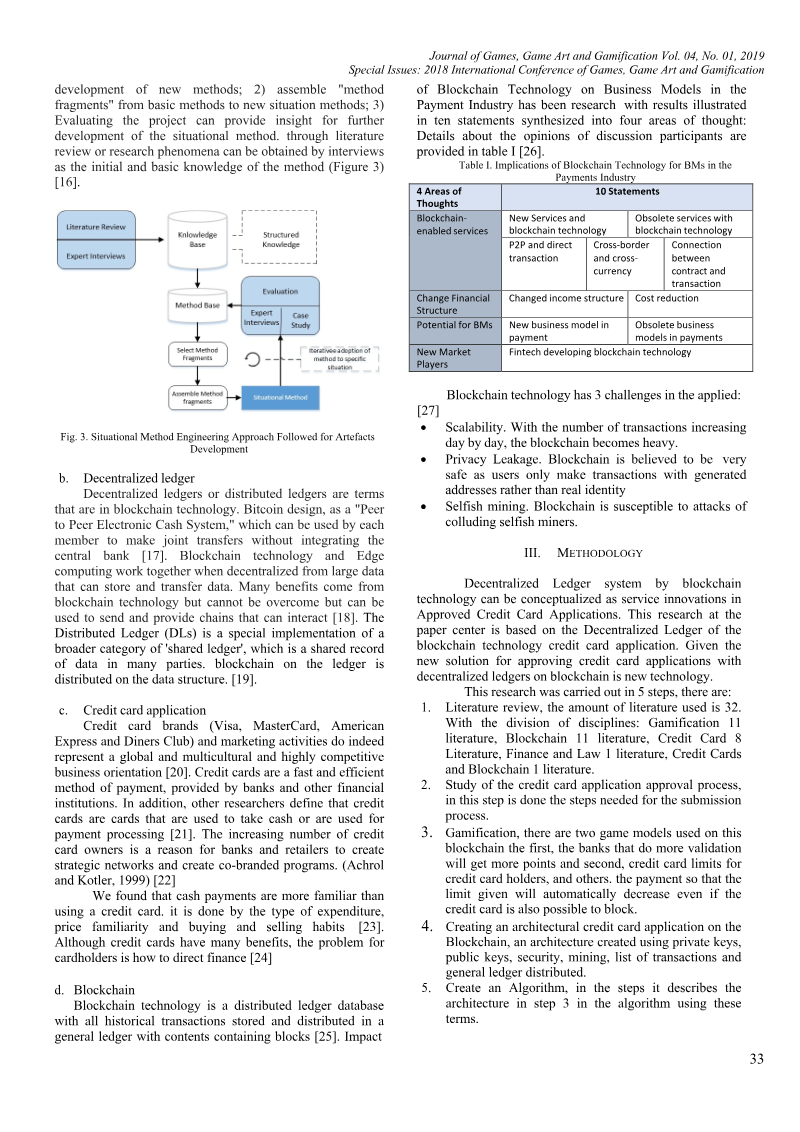
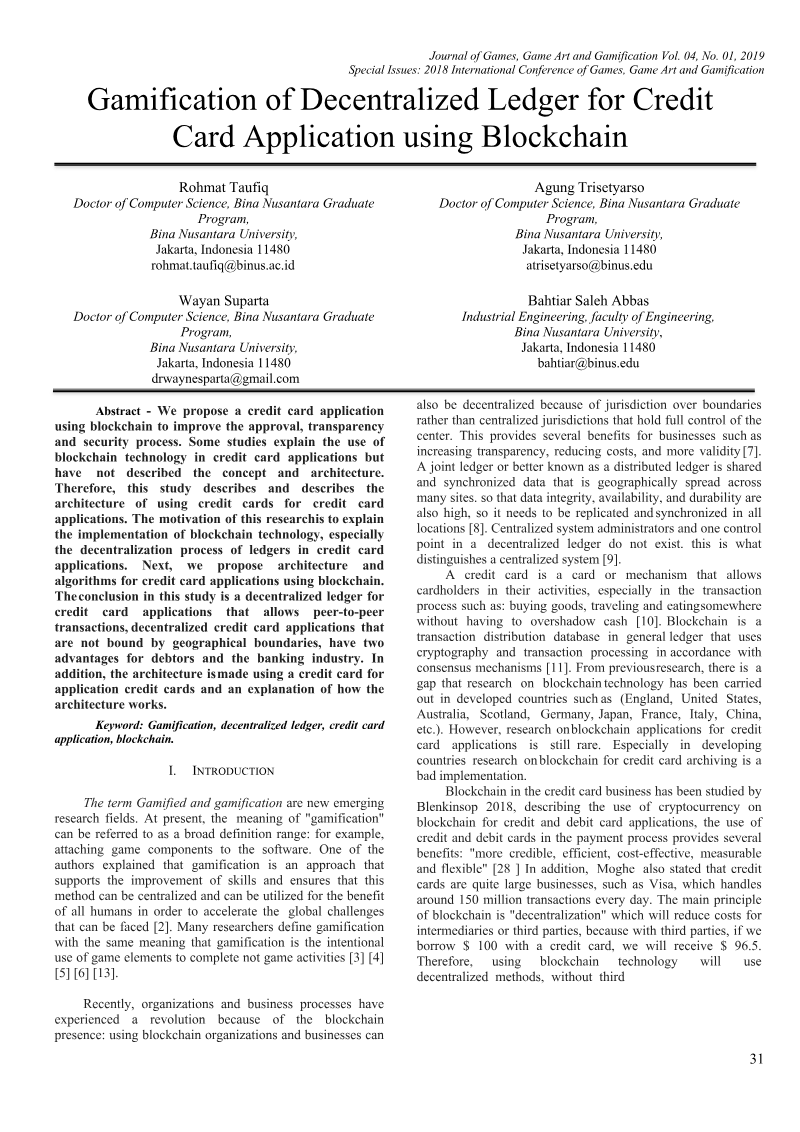
Gamification of Decentralized Ledger for Credit Card Application using Blockchain
This research proposes a decentralized architecture for credit card applications using blockchain technology to enhance transparency, security, and efficiency.
- A decentralized blockchain architecture replaces centralized banking control to streamline credit card applications, reducing reliance on intermediaries and removing geographical constraints.
- The proposed model utilizes a four-bank node network governed by smart contracts to automate applicant validation, blacklist checks, and real-time credit limit adjustments.
- Gamification elements are integrated into the ledger to incentivize banks for thorough validation and to reward consumers based on their specific payment behaviors.
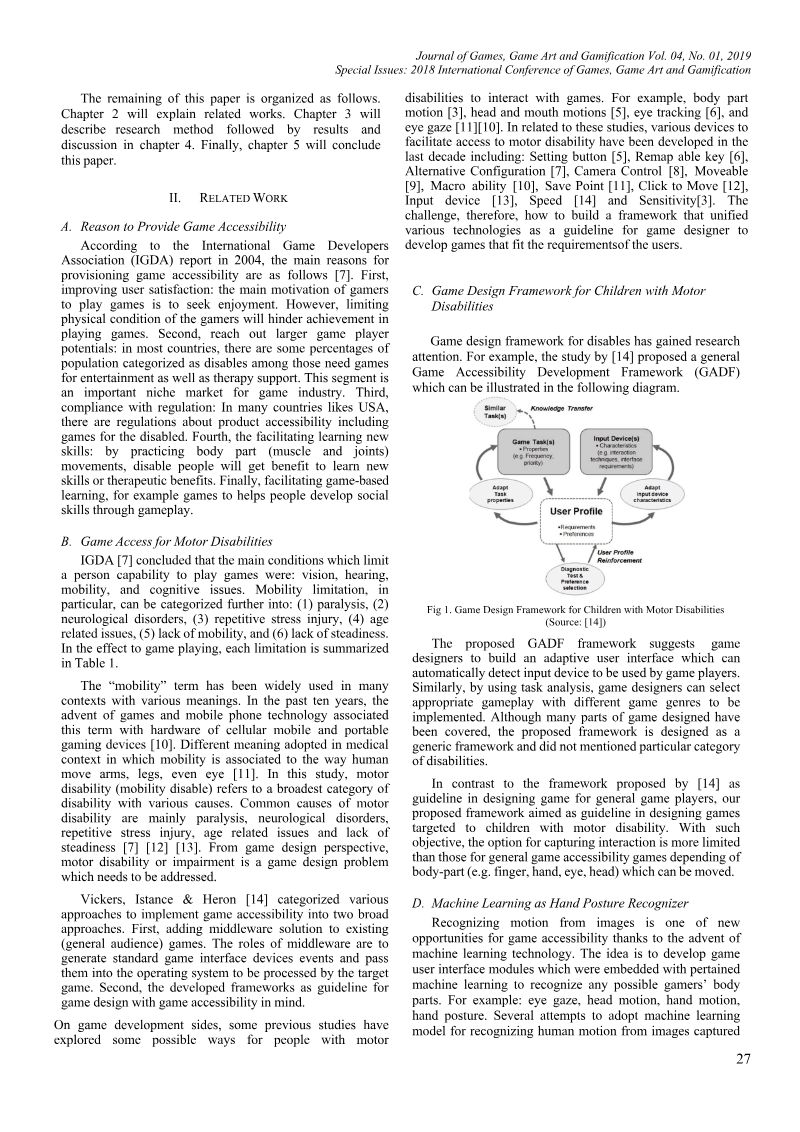
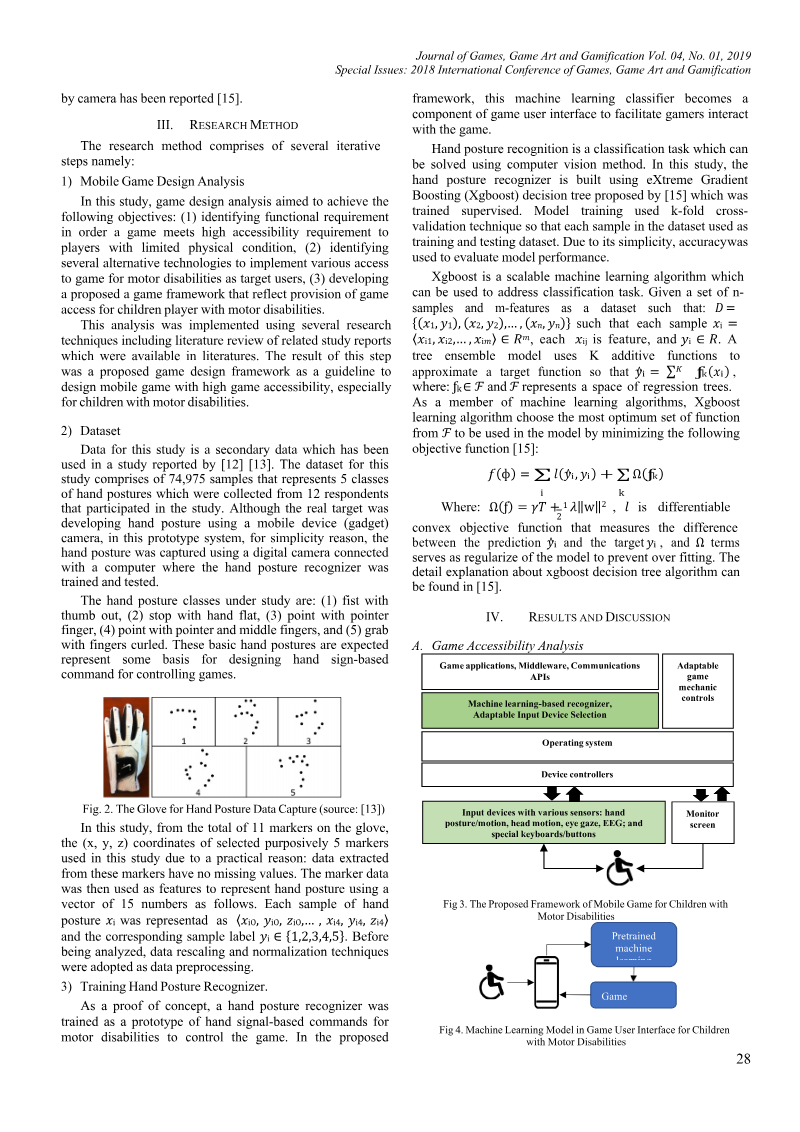
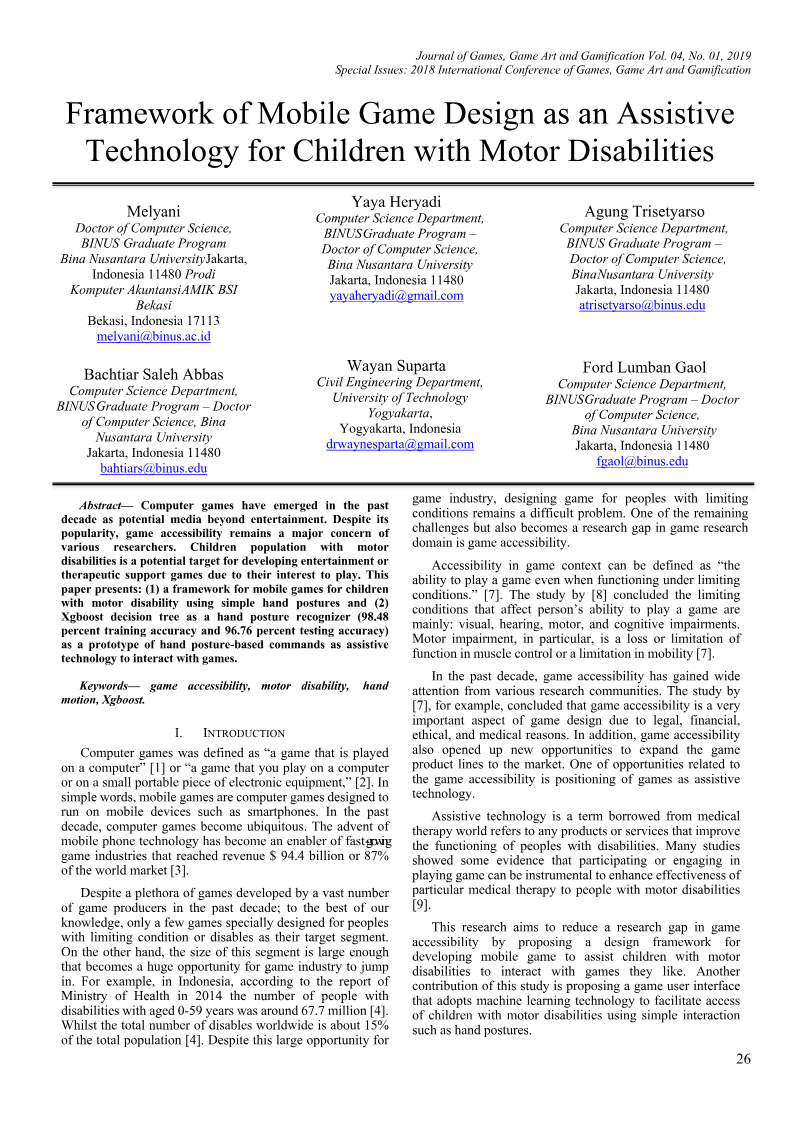
Framework of Mobile Game Design as an Assistive Technology for Children with Motor Disabilities
This research proposes a specialized design framework for mobile games intended to improve accessibility for children with motor disabilities.
- Integrating machine learning-based hand posture recognition into mobile game interfaces allows developers to map limited physical movements to functional in-game commands.
- A prototype hand posture recognizer using the Xgboost algorithm achieved 98.48% training accuracy and 96.76% testing accuracy across five distinct hand postures.
- The model was trained on a dataset of 74,975 samples collected from 12 participants, validating the technical feasibility of adaptive input systems.