
GameMakers
F2P product management, game design, and monetization strategy by Joseph Kim.
Documents
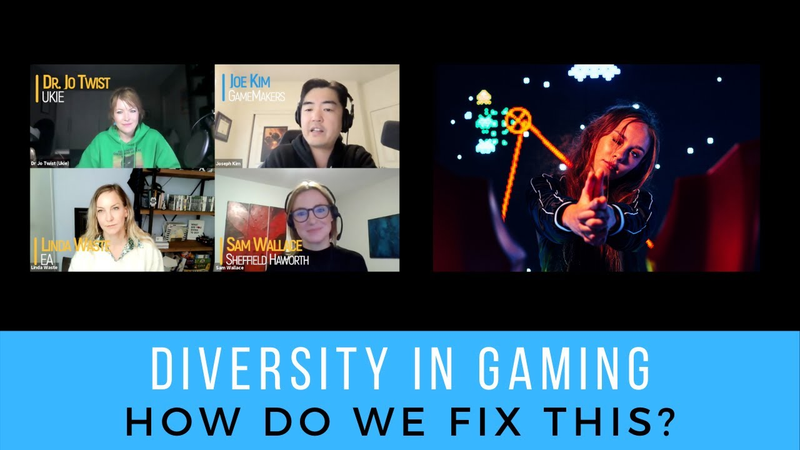
Diversity in Gaming | Addressing Inequality for Women
The gaming industry faces a persistent gender diversity gap rooted in systemic supply-side barriers, including inadequate early education in technical fields and entrenched stereotypes.
- Achieving gender parity requires viewing diversity as a core business imperative, as recruiting female talent requires approximately 30% more interaction than traditional hiring processes.
- Organizations must move beyond performative gestures by holding managers directly accountable for the retention and advancement of women rather than relying on superficial mentoring programs.
- Recruitment strategies must shift from narrow, legacy-based hiring criteria to prioritizing transferable skills to overcome systemic supply-side barriers and unconscious bias in executive search networks.
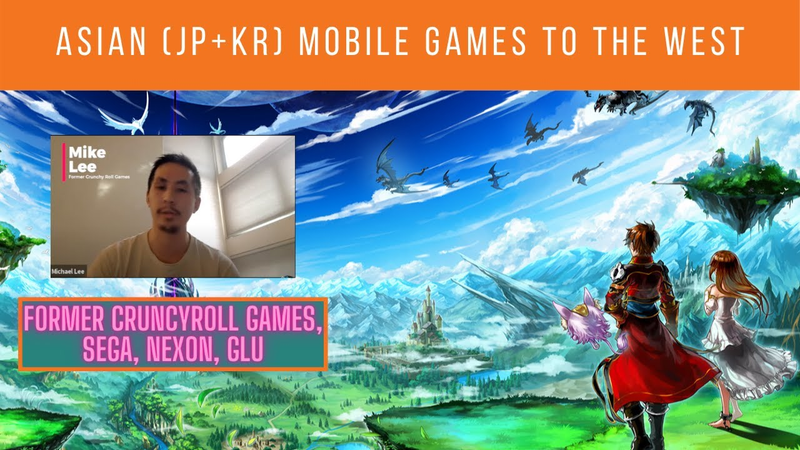
How Do Asian Game Pubs (JP + KR) Bring Games to the West? | Mike Lee (Crunchyroll, SEGA, Nexon, Glu)
Japanese and Korean game publishers face distinct strategic hurdles when expanding into Western markets, often characterized by a tension between domestic design philosophies and global consumer expectations.
- Japanese and Korean publishers often treat the West as a secondary market for incremental revenue, leaving them vulnerable to Chinese developers who prioritize aggressive, global-first strategies.
- Successful Western market entry for Asian studios frequently relies on combining high-fidelity RPG mechanics with established anime or Western intellectual properties, as demonstrated by companies like Netmarble.
- Asian publishers face significant financial risk due to high licensing costs and the difficulty of adapting games designed for isolated domestic markets to Western consumer expectations.

Consumer Insights In Gaming | Blizzard, Zynga, Beta Hat, and Well Played
Consumer insights serve as a vital bridge between internal business analytics and external market realities, functioning as the essential voice of the player throughout the entire game development lifecycle.
- Consumer insights are now a core component of product development rather than a marketing-only function, serving as the primary bridge between internal analytics and external market realities.
- Effective research prioritizes the quality and relevance of participant samples over raw volume to ensure actionable feedback that informs creative decision-making.
- Studios should avoid over-reliance on singular metrics like Net Promoter Score, as tying these to financial incentives often leads to data manipulation and flawed predictive modeling.
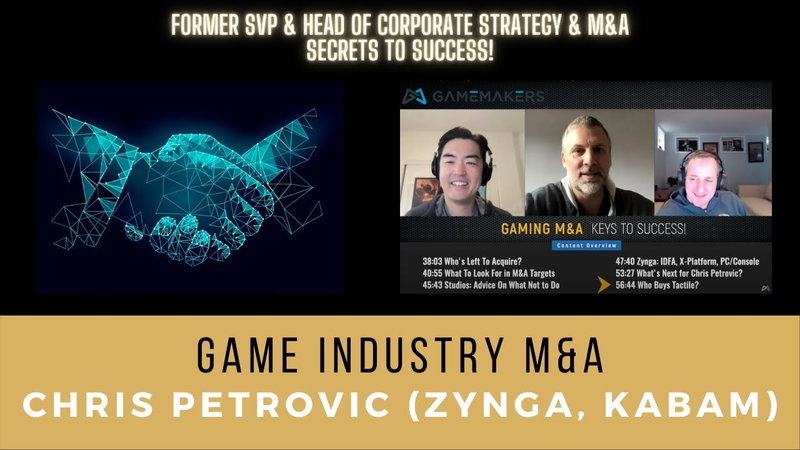
Games Industry M&A: Keys to Success with Chris Petrovic (Zynga, Kabam)
The gaming industry’s approach to mergers and acquisitions has shifted toward a model prioritizing long-term sustainability and the cultivation of forever franchises.
- Successful M&A in the gaming industry has shifted from volume-based acquisition to a disciplined framework focused on long-term sustainability and the cultivation of 'forever franchises.'
- The 'city-state' model is the preferred operational structure, balancing corporate-level infrastructure and user acquisition efficiencies with the preservation of studio creative autonomy.
- Strategic integration now relies on long-term relationship building, often spanning years, to ensure cultural alignment and strategic fit before a transaction is finalized.
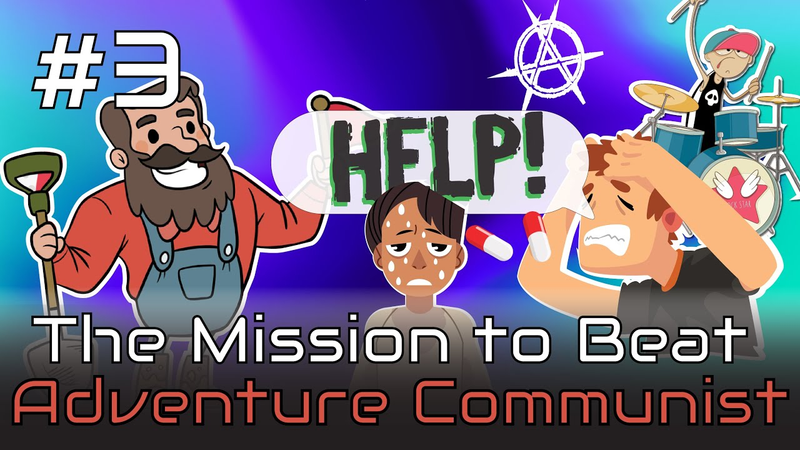
Designing a game as good or better - Adventure Communist. PART 3
The idle game market is dominated by highly optimized titles like Adventure Communist, which set a high bar for technical polish, economic balance, and user retention.
- Directly competing with established idle games like Adventure Communist is high-risk because their economic models, UI, and monetization structures are already highly optimized.
- Success in the idle game market requires thematic differentiation rather than minor mechanical adjustments to existing formulas.
- Iterative concepts that only add social layers or dual-production mechanics, such as the 'Pills vs. Zombies' model, struggle to overcome the dominance of market leaders.
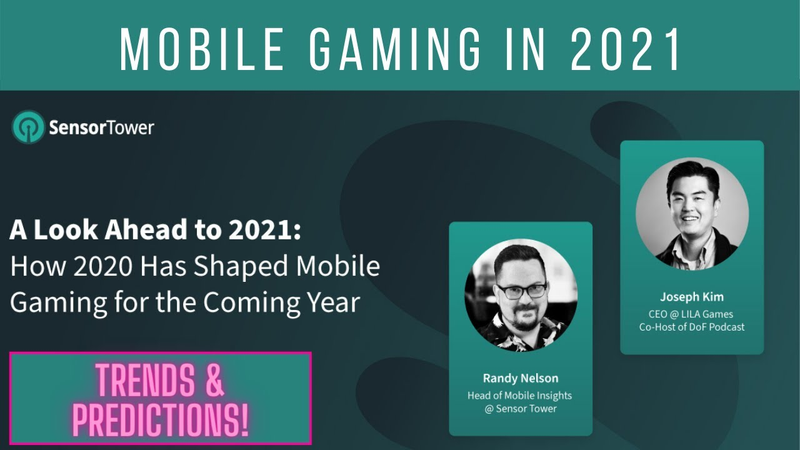
Mobile Gaming Trends in 2021 | Joe Kim (LILA Games)
The mobile gaming industry is currently undergoing a structural transformation, moving away from centralized, office-based models toward globally distributed, remote-first organizations.
- The mobile gaming industry is shifting toward remote-first, globally distributed organizational models to leverage talent in emerging markets like India for improved agility and cost efficiency.
- Product strategy in 2021 is moving away from direct competition with established battle royale titles in favor of sub-genre innovation and specialized experiences within the mobile shooter category.
- The deprecation of IDFA is forcing studios to pivot away from hyper-targeted advertising toward broader, less targeted monetization strategies.
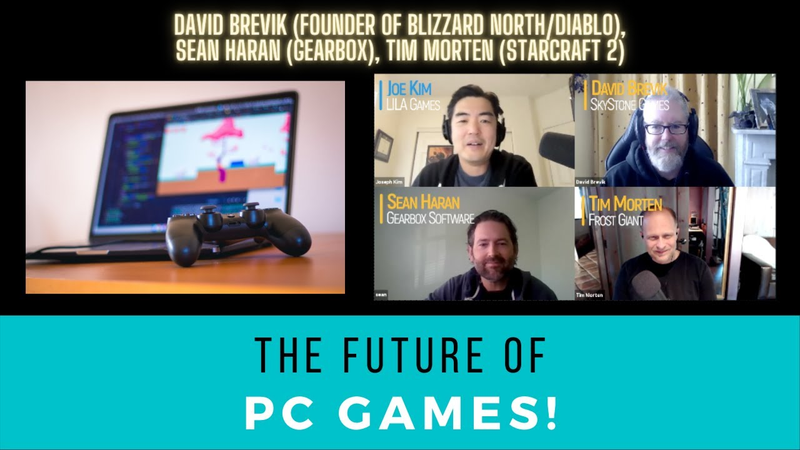
Future of PC Gaming | David Brevik, Sean Haran, Tim Morten
The PC gaming industry is currently defined by a hyper-competitive, globalized landscape where success hinges on the adoption of games-as-a-service models and the strategic use of modern, cross-platform development engines.
- The industry is shifting from multi-year development cycles to continuous, iterative content delivery, necessitating that live-service elements be integrated into core game design from the start.
- The democratization of development tools like Unreal and Unity has lowered barriers to entry, resulting in a saturated global market that demands high-quality production and effective marketing to achieve viability.
- Publishing models are evolving toward developer-led structures that prioritize transparency and favorable economic terms over traditional legacy agreements.
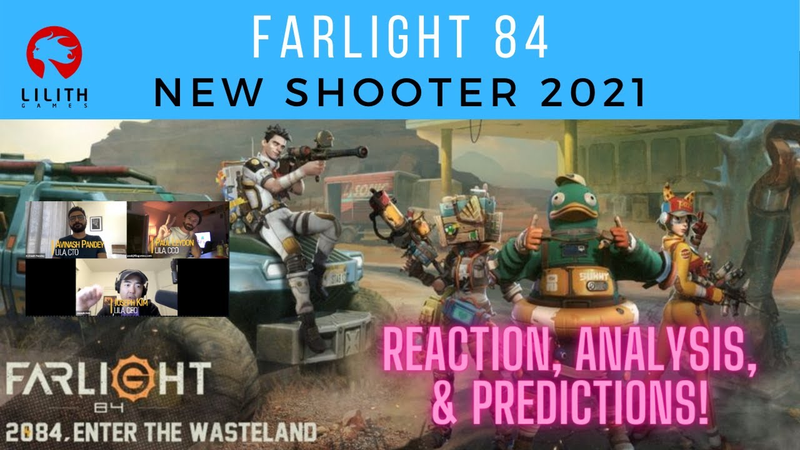
Farlight 84 - New FPS Shooter in 2021 | Reaction & Analysis
Farlight 84 represents a strategic entry into the competitive battle royale market, aiming to capture the mobile and cross-platform audience through a blend of high-fidelity aesthetics and fast-paced, class-based combat.
- Farlight 84 targets the mobile and cross-platform battle royale market by combining class-based combat with unique movement mechanics like jetpacks and legged vehicles.
- The game utilizes Unreal Engine to support a 40-player map structure, specifically optimized for mobile hardware performance.
- The core gameplay loop integrates squad-based tactical objectives with a persistent social hub model similar to Fortnite to drive player engagement.

LILA #1: Why Did We Start LILA Games?
LILA Games is a mobile-focused game studio founded by Joseph Kim, Paul Leydon, and Avinash Pandey with the primary objective of developing a high-quality, hardcore shooter game.
- LILA Games aims to disrupt the shooter genre by integrating deep emotional mechanics and social systems typically reserved for 4X strategy games.
- The studio is building its core operations in India, identifying the region as an underutilized hub for high-potential talent to support its global development goals.
- The company operates as a 'learning organization' that prioritizes continuous, incremental improvements in management and workflows to avoid the stagnation common in established game studios.
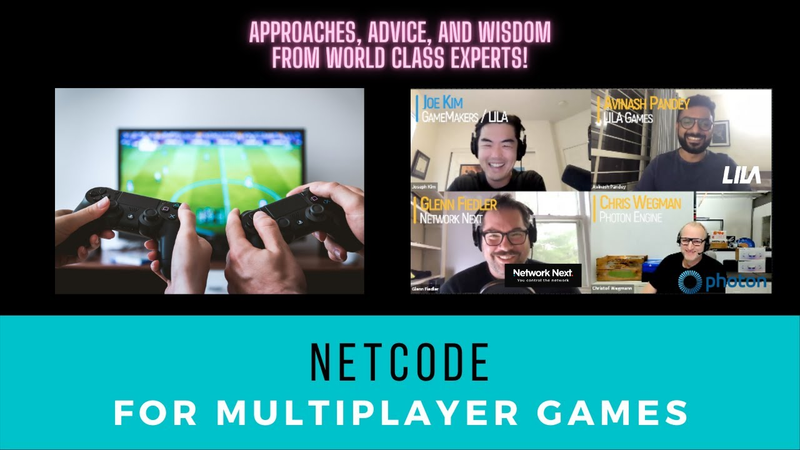
Netcode for Multiplayer Games | Glenn Fiedler, Avinash Pandey, and Chris Wegman
Successful multiplayer game development hinges on the strategic selection of networking architectures that align with specific genre requirements and technical constraints.
- Multiplayer architecture must be chosen based on genre needs: deterministic lockstep is efficient for low player counts, while server-authoritative models are required for large-scale environments like battle royales to ensure state integrity.
- Developers should avoid building custom networking solutions from scratch, as it is a high-risk, multi-year endeavor that should only be pursued if networking is a core pillar of the studio's long-term engine strategy.
- Industry standards are shifting toward modular frameworks and genre-specific templates within engines like Unity and Unreal to allow teams to prioritize gameplay over commodity infrastructure.
How to Build A Huge Brand | Tom Kalinske (Former CEO SEGA of America)
Brand growth is fundamentally driven by a synthesis of rigorous consumer research and the courage to challenge established industry norms.
- Brand growth is driven by challenging industry norms and identifying untapped market segments rather than simply following existing trends.
- Strategic media integration can drive massive revenue, as demonstrated by the expansion of the He-Man brand from $75 million to $750 million through a syndicated television model.
- Gaining market share against entrenched leaders requires identifying specific technical differentiators, such as the transition to 16-bit technology in the gaming sector.
Riz Virk on US vs. China App Wars, Simulation Hypothesis (Life is a Game!), & Startup Myths
Mobile applications have evolved from simple content delivery tools into critical geopolitical infrastructure, marking a shift from regulating content to controlling the platforms themselves.
- Mobile applications have transitioned from simple content delivery tools into critical geopolitical infrastructure, leading the US, China, and India to treat platforms as matters of national security and data sovereignty.
- The global tech industry must adapt to an era of economic protectionism where foreign-controlled platforms face persistent regulatory scrutiny and complex cross-border ownership requirements.
- The simulation hypothesis suggests that reality functions like a sophisticated video game engine, drawing parallels between quantum physics' observer effect and the information-based structure of the universe.