1 free read left. Create a free account for unlimited reading + AI research.
Create free account
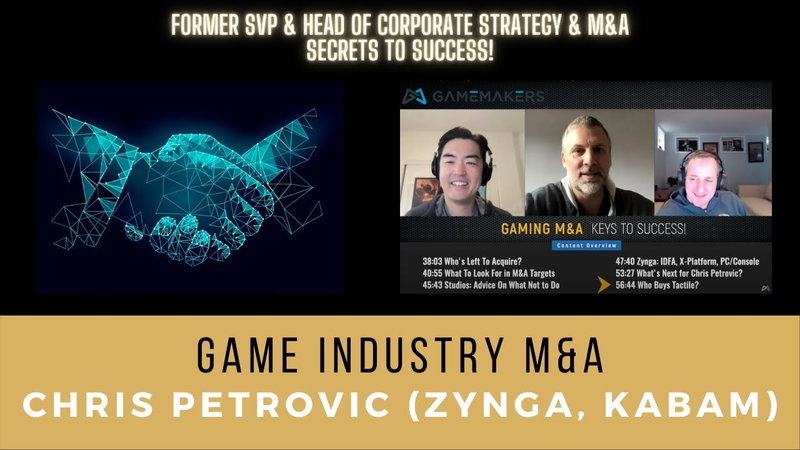
Games Industry M&A: Keys to Success with Chris Petrovic (Zynga, Kabam)
Key insights
6 takeaways- 01Successful M&A in the gaming industry has shifted from volume-based acquisition to a disciplined framework focused on long-term sustainability and the cultivation of 'forever franchises.'
- 02The 'city-state' model is the preferred operational structure, balancing corporate-level infrastructure and user acquisition efficiencies with the preservation of studio creative autonomy.
- 03Post-COVID market normalization has penalized firms that pursued rapid, high-valuation consolidation, favoring instead those that prioritize regional management and disciplined capital deployment.
- 04Strategic integration now relies on long-term relationship building, often spanning years, to ensure cultural alignment and strategic fit before a transaction is finalized.
- 05Acquired studios must professionalize back-office operations and documentation early in their lifecycle to facilitate seamless integration into a parent company’s administrative framework.
- 06Firms are increasingly prioritizing annuity-based revenue models and cross-platform expansion to mitigate the impact of rising user acquisition costs and regulatory privacy changes like IDFA.
Ask AI about this video
Transcript
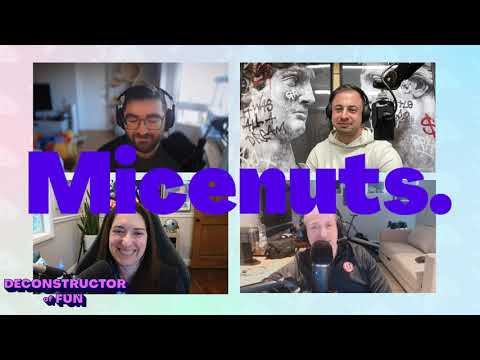
hey everybody today we have myself and guest host eric crest and we are joined by chris petrovick who has who is most recently the svp and head of corporate strategy m a and business development at zynga he's overseen a lot of high profile deals which we'll go into such as the acquisition of puzzle social harpon gram games small giant peak games and most recently rollick games prior to zynga chris was at a number of places but also most notably headed corp dev and bisdev at kabam in our conversation today eric and i will be speaking to chris about his career in gaming the role of corporate strategy m a and business development and our goal is to give the audience a better understanding of how big publishers think about m a specifically in the future of the games industry in general and i'm sure the many lessons learned and insights from chris based on his great experience
thanks for joining us chris thanks for having me guys so i work with chris at kabam i had the pleasure of traveling with him and uh part of helping boil the ocean back in the early relatively early days of mobile um and i think the best trip i ever took was the one that the gamescon the only time i ever went to gamescom was with chris we met with a bunch of very very arrogant european developers thinking that they were going to be the bee's knees um of of development and all of them actually crashed and burned and i'm not going to actually remain name any names but uh but it was pretty funny as positive as ever just like i know i i was just thinking about it like it was a really fun trip i mean it was really stinky and they everything about gamescon is true it's totally stinky and it's way too many young kids that don't shower or don't use deodorant or whatever but it was like it was a sight to behold right it was a pretty epic event so
it's ea on steroids yeah i mean e3 e3 yeah oh for sure it's completely different anyway so chris i i mean i know what chris does because i've actually done it i did it at ea and i i did a little bit work on kabam but what i would love to hear i think for people that are in the audience is that exactly what ex do you do like give us your background your career and then like what exactly corp dev is all about like at a high level right and i'm glad you asked me this question chris because one of the things that i uh deal with all the time mostly internally at companies is trying to educate people to delineate between the differences of corp dev and biz dev and it's always so hard because they're too uh they're two separate uh functions but they're they sound really similar and so people tend to conflate the two quite a bit so uh using zynga as an example so corporate strategy and m a were to me two sides of the same coin um corporate strategy is the the
exercise of looking into the proverbial crystal ball to figure out where the company where the market is going and where a company needs to go relative to to the the future trends that you're seeing and obviously m a is a way to uh a tool to use to execute on a corporate strategy especially when you're thinking about things like consolidation and scale and all of the things that we're seeing in mobile that's becoming increasingly important or in gaming in general and then business development is more of a strategic partnership commercial exercise where you're doing you know publishing deals in china you're doing licensing deals with hollywood ip you're negotiating uh service contracts with folks like epic and unity uh things of that nature so a very transactional very outward facing very forward-looking uh and all really fun awesome so how did you get started like what what's uh your career track gosh i started in in consumer internet back in the late 90s where i
got bit by the internet bug and decided to become an entrepreneur not knowing what the hell i was doing um down in la at the time and and was part of a few startups uh none of which are of any consequence today and haven't been for a while uh then went into venture capital for a while uh i became an eir of sorts uh at the vc firm that invested in my two startups um that was right around the time that the bubble burst for those of us that are old enough to remember the early 2000s and then went on to become a digital digital leader so to speak for lack of a better term but a you know digital executive at analog company so i started at american greetings uh was the head of uh a bd for the digital group there uh then moved to oh gosh from uh from there so long ago went to playboy uh was vp of digital there for four years nice plus years and that's where i first made it that's where i first got into gaming so we can talk about that later wait a playboy hey don't don't like just completely
go gloss over that man playboy were you at the mansion i was many times many but all for work purpose wait were you married at the time i was and my wife ironically uh worked at maxim uh at the same time so oh my god so you're just surrounded by beautiful women that was one at home that's all i remember i i i got it i got it you're actually your wife your wife is pretty i'll give you that but man playboy mansion and everything that's awesome what a way to get us started in gaming that was i remember when they were playboy enterprises right we were like trying to license and do things in games and there was like there was a playboy mansion game we licensed our ip for in-game integrations you know uh for for uh a bunch of games and then did a facebook game um and then from there went to gamestop and uh started and headed their digital ventures group and that's when really things got exciting on the gaming front in terms of deploying capital you know we grew revenue by half a billion dollars during my time there on the digital side so you know really started getting enamored with with gaming and and and just
architecting the digital strategy for a retailer that they ultimately did not follow um which is why probably they're they find themselves where they are today okay so here's the irony so when i was at kabam i was talking to him about gamestop and part of my uh my my negative or bearish thesis on gamestop was just the realization that the management team just had no clue what to do with digital and the fact that they basically let you go and kind of like divested all their activities in digital because it just wasn't part of their lexicon and so meanwhile they're talking to wall street and saying oh yeah we have this digital strategy we're going to move into digital and i'm like dude the reality is just not matching up anyway go ahead continue you know i mean chris you and i talked about this when we were at kabam it was the classic i mean that was classic textbook innovators dilemma right there right and they knew they had to do it they they did a little bit more than pay lip service to it but when the rubber met the road and they needed to make the investments ultimately what they would talk about is well why would i invest here that has a 10-year terminal value when i can open a store and get
percent kager you know year over year so right and they were so freaking good at brick and mortar like they crushed it like they they there's no better operators at the you know the original management team at that so true all right then you came after your frustration at gamestop and then that that's where we when i saw the light and decided to go into pure play uh you know pre-play uh game development uh and and told myself that i would take a break from being in the in public companies because i had done three in a row uh and then found myself at kabam and had the good fortune of working with you and kevin and kent and a whole bunch of other great folks and were able to do some great things around acquisition and licensing and ultimately a great exit for net marble and and the kabam team and shareholders and then as that was uh in its mid to final stages i would say of percolating that that transaction i got a outreach from from zynga and as you know frank was joining the the ceo role there from his board position uh was really enamored by the opportunity to
to take a swing at turning the company around and as he told me in our first meeting when we chatted about it he said look you can't fall off the floor so let's come on this ride and see what we can do and for me as as a deal guy at the time what was really attractive was just the you know the amount of cash that the company had on hand which is mainly what they were valued for plus the the value of the building that they owned at the time so for me that was the ultimate access to liquidity alt you know knowing also that the building was was going to be in play at some point and being able to deploy that uh and and it really helped solidify uh my my belief in the ability to turn around because frank was really really certain about inorganic growth uh ie m a being a key part of it so to be front and center and get the opportunity to do that fast forward four and a half five years later and there's just been some great outcomes yeah i think frank gave me the same pitch when he was on the board of zynga and you know what his strategy would be for the company and i think you both you and i i was just hook line and
sinker right i i believe in frank i think what he does and so like actually that's kind of the next question that's like what do you think frank did that that kind of turned this company around i mean the stock was at like two dollars and fifty cents for a long time and now it's buck 88 when he and i joined yeah right wow um and so i mean i know what he did but i i want to from your perspective like first of all like structurally but then also from an m a strategy you know he basically unleashed the kraken right and you're out there buying all kinds of crap good crap sorry you know what i mean but like what were the keys to the success that you that you saw and what did frank really kind of enable you to do um that you couldn't do a kabam for instance well i mean one one was just the sheer scale right so you know at kabam the the you know while there was liquidity and and and cash available to do m a nowhere it was one tenth the size of what zynga had so you know at some point you know having access to that much even if you don't succeed on everyone and you
succeed on some or most people you have kind of the vc private equity model and it's still a success but i would say getting back to your question you know first of all it helped to have somebody in that seat that actually understood free to play mobile so i think that was number one when you look at you know his predecessor there was a huge difference in capabilities with frank having overseen mobile at ea during the the the tail end of his tenure there i think it also helped to have an executive in frank that was able to have pattern recognition of what it feels like and looks like to go from high to low and back up again which ea had done during his time there and and you know as we talked about as we talked about a lot in management meetings there are only so many finite things that are possible that can go wrong and that need to be fixed in a gaming company when things are not going well versus going well and so having that pattern recognition of what works uh both when things were going well and when needed fixing really helped and then he brought in you know a whole cadre of his former ea uh uh peers uh to help them uh
and be part of the management team to to craft the turnaround and so they you know they identified great franchises that have been under leveraged and zynga poker and words with friends and you guys know that the the term forever franchise was something that he coined early on and it has proven to be super relevant and important for companies in our category and beyond in terms of continued success and looking at the business more as an annuity than a hitch-driven business knowing that you always have to create new games but you have that hedge with really dependable stable revenues coming off of long-standing games and franchises and doubling down on that culling down the number of new game starts diversifying the the the uh the talent base globally you know and away from the bay area all of the things that are not necessarily rocket science but take somebody that's aware enough of these necessities to actually execute and bring good people around them to to help and chris maybe i could ask in terms of the strategy when it comes to m a because it seems like after you came to zynga that if you look at the the m
a strategy prior to your arrival it was more i mean the success rate just wasn't quite there since after you came but it also seemed like there was a shift from earlier stage companies embedding on earlier companies to later stage companies but when you came in was there a conscious kind of shift in terms of how you evaluate and the kinds of companies that you guys are going after yeah i would say a couple things uh that were apparent to me uh you know and to your point one of the first things i did was go through and do a historical teardown of the m a that zynga had done from the time it really started getting aggressive in 2010 yikes that must have been ugly after 2016. and and and to your to your you know to your point joe there wasn't a real positive you know return on investment picture there okay can i can i just pause you for a moment here okay there's two things that he's already done that make me crazy a little bit is mr chris is that he is so freaking nice right the way he actually positions thing is the reason that he stays in his roles right so when he said the
predecessors of jet of frank jabo were not didn't understand mobile right he said it in such a nice way right well i would say is that pincus and matrix had no business running a free-to-play mobile company because they had no idea what they were doing right and so i just wanted to i i i've said this about you before on the podcast mr petrovic is the knight really really nice guy and he says he's very diplomatic about what he does and that's what makes him good at what he does anyway sorry continue grass thank you you're like the ying to my yang on this this is amazing um so where were we sorry to talk about the m a yeah so uh so one of the other things that i noticed when i got here was that there wasn't any kind of framework around an integration philosophy or approach and for those that are in m a or have been here experienced m a we know that the vast majority of acquisitions tend to not work out in fact there's the traditional 80 20 rule which is 20
of your m a ends up driving 80 of your value in kind of as a base case of goodness and and so starting from scratch one of the first things i focused on was building that framework alongside with the management team that would actually be responsible for a large part part of the integration but really just creating a framework where we were really clear and transparent and honest with both ourselves and the the the companies that we were looking to bring into the family about what how things would look kind of post um and so you know uh and then i think third is just a disciplined approach to looking at things i think if you look at the history of zynga you know the the the prior m a teams had a reputation for being very aggressive in terms of going after targets engaging with them getting data and then not following through and i i really spent the first 12 to 18 months of my time at zynga when i was meeting with developers apologizing for the actual actions of my predecessor teams um and so reestablishing a positive reputation
which actually i i as as eric alluded to i i pride myself on on having that in the industry because as we all know it is a small industry and there's no need to be a dick uh and and and you know not be successful at the same time so um you know laying that groundwork having the management team out in front of developers all over the world telling and retelling the story about what we see as the opportunity and then actually doing what we say and so i think that led to us and using joe you listed the acquisitions they started off small because we needed to prove ourselves as a new organization and as an m a team that we could actually do an acquisition on a small scale and then you know you know the ones you listed it's not a it's not not a coincidence by the way that every deal that you listed up until rolex was sequentially larger in value right and so we started getting permission to do larger deals to deploy more capital and as we showed success to our board to our investors to the street um to to banks that wanted to to provide us capital it became easier to to do those things uh and so you know
the the discussion around buying peak was no more or less intense than the discussion around buying puzzle social for example because moment in time where we were from an experience perspective was completely different and so just having the framework having the discipline having the management expertise and having the clarity of vision all really helped without feeling like you were missing out i think back in the in the early days there was a lot of fomo going on have to buy have to buy you know you know uh uh um gotta you know gotta get this target gotta get that target and then just fill the funnel and then just figure it out and and and that's really not the way to do it for us it was a a long relationship building process i always make the analogy to a marriage we dated for quite a long time with every one of our acquisitions that became part of the family and knowing that we would be in this for the long term that it wasn't just a quick hit for them or for us which is super important uh and and it just from there it just becomes uh much more simple and straightforward and your approach seemed to be the city state model thing where you just
basically let them run their own thing is that still true because that was frank's philosophy even at ea you know yeah i think i think that's that was true for us especially as you got you know studios that were at more scale so you know the exceptions i will say are for example when we acquired the board and card studio peak that was a that was a studio an asset acquisition out of a company so they became a zynga branded studio on day one but that fit the mold of that particular acquisition uh uh deal or framework i should say whereas the others like graham and small giant and peak you know they have already demonstrated success in their own right and our mantra to them was we want to create an environment where one plus one can equal three for you and for us and our shareholders which means that you do what you do take a look at all of our menu of options that we have in terms of capabilities technologies uh you know employees plumbing just call it company plumbing and you as as the new member of the family can opt into any all or none of the things on
this menu and we're not going to force you we're not going to require we're not going to rebrand you we're not going to take away your identity or culture all we're going to do is just observe and provide assistance on an opt-in basis whenever you need it and then when things get tough which we all know in gaming there are times when there's a code red or you know something breaks or there's a there's a consumer issue then we kind of lean in a little bit and say how can we work together to solve this issue and then extricate ourselves as soon as the problem is solved so it was a really good harmonious uh city-state relationship to your point yeah and so to be clear this was this was by design right this was kind of part of the framework of what you were doing so that that that's what's um i think important from a perspective of va guys they will admittedly say that they learned a lot from how not to do things at a lot of the acquisition right you got you got brom berg you got what um frank you've got jair you got bk you know yeah yeah ryan the chief people officer dude it's like he just rebuilt ea rabbit shores you know it's like unbelievable
that frank did with that yeah i was the only until our our uh chief legal officer came in uh from tesla i was the only non-ea person in the is part of the new senior management team so i felt like an honorary member of that mob right just wait wait hold on one second to be to the extent you can i answer this question and if you can you can't right so the initial gram and small giant deals have these absolutely massive earn outs that continue to drag profitability for like for for as people look at it from a gap basis right um even though most wall street analysts ignore it and look at it well okay you can say that mr petrovic but the cash flows are going straight to these acquisitions and like insane numbers now clearly these things were negotiated in a way that were not um not as thoughtful perhaps as they should have been and and it seems that the peak acquisition you guys eliminated most of the earn out stuff is that was that kind of
considered not a a in retrospect was that were those deals considered not very good negotiated deals or no i think they're tremendously negotiated deals and i'm saying that trying to separate myself from being involved in that and i say it because of the following the one of the other philosophies that we took with these deals unlike what you may see in prior mma transactions and gaming or outside is that we didn't want to set up a framework where we were gaming the system such that we knew that the the new addition to the family would never get their earn out because you don't want to set up an environment where you're already disincentivized as a leader of a studio knowing that you don't have any light at the end of the tunnel so we set up these frameworks in such a way that if they hit and exceeded mutually agreed upon benchmarks which we were super happy with we were more than happy to pay them and despite the gap basis non-gaap basis the profitability the health of the business because these are just temporal things that will eventually wane over a number of years because earn outs are not perpetual
and so by the time the earn out is over you assume that you have a company that's at such a steady state that then you're recouping all of that early investment through the earn out in addition to the goodness that you got as evidenced by the rise in the stock price since since the inception of these deals so to me these are just temporal necessities to bridge valuation gaps for high growth companies whereas peak was already at a steady state the nature of the cap table and what cidar and team wanted to do was just to be bought out and allowed to continue to operate as they had been and there was no need to do an earn out because there's no that that company is not in super high growth mode like small giant was when we acquired them so they are forever franchise mode steady state very predictable and there was no perceived valuation gap uh in terms of what they were valued at the moment in time that we bought them and so chris like to speaking to that that which shows that joining zynga some of these companies were able to scale more and to achieve more success so i wanted to actually go back to your comment about one plus one equals three because
one topic of debate right now is in a sort of decentralized what eric is calling city state model what are the synergies and so when you when you think about a lot of the companies that were acquired by zynga and when they're choosing some of these a la carte menu options from zynga what what would you say are some of the things that have created the most synergy have helped these companies achieve their targets to earn those earn outs that you know created the most value sure it's a great question joe so i would say at the most mundane level but super important is when you think about a company like zynga or any other company that's been around for a long time and has invested a lot of its resources and money into building as i mentioned earlier the plumbing of a company so the not sexy but important part of what makes a company run are you know everything from kind of the central services to the administrative layer legal hr finance accounting technology
cyber security uh facilities all of these things that make a great company run and hum are things that emerging companies eventually have to deal with when they get to a certain size but the vast majority of them at least the ones that i've spoken to and that became part of zynga all they want to do is just make great games they don't want to have to invest in the plumbing beyond what they've invested in today so imagine being able to plug into that infrastructure and all you have to do is worry about being a great game studio and hiring local people and that you know that things like provisioning of computers onboarding of employees benefits phones like all of the administrative stuff contracts uh you know uh reporting payroll all that stuff is now taken off of your plate that incrementally all takes up bandwidth of you and your leaders and like think about small giant there were 35 people when we acquired them and imagine at the company if they stayed independent how much they would have had to reinvest in the plumbing versus reinvesting in the game and in ua which are the two you know and obviously people related to
both which are the the important parts of the business so the non-sexy stuff is the plumbing but then the other stuff is just the institutional knowledge zynga being a portfolio company that has 10 plus years of data of how games have behaved in both success and failure can can you know can uh uh avail that pattern recognition to these studios who are doing it for maybe the first or second time and we know enough about what good looks like and what what what things should be concerned about where they may not have that so that product management data science analytics you know all of those things the more sexy game related things were really also important and establishing the rapport in the relationship where we were seen as a trusted partner seen as as acting in their interest versus our own and again that opt-in you know menu if you will just made it made them empowered to feel like it was their decision which is what which it was on when they wanted to take advantage of these things but also i mean you gave them blank check for ua right to some degree no not a blank check because remember they you know in in out structures there are there are you know guardrails around
what sorry let me rephrase so basically you could scale ua to whatever level made sense for the business right so they had access to more capital in theory right so no they only use their own capital oh really okay yeah i was like they had to manage their own you know their own p l and balance sheet based on you know how the business was going so they were accountable for their own business unit and could only spend up to you know up to what made sense for them as a business now i i can't say that there weren't one-off discussions where certain things were were you know discussed and agreed to that were just needed on an ad hoc basis but for the most part those guard rails it just it seemed like they just got more confident in scaling the business after they were acquired right because the revenue just went you know when yeah so like something happened where they were spending more money on ua whether it was their own money or the confidence to do it because they were part of a bigger company you know they then but anyway okay yeah also i mean we were helpful in having them you know make more informed decisions around their ua tactics and
strategies whereas small giant up until that point was very android heavy and so we helped them think about uh you know ways to approach you know ios and opened up you know when you work when you're when you're a company as big as india you work with you know several hundred ua channels you know around the world you know in any given moment to be able to avail the pricing even the pricing on the ua is helpful on an enterprise basis versus a one-off studio basis so those kinds of things become really helpful and then they can test and invest more money in more channels to find more users and it just kind of you know scaled from there okay and chris like you know sort of one of the rumors or kind of word on the street is that after zing acquires a company central might send a team up to kind of share best practices or the the playbook and so to what degree because in some studios there's a very kind of like not invented here sort of like very close-mindedness but in your experience how open have acquired studios been to kind of new practices or adopting some
zinger principles or practices that are potentially more effective yeah so going back to what we were talking about earlier again my understanding of how zynga operated before was that upon acquisition they would just parachute people in kind of like an internal affairs group to sit there and monitor and help you know the situation uh we did not take that approach again going back to what i described earlier it was very much observational it was very much opt-in and and what we what we did was provide observations feedback loops um access to data across the enterprise uh in a way that made made the the new addition to the family feel uh that we were being uh honest that we were being forthright that we were being open and we were acting in their best interest and at the end of the day also when we did our homework around culture fit of management teams it was very important to identify as best we can those folks that we we felt would operate in a collaborative environment as opposed to just taking the money and giving you the heisman and saying thanks now
don't talk to me don't don't you know don't come see me uh but we needed to prove ourselves so it really wasn't a heavy hand it was again very observational very much of a recommendation type collaboration and very much information and data sharing so that they saw the proof is in the data and you can't dispute that and so once we were able to demonstrate enough instances where our observations or recommendations or thoughts were were proven to be correct then when they would come back the next time that would they would have that in their mind and they would be more incrementally more legitimacy that was built up over the course of that relationship building got it all right so the one question that i've actually wanted to ask you even at kabam um was like what are the one or two acquisitions just got away that you that you had an opportunity and you just didn't do it for whatever reason um that you would like if you could have a do-over you would do it for sure so one that i this is going back to my gamestop days um but i pitched the idea to
management uh and you guys may or may not know that there was there was a pretty modest history of acquisition there you know we bought congregate we bought a a streaming game technology um we bought a developer like there was you know really lower level stuff but on par with what the company appetite was but there was a point in time where i had a strong opinion about gamestop getting into the uh publishing business um because of its relationships with the console manufacturers and with steem and its ability to create we we all know the power of first party exclusive content right now with microsoft and sony and nintendo being the main purveyors of that but back in the day you know it wasn't as relevant and and i i was advocating for us to go after the thq asset as it was as it was kind of in trouble um and going through different you know i think eventually filed for bankruptcy and then got bought out by nordic but establishing a first party label with an existing workforce an existing stable of ip that we could then convert
into exclusives within this global store footprint and really drive adoption uh in a really special way you know to the detriment of other retailers at the time so this was kind of a hybrid retail digital thing uh but but they eventually did a small scale publishing label for indies uh on you know xbox and playstation which didn't i don't really think amounted to much but that was one that i really wish that they they would have had the intestinal fortitude to pull the trigger on right how about zynga anything that we've seen over the last four years that you know i mean just for posterity purposes i really wish that i could have reunited with our old with our old kabam folks that that became fox next uh right you know uh and and you know kudos to scopely for for getting that asset i think you know there was a you know as a company like zynga that is public and has to be a lot more transparent about the accretiveness or dilutiveness of deals you know that one had a shining star in marvel strike force which you and i have our
fingerprints on by virtue of having done that licensing deal and helping the studio get up off the ground but at the same time it had a lot of other things that were dragging it down as a total enterprise and that would have been a harder story for us to sell than a private company that doesn't have to be as transparent about what it acquired right love that team love aaron love jason love everybody there uh yoko etc and would have loved to have reunited with them just for my own personal edification well i will say one i just wanted to throw this by you i remember we when kabam we looked at play ricks for like pennies on the dollar right and that company before they came out with their big games and and i remember uh um kevin was like no way am i gonna travel out to the ukraine and manage a studio in ukraine right like and i'm like now i mean it was like i think it was like 100 million at the time or something really low like like definitely within our wheelhouse and now it's like worth more
than zynga right that is a big consideration by the way and i i'm you know i hope you let me go on a little bit of a tangent because one of the things that i firmly believe now in this age of covet and what the future of work and travel looks like is that you know companies need to set up more distributed uh management organizations um not so much to to be the overlords but just to be present in the geography where a lot of their operations are if you assume that getting on planes and seeing each other in person is not going to be back to normal for the foreseeable future and i even believe that for m a purposes like i was really nervous about the impacts of covid on a team like mine at zynga where we were all based in the bay area and and i was believing for the longest time that we needed to distribute that organization so that we could especially with our track record of having done the majority of deals in the european region being on the ground there so you can travel on shorter hall flights or by car by train and being more nimble so that you're not losing out to the good folks at embracer and still front and and you
know and uh mtg and others you know that was that is going to continue to be more and more important i hope that more companies embrace that reality because it's gonna be necessary and i think that to kevin's point nobody from from from california or the us wants to travel to the ukraine on a regular basis but it would be better to have regional leadership that could do that on your behalf and act as your proxy so right and by the way in kevin's defense i mean ukraine was having issues like there was like people having more going on right so like i mean i i understood i mean his point was really well taken at the time but it was just a just such a i don't know on another podcast we can talk about my experiences traveling to ukraine and belarus and latvia and understanding how business is done out there it's a it's a similar and yet very distinct dynamic from what you hear people talk about when they travel to asian territories and how business is done right right it is but a lot of this is born out of necessity in terms of the ways you know companies operate and the kind of games that they make and it's super fascinating same thing with india
where zynga has a huge studio the the the mode of doing business out there for that market is just so markedly different from anything that we experience here and appreciating those differences is what makes a company uh more likely to be successful on the global stage um you actually mentioned still front and embracer and i just wanted to give you get your quick thoughts on these consolidators um so my my opinion is that still front is basically getting some decent assets but embracer just seems to be picking up you know whatever they can find right so i i don't know what do you think about the the the future and the valuations are insane like these things stocks are going crazy right now um because of the rest of the market as well so what do you think about the long-term viability of still front and bracer and consolidator mtg you know just what did they just acquire recently uh they acquired hutch the racing right right right yeah that was a lot of money yeah for a lot of money dude sorry i i know i've been ranting about this for like weeks on this podcast but jesus
christ 225 million for that company is crazy it's it's crazy plus plus the absolutely plus like they make like racing games that make peanuts you know it's a i looked at the company before i was like okay anyway but what do you think one thing this industry has to understand is that is that you know scarcity breeds competition breeds you know breeds you know uh increases in valuation because you know for better or worse you know my time at zynga we we we you know the outcome of is that we kind of started the the charge of the current wave of consolidation in the gaming industry and i think people understand the importance of scale they understand the importance of you know continuing to fill the pipeline with great talent uh and looking at it around the world so i think to your point about embracer and still front alexis and i uh from from still front had a conversation recently we were both it was a mutual admiration society as you can imagine crest because like you said i'm so nice uh that they were you know they're basically a playbook similar to zynga's which is they're taking a you know central management and a decentralized
studio approach uh and bringing on talent at levels that they can afford and that's important to remember not everybody can afford the same things but you have to start somewhere and then hopefully there's enough success on those foundations that you can you know we are a very long way from puzzle social right which was a sub 50 million dollar deal going to 2 billion with with peak but we needed to get there and i believe that that's what embracer and still front albeit embrace her in a more frenetic way in that they have to announce all 13 deals on one day and they use that preceding quarter to line them all up which is kind of strange to me but still front is executing at the same playbook just currently at a smaller scale and their bet is that they're going to continue to be able to do that as success stacks on top of success but i mean i i i fundamentally feel like this is when the music stops and the impact of covet and things go back to normal relative normal for the gaming space these guys are going to just get destroyed right i mean they're not they don't have the assets that that can actually contribute
games that that are competitive in the market now still front's a little bit better than embracer embracer just bothers me right because they just there's just no market for their content right that i could see and their valuations they're buying things at insane valuations um so i think i think we're in for a reckoning crest to your point on uh in the the 2021 comps compared to 2020 and being having to mark to market year over year based on an unnatural year that was most of 2020 is going to be rough for the industry especially the the public markets the private obviously less so um you know and you hope that you've gotten enough goodness during the covet time that you've either re-engaged with enough lapsed people or engaged with enough new people that they're staying with you but if history is any guide once things get back to normal people tend to get back to normal activities whereas now they have an over over abundance of time to spend on on you know recreation like gaming so 2021 is going to be an interesting year from evaluation yeah uh joseph do you want to move on to the market or
anything else yeah just wondering chris from your perspective who else is left out there now certainly there might be some rationalization in 2021 but is there i mean if you if you're if you're one of the consolidators or let's say you're glue and you got hutch taken out from under you they're like the prediction was that whose prediction was that that the glue was gonna buy hutch i remember hearing that i i think we i mean it was several i i think we heard it from several different people but yeah since no one wants to work at glue because it's a terrible place that's why come on nick's not nick's done a great job and getting it to where it is compared to what that dude that company's just going to collapse upon itself next year you want to talk about something that someone that's going to have a tough comp going forward right he's selling i i yeah he's he's selling the dream you're going to buy it let's keep positive sorry sorry moving on do you have any names in terms of anyone
left remaining out there yeah you know it's it's funny when when we look at our uh our war room and kind of look at the the you know the the board of names and logos um it's so interesting because on the one hand you could look at it quan you know from an analytical perspective and just say who are the top independent companies by charting position right by revenue um but then you have to distill down where they are in the life cycle of their company have they just raised money what is the management uh signaled in terms of their willingness to even engage um so there's the question which you can look at and who could be acquired or who should be acquired and then there's who can be acquired and that latter one is usually a lot smaller list right because there are varying reasons why companies you know don't want to be acquired or aren't ready to be but if you were just looking strictly on numbers uh and performance um you know it's hard to argue the you know against the coinmaster guys out in israel they're doing some really amazing work um uh the the lilly's garden folks are
doing some amazing work out of copenhagen um and it's it's to me it's always exciting to see new slash emerging companies that are able to break through what is usually a pretty you know pretty exclusive club in terms of top grossing and sustain and so anytime you see something like that um you look at gentian impact i mean that thing came out of nowhere and now is just a you know a blitzkrieg of a game um who who could have predicted that that studio at that moment in time would have captured lightning in a bottle that's what's really exciting about our business is that you just never know just when you think that playing field is set uh it gets it gets you know it gets disrupted so i think there are admittedly fewer opportunities to scale but there's also creative you know public to public stuff there's there's takeouts like what warner brothers was thinking even though that's not on the table now you're going to see a lot more creative things happening and a lot more different entrants getting into in into this space okay and chris just maybe even going back to kabam were you there for the acquisition of exploding
barrel vancouver that was uh they had done that just before i got there that was on crest as well yeah that was that was even that was more of an aqua that wasn't even really a acquisition they were really struggling yeah i guess you could argue that you know m a for whether it was for kabam and and for zynga has been very transformational right like all the growth at zynga since since you got there then all through the m and so i wanted to ask you about that part in terms of like having the nose or you know when you're trying to find companies what what do you what are you looking for now it seems like as you mentioned you've got maybe a spreadsheet and you're looking at revenue and things of that nature but how do you find some of these opportunities or what specifically are you looking for in the companies when you're looking for your targets yeah i mean it all starts with with going back to the framework discussion about you know having alignment internally about what it is that you want to what would you like to have but more
importantly what it is that you don't want so that you can cut out the noise of focusing on things that you know have a very low likelihood of executing yeah and going back to my earlier point about you know the the predecessor behavior at zynga on the m a side it was really frenetic at the top of the funnel they would just put in game companies it was almost like a competition in terms of how many new companies you could engage with at a given time and even with a more disciplined approach my team and i would touch two to three hundred companies in any given year through a variety of means and imagine if you just kind of were doing 3x that that would be very inefficient because you're just having to to sift through a lot of stuff that ends up being not relevant so having a disciplined view about what it is that you want and don't want is is number one number two having people inside the organization that just love to play games and we empowered everybody throughout the organization from game teams to central to come up come to myself and my team with observations about games that they were having fun playing regardless of platform and that was always a good you know because i had i had when i left it was a team of
myself plus three others you know it's really hard to cover the world even from a data driven perspective with just four people so we rely a lot on the extended organization to bring ideas to the table about studios and games and companies and then just being out there and talking to folks talking uh to folks like you guys talking to you know bankers and advisors talking to you know leaders and studio heads at conferences and other events and just being fans of their games and letting them know that and and uh you know i think the the best leaders of game companies or companies in general are always keeping a good balance between operating the business which should be the primary focus but keeping lines of communication open you know i can't tell you how many times it's personally frustrating but also i think frustrating for the for the founders when they just will refuse to engage refuse to talk because admittedly and understandably maybe they just got burned in a prior life but at the end of the day you never know how the world is going to unfold and what your needs may be and so
you know the the mantra of not being a dick you know applies here as well which is it doesn't it doesn't really hurt if you manage properly the the the interactions with with folks on the other side of the table and and we also in the course of building those relationships spend a lot of time graham and small giant were 18-month you know relationships that were built prior to the acquisition i know siddhar from after i left gamestop and before i joined kabam we were talking about me joining the board of peak at the time and you know i went out to istanbul to meet with him in the team so i had known him for almost 10 years before we did the deal so relationship and long game is really key even though what you'll notice is when we move we move quickly on deals uh and then that seems like a short game but the build up to that is super long and and very engaging and full of conversation and storytelling really just telling the story about what we're looking for um you know hearing their story about what what they're looking for and hopefully you find a natural fit uh that's organic as opposed to trying to force something that's a long time to
seal the deal you know you're dancing dancing dancing right yep um oh a little known fact i don't think chris patrick plays a lot of games if i remember correctly you need other people around you to play the games right i am i am level 1364 in lilly's garden i have topped out at level 150 of call of duty mobile um and i'm also on level hold on with the harry potter puzzles and spells uh i am level 462. so all right all right all right he just flipped me off um uh all right moving on current state of mobile or do you want to is there anything else yeah actually just and just thinking based upon your experience in terms of like what not to do or lessons learned could you talk about some of that yeah uh i love this question because it's it gives me an opportunity to just impart some some words of wisdom to companies studios etc that you know that are eventually at a path or could
eventually be acquired at some point just looking at it from a buyer's perspective and the thing that i always tell folks is that irrespective of whether it's me or somebody else please be mindful of preparing your company uh uh and and administering it and running it in a professional day manner from day one and what i mean by that is have your together in the back office because there's nothing worse to your process your credibility the optics of your company than when you end up having those conversations whether it's it's investors board members or acquirers and you're handing people you know manually generated excel spreadsheets and google drive documents that are incomplete and data warehousing that isn't secure all these things that i understand that early stage companies have to operate fast and loose because they're moving so quickly but take the time and surround yourself with people that can help you set up the infrastructure of your company and instill best practices hiring like you can imagine how many early stage companies hire without employment agreements without documentation and without
all the things that you should be doing that is can be outsourced and can be automated at an early stage so it's not really that laborious it's just if you don't know about it you don't know to think about investing in it so you know prep yourself view yourself as a company that's going to be a billion dollar company and will need to have that infrastructure regardless of what the exit ends up being if at all but but do me a favor and just build the solid foundation of your house early on so that you can be prepared and and have to be less burdened in the future when you have to retroactively you know reverse engineer the framework of your company or the infrastructure because you didn't invest in it early that's one one piece of advice that i i love sage advice sage advice mr petrovic yes all right current state of the mobile industry um you kind of mentioned it actually you mentioned it very specifically is that copping this covid thing in 2021 is going to be a big challenge and then we have idfa likely coming in march uh time frame is kind of what people are talking about
um which is happens to coincide with the exact moment in which the market just went nuts right uh both on mobile and console for that matter so yeah what do you think the impact of idfa is going to have on mobile and like you know who's the most at risk and how can you mitigate that risk um at zingo or other bigger companies yeah i think you know obviously we won't know the full effect until it's out in the wild right but there are prognostications all over the place in terms of opt-in rates of users from you know 20 up to 80 and so nobody knows but one thing i i am encouraged by and i i'm saying this you know in a abstract way but you know our industry gaming in general but mobile in particular because of the nature of the duopoly of the platforms and their ever-changing rules mobile has had to be so agile and nimble in terms of reinventing itself and adapting to the changing currents and rule sets and i'm pretty confident that the combination of the developer community and the ad networks are if for another reason then for
self-preservation interest are going to put their their their you know brains together to figure out uh solutions call them workarounds call them solutions um to mitigate but not completely eliminate um the challenges that are are going to be coming with idfa and presumably google following suit with that the the good news is if i can say good maybe in air quotes is that it's going to impact the entire industry so it's not specific to one company or or or one genre or one geography maybe on the margin there may be folks that are more impacted in terms of uh people that are in you know that rely more on you know uh low dau high arp dao so maybe more core games because idfa and targeting and finding those vips is exponentially more important than perhaps the hyper-casual folks that don't rely on idfa as much i think publishers with the captive audience uh in one or more genres that are at scale are going to create their own versions of idfa i think it's called idfv where you're kind of tracking users
within your publisher portfolio of games and that can perhaps mitigate both on the buy side and the sell side of advertising and then diversification i think you know zynga is well positioned because it's a highly diversified company both from a genre perspective within mobile and then also having the view that i've i'm really bullish on that segways into kind of what's next for the industry is is the the future potential of cross-platform so um you know companies that are at scale companies that have uh dependable annuity streams and and audience streams are going to be uh have that as a foundation to to use as a hedge against the risk folks that are smaller in scale that are maybe all in on one genre that are still emerging um that are going to get less smart about how their ua is spent as it continues to get more expensive i think the mid to long tail is going to be hugely squeezed here in in the early days of of this rollout yeah let's talk about cross-platform for a moment because um you know gentian first of all i'm actually a little bit shocked that zynga hasn't really made any moves in uh
building pc other studios outside of mobile first of all but or console for that matter but a little little sneak behind the curtain it's not for lack of trying or being and i can tell you that okay there's been a number of rumors that that things are being worked on well i mean even even the news that um you know on uh that they opened up the austin studio to work on the star wars game right so oh yeah you know i i think look you look at the management team and where they came from you look at the developer capacity and then yeah it's it's ripe for you know for building and then eventually buying so i have no doubt that zynga is going to continue to be aggressive on that topic because it's it's one that i feel really passionate about and did there and and still do so um it's just a matter of finding the right fit because you're ultimately well think about this crescent you know this if you're trying to like my my my view when i was looking at company opportunities in this pc console space was to focus on free to play
developers and by definition there aren't really that many that are named valve that are independent out there right right right so by definition you're already calling down the addressable audience of potential uh new entrants into your family because combining a free-to-play life service culture with the retail premium culture is oil and water in my mind right and so trying to meld those together some people have different views and we had those those really healthy debates and discussions at zynga but i think when you're trying to you know bring in capacity and capability to publish and develop games for pc and console ultimately if you believe that you as the foundational company that that free to play is going to be what perseveres as the business model which i tend to believe you need to have people in your organization that are building those games with that in mind because that's what you're going to drive toward in the future so part of it is just the scarcity of available targets at scale in the free-to-play aaa world and i think that'll just emerge over time because one of the things i'm encouraged about when i talk to vcs and invest in gaming is that they're seeing more and more pitches from studios and leaders that
are that are coming to the table with cross-platform as their vision whether they can execute as tbd but i'm encouraged to see that that wave is starting to build at the at the early stage and it's eventually going to bubble up to you know to to the later stage yeah actually i'm working with uh tim ernst and daniel erickson on uh thought pennies which is making a uh rpg uh you know cross-platform so um all right so i guess we're going to have to wrap this up early too soon so what's next for you dude you've done it all right you uh you've you've boiled the ocean for what 10 12 years now like you've been 20 years total but who's counting uh evident gaming and gaming it's been like 15 years 15 years 15 years so you basically know everybody you know where all the bodies are buried um not at the mansion no bodies right and i don't even want to i can't even imagine what happened at the mansion but uh but we'll maybe that's for another time offline off off the mic um but so what's next like what do you
what do you want to do do you uh going to go back to work at ea go for the borg or i've never worked at ea so you can't say go back to work okay but i mean go back to a big company is what i kind of meant to say no you know i i you know as you guys may have read you know i i posted my my kind of open letter about why i left and it had nothing to do with zynga or the merits of the job or the company it was really just a personal decision to uh to try and refactor the the the setup of our family uh and you know we're getting out of california as of this saturday um you know good timing taxes are going up to like 18 or something nutty right gavin newsom dude crazy i mean you know so all those things that came into our consideration so i'm just taking the rest of the year off to focus on that and focus on the holidays and then you know come the new year um i don't know maybe you guys will need a you know an associate producer here on this right you gotta think a lot of the chinese companies are gonna come come after you chris [Music] depending on i don't know what that means i don't really know what that means but hopefully none of like but nettie's bike dance you
know yeah i mean would you we got biting as president now so yeah right biden yeah they'll be uh yeah anyway so like yeah does that sound interesting to you to go do something for 10 cent or netties or something and and be their guy yeah i think i think i'm gonna you know just like i did when i went from gamestop to to kabam i think one of the things that i've settled on in my mind is i i want to take a little bit of a break from the public market um i've been really blessed to have had a number of conversations from really great companies in that sphere um to talk about potential potential ways to work together but um i'd say for right now it's it's it's gonna be uh not in the public uh realm if if i have my druthers but and we've talked about this before so i apologize if i'm we can cut this out if you don't want to talk about but do you want to do more of an operating role as opposed to corp dev like do you want to like run a company yeah i think i mean i think you know just the totality of my my history is much more than just transactions and i think you know i came into kabam and zynga for at a very
opportunistic time for myself and the company when they were i saw i already kind of in my in my most optimistic of a filter saw what the future foretold for those companies and it turned out that it you know there was there's been success on both ends but it was never the extent of my my desire you know from being an entrepreneur back in the late 90s to operating businesses and investing and doing deals like i've had the good fortune of having quite a ride that has allowed me to do a lot of different things but operating and being accountable and steering the ship those are things that are really interesting to me and i think there's a lot of great companies in gaming and and and beyond um that that may be able to benefit from from having me you know be an oarsmen there all right well i have one last question from my side so you mentioned lily's garden yes word on the street tactile that means being thrown around like crazy so there's a lot of buzz but nothing you know we don't see anyone pulling the trigger where does tactile wind up in your opinion i think you know as
borgian and his team have just built an amazing company um you know again nobody would have seen them coming but except for themselves i think they had the confidence to go after a market and take inspiration from some of the things that were working uh in that category and build on it both from a game design and also from a ua perspective you know knowing knowing him as i do um you know i think that they're going to continue to be heads down i think they want to prove that they can build more than one successful game and they want to leave a long-standing legacy for themselves for denmark uh for the games industry in that part of the world and i don't think he needs to worry about what is the outcome for him because it'll become self-evident you know as as as he continues to be successful so i i would i would love nothing more than be involved in in his business and i've told him many times uh but to his credit you know one thing i admire about him like many founders is that they're really true to their north star and his north star is to build a great games company that has proven itself over and over again so i think that's going to take a while uh and they're
work well capitalized and they're you know they they have great uh folks uh there and around the world and i think they're to continue to do great things for denmark all right well thank you so much chris for uh coming on um my pleasure guys had a blast been a lot of admirer of this podcast so it's great to finally uh finally get on it and uh i'm hoping zynga will continue its reign and and continue to success but i guess they can prove you right continue to prove you right well i'm actually in all honesty i'm not really too bullish on zinger right now not because you left but because the idfa i think is going to destroy them in some in a lot of ways and i think it's they are not prepared as far as i understand it but i don't i wasn't going to talk about that with you um but anyway thanks again for coming uh uh very interesting i wish you the most success in what you do next i i could see you as a ceo for sure um and uh anyway uh thanks again i
appreciate that thanks guys have a great holiday and we'll we'll catch up in the new year all right [Music]
Summary
The gaming industry’s approach to mergers and acquisitions has shifted toward a model prioritizing long-term sustainability and the cultivation of forever franchises. By moving away from ad-hoc, volume-based acquisition strategies, successful firms now employ a disciplined framework that emphasizes data-driven evaluation and the integration of later-stage companies. This evolution reflects a broader industry transition toward annuity-based revenue models, where the primary objective is to scale high-performing titles through institutional support rather than aggressive operational interference.
Central to this strategy is the city-state model, which balances corporate oversight with studio autonomy. By providing acquired teams with enterprise-level user acquisition efficiencies, administrative infrastructure, and centralized data, parent companies can foster growth while preserving the creative culture that made the studios successful in the first place. This approach relies heavily on long-term relationship building, often spanning years before a transaction occurs, to ensure cultural alignment and strategic fit. Such preparation requires studios to professionalize their back-office operations and documentation early to facilitate seamless integration.
The current market landscape, particularly following the post-COVID normalization period, serves as a reckoning for firms that pursued rapid, high-valuation consolidation. Companies that prioritize innovation and regional management presence are better positioned to navigate rising user acquisition costs and the regulatory challenges posed by privacy changes like IDFA. As the industry matures, the ability to leverage cross-platform expansion and diversified revenue streams has become a critical differentiator. Ultimately, long-term viability in the mobile and broader gaming sectors depends on disciplined capital deployment and the ability to identify and nurture studios that offer sustainable, long-term value rather than mere scale.