1 free read left. Create a free account for unlimited reading + AI research.
Create free account
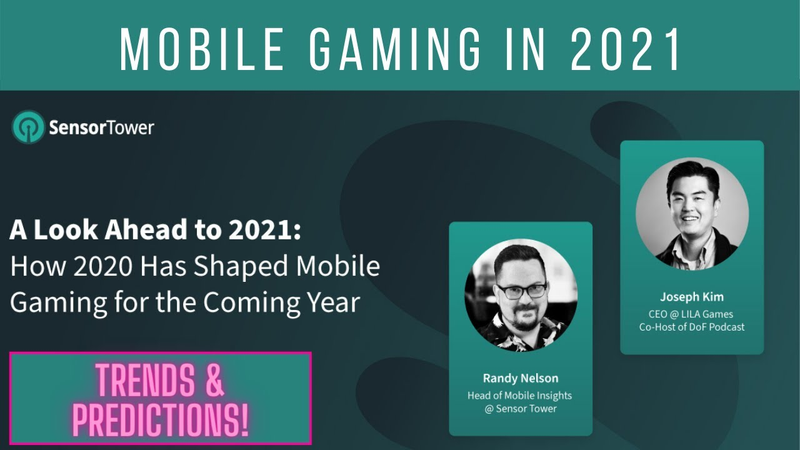
Mobile Gaming Trends in 2021 | Joe Kim (LILA Games)
Key insights
6 takeaways- 01The mobile gaming industry is shifting toward remote-first, globally distributed organizational models to leverage talent in emerging markets like India for improved agility and cost efficiency.
- 02Long-term success now requires a dual focus on internal operational resilience and the development of high-depth, community-centric gaming experiences to manage engagement volatility.
- 03Product strategy in 2021 is moving away from direct competition with established battle royale titles in favor of sub-genre innovation and specialized experiences within the mobile shooter category.
- 04The deprecation of IDFA is forcing studios to pivot away from hyper-targeted advertising toward broader, less targeted monetization strategies.
- 05Studios are increasingly integrating influencer-led communities directly into the design process to drive player acquisition and meet the social preferences of younger demographics.
- 06Instant gaming platforms such as Facebook, Snapchat, and TikTok have yet to demonstrate proven commercial viability or effective monetization capabilities for gaming audiences.
Ask AI about this video
Transcript
and you know at this point you know data aside i think what we're all really here for is to have a conversation about um where things have been in 2020 uh where we think things are going in 2021 and it's a point for me to stop doing all the talking and uh start talking with with joseph um and yeah i mean there's some topics we can go through we're gonna have the q a here after our more formal chat um i hope it's not too formal we're gonna try to keep things casual um but yeah uh joseph um you know looking at at 2020 and where we are at this point in the year you know have there been some defining trends or you know one particular trend uh that's really yours stood out to you obviously
there's there's covid and that's that's more of a that's an event not a tread uh hopefully it's not a trend but yeah what what have you been seeing uh from from where you are kind of on on the ground yeah well i think 2020 has been just such a really extraordinary year right it's been so different and i i seen a from my perspective there are a number of really interesting trends but and so i and i can talk about some of those so like one we've seen kind of splinternet which is this acceleration of this kind of war between china and the us and india and we're starting to see the potential for you know apps to be confined to specific geographies i think we've also seen another trend with respect to like the transition that was accelerated by coronavirus and kovid of physical disk to just to digital distribution and that's going to be further accelerated when we have this new console generation but i think the trend
that is most interesting for me and that's a lot more subtle has been this trend that was actually i mean a bunch of different things got kicked off because of coronavirus but for me the the trend that is the most interesting is kind of like this re-examination of what is a firm and so for some of the business school geeks out there if you remember there was um a really famous essay by this guy named ronald uh coast who talked about the nature of the firm and why you know why do you have organizations why do you have companies well the one way of thinking about it is that you have these kind of internal and external trans transaction costs and you have companies and firms because the the external transaction costs are very high now one of the things that we've been seeing with coronavirus has been this re-examination of what is the workplace do we need an office and you have you know and companies especially here in silicon valley whether it's twitter or facebook more recently reddit is saying that you can live anywhere and you can work here and so there's like a re-examination of
what does it mean to have a workplace an office but i think that if you extrapolate that thinking and kind of even more fundamentally think about you know some of the thoughts behind the nature of the firm then what does it mean to have you know a a kind of organization what if we were to re-examine what are the strengths of an organization and really to think about where do we get organizational advantage right and when we look at other industries for example when you look at the movie industry or even like if you're doing construction on your home and there's a general contract or a bunch of subcontractors and for any specific project kind of different parties are kind of brought together now i i think it's just like the beginning i think 2020 is the beginning of this thinking behind you know five years in the future 10 years in the future and when we have other technologies that could potentially evaluate and pay people you know are we going to be developing games in
the same way that we do today and also just fundamentally thinking more about i i think that this these this trend has kind of kicked off the thinking about really shifting the focus from more product related concerns right what genre are we going after what you know what kind of monetization schemes do we have what technology do we have to more around how do we think about our organization how do we build advantage and you know there was a lot of thinking about for example cost structure advantage with respect to you know do we do we build in china versus the us well this kind of you know exacerbates that issue it it make and i i think just more fundamentally starting from this year increasingly people are going to think about not only how do we get product advantage but how do we get organizational advantage what does it mean to be a company and kind of this really fundamental re-evaluation
is going to start to happen and i think that that's actually going to be a good thing it's going to lead to new kinds of structures new kinds of forms and whether that takes two years or five years or ten years for this to fully manifest within the industry i think the the pivotal year the the key year where this starts to to you know germinate and and begin to uh take place has been this year and that's something that that you personally are dealing with right now right as as you continue to set up leela yeah so actually the one of the reasons why you know we founded this company so myself and two co-founders was uh was thinking about what does it actually you know like this this whole concept between product and organization where we felt that there was an opportunity to really fundamentally re-examine what is it how are processes
and practices done at companies and so you know whether it's simple things like how do you structure a meeting to you know the kinds of game design documents that exist in the industry do those make sense to like our development practice we're trying to re-examine everything and so for us you know one of the things i mentioned is this cost structure right and so we believe that there's an opportunity to be based so we're not actually i mean two two of the co-founders are here in silicon valley but our third co-founder is from india and we plan on being centralized in india and having the majority of our workforce in india to gain not only cost structure advantage but also because we felt like there was a labor force and people who are incredibly intelligent and smart and want to not work just on all the live ops stuff and the other kinds of work that are
currently kind of being developed in india but they also want to work on new games and new projects and ambitious new projects and we felt that if we were to bet on india that we would be able to attract that kind of talent yeah so so that's you when you when you kind of put it that way it's really interesting are you you know with with looking to india in that way you know can you talk a little bit you know apart from some of the the the the business reasons uh for for looking to india if you're you're looking at it as you know where your your your workforce will be primarily be based are you also looking to india as a market uh for your titles so i think that there's certainly in market developing right and so last year there was a company i think it was uh geo where they from last from last year uh like mobile data became incredibly cheap and what we're starting to see is you
know a lot of infrastructure developing this and the way that we look at india is kind of like what china was like you know 10 20 years ago and so we definitely think that there's a market there now our current product that we're working on isn't really focused on the indian market it's more global market but we do think that in the future there are certainly going to be opportunities and uh and especially you know i mentioned splinternet uh if you if you believe in a world where that starts to accelerate right where uh where you're where there will be boundaries between you know games that are developed in china already are being blocked in india if that increases then are there opportunities to develop for regional markets you know and it seems like it's the way that it's kind of playing out right now is that it's increasingly looking like it's probably going to be a china market versus like a western u.s india type of market but um
we look at that but at least for our first product we're we're going to be targeting a global global market okay interesting i i was just curious if you were seeing something yourself and looking at the data you know from from sincere tower and elsewhere that would lead you to think that you know there's been some fundamental shift in that you know india is really you know starting to potentially open up as a more viable market for for western publishers yeah well the way that that that china did sure yeah well just looking at the sensor tower data for a game like you know we're in the shooter market for pub g mobile uh you know india was doing like two two and a half million a month which you know isn't incredible but it's still pretty good for the indian market right yeah but still comparatively small um you know and especially in relation to you know metrics like you know arp dow and and and you know just overall revenue for download there i think to your point when we think
about optionality for a company right and and so one of the things that we do think about is when we're looking at our company you know we're certainly making a big bet on this first product for the global market but we do i mean that is in the back of our minds in terms of will we because we'll be based there and because we'll we'll have you know all of our the majority of our employees there will really understand that market better and so as the indian market grows and expands that does kind of bake some competitive advantage for us and builds in optionality for the indian market for us in the future hey everybody quick commercial break to talk about the sponsor for today's video games boost 42 games 42 is one of the easiest ways to secure funding for your app so you need money to scale your ua you want to launch in a different country or just look to publish your app by yourself well folks it's 2020 so you don't necessarily need to look for
investors or to find a games publisher for funding try out gamesboost42 one of the best funding options on the market so if you're looking for funding for your app click on the link below in the show notes or maybe up here somewhere or just visit gamesboost42.com get up to 500 000 dollars in funding for your existing apps and yes this also does include mobile games which we're all about we're all about mobile games so anyway games42 super easy mobile app funding if you need funding come on guys go check him out alright now back to the program so when when you're you're talking about you're sort of this disruption uh to uh normal business uh that that happened in in 2020 and is really you know informing the way that new firms uh are built or existing firms sort of
have to rebuild themselves um you know as we go into 2021 you know is is this something where you think that you know there are going to be some you know potential you know first mover advantages or advantages for for for studios like yours that are that are you remote from the outset versus you know some studios that that have to you know basically turn the ship you know to turn up between a pretty large ship right to kind of you know restructure re rethink themselves right do you think there's you know any advantage to to one way or the other um and then do you also see this having any sort of impact on uh release schedules still uh basically anything that's really going to you know finally fundamentally change how we see potentially you know game launches in 2021 uh versus versus 2019 let's say you know more game launches fewer game launches you know what what are folks going to be
continuing with out there yeah i mean i think that definitely like in in terms of winners and losers for any structural change there's always winners and losers and i think we can even look at when when it comes to kind of like structural changes we could even look at in terms of the gaming industry like what happened to third-party publishers right like they went through this whole phase where a bunch of them tried to get off the ground most of them failed and then the fundamental model of third-party publishing started to evolve and change and now it's kind of shifting you know it kind of shifted to like a ua focus model in terms of of publishing and then now it's increasingly shifting to more of a a model of evaluating studios and then acquiring those studios and even on the m a side it started with like a lot of companies trying to have more of a centralized approach and kind of acquiring companies that were both early stage and late stage and now it's more of the zynga approach where you're acquiring later
stage companies and it's relatively decentralized and so based upon the model right and so i i think that's what we we can take away is that there will be some form of model that emerges some form of what i call structural advantage right where somebody figures something out and then that model is then used to create success and then people that adopt that model will find increasing success so i mean we've got some ideas on how that happens and part of the bet on the the company that i'm starting right now is based upon some of the things that we're trying to do from an organizational perspective but certainly i i do think there will be winners and losers in the future and then sorry what was the second part of your question well the second part was over these schedules these yeah well these organizational changes that are going on or or even you know the new studios like your own that are that are that that are taking
you know this decentralized approach from the very beginning you know do you see that you know just from a very fundamental level of release schedules um do you see that make having an impact or more of an impact going forward i think the release schedule issue will not i think that'll probably depend more on the type of products that gain uh that that's that become more popular so to the extent that if if hyper casual games get killed off next year because of idfa at least on the ios side or increasingly in the future then you know the obviously the average release cycle is going to get a lot longer right right if we move more towards genres that require more depth more development more technology more infrastructure then release schedules will increase if we move towards a model where games that succeed are going to have to have some notion of a strange attractor be
different then that means that there's going to need to be more innovation which means more cycle time more iteration which means release cycles will get longer so i think that that the organizational structure will probably have more to do will have a bigger impact in terms of the kinds of companies that succeed where they succeed and the release cycle schedule issue will have to more do with the product side like the kinds of products that gain traction and become successful in the market right so that's interesting it to you it doesn't seem that it's going to be a matter of look the uh company structures are changing or they're getting decentralized that's that's definitely not the the primary issue here it's not like oh coved sent this shockwave you know through the industry in terms of remote work um you know these you know famously you
know non-remote publishers you know having to go fully remote etc that's that's less of an issue than than potentially you know something like um like you said like hyper casual taking a big hit um from idfa this this next year right so i i think in terms of the remote work kind of so um when i previously talked about the decentralized model that was more respect to publishing like not getting into studios business and trying to like over manage from publishers who actually weren't very deep in terms of the the the specific genre of game that they were publishing but your point about like from an organizational perspective does having a decentralized workforce and remote workforce i i think that's that's you know we'll see like i think the companies that are able to figure that out will probably have some level of advantage right i think that uh you know
i i think that it's difficult to actually get that to work i think that the benefits just just my personal opinion in terms of having a fully decentralized workforce is a harder problem and especially for complex products and i don't think a lot of people have it figured out so to the to the extent that some companies do figure it out and and i think one one example would be a company like and this is just from hearsay but i i hear that companies like playrix have got that figured out and so to some degree there is a proof point in the market of a company that has used a decentralized approach and with their workforce and whatever you know turkey ukraine whatever those guys are that they're able to you know tap into cost cost structure advantage because of that and so you know there there may be other companies that also figure that out and are able to be successful based upon that model but i think that when i think about organizational advantage that's probably
one not one of the major organizational changes that i think about i think there's going to be other things that people figure out from an organizational perspective that uh can give them advantage but it'll probably take a few years to for for this whole thing to play out right right so changing gears a little bit but still going back to games and and you you would actually in in your comments you would you had touched on some game genres uh you're talking about hyper casual um you know you're talking about games that that have more depth or genres that have more depth you know in in going back to even you know what you're working on and to the degree that you could talk about it um you know we've seen definitely in our data that um multiplayer titles in in 2020 especially through the summer and now and in the fall have have really been really been seeing some impressive growth in terms of of spending and uh user engagement um and what have
you and you know there's there's something we can infer there i think around um you know the the data and and drawing some some some lines there that uh multiplayer has really taken off right since since there's been you know less less social interaction less physical interaction between consumers um you know was you know any of that are you working on a multiplayer title uh was any of that you know kind of bored out of this this growth in multiplayer games or or or you know how do you how do you sort of sort of see this do you think that you know single player is is definitely you know not a direction for for developers to go at the moment yeah so we are working on a multi-player title i think to your point 2020 was probably helped kick off this socialization around games which then led to the
increasing popularity of a lot of multiplayer games um so yeah generally speaking i i think single player games still have a place and they'll they'll still be they'll still be popular but the advantage of of multiplayer and especially like pvp oriented game is is really around the fact that you have less of a content treadmill right and so when you look at companies like supercell that's basically all they do right they don't they focus on smaller games that are multiplayer where you can have small teams that work on those games i think for us we don't really think of it so much in terms of uh you know wanting to work on a multiplayer game i think the the approach that we the approach that we took when we looked at the genre and the specific type of game that we wanted to go after was first we try to think about um interesting game concepts or ideas
that we thought could be powerful in the market and then from there we looked at the market in terms of okay well so we kind of came up with these five game ideas and then based upon those different ideas we looked at the market and tried to see where where is the market going right and so we saw that in terms of like the shooter market that there was um you know over 90 percent kagger growth in terms of you know revenue over 45 category growth in terms of downloads over the past two years based on sensor tower data um and it's then for for western markets and then and then from there we saw we thought okay well what's what's going on in the shooter space and and what we saw was that sure there's battle royale and there was fortnight and that really precipitated a huge influx of players into the market but then we also thought there were other things that were happening in the market to really make shooters a very attractive market to enter and what we thought additionally was that this is an early
market that because there's been this tremendous growth over the past two years and because because what we've seen what when you look at any genre of games ever in the history of the world what you typically see and this isn't just for games this is for any product but but you you basically see something that we call sub-genre expansion right and so when we looked at shooters we saw okay well there's team death match and there's battle royale and that comprises over 80 percent of the of the market in terms of revenue but when we look at every other genre we see this notion of sub-genre expansion look at match three so you had the original anti-crush you see you have basically the the linear progression match three model and then you had like you know the puzzle and dragon gotcha based model that you had the light rpg seriously modeled then you had the builder play rex model and you had all these different kind of sub genres that kind of
um that basically evolved from the initial sub-genre and so for us we felt that we have we we're seeing this explosive growth in shooter we don't think we can add anything to the market if we made a team death match or a battle royale so the way that we thought about it is is there something interesting and innovative and different that we can add and let's make a bet on the next big sub genre within the shooter category overall so that's how we thought about that okay so exactly right that answer your question or no no yeah yeah i mean it seems like you were really tracking the growth of shooters in general over you know the past you know several quarters or you know back through the you know end of 2019 or i guess even earlier than that when when fortnite and and pub g uh
really kind of entered the market right and you were you've been tracking that all along but there's you're just seeing like in the in the data that we have in our in our our games taxonomy for subgenres you know you can take a look and and see that you know there there's room there in within the shooter genre to try something new um but it you know i guess you're still seeing you know even going into 2021 like the our topic today that the shooter genre on mobile you know something that i think was really not taken very seriously before pub g mobile and fortnite entered the market is actually going maybe stronger than ever into next year yeah and so i yeah and so i would say just to kind of summarize the approach for us it was like what are interesting concepts that we think could be big games secondly because we're a startup we have limited resources we need to be in a market where we could screw up right instead of like
on those different ideas we we saw okay well this idea in the shooter market there's tremendous growth which means tremendous opportunity which means if we screw up then we can potentially recover let's say we get this next sub genre wrong we'll just pivot over to something else and the other thing that we saw was you know based upon sensor tower you know uh revenue per download data that the that the revenue in this category was um relatively low and it was low because if you look at the way that shooters monetize today it's based up generally based upon cosmetics driven battle pass and so the the final element in terms of our thinking around what type of game do we build is really around do we know a secret right and so what i mean by that is this is the peter thiel zero to one concept around you know big business big businesses are generally built upon us knowing something that the overall general market doesn't know and so for us we believe that we are bringing approach
and a specific new innovation to the shooter space that we don't think other people in the market see so got it got it got it so i wanted you know before we we get into to q and a we're we're going a little over here but we still definitely want to have a chance for folks to ask us questions ask you questions ask myself questions um before that i really think it you know looking at 2021 i wanted to go back to something that you said earlier about you know covet and and you know some of these genres like um and some of these titles even like like call of duty mobile etc but but the idea that 2020 has seen a lot of new players enter the market um you know some some of them you know depending on on what data you look at some of them are first-time players we've never played before probably you know a lot of folks are being brought in just anecdotally through games like among us
uh that are that are viral right now but you know is this this is something in what in the work that you've been doing that you've seen that the 2020 really has um you know introduced a lot of new consumers into the market um and then if that's if so um you know what what do you think um you know yourself and and other uh game makers need to be doing you know going into 2021 to sort of capitalize uh on that fact if it's in fact even happening okay uh so let me try to address unpack that a little bit and address uh some separate things so one in terms of like the growth of the the gaming audience in 2020 yeah that certainly happened i think the most interesting thing about that for me personally is really around the impact on kids so you know i've got i've got three young kids and i think that the
so so certainly you know a lot of folks out there are playing more games playing more on mobile but for me it felt like what the strongest growth has been you know just anecdotally and looking at the data with a lot of kids we saw the rise in terms of roadblocks the interesting thing to me is like let's say this group of of kids this this generation that's like five to ten years old and parents you know because they were at home or whatever are now kind of forced to get them a tablet they're messaging other kids they're playing a lot of these social games together they're on roblox and so now we have like this younger generation of kids where the you know a key social experience for them is gonna be centered around games centered around having a tablet and messaging other people and things of that nature and so i think it's going to be really interesting to see what that means in terms of gameplay
experiences what that means in terms of monetization because what we've seen this we've seen when we look at you know the the older segment of like anti free to play old school you know i want to buy a game and get this kind of single player experience those older players are starting to age out and what we've seen is that the other thing that's been increasing free-to-play monetization is that the younger generation of audience that's used to free-to-play models and used to monetization is growing up and now this in 2020 this very young audience is really all in on digital social experiences roblox tablet that sort of thing so i i think for me the most interesting thing is going to be seeing what new types of games or products or experiences are best developed to serve this upcoming generation and then the other question you asked
was uh what did you ask in terms of impact on 2021 was that yeah but i think i did but i think that what you said just now really does sort of frame that right that there there's going to be this need there there is this audience but you're talking about this younger audience that is clearly looking for those you know connected experiences they want to build things you know roblox has shown this they want ugc you know they want to create and consume ugc so it seems like you know at least from my point of view in 2021 that or or going forward is basically like as you said as the old guard sort of ages out how do we um how does the industry address you know this new audience in the right way but i mean do you see anything just in more immediately in 2021 that's that's really ties into that or or is it just more of a long-term challenge for i think it's more of a
long-term challenge but i will say that i think that there are some things that people should be keeping in mind in terms of 2021. so you know it may be a little bit too early to be trying to address that five to ten year old audience right now certainly more and more opportunities will arise as i think they age up but i think in terms of 2021 the things that i would be looking for would be going back to your first question uh when we talked about you know the the impact of chronovirus on the on the audience but also i i think one thing to think about was the impact of chronovirus on game dev studios right so what would happen is that you know your game studio coronavirus happened all of a sudden you you see this massive influx of players into your game seeing increasing monetization into your game and just anecdotally speaking to a lot of folks in the industry and and friends that i i have i think that almost all of them
were caught flat-footed it's like oh crap i got all these players what do i do and so you had all these people at home who wanted to play more who wanted more session times who wanted more engagement but a lot of these games especially some of these games that were designed for only you know three four or five sessions a day couldn't absorb that engagement right right and so i think that one of the lessons from 2020 that i hope would be integrated in 2021 is more of this thinking around scenario analysis like if something happens how do we respond to it because as far as i know every single studio was unaware unprepared they didn't know what to do and so now i think what we're gonna start to see in 2021 is more of a framework if this happens if we get a send influx of players how do we modify the game how do we add more events how do we absorb this engagement
how do we absorb more monetization in our game what do we do and even on the uh and that's from the product side but even from the ua side you know i i think that the players that the game studios who understood what was happening who didn't panic and some of them who went all in on ua when everybody was out really benefited and so i do think that what i would hope to see in 2021 would be more of this playbook more of the scenario analysis so that when some kind of externality occurs that changes your situation they're able to adapt to it much more quickly i think in terms of other things that i expect to see in 2021 i would say like you know certainly it's going to be really interesting to see the impacts of idfa deprecation on the ios side right not not to go into that because
there are tons of talks tons of conversation around maybe this or maybe that or whatever but the the consistent theme on idfa deprecation is that there are some general notions of what's going to happen but nobody really knows i think until it happens right what the behavior of users is going to be like if they're going to to to to be opted out target whales or not can you use idfv does that mean if you have idea fees then you know it's that benefits publishers with a wide audience or not all those questions uh will be you know will be answered i i hope what happens uh and then i think the other thing that's probably going to happen in 2021 is a little bit of a rationalization meaning that that there's been you know we we've had this tremendous run-up in terms of you know uh of um valuations in terms of game companies doing really well we had
this massive tailwind from coronavirus in 2020 now to the extent that this kind of based on on kind of the numbers that you showed earlier 2021 it seems like things are going to come down a little bit now to what extent are all all the frothiness right from 2020 and all the projects that get funded and all the planning that happens in 2020 to what extent does that have to get rationalized in 2021 because everything kind of comes down what does that mean for different studios and how will that impact games game companies so so those are some of the things that i would be looking out for in 2021 right right well you know that's that's definitely a lot to to think about i think you you put it really well uh you know to paraphrase you you know when you said that you know there's there's basically going to be a look back when when we get to next
year you know across the board there's going to be a look back at you know all the decisions that were made all of you know the acquisitions all of the the changes in the market um all of the changes and in the makeup of the the consumer base and and and and and who's really gonna have to deal with you know well how do we how do we kind of move forward from that um you know it properly but it sounds like you know a lot of studios like your own um you know are are really definitely seizing on to some of the some of the big trends that emerged during during 2020 and setting yourselves up well it looks like we're trying yeah right right but i mean you're you're making all of you know you're you're you're you're remote and distributed from the outset you know you're working in in a genre that that is seen just you know as you pointed out you know and based on our data so much growth um so yeah i mean it it's going to be really you know not to put it lightly but really interesting
to kind of see even how you know the first few months or the first you know quarter of of of 2021 plays out um and depending on what happens in in the in the world at large right and how that affects the market um so you know we we've obviously kind of over overshot our initial plan to you know just talk for 30 minutes or so um but but i think you know it's been a really really interesting to hear from you and you can get your thoughts um i just just in case um anyone who's with us has any questions for either of us um you know you can go ahead and use the q a feature uh uh on zoom or go ahead and use and use the chat there's a question okay what's what's the question though so the question is from mana miyu apart from shooters what are the trends for mid-core games in 2021 so i think that it's gonna depend and
it's gonna depend a lot on uh idfa deprecation in my opinion so my opinion is that in terms of like the midcore games and in terms of the monetization of these games if will targeting goes away then i think the major trend that we're gonna see is a shift in monetization mechanics and the types of monetization that you do to be more broad-based so that it's not about uh and i've talked about this on for anyone that listens to the deconstructor from podcast or or other or other content where pair brackets are going to have to shift down right so you're going to have to go more towards of a supercell approach in terms of monetization relative to more of like a forex really hardcore type of monetization approach one other question here do you guys think game communities will be important in 2021 given the covet 19 situation i think game communities will be very important and increasingly important but
i actually think that even more than game communities i think right now what we're seeing is that influencers and the influencers communities are going to be i mean they have been and will be increasingly more and more important we saw the impact of what influencers did to fall guys among us back further apex legends and so i think that uh if we were talk to talk about another kind of impact or trend for 2021 i think it'll be games and game design that actually is able to embrace influencers in a deeper way such that because influencers are the new marketing right i mean they have such a profound impact on on game performance now that that i think that they will be increasingly important
and um in terms of the game communities themselves as far as like communities in discord or reddit and things of that nature i i think that they continue to be important and they will probably be increasingly important but i think the the the big driver is going to be the influencers uh randy i don't know if you have any thoughts on that no i i agree um i think that that that is really a standout um aspect of 2020 uh that you know we've we've really you know seen you know make such a huge impact with those titles you talked about i i'm curious you know to ask you another question you know what what do you think and how do you see that sort of playing out for mobile you know i think um you know fall guys sure you know as a console title that was you know fairly easy for um influencers and streamers to share i think you know it probably helped among us that you know there's a pc version of the game even though it's incredibly popular on mobile um
you know do you see that you know just going kind of out on a limb here and you know and thinking outside the box a bit on this do you see that you know it might be important for mobile titles to have you know a pc version you know just just so that they get in front of influencers who really these folks might not give mobile you know a second glance right um and randy i think that's a very important distinction that the impact of influencers to mobile games relative to like pc hd console games is different right i mean it's much more profound on the pc console hd side but i think just based upon some of the stuff that we've been looking at it does seem like mobile is increasingly increasing and so while it's not quite there and there are you know it's a much bigger conversation why it's not there yet for mobile and you know maybe that's a different panel with with other folks to talk about right but i do think it does become increasingly important and it may not get to the point of pc but i think it'll
get to the point where it has a pretty significant impact okay oh that that's definitely something to look forward to so i think we only have a couple more minutes before the the uh zoom session itself is going to stop we're really pushing the limits here today folks um but i think you know we might have have just maybe like 60 seconds or so okay um we had a couple couple more questions that actually came in through the chat um i don't know though that there's one that came in through q a that you wanted to you wanted to take on uh yeah we could take this one from chat from amy dougherty oh hey amy what kind of impact do you see facebook streaming to have what do you think the future of facebook gaming cloud games snap games and other platforms right good question i i i'm a little bit i'm not super positive on instant gaming yet and i think that you know the the issue with facebook is that a lot of developers just don't trust
building stuff on the facebook platform i know that there is as far as i know there's only one really profitable game on the on the facebook gaming instant side which is i think it's called thug life it's one of the placo games but i haven't seen anything else and any anytime you're working with facebook i mean you know i i i like facebook i really hope that they build a new platform but i think that they've got a lot to prove still in in order for developers to trust them and i think it's so instant for me so snap i don't i just don't see a lot of people going to snap to play games or tick tock to play games so and i think for facebook it doesn't really seem like at least from anything that i've seen that people are going to be going to facebook to play games either but we'll see and i don't know a whole lot about it so i i i hope they build something because as
far from a game developer perspective we always want new more platforms new platforms more platforms and you know more audience anywhere we can have it but i'm just not particularly optimistic right now in terms of like the successes that i've seen there and currently you know the the way that the market is moving against those opportunities um and should we randy do you have any thoughts on that uh you know i i think we we definitely have to wrap up so so that we can we can kind of say our parting words um my my thoughts i think on that are are definitely in line with yours around just sort of you know these these new technologies and instant gaming and and cloud gaming needing to really prove themselves we we kind of haven't seen that yet then and i think we're still you know early days i mean as big as much as as we want those to be you know big new platforms i think it's still early days but joseph um thank you so much for joining
today um i think it i think i've had it really enjoyed this conversation it has given folks a lot to think about and uh yeah i'd love love to have you back again soon um to talk about more trends great all right all right everyone thanks for joining and uh we'll see you later all right thanks folks bye hi everybody thanks so much for checking out our video if you liked what you saw if this was useful to you please do give us a like as well as subscribe to the game makers youtube channel click on the bell to get notified about new content we've got a lot of dope stuff coming up and i think you're really going to like what you see coming up in the future besides that you should know that there is a game makers podcast so if you'd like to listen to some of the content that we've got coming up as well as some new content that is exclusive to the game makers channel please do check that out so
just look for game makers on any podcast platform we're going to be all over the place and finally thanks so much to gamesboost42 our sponsor make sure you click on them check out what they're about and again thanks so much for your time and i will catch you in the future bye
Summary
The mobile gaming industry is currently undergoing a structural transformation, moving away from centralized, office-based models toward globally distributed, remote-first organizations. By tapping into talent pools in emerging markets such as India, studios are prioritizing organizational agility and cost efficiency to better navigate regional market fragmentation. This shift reflects a broader recognition that long-term success depends as much on internal operational structure as it does on product development, as companies seek to build resilient teams capable of adapting to rapid industry changes.
Product strategy in 2021 centers on sub-genre innovation, particularly within the mobile shooter category. Rather than competing directly with established battle royale titles, developers are utilizing data-driven insights to create deeper, more specialized experiences. This approach is complemented by a growing emphasis on social, user-generated content, which aligns with the preferences of younger demographics who increasingly view gaming as a primary social venue. To sustain growth, studios are integrating influencer-led communities directly into their design processes, recognizing these creators as the primary engines of player acquisition.
Despite these advancements, the industry faces significant headwinds, including the deprecation of IDFA, which necessitates a transition toward broader, less targeted monetization strategies. Furthermore, while the landscape for distribution is expanding, instant gaming platforms like Facebook, Snapchat, and TikTok have yet to prove their commercial viability or ability to effectively monetize gaming audiences. Consequently, studios must employ robust scenario planning to manage engagement volatility and navigate the uncertainties of a shifting digital advertising ecosystem. Success in this environment requires a disciplined focus on both organizational excellence and the ability to deliver high-depth, community-centric gaming experiences.