VR reports and market data
Documents
Oh dear, Jon's gone all VR again
The gaming industry is currently navigating a pivotal transition period characterized by the emergence of virtual reality (VR) hardware and the strategic evolution of established mobile intellectual properties.
- As of mid-2015, the VR sector remains in an experimental, non-standardized phase where high-end hardware is cost-prohibitive and low-cost solutions like Google Cardboard are limited to entry-level experiences.
- Major mobile franchises are shifting from standalone releases to a 'games-as-a-service' model, prioritizing long-term brand expansion over singular event-based launches.
- Rovio is evolving the Angry Birds franchise into a multi-faceted entertainment brand spanning diverse game spin-offs, feature films, and physical merchandise like LEGO sets.

Patrick O'Luanaigh on nDreams' VR epiphany
Virtual reality represents a transformative shift in the gaming industry, primarily due to its unique ability to generate a sense of presence—the psychological sensation of being physically transported to another location.
- Virtual reality creates a unique sense of presence that amplifies emotional responses like fear and excitement beyond the capabilities of traditional screens.
- Mobile devices serve as the primary entry point for consumer virtual reality, with the Samsung Gear VR currently acting as the industry benchmark for quality and performance.
- Developers must prioritize a consistent 60 frames per second at high resolutions, which requires strict management of draw calls and graphical fidelity.
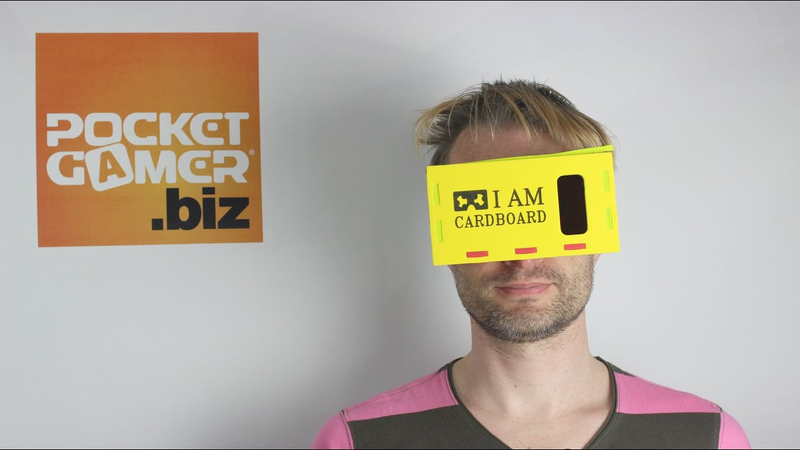
Google's visionary move with Cardboard VR
The emergence of budget-friendly virtual reality (VR) hardware, exemplified by Google Cardboard, represents a significant shift in the accessibility and adoption of immersive technology.
- Google Cardboard established a low-cost, open-source VR ecosystem by leveraging existing smartphone technology to bypass the high entry barriers of premium headsets like Oculus Rift, Sony’s Project Morpheus, and HTC/Valve solutions.
- Google implemented a certification process for third-party manufacturers that uses QR codes to calibrate software performance based on the specific lens properties and dimensions of mounts ranging from $10 to $100.
- The Unity SDK provides the necessary technical standardization to ensure a consistent user experience across diverse hardware iterations, including cardboard, foam, and plastic devices.

Essential Video Game News: Market, Consumption and Use (February 2015)
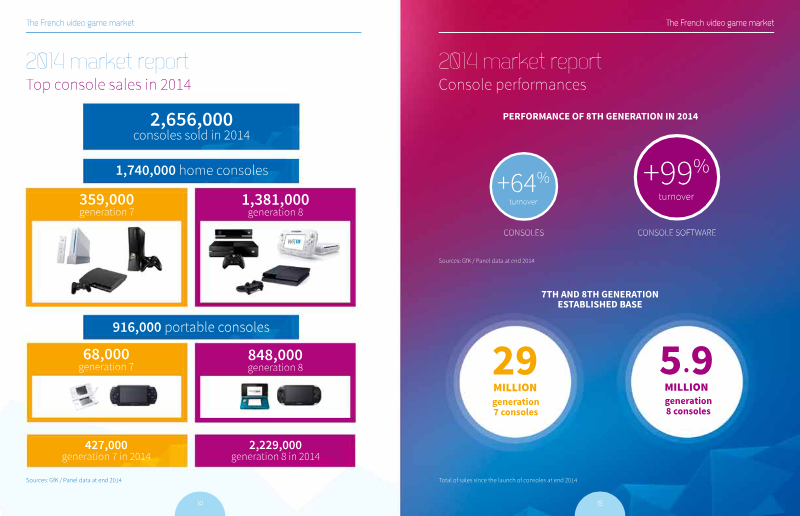
The French video game industry experienced a significant resurgence in 2014, marking its first period of growth since 2008 with a 3% increase in total market value.
- The French video game market grew by 3% in 2014, marking its first period of growth since 2008.
- Eighth-generation consoles are the primary market driver, currently accounting for 89% of the total console market value.
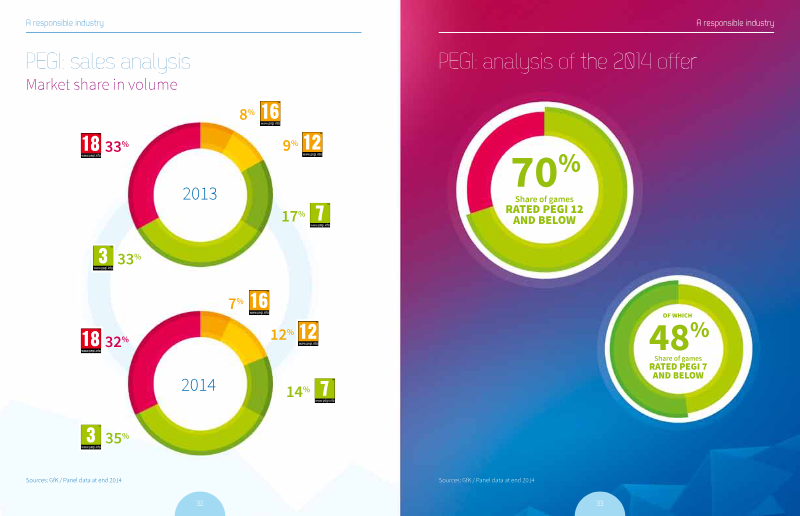
- Video games have achieved high social penetration in France, with 75% of the population playing regularly and 78% viewing gaming as a family-oriented activity.

GDC 2014: Alex Okafor, One Man Left Studios
The independent game development landscape is increasingly defined by the shift toward free-to-play monetization models, which have become a dominant topic of industry discourse.
- Independent studios are increasingly adopting an iterative development strategy by maintaining a portfolio of experimental prototypes rather than committing to single long-term projects.
- Free-to-play monetization models have become the dominant financial framework within the independent game development landscape.
- Studios are extending the lifecycle of established intellectual properties by releasing targeted downloadable content that repurposes existing game mechanics.

GDC 2014: Dan Gray, producer, ustwo Games
The mobile gaming landscape is currently undergoing a significant shift toward the resurgence of premium, high-quality experiences.
- Ustwo Games is prioritizing craftsmanship and aesthetic value over traditional mobile monetization models to differentiate its titles in a crowded marketplace.
- The game Monument Valley serves as a case study for proving that mobile platforms can support high-fidelity, premium gaming experiences comparable to traditional hardware.
- The initial release strategy for Monument Valley is focused on the iOS platform, with potential expansion to Android contingent on consumer demand and community engagement.

GDC 2014: David Kalina & Randy Smith from Tiger Style Games
The independent game development sector is experiencing a period of significant growth and maturation, increasingly operating as a parallel force to the mainstream industry.
- Independent game development is transitioning from a peripheral market segment into a robust, self-sustaining ecosystem that frequently achieves major industry awards and commercial success.
- The mobile gaming sector is seeing a strategic shift in monetization, with collectible card games emerging as the primary evolution of the dominant free-to-play business model.
- Developers are adopting multi-platform strategies to maximize reach, as evidenced by the development of 'Spider: Rite of the Shrouded Moon' for mobile, PC, and virtual reality hardware.

GDC 2014: Gene Mocsy, Designer, IF Games
The gaming industry is currently undergoing a significant shift toward immersive and augmented reality technologies, with hardware like the Oculus Rift and Google Glass serving as the primary catalysts for future development.
- The gaming industry is pivoting toward immersive and augmented reality, with hardware like the Oculus Rift and Google Glass acting as primary catalysts for mainstream adoption.
- Industry leaders including John Carmack and Gabe Newell have identified virtual reality as a transformative technology that will fundamentally change player interaction with digital environments.
- Developers are increasingly prioritizing real-time, location-based interactions that integrate graphical overlays and augmented elements directly into the physical world.

GDC 2014: Phil Larsen, CMO, Halfbrick
The global game development industry relies heavily on centralized professional gatherings to facilitate international networking, distribution partnerships, and knowledge sharing.
- Studios mitigate financial risk and ensure long-term sustainability by maintaining a diversified portfolio of intellectual property across multiple gameplay styles.
- Industry conferences function as essential hubs for independent studios to condense months of business development, networking, and press outreach into single-week events.
- The emergence of wearable technology and virtual reality is forcing developers to re-evaluate current mobile-centric monetization models in favor of potential subscription or premium paid structures.

Simulation Sickness - Causes and Cures for Game Headaches - Extra Credits
Simulation sickness is a physiological phenomenon characterized by nausea and discomfort caused by a sensory mismatch between visual input and the vestibular system.
- Simulation sickness is caused by a sensory mismatch where visual input from on-screen action conflicts with the vestibular system's lack of physical motion.
- Developers should prioritize accessibility by implementing camera stabilization and movement mechanics, using titles like Journey as a benchmark for low-nausea design.
- Players can mitigate symptoms by disabling camera bobbing, adjusting the field of view, reducing screen brightness, and limiting gaming sessions to approximately 20-minute intervals.

Mailbag 5 - Questions About the Game Industry - Extra Credits
This analysis addresses the state of the video game industry as of late 2012, focusing on the trajectory of console hardware, emerging platforms, and the ethical implications of industry marketing practices.
- As of late 2012, the next console generation is expected to shift toward digital distribution, social integration, and increased connectivity with mobile devices.
- Marketing strategies that conflate real-world weaponry with digital entertainment, such as EA’s promotion of firearms on the Medal of Honor website, are criticized for trivializing combat and ignoring underage audiences.
- The Wii U holds potential for asymmetric and local multiplayer innovation, provided developers look beyond its dual-screen functionality.

COLOPL Annual Report 2019
COLOPL pursues a strategic transition from a smartphone-centric mobile gaming model toward a diversified entertainment portfolio.
- For the fiscal year ending September 30, 2019, COLOPL experienced a 15.0% decline in net sales to ¥38,920 million and a 57.5% drop in operating profit to ¥2,952 million.
- The company is shifting its strategy from a smartphone-centric model toward a diversified entertainment portfolio, including virtual reality and location-based services, to counter volatility in the mobile gaming market.
- Financial performance was negatively impacted by a reduced volume of new title releases and diminishing returns from legacy products such as the Shironeko Project.