PocketGamer.biz
1 free read left. Create a free account for unlimited reading + AI research.
Create free account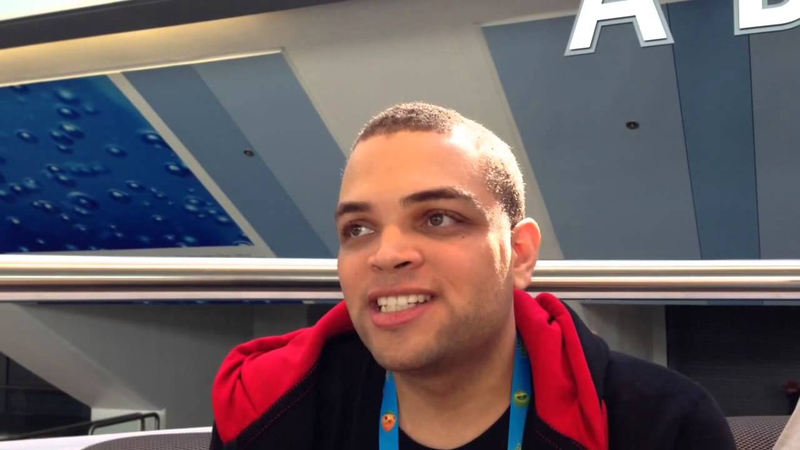
alex okafor and I'm one of the cofounders of one man left studios and we are an indie indie game development studio for Adam and I the biggest opportunity is we get to meet all the other Indies since we both remote we work remotely all year long we don't get to meet all the other industry professionals on a day-to-day basis so be spending a whole week you know morning to evening going to talks and just kind of talking shop is the biggest thing we get out of GC looking at my agenda for GDC it's a lot of freedom at least for the first path of the week and I think that's going to be even a bigger thing this year than last year in terms of our own projects we're kind of playing it by ear at the moment we're just working on tilt to live or what probably is the remaining here next project we don't have anything at the moment we're just we've got just a bunch
of prototypes and whichever one kind of becomes the primary one is what we'll be talking about next year as for the industry it's hard to say the biggest thing I'm personally excited for is oculus rift and I'm hoping to see more that stuff this year and maybe that'll be more prevalently next year so the moment we are working on a dlc for till to lift to it's called brimstone pinball and we're hoping to have it out mid-april and it's a brand new game mode that focuses on the brimstone power up that is designed to kind of give you a pinball feel on our total live game mechanic and finally what do you expect to be talking about at GBC next year in terms of your own projects and the industry more general
The independent game development landscape is increasingly defined by the shift toward free-to-play monetization models, which have become a dominant topic of industry discourse. For small, remote-based studios, professional gatherings serve as a vital nexus for networking, knowledge sharing, and peer-to-peer collaboration that is otherwise impossible to replicate in a distributed work environment. These events provide a necessary platform for developers to evaluate emerging hardware trends, such as virtual reality, which are poised to influence future development cycles and market opportunities.
Current development strategies for independent teams often involve maintaining a portfolio of experimental prototypes rather than committing to a single long-term project prematurely. This iterative approach allows studios to remain agile, selecting their next primary focus based on evolving market conditions and internal creative momentum. For instance, studios often extend the lifecycle of established intellectual properties through targeted downloadable content, such as introducing new game modes that repurpose existing mechanics to offer fresh experiences for the player base.
Looking ahead, the industry is closely monitoring the maturation of immersive technologies like the Oculus Rift, which are expected to gain significant prevalence in the coming years. While the immediate focus for many developers remains on refining current titles and exploring diverse monetization strategies, the long-term outlook is centered on the integration of new hardware platforms. By balancing the maintenance of legacy titles with the exploration of experimental prototypes, independent developers aim to navigate the volatile gaming market while positioning themselves to capitalize on the next wave of technological innovation.
The games and companies this document names on the inner ring, other documents about them on the outer one. Select a cover to see it up close and open it in a new tab; drag to move, pinch or Ctrl + scroll to zoom.

PocketGamer.biz · 2026

PocketGamer.biz · 2026

PocketGamer.biz · 2026

PocketGamer.biz · 2026

PocketGamer.biz · 2026

PocketGamer.biz · 2026

PocketGamer.biz · 2026

PocketGamer.biz · 2026

PocketGamer.biz · 2026

PocketGamer.biz · 2026

PocketGamer.biz · 2026

PocketGamer.biz · 2026
Develop:Brighton · 2025