Tabletop reports and market data
Documents
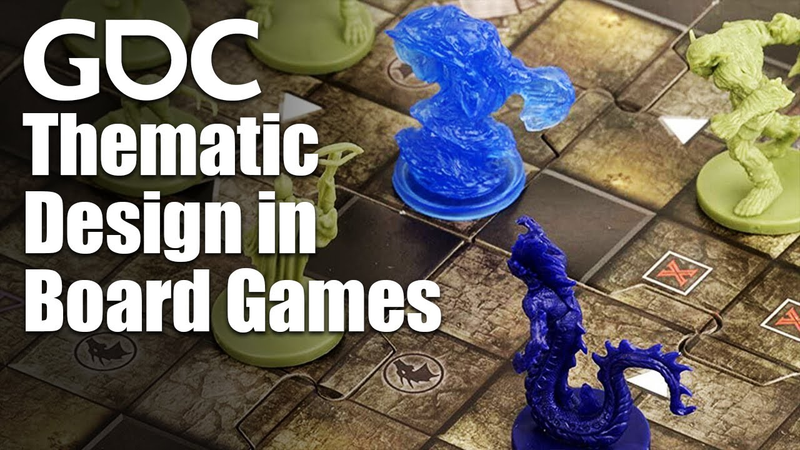
Creating Resonance with Thematic Tabletop Game Design
Board game design functions most effectively as an architectural art form rather than a purely mechanical engineering challenge.
- Resonance in tabletop design is defined by the formula: (Familiarity + Unexpectedness) - Chaff.
- Thematic integration requires that mechanics and win conditions directly mirror the goals and desires of the characters, as seen in the socio-political alignment of factions in the game Root.
- Designers should treat theme as a learnable skill rather than an engineering problem, using it to pull new players into the hobby by focusing on emotional connection rather than just mechanical puzzles.
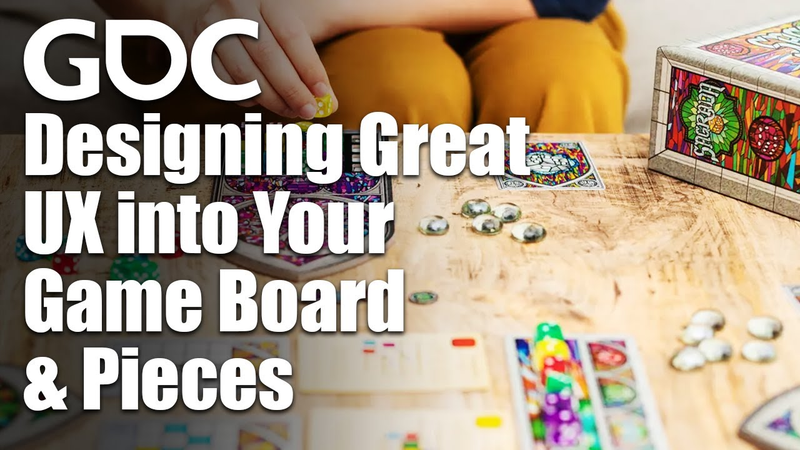
Designing Great UX into Your Game Board and Pieces
Prioritizing intuitive user experience in board game design requires shifting the burden of learning from the player to the developer.
- Prioritize UX design within the game board and pieces themselves to reduce reliance on rulebooks, as players intuitively attempt to learn games by assembling components and identifying patterns before reading instructions.
- Use iterative prototyping tools like laser cutters and 3D printers to test board layouts early, as late-stage production changes are significantly more costly than refining physical components during development.
- Streamline the user experience by replacing ambiguous or language-dependent iconography with clear, consistent visual cues, such as using specific colors to map dice results to victory point conditions.
The Pandemic is Killing Board Games - A Tabletop Extinction Level Event - Extra Credits
The tabletop game industry is currently facing an existential crisis, characterized by a convergence of manufacturing, supply chain, and economic challenges that threaten the survival of both independent and large-scale publishers.
- The tabletop industry is facing an existential crisis due to a 'paper apocalypse' caused by manufacturing bottlenecks, raw material shortages, and logistical failures.
- Despite a 20% surge in consumer demand for board games in 2020, the industry could not capitalize on this growth due to production shutdowns and labor shortages in China.
- Global shipping costs have increased by three to four times, while transit times have doubled, severely impacting the profitability and delivery of tabletop products.
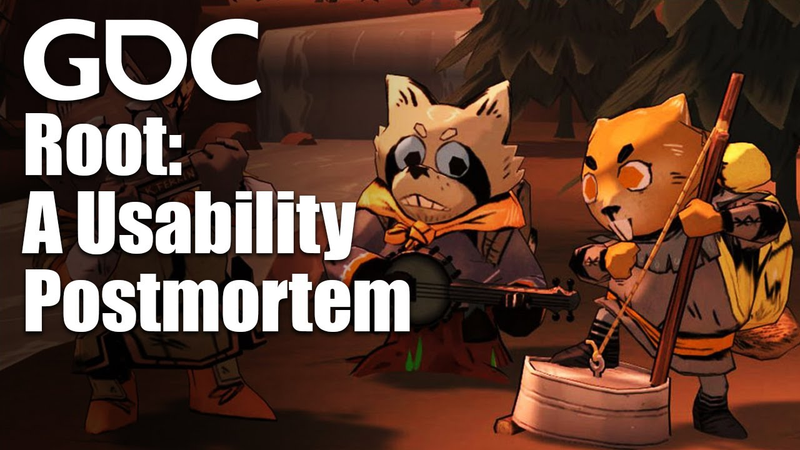
'Root': A Usability Postmortem
The design of Root demonstrates that usability in complex, asymmetric board games hinges on the precise alignment of visual iconography, physical feedback, and instructional architecture.
- Usability testing is critical because players interpret design elements based on context; for example, players misidentified a mouse icon as a teapot or ghost, and assumed a storage box size was a functional limit rather than an aesthetic choice.
- Visual design elements must be distinguishable at all scales; the 'Root' mouse icon failed because its most identifying feature—the whiskers—were too small to be legible when the icon was scaled down on the game board.
- Context-dependent information can be misinterpreted if it mimics other game systems; players confused a victory point reminder for a prompt because all other board elements were active prompts, necessitating a move of that information to a separate overview card.
Shopping in Games is Garbage but it doesn't have to be! - Video Game Design - Extra Credits
Haggling mechanics in video games are currently underdeveloped, often functioning as superficial, zero-sum systems that resemble simple volume sliders rather than engaging gameplay.
- Current game haggling mechanics are largely underdeveloped, functioning as superficial, zero-sum systems that prioritize simple price adjustments over meaningful player agency.
- Developers should shift from hard positional bargaining to soft or principled negotiation models to transform store interactions into puzzle-like experiences.
- Titles like Potionomics demonstrate that integrating negotiation cards and social systems creates a multi-dimensional experience where NPC relationship history directly influences transaction outcomes.
Proposed Acquisition of Asmodee: Management Presentation
Embracer Group’s acquisition of Asmodee for approximately EUR 2.75 billion represents a strategic expansion into the tabletop gaming sector, aiming to create a diversified global entertainment powerhouse.
- Embracer Group is acquiring Asmodee for approximately EUR 2.75 billion, with the transaction expected to close in the first half of 2022.
- The acquisition adds 22 studios and over 300 intellectual properties to Embracer’s portfolio, bringing the combined entity's total to over 560 IPs and 11,300 employees.
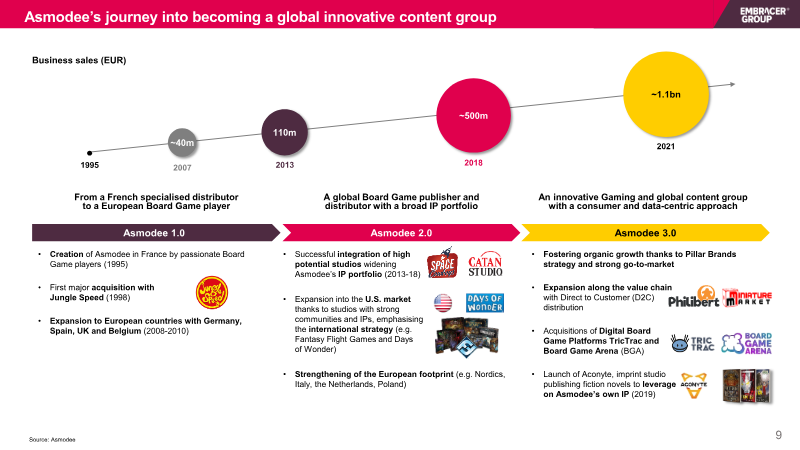
- Asmodee reported EUR 1.1 billion in pro forma sales for the 2021 fiscal year, demonstrating a resilient, high-growth business model.
"King Me": A Defense of King-Making in Board Game Design
Modern board game design is currently constrained by an obsession with fairness and the elimination of king-making, a trend rooted in 19th-century Victorian moralism that equates victory with merit.
- Board games are fundamentally storytelling mediums, and designers should prioritize narrative cohesion over the modern industry obsession with artificial fairness or catch-up mechanisms.
- Designers can mitigate player frustration in high-conflict games by providing players with diplomatic flexibility and meaningful agency, even when they are no longer in contention to win.
- The modern design ethos of 'fairness' is a relatively recent development rooted in 19th-century Victorian morality and the rise of mass-market manufacturing, rather than an inherent requirement for engaging gameplay.
The State and Future of Board Games
The board game industry is currently undergoing a period of rapid expansion and transformation, characterized by an annual influx of approximately 4,000 new titles.
- The board game industry is experiencing rapid expansion with approximately 4,000 new titles released annually.
- Consumer behavior is shifting away from long-term lifestyle games toward a model that prioritizes variety and shorter-term engagement.
- Advancements in manufacturing technology have lowered barriers to entry, allowing designers to target increasingly niche audiences.
5 Rules for Design Tools - Developing RPG and Tabletop tools for other people to be creative!
Designing effective creative tools for tabletop role-playing games and sandbox environments requires a balance between providing structure and allowing for user-driven innovation.
- Prioritize versatile, basic building blocks over hyper-specific components to maximize user creativity and system flexibility.
- Embed hidden synergies within the system to encourage user experimentation and discovery of unintended, creative combinations.
- Define a clear project vision using evocative adjectives to ensure all design elements remain cohesive throughout development.
Lessons for Narrative Design from Modern Tabletop RPGs
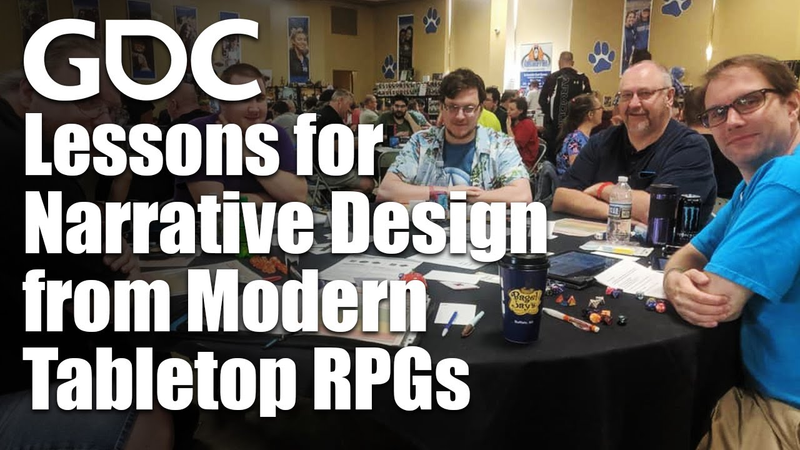
Modern tabletop role-playing games, particularly the emerging class of indie story games, provide a transformative framework for digital narrative design by shifting the focus from traditional win-loss mechanics toward collaborative, thematic exploration.
- Modern indie tabletop RPGs prioritize narrative experience over tactical or strategic challenges, often shifting the focus from winning or losing to collaborative storytelling.
- The 'Sega Principle' in story game design suggests that when one person holds all narrative authority, the game's focus is defined by what is not mechanized, meaning developers should carefully choose which elements to explicitly systemize versus which to leave open.
- Narrative authority can be distributed by carving up the traditional Game Master role into discrete chunks or by allowing authority to flow directly from the fiction, as seen in games like 'A Thousand and One Nights' or 'Fiasco'.
Evil Races are Bad Game Design - Bioessentialism & Worldbuilding - Extra Credits
The practice of assigning inherent moral traits to entire species in game design, often referred to as biological essentialism, is fundamentally flawed and limits the potential for compelling storytelling.
- Assigning inherent moral traits to entire species, known as biological essentialism, limits narrative depth by reducing complex characters to static environmental hazards.
- Treating entire races as universally evil removes player agency by pre-determining the morality of opposition before any in-game interaction occurs.
- Designers should shift from species-based morality to individual choice, where evil is defined by an actor's decisions rather than their biological birth.
What makes Critical Role so Good!? - How the Pro's turn RPG's into compelling tabletop entertainment
The transition of tabletop roleplaying games (RPGs) from private social activities to professional entertainment requires a fundamental shift in design and execution.
- Successful actual-play shows like Critical Role, The Adventure Zone, and Rivals of Waterdeep transition tabletop RPGs from private social activities into professional spectator entertainment by prioritizing the viewer as the primary consumer.
- Production teams treat sessions as performances by utilizing writers, editors, and technical crews to manage pacing, camera angles, and sound design, effectively mirroring the structure of professional sports broadcasting.
- To maintain audience interest, these productions minimize extraneous downtime and focus on narrative flow, moving beyond simple character statistics to prioritize visual presentation.