1 free read left. Create a free account for unlimited reading + AI research.
Create free account
What makes Critical Role so Good!? - How the Pro's turn RPG's into compelling tabletop entertainment
Key insights
6 takeaways- 01Successful actual-play shows like Critical Role, The Adventure Zone, and Rivals of Waterdeep transition tabletop RPGs from private social activities into professional spectator entertainment by prioritizing the viewer as the primary consumer.
- 02Production teams treat sessions as performances by utilizing writers, editors, and technical crews to manage pacing, camera angles, and sound design, effectively mirroring the structure of professional sports broadcasting.
- 03To maintain audience interest, these productions minimize extraneous downtime and focus on narrative flow, moving beyond simple character statistics to prioritize visual presentation.
- 04The integration of collaborative storytelling with high-stakes production values allows these shows to remain accessible to broad, non-playing audiences.
- 05Performers in professional RPG broadcasts employ advanced improvisational techniques to ensure the narrative remains compelling regardless of the randomness introduced by die rolls.
- 06Players must shift from passive participation to active proactivity, building upon each other’s contributions to consistently generate moments of high drama for the audience.
Ask AI about this video
Transcript
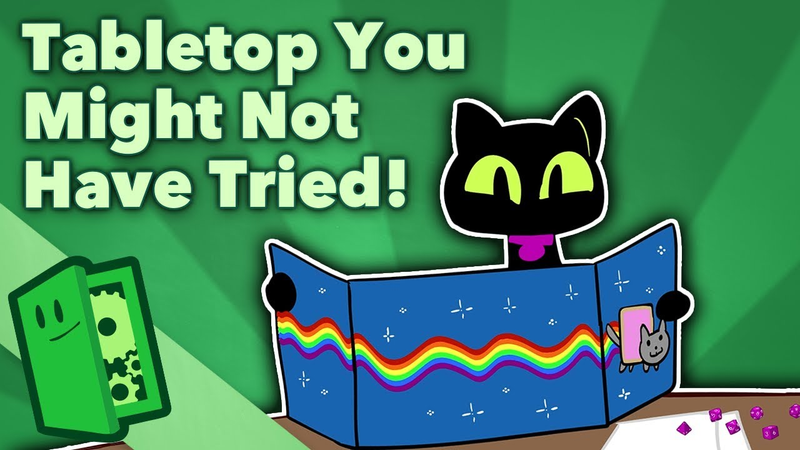
as we roll into the umpteen billionth year of social distancing in order to keep our fellow humans safe i've noticed that my desire to play tabletop rpgs with my friends has exponentially increased so to help fill that void left at my empty gaming table i've turned to a bunch of shows where i can see other people play tabletop rpgs with their friends and i didn't realize it at first but watching folks engaging with games that i love has been a huge help to me and honestly some of the only narrative content i found myself sticking with during the pandemic but then the old designer brain likes to figure out why it is i like things so i began to wonder what aspects of an rpg session need to be adjusted to create compelling narrative entertainment and did we just borrow those tricks from professional sports [Music] thanks so much to curiositystream for sponsoring today's gaming discussion to help answer my question we asked our good friend and tabletop design aficionado eddie whip to take a break from building the realms of pugmire to guest right this episode
turns out eddie was on this playing rpgs for an audience train way before i was and he's been watching the steady rise of podcasts twitch streams and youtube shows where people play tabletop rpgs for viewers to experience as narrative entertainment and today there's tons to choose from shows like adventure zone rivals of waterdeep and critical role just to name a few now the style of these programs are sometimes called actual plays though some shows are more actual than others because in order to work as a passive entertainment medium for an audience outside their table they really need to take three ideas that great games use and imbue each of them with different aspects planning improvisation and player proactivity planning in a home game usually consists of the game master working on the campaign and the players thinking about their characters and their various stats and backstories but when planning for a game that's going to be watched by non-players everyone involved needs to make sure that every episode is fun to watch or listen to to that end many of these shows are helmed by professional actors producers
and writers folks who know how to make entertaining media because they do it for a living then they use the game as a vehicle for performance in addition to the pure enjoyment of them playing it not to mention these performers employ a bevy of off-camera wizards to help carefully plan things like table setup show pacing and camera angles when putting together their world for outside consumption kinda like how an nfl game needs more planning than a regular game of pickup football making sure the teams are visually distinctive providing commentary in computer graphics and even adjusting the rules on occasion so viewers can always have something interesting to watch similarly rpg shows need a steady pace of interesting things happening in each episode to keep an audience engaged because in a home game part of the fun can just be hanging around and being silly with your friends but if you don't know the people involved that can sometimes get draining so some shows like the shadowrun podcast neoscum handle that issue through editing cutting out anything extraneous moving small plot points around to where they'll have the most impact and adding music and sound effects to heighten the experience other shows
particularly live streamed ones can plan their gameplay around specific moments occurring in each episode and work toward that moment but as we know even the most carefully planned campaign with the most professional players and team behind it can get derailed by a bad die roll i mean that's part of the fun right which is where our second ingredient for any successful rpg for an outside audience comes in improvisation everyone playing and performing really needs to be a master improver smoothly pivoting based on new information at a moment's notice in a home game this isn't really as important as the group isn't focused on keeping anyone's attention who's not playing the game but for an adventure being broadcast to tens of thousands of fans you're gonna need a heck of a lot of yes and which for the uninitiated is a term used in improv where whatever you say should build off of what the last person said and audiences expect that level of skill in these shows just like they do when watching professional sports because both groups are looking for that same thrill where anything can happen but also desire the shared confidence
that no matter what occurs the gameplay will be top notch because it's being crafted by professionals with an outside audience in mind which leads us to our third point of player proactivity players on these shows don't just sit around and stare at the camera for hours while they listen to the game master speak they need to be just as entertaining as the gm coming up with new and interesting things to contribute to the experience and they also have to proactively work with each other with inter-party banter and role-play all while cheering each other on and making room for everyone at the table to shine matt mercer's classic how do you want to do this is a great example when a player delivers a killing blow to an enemy he asks that player to describe how they dispatch the foe giving them the understood spotlight to be as awesome and entertaining as they wish and here again successful actual play shows borrow from the professional sports playbook because they know that while a team may have an mvp that tons of people follow and cheer on the star quarterback can't pull off amazing plays by themselves teams are more successful when every player is as proactive as
possible in setting up for that big moment be it a touchdown an emotionally poignant moment between two pcs or anything in between and all these things are needed to account for the existence of that external audience in your home rpg your players are the audience but in an rpg show the players aren't fully the audience anymore because there's a separate audience now watching them we've gone from players ourselves to fans in the stands and this apparently small change in the rpg's dynamic is actually quite huge because of that shift of where the audience lives we're now cheering characters on booing their rivals and getting wrapped up in the live drama of the moment actually i recently learned a lot about these concepts myself when a few months back some of the ec crew and i did our ec and dnd one shot as a charity stream reward now none of us had ever played a tabletop rpg as a performance before and the changes to those three factors were immediately apparent we planned differently by ensuring our character's dynamics would be an entertaining mix for outsiders to enjoy and not just characters that would amuse
us we improvised in a more performative manner to help the story threads move forward at an engaging and timely pace cause again one shot and we as players were more proactive in our dialogue and describing our character's actions than we would have been if we were just playing for ourselves to help ensure to an outside audience that our little world was as real to us as it possibly could be and believe me i know we did not get everything right especially at the end with those cultists but it was a super fun learning experience and one that made me reflect even more on all of the hard work and difficulties that the true professionals in this field have to work through so planning improvisation and player proactivity all factors that need adjusting when turning an rpg session into outside entertainment and when done correctly it can blend all of the engagement of great storytelling with the excitement of a live sporting event all while giving you a piece of that feeling of sitting around a table throwing some dice and weaving a tale with friends when we all can't safely do that together ourselves but i am really
looking forward to when we can oh one more thing if the idea of watching people at the top of their game is something you'd like more of in your life then we've got a deal for you from our friends at curiositystream as i'm sure you know by now curiositystream is an online learning platform where you can watch thousands of amazing documentaries and award-winning original series on most every topic under the sun and even some beyond it for instance i just watched a documentary with probably my favorite title ever hack the moon unsung heroes of apollo where i learned a ton about the space race and the people that navigated us to the moon and back using a fraction of today's technology seriously it was like rocketing through the stars guided by a sliver of your cell phone which then feels even more nuts when you hear that story accompanied by footage of the time it's awesome and because curiosity stream loves supporting educational content and the people behind it when you sign up you'll also snag a year of nebula the by creators for creators platform we just became a part of featuring original content from a ton of awesome creators we love such as tierzoo jill barup and kento bento to
name a few oh and by the way that's not just a trial we're talking about it's a full account you have access to for free for the entire duration of your curiosity stream subscription plus nebula even made it possible for us to create an extra extra history on the tiger of mysore tipu sultan which you'll also be able to get your paws on once you sign up now surely all this content must cost an arm and a leg right wait really a year of all that amazing goodness for under 15 all right then i'm not their accountant visit curiositystream.com extra credits to get a year of curiosity stream and a year of nebula for the discounted price of 14.97 which also helps support our channel at the same time so thanks for that it's the best dang deal in streaming if you ask me and my cat a big extra credits thanks to ahmed zion turk alecia bramble casey muestia dominic valenciana gunner clovis kyle murgatroyd and obriels1 for their continued legendary patronage
[Music] you
Summary
The transition of tabletop roleplaying games (RPGs) from private social activities to professional entertainment requires a fundamental shift in design and execution. While home games prioritize the personal enjoyment of the participants, successful actual-play shows—such as Critical Role, The Adventure Zone, and Rivals of Waterdeep—must treat the session as a performance. The primary thesis is that these productions achieve success by adapting three core pillars: rigorous planning, masterful improvisation, and consistent player proactivity, effectively mirroring the production values and engagement strategies of professional sports.
Planning for an audience involves moving beyond character stats to consider pacing, visual presentation, and narrative flow. Professional productions utilize writers, editors, and technical crews to manage camera angles, sound design, and editing, ensuring that extraneous downtime is minimized to maintain viewer interest. This structured approach mirrors sports broadcasting, where commentary and visual aids are used to keep the audience engaged.
Improvisation and player proactivity are equally critical. In a broadcast setting, performers must employ advanced improvisational techniques to ensure the narrative remains compelling regardless of random outcomes like die rolls. Players must also be proactive, moving beyond passive participation to actively build upon each other’s contributions and create moments of high drama. By shifting the focus from the players as the primary audience to the viewers as the primary consumers, these shows transform the tabletop experience into a spectator event. This evolution allows creators to blend the intimacy of collaborative storytelling with the high-stakes excitement of live entertainment, providing a structured, high-quality narrative experience that remains accessible to a broad, non-playing audience.














Comments