Designing Great UX into Your Game Board and Pieces
8 Apr 202230 min video
Transcript
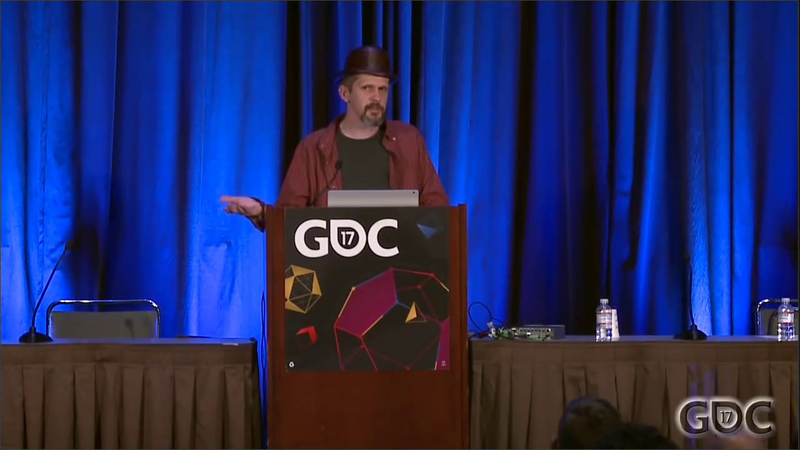
[Music] all right so today's talk for me designing great ux into your board game and pieces game board and pieces so first who am i this is my first board game track to be talking to so i actually haven't had a chance to meet a lot of you and a lot of you haven't obviously met me i started way back on judge and jury decision making like how juries would make decisions in cases involving complex scientific testimony like dna evidence or economic damage models i burned out of that and joined a bunch of other grad schools psychology grad school burnouts at microsoft game studios and we worked in the usability and play testing labs there and we basically studied how groups of people played games and what made the games fun and what made them not fun i decided i wanted to build a bunch more games actually and learn how they were made so i joined up with big huge games and as a sort of producer designer ux person shipped a bunch of pc and console games burned out of that went to amazon
learned about social computing so how do we encourage people to oh no but i don't know so how do you encourage people to uh oh do you need oh stick this in sorry sorry about that everyone all right uh now i gotta figure out how this guy goes okay all right yeah so went to amazon learn things like you know how do we convince people to write better reviews or to convince people who haven't ever written a review before to write a review or to upload a video of them demonstrating a project product and then how do we on the consumer side help surface that information to purchasers in their buying pipeline so they can make a more informed purchase decision uh missed games went to zingo where i did more social games it was kind of related a little bit to the stuff i was working on at amazon and then ended up at disney mobile made some mobile games and then for the past five years or so i have been a consultant
the things that i do i study human beings i like watching people do things i identify user experience issues i recommend fixes to teams i mentor game designers pms and uxers and provide some sort of strategy so that we can figure out how to mesh your business and creative goals with your actual user experience the way people perceive and interact with things why i do it the top reason is probably the same reason why you all are in it we love games right so that's number one um i love watching people play games i might have mentioned that a few times already and uh i love helping people make games i'm not the person with the idea for a great the next great game but i love helping people achieve their goals one thing i don't do is make board games i do run an elementary school board game club and they make games uh and i give them little like hints or suggestions or whatever and it's super fun but i myself don't actually make them um maybe i can get some part marks for doing some digital versions of board
games so katan is something that i worked on for xbox live arcade helped out with you know how do you make the trade interface understandable and fun how do you communicate with people across different languages uh also heavily involved in designing the tutorial and onboarding experience for new players you've never played before similarly with a star wars card battler that existed for maybe a month or two um you know again you know player progression combat how do you get people into the core loop of the game but also you know the tutorial and onboarding and the reason why i'm focusing a bit on the tutorial on onboarding is that it gets when i a lot of my work that i was doing this area to think about the ideal way of learning and it's learning as you play not learning then playing right learn as you play and this can happen in board games right we all have the friend or maybe you are the friend who is very knowledgeable about games knows all the games knows all the rules not only knows all the rules but is really good teaching the rules and teaching them in the context of actually playing the game so it's actually a fun experience to get onboarded to a new game um but typically or fairly commonly
right we're all learning the game together and trying to struggle to figure it out and you can see you know this is a familiar scene to folks right piecing things together someone's scouring through the rule book and hoping that at some point or other you'll get to fun gameplay so the board game exercise that i'm going to be talking about today is something i've run on all sorts of different groups elementary school kids college students game industry professionals other ux professionals i've run them in cities all over the world it sounds exciting it's not that exciting except for me because i like watching people play games um the basic exercise is this the players group up i give them a game that they've never played before and i tell them how to figure out go figure out how to play you got 20 or 30 minutes um and i observe players without helping them so uh no manual and they can ask me questions but i'm not going to answer any of them uh after about 20 or 30 minutes when i see that all the teams have some sort of game going on and they're playing uh we
break it down so um the team explains what they came up with based on the board game and pieces we diff the version that they came up with with the actual rule set and then we discussed how the board and the pieces helped or hurt their learning of the game where it still steered them right and where it steered them wrong um and then we brainstormed fixes together so why would i be so cruel like why would i bring board games that we all love and put them in front of people who've never played them before and force them to struggle as it turns out as we'll find out at the end this is a super enjoyable exercise for people a wide variety of people it's fun to play with these essentially toys because they're just pieces and boards but my biggest the reason why i do this and it's been kind of something that i've you know talked about for years and years is i believe that game improvement only comes through pain transference so we need to take the pain from the player and put it on the shoulders of the developer and also we're designing these days for a world where no one reads
and so what other tools do we have well of course the board and the pieces so my background is more traditionally in video games um and the neat thing about video games is they have board and pieces but they also have computer feedback right which helps a lot when you're playing a board game the board game doesn't necessarily give you feedback um actively based on your decisions um so for pacman for instance on the left um you know the game starts whether i'm holding the joystick or not my pacman starts swooping off i hear the bloop bloop of button of things being eaten i see them disappearing i see the score incrementing um i might notice that there's some interesting blinking things that maybe i should investigate at some point but whoa there's this red angry looking ghost and he's coming at me i should probably avoid him and the other thing i want you to notice about that is the cherry at the bottom right um the this is you know in terms of progression right so we've set the we've set the mode on easy to start with so if new people coming into the game will have a better chance of surviving for a bit and figuring it out if we started on
peach or pretzel new players would just get wiped out before they could even figure out how to play the game on the right you have starcraft right you start in a world you have a little base you've got a bunch of machines going they're gathering things they're bringing to the base you can see the counters on the right that we're accumulating resources maybe i can use those resources to build things you start to see the edge of the map the fog of war it's like oh there's more to this maybe i should go out exploring and then you look at the mini map on the bottom left and you're like oh this is a big world and there might be other people who are not my friends out there and i need to be careful um and the other thing is too you know talking again about how to to make content so that it's easier for people to learn how to play the starcraft starts always with the terrans the humans they're the most human-like and they have a very traditional build structure so people can get a sense of the game before they start to introduce them to the more exotic races um so how does this apply to the board gaming context um so these are three of the games that
i use i use a variety of games um i'm going to talk most more about castle panic and cartagena and not about deus ex today but yeah how does this translate and as it turns out like as most of you know this is probably the first thing that you all do when you open up a new box right most people most of these groups that i ran who'd never played these games before knew to assemble the board in a way that made sense they knew to match like things together and with this their sort of intuitive first guesses they started to figure out like what kind of game this is and how they might begin to play it and maybe what some of the victory conditions are the question i have though is how do we go from here where you're sorting the cards it's all new and exciting to hear where you're actually having fun enjoying the game learning the strategy having your sodas and popcorn um so for my perspective when i think about game user experience the the largest job that i tend to do and a lot of us tend to do is what i call removing the suck right there are just a lot of sucky things about figuring out the game
and they're not intentional by the game designers um but the problem is is that the designer has the world in in in their mind and players have to sort of share that world and be a part of it and there are a lot of things that can impede that sharing so for instance like is this a great initial experience of a game like i bought a game because i wanted to learn i wanted to play as a pirate escaping from a medieval dungeon right i didn't want to buy a game to read a whole bunch of rules so when i wrote when i put cartagena through these groups here are some of the things that emerged the pause on the positive side board setup was super intuitive right they have all these pieces puzzle pieces that fit together nicely people figure that out quickly oops the um yeah they figured that out they figured out that there's some sort of maze aspect to it and you start at one end and where you want to get is to the boat because the boat's how you escape see then you can see one person's holding cards in their hand and they say okay you know we'll deal out some cards we'll
spend some cards to move our pieces around and somehow or other we'll figure out how we draw cards to replenish our hand and the victory conditions are you know get on the boat so a couple of things emerged though that were troublesome for for groups and and how they got things wrong when they're figuring out the first thing was that um the icon flavoring so this is one of the it's a theme that i'm going to talk about a couple more times where art and ux can be in conflict so the idea is you got a bunch of pirates you're trying to escape but they're pirates so they see shiny objects on the ground and maybe they pause and take a look and examine it for a second and it makes sense there's keys you know to treasure chests there's gems there's bottles of rum but where people got stuck was on the skull for instance so if you see the skull on the board um they thought if they landed there maybe they would die right and then if you look at the gun and the knife cards they thought well this game must involve combat because like why would we have knife and gun cards if we couldn't attack other pirates right well actually
none of that exists in the game right these are just all abstract things that pirates might collect on the way out of the dungeon and so it led them to come up with different rules and ways to play the game some involving combat even and they created card battler games out of cartagena uh and then the core mechanic of drawing cards um and playing cards they understood that playing cards moved them forward on the board but they didn't understand and who could blame them if you haven't played cartagena before the way that you get new cards is you move your player backwards to the closest occupied space and you get that number of cards not very intuitive but once you learn it it makes sense so the teams came up with suggestions one is you know hey let's just remove the misleading icons why do we need a skull and a gun and a knife we can replace them with a crown and a treasure map and a goblet or something like that and the other thing for the car drawing rules they already included this arrow card which you had to read the rules to understand why it even existed or how to use it well replace that with you know a quick reference card that explained the
basic rules of moving forward by spending cards getting cards by moving backwards king of tokyo was another game that i ran a whole bunch of again it's a beautiful manual but you know what can we figured out without that manual um so really intuitive you know the idea this is a monster brawl game the the figures are all posed like they want to kill each other there's tokyo it's on fire so they're trying to invade tokyo obviously there's a bunch of dice that look exciting they have claws which are the way you damage people of course and hearts the way you heal yourself and you know there's monsters and you win the game by killing all the other monsters right the things that didn't go so well here was one of the core mechanics is these special cards so you see the the four energy zombify card people intuitively thought that well this here so we're going to deal them out to everyone everyone has a deck a
handful of cards that we'll play with well actually you're supposed to collect when you roll the dice you're supposed to collect energy cubes based on the number of energy bolts you roll and then spend those during your turn to earn those cards um and so we figured out that it was the the disconnect between going from bolt to cube to then bolt again on the card that caused some confusion there and people didn't necessarily get that they knew that you could enter and exit tokyo and that not everyone could live in tokyo but they didn't know the rules for why people would come into tokyo and why they would have to leave and then victory conditions they understood when you look at the top card there and you see the 19 beside the star in blue they understood that went from zero to 20 they're like well zero is probably where you start and 20 is probably where you win but how do we get those victory points and really you know we have like cryptic clues on the bottom left of the map there where you've got the arrow in one star and then the square brackets and the plus two stars but you know they were a little bit cryptic also there was no way for them to guess that the numbers on the dice actually
referred to victory points and you needed to get sets of three or more to get earn some victory points so some of the suggestions we came up with was well if you're already kind of torn between like you don't want to ruin the art of your game by putting a whole bunch of ux elements on it right you've already made the decision to put some icons and text on there why not just actually make it sort of stand out and clean it up a bit uh so that people can figure out what's going on by looking at it and it's not quite so cryptic and that's the bottom left that i'm referring to there iconography so for energy for instance why not have it always be cubes right so the dice have a cube on it the card has a cube as the icon and then you've got these cubes that's one way to go about it the other way is the aftermarket way you can actually buy i don't know how many of you plus you all play king of tokyo but you can buy the little aftermarket lightning bolts energy bolt so that you can have this consistent experience um and then the victory points you know the dice that you know how do we make it so that the dice indicate that you're like you there's a way to get victory
points to the dice maybe coloring them we weren't really sure but there's some sort of pattern matching or coloring and making that consistent with the color of the of the victory points castle panic was next so a lot of the positives here people really you know quickly picked up and learned a lot about the game just by looking at the board they looked at the middle of the board it said castle okay you know this we've got a castle there's monsters who are going to enter they're going to enter from the forest far away from the castle right that made sense then monsters are going to move towards the castle and attack the castle they understood that by looking at the cards that they would get they use the cards to combat the monsters and there were certain zones that they could attack based on what card they had um and the victory conditions interestingly enough almost every group that i played with this ever knew it was cooperative right from the beginning they knew it was the world against them a couple of them rift on some ideas about player versus player but you know almost uh unanimously they were um they knew it was a cooperative
experience uh problems so uh the board set up um you can see on the circle here at the bottom right they have all the walls and the towers on the outside um which is not exactly correct you want the walls on the outside and then the towers are kind of the keep in the middle and it's when the keep falls down entirely that that's when the game's over um the rules of play so the help text they had actually helped text on the board and in these player cards that you know everyone could take their little player reference card um but they were vaguely worded and they're worded more for reminding as opposed to learning so they had more vague statements like draw up well how many cards do i draw how many cards am i supposed to have they had play cards well how am i supposed to play the cards am i supposed to use them to attack or do other things they had a one that's move monsters well how many do i move do i move all of them some of them do i you know what do i do and then another problem that emerged was combat resolution so you've got these trolls that look big and they
count to one two and three and then you got orcs who are smaller and they're one and two um but you know what are those numbers really mean are they hit points are they strength is that how much damage they do is it both so some of the suggestions that the group came up with uh were um first you know marking the board so again this is another art versus ux kind of trade-off thing where you know maybe there's ways that we can elegantly so that it looks nice put some silhouettes of where the footprints of the walls versus the keep pieces would go uh decoupling hit points from attack so imagine if we used on the bottom right here if we used you know specific icons to indicate damage the cards still those damage the icons and then you map those icons onto the the pieces um and then tidying up the help text wording to make it relevant to both uh or useful to both players and you know returning players who might have just forgotten some of the rules so adding things like draw up to five max cards uh move all your monsters
and finally quirkle a really neat game anyone who i mean every group always had at least a few people if not everyone who'd played dominoes or mahjong or something like that and so they quickly figured out you know okay we got a tile pile in the middle we draw them we make racks and then we match them together and somehow we win or lose that was the problem though these pieces are so abstract that there were like an infinite number of ways they could possibly put them together and so they they spent a lot of time trying to figure out what the rules of this game were and that meant that they couldn't really figure out scoring or or you know when the game was supposed to end and this was a case where we kind of threw our hands up in the air we're like boarding pieces well there really are only pieces and there's not much we can do with those that might you know that won't even make it more confusing potentially but we did talk about optimizing the scoring sheet you can see on the left the quirkle score sheets pretty generic it's just columns of numbers it doesn't
really have any guidance whatsoever about scoring and how to play the game whereas you can play that compare that with the role through the ages one you've got both scoring and some rules that are helpful so how does this help you i mean none of you i don't think are going to like you know come up with the next cartagena expansion or whatever the reason why i'm presenting this stuff is more about to talk about a process that might be useful to you and it's a process that supplements your normal play testing so you don't use this pro process for like early game development when you're iterating with your core group of designers and trying to figure out what are the fun and interesting strategic things about a game that you want to make they're not about balance feedback or about testing for degenerate conditions or golden golden paths or anything like that the idea is to help you think differently about your design decisions and think hard about the trade-offs between art and usability and rely less on the well we'll just solve it with the manual kind of mentality or people will google it to figure it out uh with the end result being let's make it easier for people to pick it up and
play it because you can't ship yourself with the game so in terms of directing your energies uh i consider the gold standard to be you know iterating on the board and pieces themselves uh when you fix the the issues at the top of the funnel it means you can make for more efficient use of any kind of additional documentation right if if if you can clarify a whole bunch of stuff through the actual board that means you can eliminate maybe sections of the manual and replace it with things that people will that are known to struggle with and so you can prioritize uh what content goes into the manual and you can actually cut with confidence like things that maybe don't need to appear there because you only have limited space the late production iteration is more costly than earlier iteration but there's new tools to make it cheaper like laser cutters and 3d printers this is from matt lee his it was a paper prototype forever a chariot racing game and he got a himself a kickstarter laser cutter and made himself a fancy little board and everything uh another vector of attack is you know
qrcs scorecards and help text right remember when you're designing these it's for two audiences one is for the players who want to learn how to play the game but the other is it's sometimes it's a party game or something like that it comes out only during social events and you don't maybe play it more than once every few months and it's a mix of new and experienced players to it the reminders are different than the learning how to play and so make sure you're designing for both and testing for both this is also from matt licox here the role through the ages he's got a really cool time lapse video on his website that shows 24 different iterations of this card so it's important to keep iterating through these during your play sessions the fancy manual when i worked in video games at the beginning we actually shipped paper manuals with games that hasn't happened in years but the only things i ever cared about were the centerfold right it had to be controller mapping layout and then the last page had to be the like oh my god i'm stuck like we need to have the top three things that we know get people get stuck on and list them there so if people because my thought was if you're gonna you're only gonna go to the manual if you're stuck right
so you might as well make it easy the other thing you can do with the manual is kind of repurpose it a little bit i talked a little bit about you know how you can when you focus on the ux at the higher levels it means you can streamline your manual maybe even cut sections of your manual and replace it with other stuff like the stuff that people find confusing but also i think it's really useful to consider adding these quick start modes to your game i learned i sort of first learned about this when i was working on catan for xbox live and i discovered that one of the later versions of catan actually started with the the starting map for beginners it's a nice balance board it takes away the early decisions that are like overwhelming to users like where do i put my initial settlement in road um and it makes it so that players start collecting resources right away because it's a balanced board um and then so they start building things early trading early and gets them really into the fun parts of it early on and so investing more time into that kind of mode would be great if especially if you can reduce the content you need to include as the traditional manual and then for your digital content um again this sort of helps you streamline like you know but before when between
when my game ships and or hits the shelves and now uh you know i might not only have time to make one or two videos what videos do i make in terms of explaining the game well you'll have studied you'll know what some of the key problems are and you'll get a chance to make those videos to supplement that um i talked a lot about uh making you know finding the sock and eliminating the sock but one of the other cool things about doing these exercises and this is what i'm going to wrap up on is that actually you get a chance to see people using what you've made in delightful ways that might be totally unexpected so in cartagena we had some people who experimented with the tiles and say well what if an earthquake happened or something happened where we shifted around the tiles part way through the game based on an event um we had another group who said well this isn't a free-for-all game this is a team game and we've got the team the pirates on the right team and the pirates on the left team racing toward the boat fighting each other over the boat and the first one to leave you know first team to get on the boat and and leave the island win um not necessarily what cartagena was going
for but these are ideas for expansions maybe that you can make or other ideas maybe you've got some other game ideas you're noodling on and some of these mechanics might inspire you to try something different and the final one is now i doubt the inventor of quirkle really wanted to make jenga out of purkle but maybe that the inventor of kirkwall was like you know jenga is a pretty fun game purkle i like maybe there's some new variant of jenga that i can make up and so it gives you new ideas and creative ways to sort of expand what you do and i'll end on that so we have a few minutes left to uh take some questions [Applause] and i'll sort of do you want people to come up to them no okay i'll just repeat the question so if
you can shout it out or you can feel free to come to the mic hey um i was just wondering if there's any um common ux pitfalls that you saw amongst all the games you were testing that is the million dollar questions the question's about you know are there common pitfalls and i think if i could write that book i would probably be like a millionaire and retired a million times over right but i think the biggest thing is is having this is part of your process because you start to within your own genre of game and the games that you make you start to learn the patterns of what happens so that's one thing is you know i can't give you a common answer but i can say that the process works if you let it work but one of the common things is kind of where i talk about this the you usually it's a creative direction problem where it's like we want the game to be immersive and so we want the art to be beautiful but also we want the game to be immersive and we want it to be understandable and that conflict right there you know how much art is too much art and devi and and distracts you away from from actually learning how the game play
and as i mentioned during some of those examples that was those were some key issues it's like the art looked great but it was unintentionally distracting and not in a great not in a good way uh hey i don't know if this is working oh yeah uh okay um so i noticed that you were saying that for the test at least you take the rule books out but leave the quick reference cards in would you say that quick reference cards are superior to rule books and if you could simplify it enough would you say a game would be better if it was just two or three quick reference cards with no rule book at all it's an interesting question so you know could we just reduce or eliminate the need for a manual and have these awesome quick reference cards i think that would be great i think you're always going to need some sort of manual especially for like there are some games that don't lend themselves well i picked specifically games that you know they take an hour to play they're more party-ish games they're not as deep um and i think for those types of games yes exactly that want to move away from the manual into just like let's start
sorting things out and figuring out how to play from the cards themselves so i can't give you like the overall like i don't like i'm fighting for a world where we never have to have another no i'm not arguing for that at all but i think there are definitely classes of games where it's not necessary to have one or that doesn't have to be the expectation that i need to read the manual before i can learn how to play it why hi i'm christoph from asmr poland uh have you thought while this testing well the some information that you put on a board is language dependent yeah and while developing the game you want to keep some of the components language independent language neutral have you find any do you can you tell us any any good thoughts about that that you that you saw while you were exploring this topic yeah that's a good question so about localization localization and and obviously it's much cheaper and more streamlined to be able to design a game once and ship it across all languages um the suggestion that some of the teams made for for king of tokyo where we're
you know let's tidy up the wording or some of the the the cards for um castle panic yeah it's it's a tricky situation when you want to focus on words themselves as a solution um first of all just because like words you know can clarify things but people read the words as like the you know moses from the mountain kind of thing and so if you if you write something in a way that doesn't exactly make sense you'll might actually harm them more than help them in terms of localization though we didn't see any specific trends we just noticed that um it's i think as a process thing you'll just want to iterate more on them to make sure that those non-verbal hints are being effective and effectively conveying what you want and one thing that we struggle at is that like on the token tokyo board it's like those icons were kind of meaningless to people and they didn't really explain what was going on now again that also you bring that back to the fact that you know as a reminder it works great if i already know the rules basically but as a new player to discover them and then
you just make the trade off yourself you say well yeah we you know we can't we can't localize this across a bunch of languages and so we're just gonna we're gonna just for the sake of the business we're going to make sure that we just you know use the localizable the the icon only version all right i think i'm supposed to remind everyone that um i guess you'll get an email asking for feedback so feedback encouraged i love to learn learn and get my make my speeches and talks better and i'll i'm happy to stick around at the end and talk to people individually thanks very much [Applause]
Auto-generated captions from YouTube — names and numbers may be misheard.
Key insights
6 takeaways · ~2 min read- 01Prioritize UX design within the game board and pieces themselves to reduce reliance on rulebooks, as players intuitively attempt to learn games by assembling components and identifying patterns before reading instructions.
- 02Use iterative prototyping tools like laser cutters and 3D printers to test board layouts early, as late-stage production changes are significantly more costly than refining physical components during development.
- 03Streamline the user experience by replacing ambiguous or language-dependent iconography with clear, consistent visual cues, such as using specific colors to map dice results to victory point conditions.
- 04Incorporate 'quick start' modes—such as the balanced starting map used in Catan for Xbox Live—to remove overwhelming initial decision-making and allow players to engage with core mechanics immediately.
- 05Decouple complex game mechanics, such as hit points and attack values, by using distinct icons on pieces and cards to prevent player confusion regarding how game elements interact.
- 06Design components to be language-neutral whenever possible to simplify global localization, opting for icon-based systems that remain intuitive across different markets.
Ask AI about this video
Cite this video
Citation
Generating citation…













Comments