More from BrainBerry
View all

More on Serious Games
View all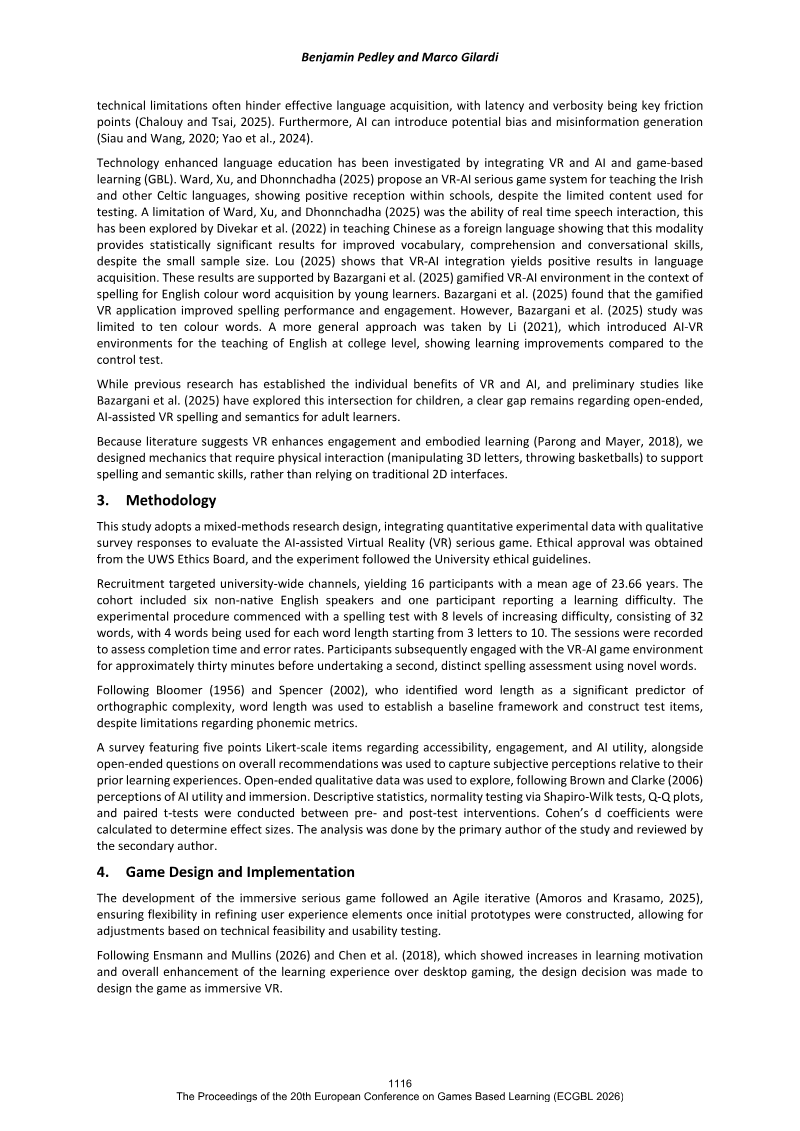
Whitepaper
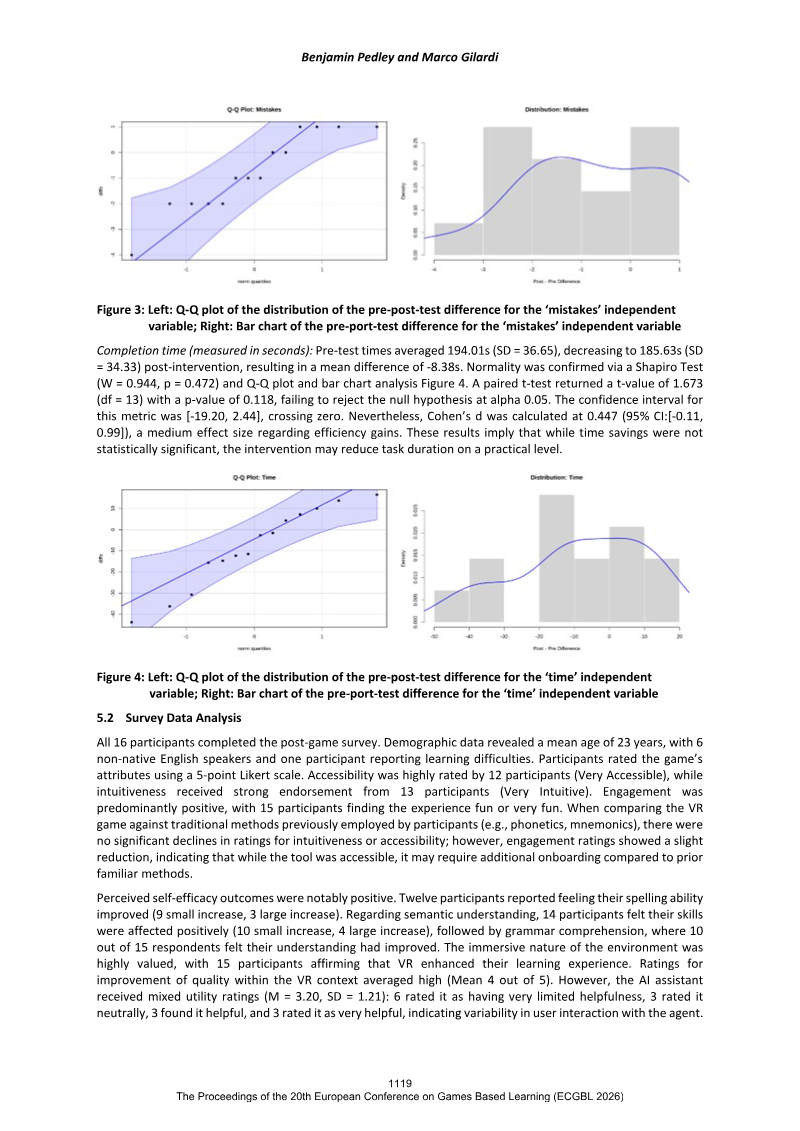
An Early-Stage Feasibility and Usability Pilot for an Immersive Serious Game to Support English Spelling and Semantic Skills
European Conference on Games Based Learning (ECGBL) · 2026



Whitepaper
Toward Ludic Gerontechnology: A Review of Games for Dementia Care
DiGRA · 2016
Whitepaper
Learning AI Ethics through Game Design as Ethical Inquiry
European Conference on Games Based Learning (ECGBL) · 2026
Whitepaper
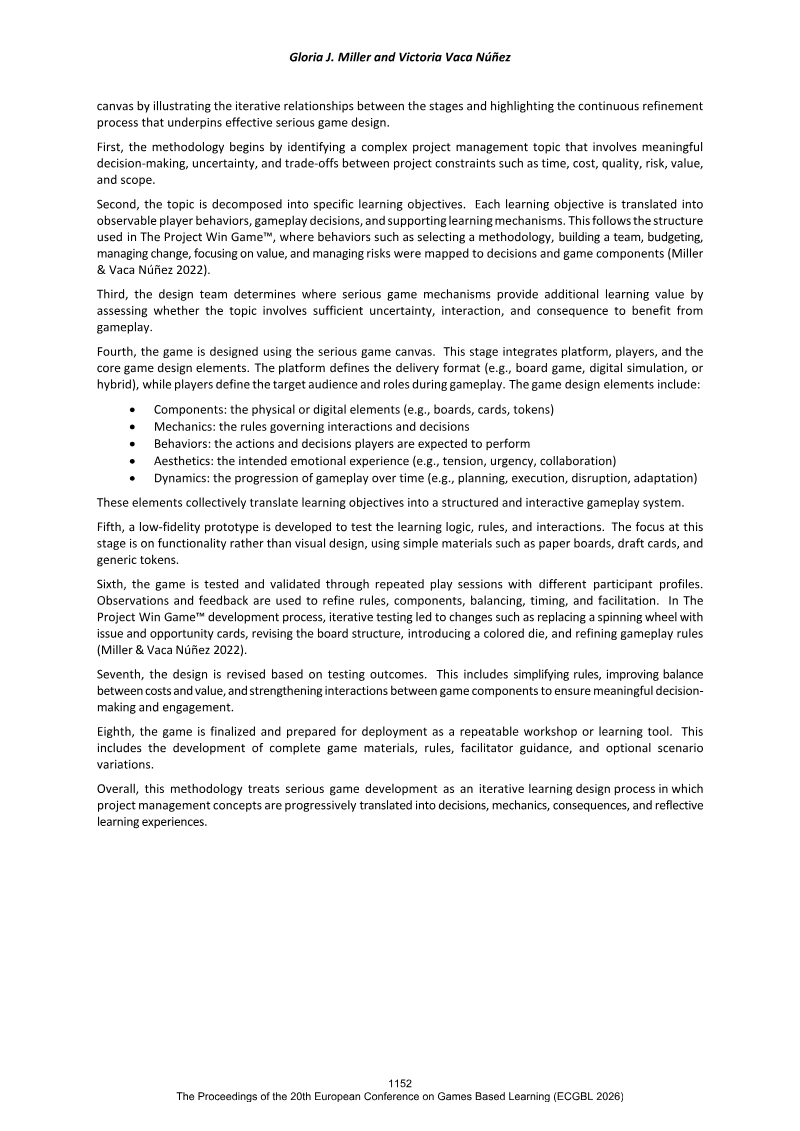
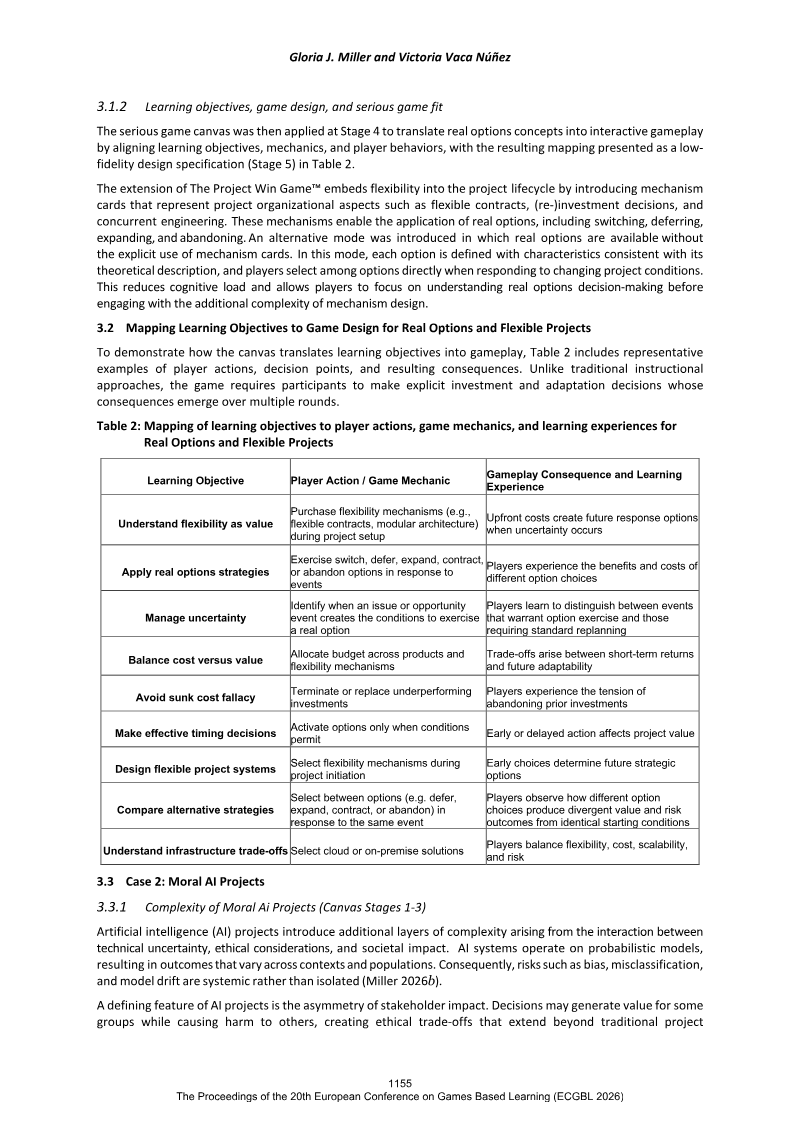
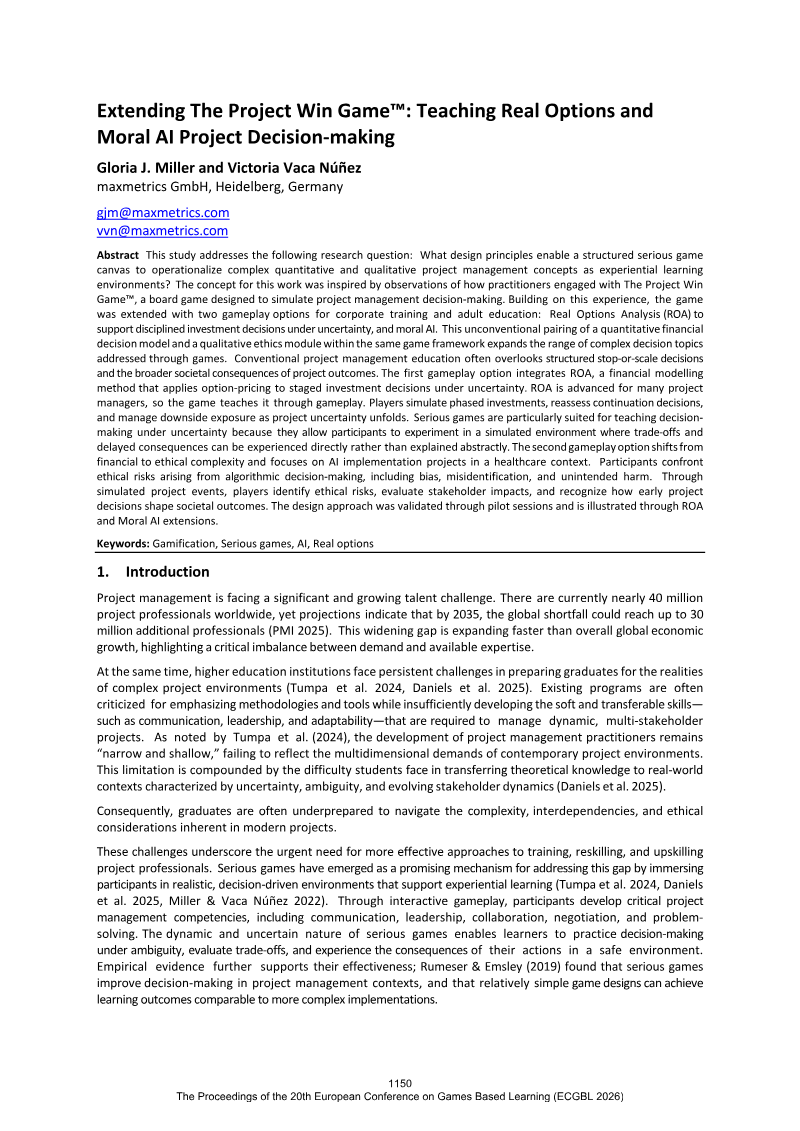
Extending The Project Win Game: Teaching Real Options and Moral AI Project Decision-making
maxmetrics · 2026
Whitepaper
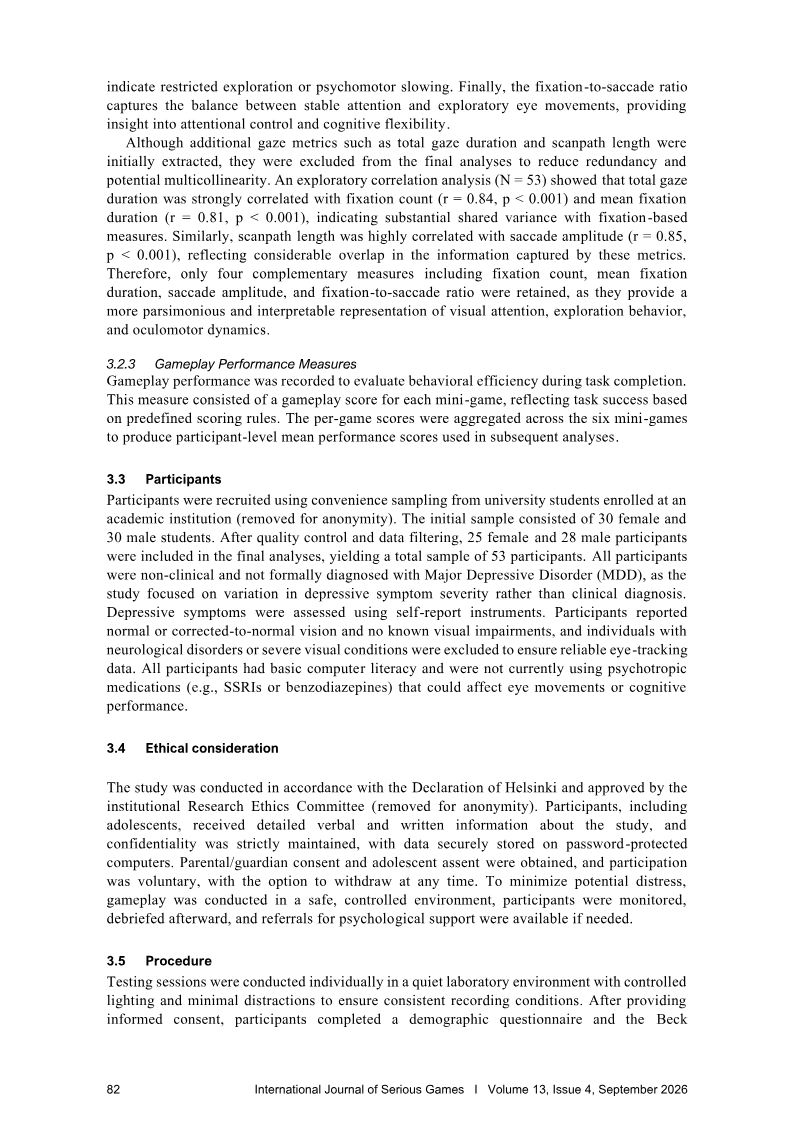
Beyond Static Screening: Depression Symptom Indicators Using Gaze Behavior and Gameplay Performance
Serious Games Society · 2026
Whitepaper
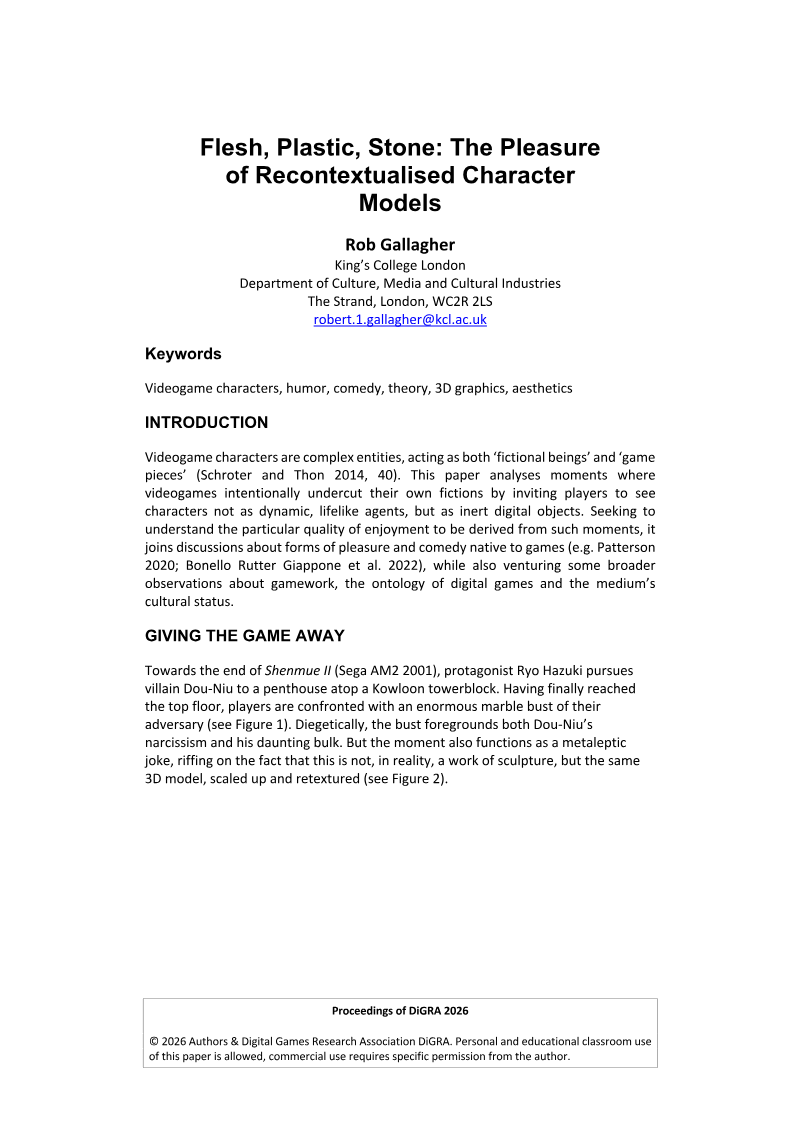
Flesh, Plastic, Stone: The Pleasure of Recontextualised Character Models
DiGRA · 2026
Whitepaper
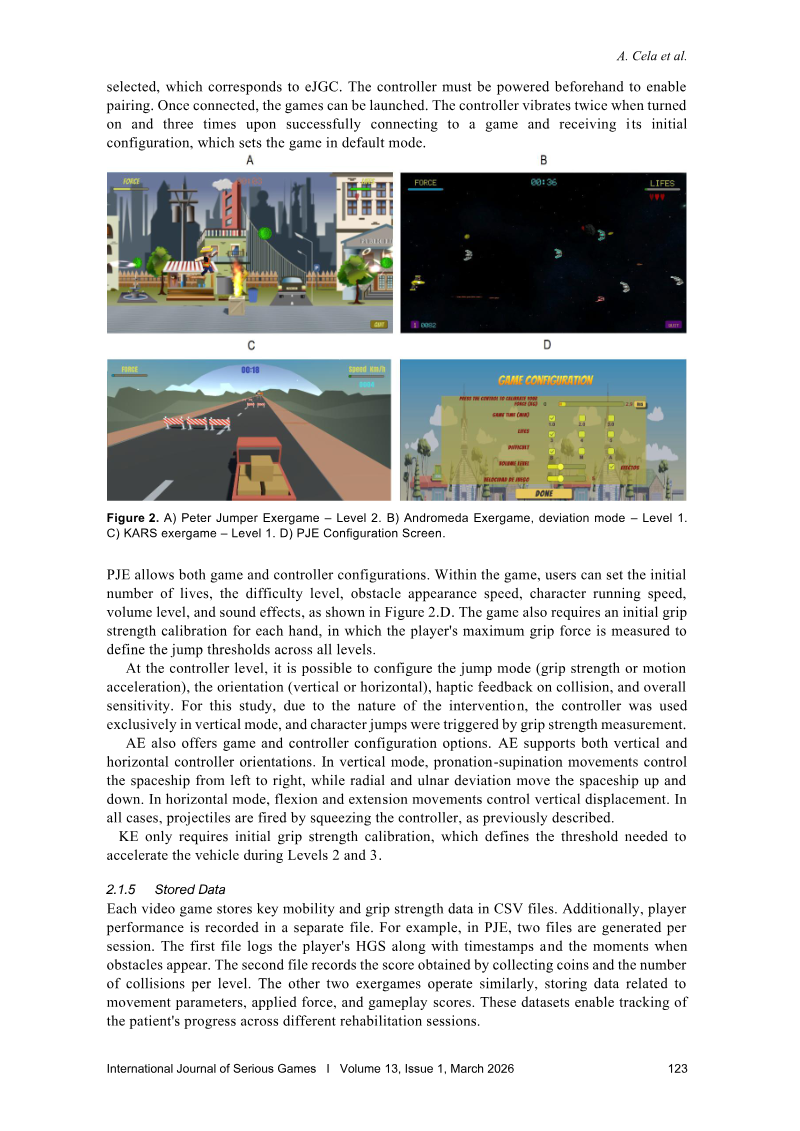
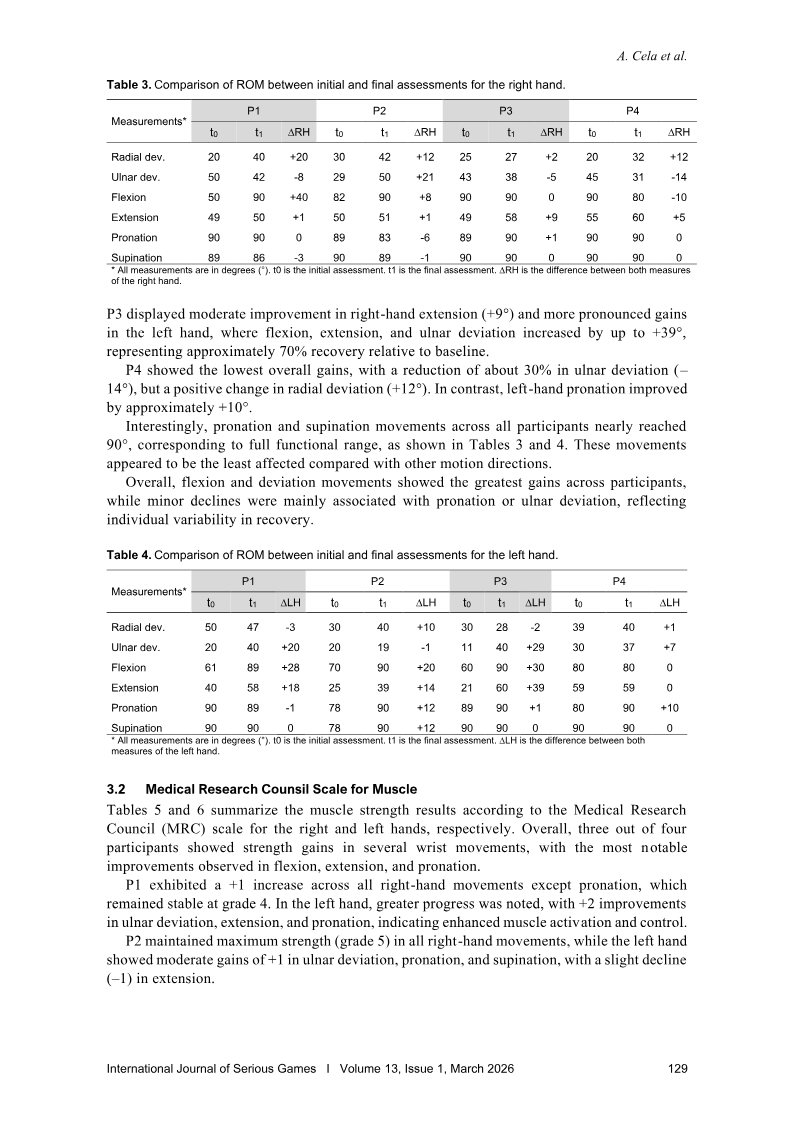
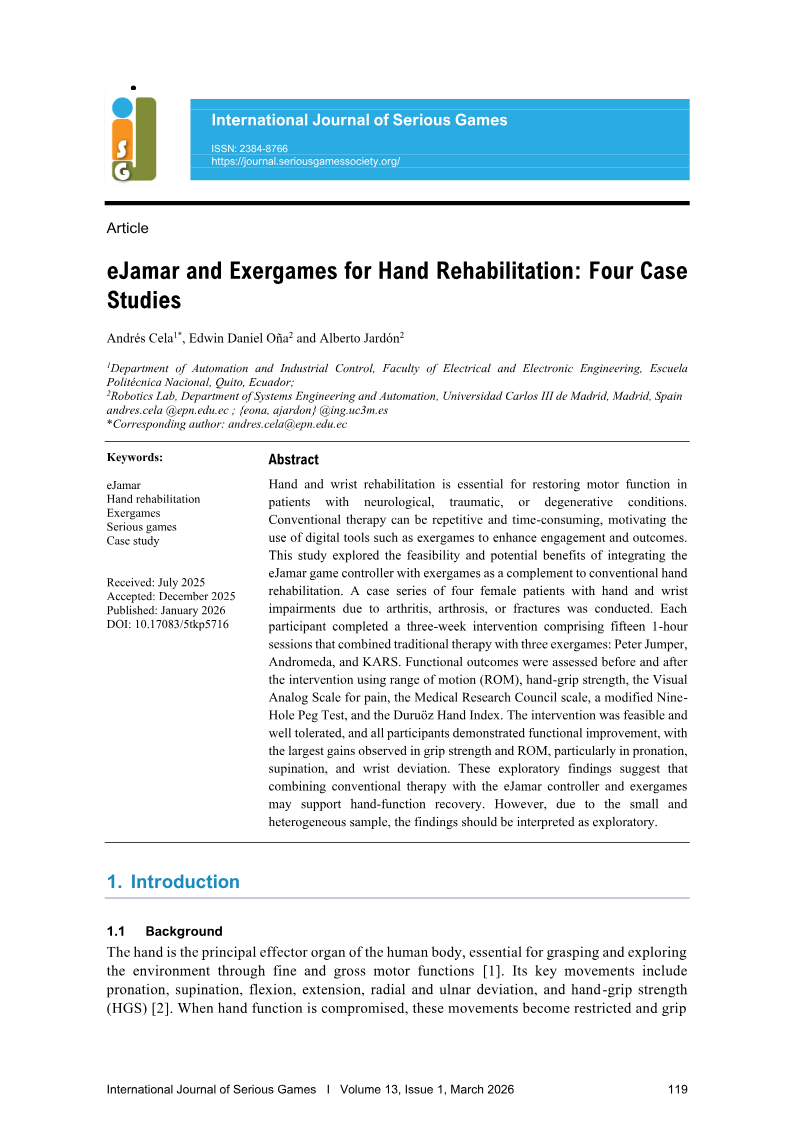
eJamar and Exergames for Hand Rehabilitation: Four Case Studies
Serious Games Society · 2026

PocketGamer.biz
Pocket Gamer Connects London 2026 unwrapped | Week in Mobile Games podcast
PocketGamer.biz · 2026
Whitepaper
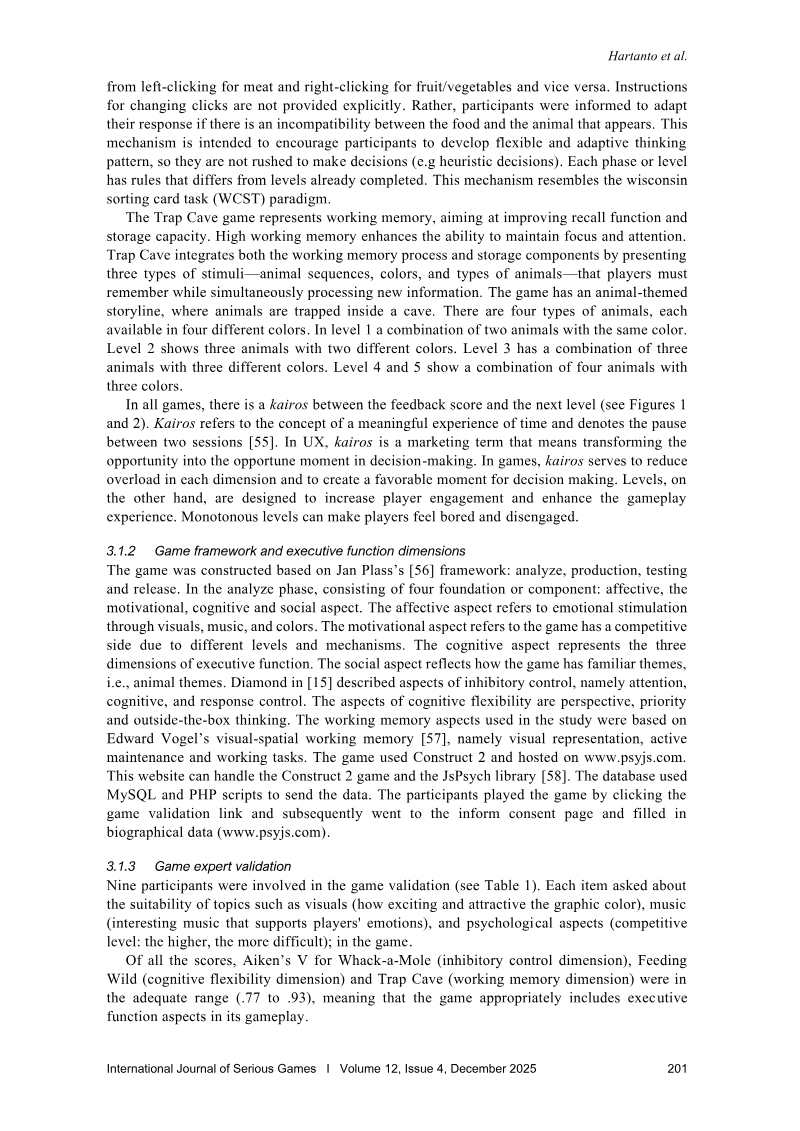
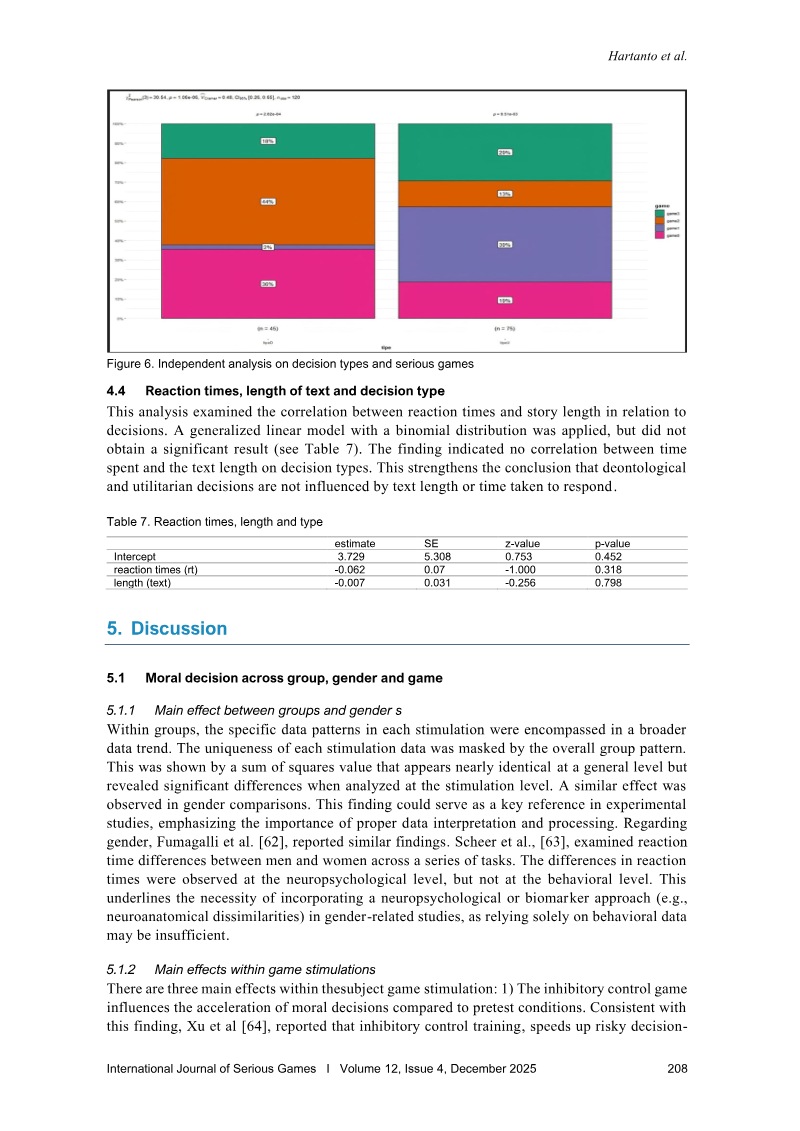
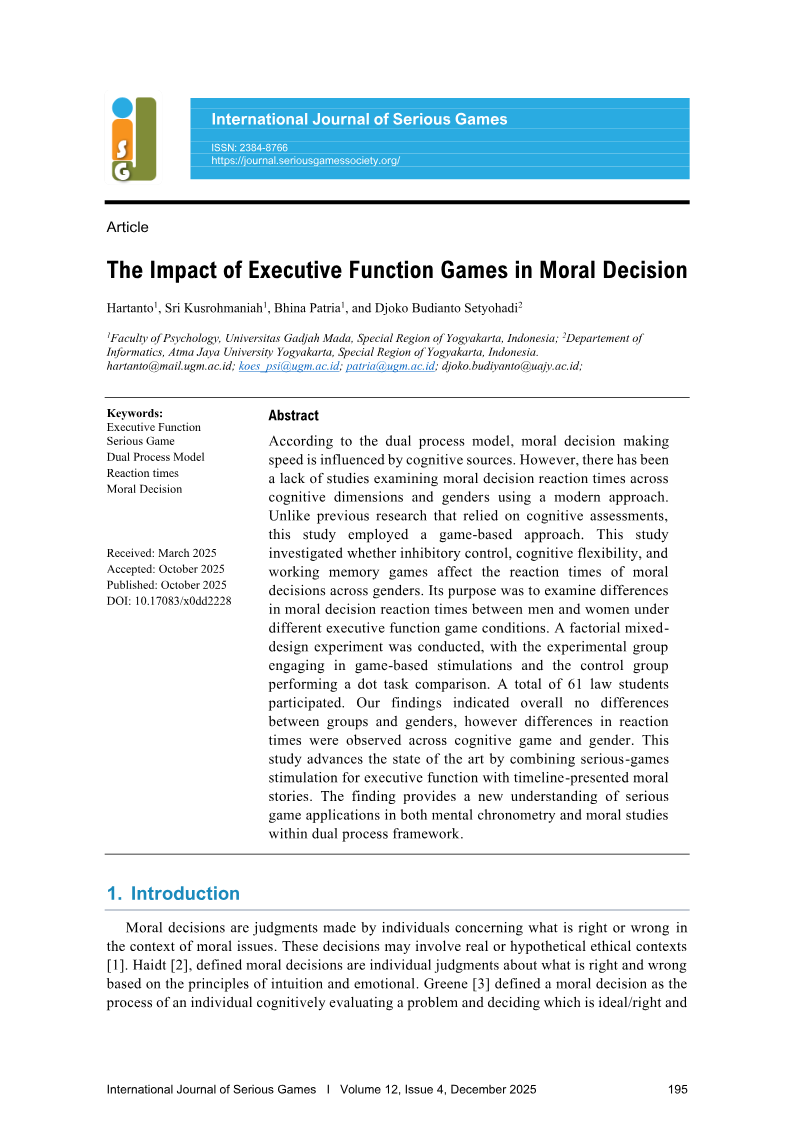
The Impact of Executive Function Games in Moral Decision
Serious Games Society · 2025
Whitepaper
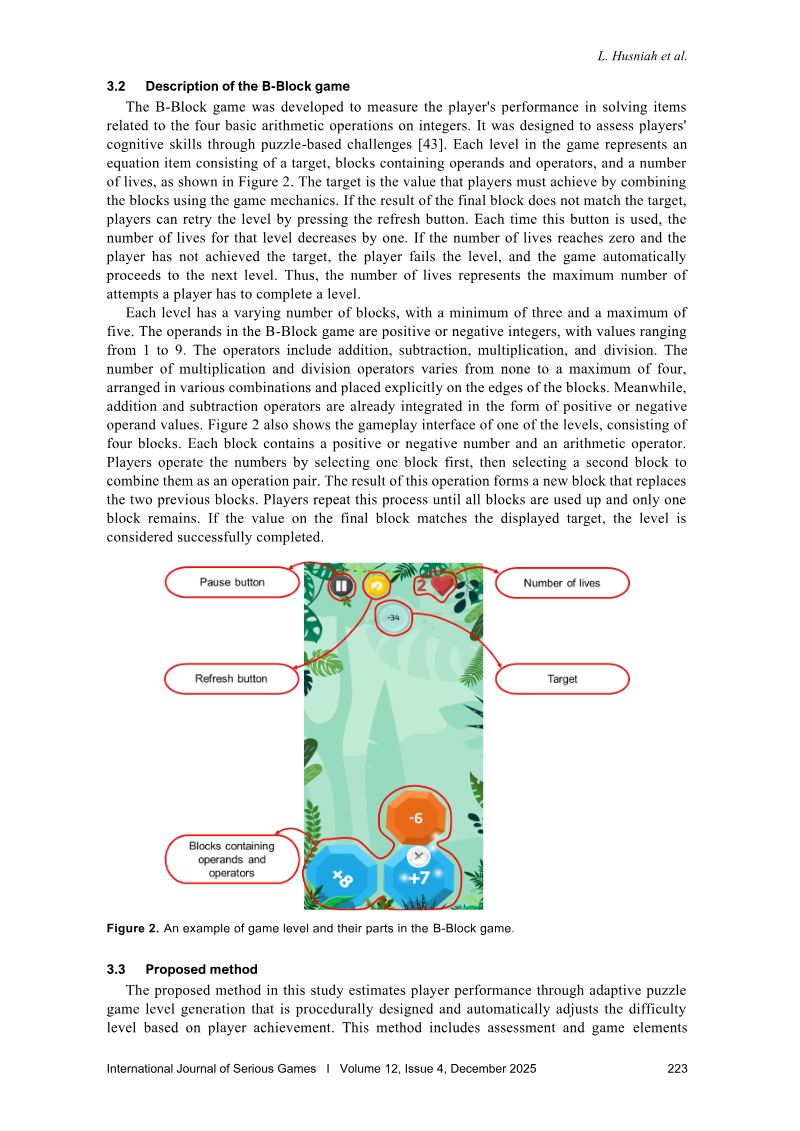
Player Performance Estimation Through Adaptive Puzzle Levels Generation in Game-Based Assessment
Serious Games Society · 2025
Whitepaper
Investigating the Effects of Feedback Modality on Sustained Attention and Performance in a Serious Game: A Pilot Study
Serious Games Society · 2025
Whitepaper
AI Odyssey: Designing and Evaluating a Board Game for Family-Based AI Literacy
Serious Games Society · 2025