Retention reports and market data
Documents
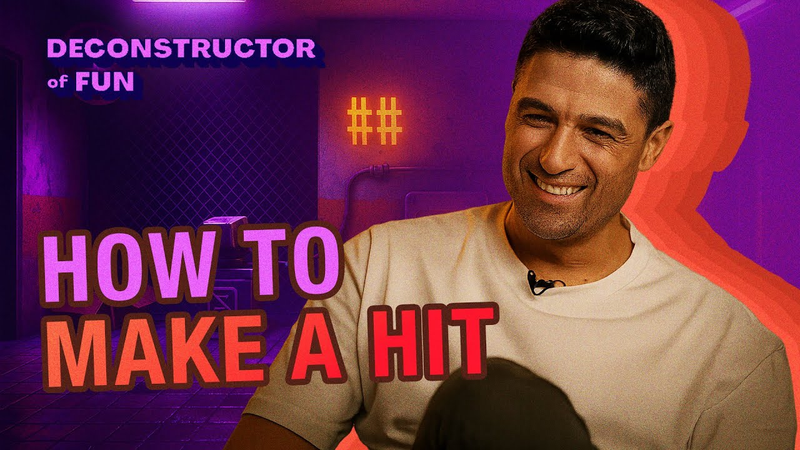
Masters of Publishing 2: 3 Signs Your Game Will Be a Smash!
The hybridcasual game market demands a rigorous, data-driven approach to development where success is determined by three primary signals: marketability, stickiness, and conversion.
- Success in the hybridcasual market is defined by three primary metrics: marketability, stickiness, and the ratio of day-one to day-seven retention.
- The development lifecycle for a hybridcasual title is strictly compressed into a six-to-ten-month window, requiring rapid iteration and early abandonment of underperforming concepts.
- Effective game design must provide depth that scales consistently from level five through level 500 to ensure long-term player engagement.
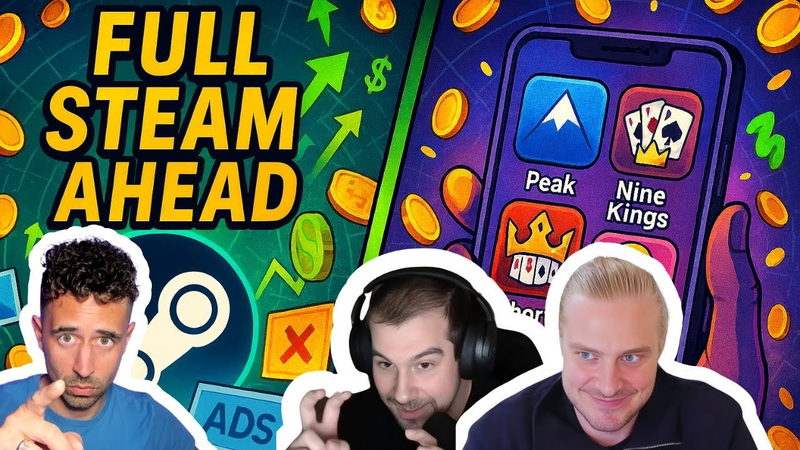
🚂 Full Steam Ahead: Steam Games That Could Be Mobile Hits (Q2 2025)
The transition of successful Steam titles to the mobile market represents a significant growth opportunity for developers capable of adapting core gameplay loops to touch-based interfaces.
- Successful Steam-to-mobile migration relies on adapting core gameplay loops like 'unfolding' mechanics, idle simulations, and roguelites for touch-based interfaces.
- Long-term mobile retention for these titles requires the integration of robust economy engines and consumable-based monetization strategies.
- High-potential titles for mobile adaptation include Peak (co-op climbing), The Alters (sci-fi survival), Nine Kings (deck-building), and Rematch (sports simulation).
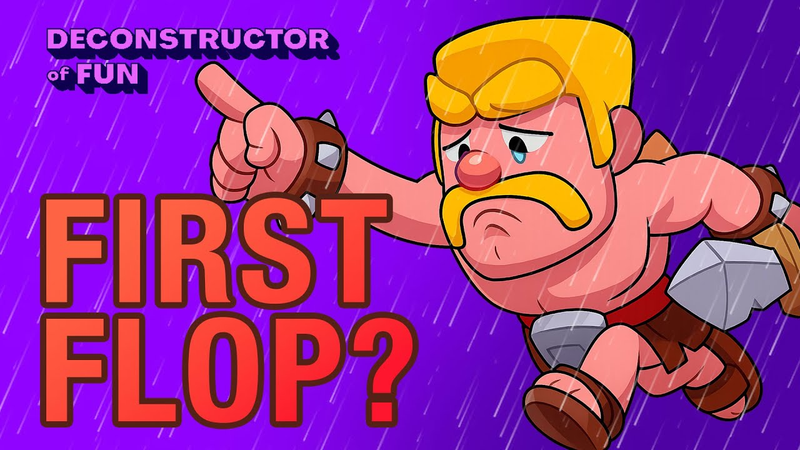
Supercell’s First Flop? Squad Busters Still Busting
Supercell is currently facing a critical juncture as its recent performance, particularly regarding the mobile title Squad Busters, suggests a shift from its historical culture of innovation toward a more stagnant, corporate structure.
- Supercell is struggling to maintain its historical culture of agility as the underperformance of Squad Busters, two years post-launch, signals a shift toward a stagnant, corporate structure.
- The company has not produced a major successful game launch since 2018, putting significant pressure on its current portfolio and growth strategy.
- Internal pressures related to a potential IPO have created a reluctance to sunset underperforming titles, contradicting the studio's long-standing philosophy of killing unsuccessful projects.
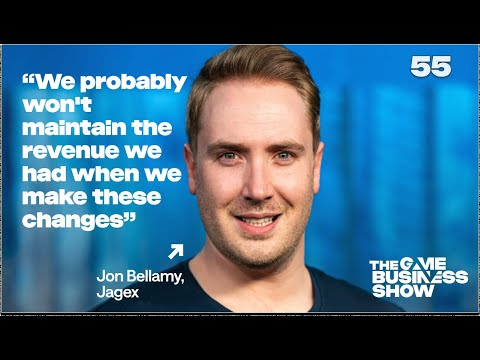
Jagex prepared to take financial hit to save RuneScape
Jagex is currently undergoing a strategic pivot to prioritize the long-term health and integrity of the RuneScape franchise over short-term revenue gains.
- Jagex is prioritizing the long-term sustainability of the RuneScape franchise over short-term revenue by re-evaluating and potentially reducing microtransactions in RuneScape 3.
- The company has abandoned third-party publishing and large-scale acquisitions to focus exclusively on its core MMO portfolio: RuneScape, Old School RuneScape, and RuneScape: Dragonwilds.
- Old School RuneScape maintains its market position through a democratic development model that requires a 70% player approval rating for all content updates.
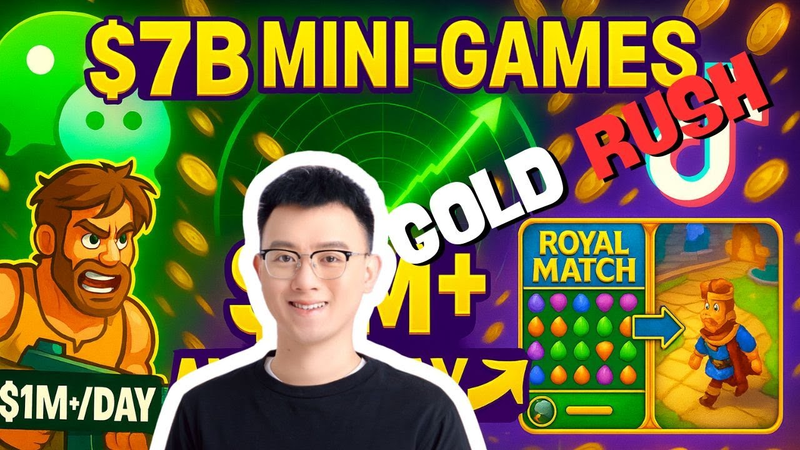
Minigames Gold Rush: The $7B Opportunity western devs missed by Lemon Choi
The Chinese mini-game market has matured into a $7 billion industry, fundamentally altering the landscape of mobile gaming through frictionless, app-free access.
- The Chinese mini-game market has reached a $7 billion valuation, supported by an ecosystem of 400,000 developer teams and over 500 million monthly active users.
- Growth is shifting away from simple casual titles toward midcore and hardcore genres, such as 4X strategy, tower defense, and idle RPGs, which offer superior payer retention.
- Success in this market is driven by data-centric user acquisition, with day-one paying user retention serving as the critical KPI for determining the viability of soft launches.

From Offerwall to Always-On: Xsolla’s Take on Player Engagement
The evolution of game commerce is shifting toward integrated, "always-on" ecosystems that prioritize player engagement through a combination of brandformance, gamification, and unified monetization tools.
- Xsolla is consolidating game commerce tools—including webshops, offerwalls, and social quests—into a single integration to reduce resource overhead and eliminate fragmented data for publishers.
- Brands are shifting toward 'brandformance' marketing, which moves beyond passive awareness to trackable, measurable return on ad spend (ROAS) within gaming environments.
- Offerwalls are evolving from simple reward mechanisms into sophisticated engagement platforms where users earn virtual currency by interacting with brands, such as subscribing to services like Paramount+.
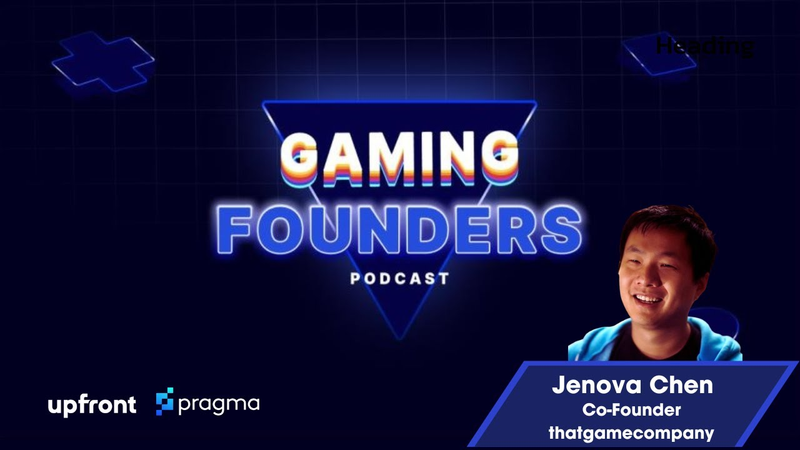
Part II: Gaming's Emotional Blind Spot: Jenova Chen's Strategy Behind Making Journey and Sky
The gaming industry is currently undergoing a period of consolidation characterized by a trend toward the Hollywoodification of content, where market dominance is increasingly concentrated in low-risk, established intellectual properties.
- Jenova Chen aims to evolve 'Sky: Children of the Light' from a three-quadrant experience into a four-quadrant product that appeals to all demographics, similar to Pixar or Disney films, by moving beyond traditional adventure-focused gameplay.
- By replacing predatory virtual currencies and loot boxes with a direct gifting-based monetization model, thatgamecompany achieved a 3x increase in purchase volume compared to standard conversion rates.
- The viral growth of 'Sky' was driven organically by a core community of Japanese female players who created fan art, demonstrating that high-quality social sharing features—such as UI-free video recording—can fuel user acquisition without traditional marketing spend.
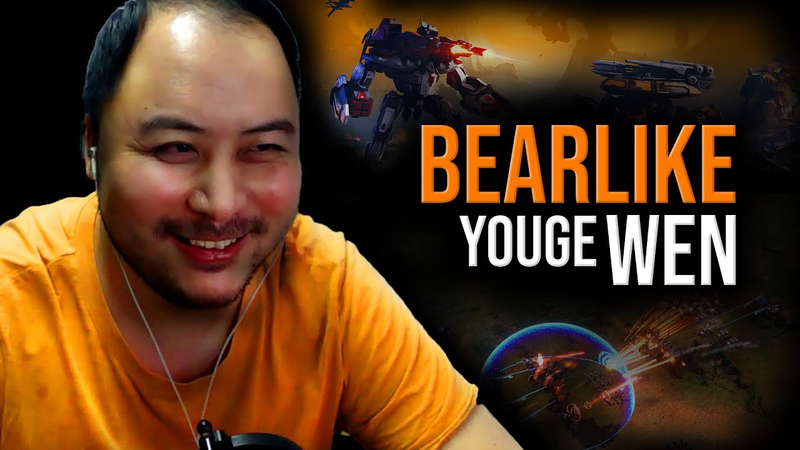
Make a Competitive Strategy Game Survive
Competitive strategy games face a persistent threat known as the death spiral, where declining player counts degrade matchmaking quality and jeopardize long-term viability.
- Balancing in strategy games should be treated as an iterative process of educated guesses rather than a search for perfection, acknowledging that some adjustments will inevitably underperform.
- Complexity should be viewed as a design cost rather than an inherent virtue; developers must ensure the fun provided by a mechanic outweighs the cognitive load it imposes on the player.
- When designing units, developers should prioritize filling functional gaps in a spreadsheet—such as specific ranges, attack speeds, or movement profiles—rather than simply creating direct counters to existing units.
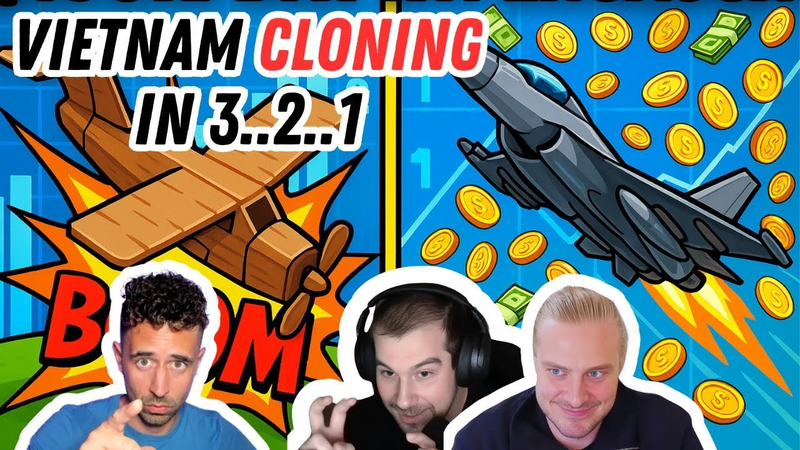
✈️ Epic Plane Evolution: The $150K/day Hypercasual comeback
Epic Plane Evolution demonstrates a resurgence in the hypercasual market, currently generating approximately $150,000 in daily revenue and securing over 100,000 daily downloads.
- Epic Plane Evolution is generating approximately $150,000 per day in revenue with over 100,000 daily downloads, primarily driven by a hypercasual model.
- Revenue is heavily skewed toward iOS (80–85% of total earnings) due to the inclusion of VIP subscriptions and gem bundles that are entirely absent from the Android version.
- The game utilizes a 'convert or die' monetization strategy, relying on aggressive rewarded ad placements and interstitial spam to drive an average playtime of 13 minutes per day.
Call of Duty vs Battlefield: Ex-DICE, Bungie & Activision Unpack It All
The rivalry between the Call of Duty and Battlefield franchises represents a fundamental clash between a dominant market juggernaut and a tactical challenger attempting to modernize its identity.
- Call of Duty maintains market dominance through a massive studio infrastructure and a relentless content treadmill that ensures high-frequency player engagement.
- Battlefield is attempting to close its player retention gap by pivoting toward faster, arcade-like movement and individualistic hero-based gameplay elements.
- To compete with Call of Duty’s unified ecosystem, Battlefield is transitioning toward a consolidated model that streamlines monetization and player management.
Discord Community Building: Seth Sivak on How Spellbreak Built a Fortnite Sized Community
Proletariat’s evolution from a small startup to an acquisition by Blizzard underscores the critical necessity of team cohesion, transparency, and strategic adaptability in the volatile gaming industry.
- Proletariat survived multiple near-death experiences by maintaining transparency with investors and employees, including a period where they operated with less than two months of runway for years.
- When building community, prioritize experimental growth over maintenance; Sivak advises against spending limited resources on standard social media posting until the game has proven sustainable.
- Large tech partnerships carry significant execution risk, as evidenced by an Amazon store integration that yielded only 16,000 installs—less than 5% of the projected 500,000 target—before Amazon shut down the platform.
Duolingo, Tinder, DraftKings: How Top Apps Got Gamified
Leading non-gaming applications are increasingly adopting core game design principles to transform utility-based platforms into habit-forming, interactive ecosystems.
- Non-gaming apps like Duolingo, Tinder, and DraftKings are adopting core game design mechanics—such as streaks, experience points, and live operations—to transform utility-based platforms into habit-forming, interactive ecosystems.
- The primary strategic objective of integrating gamification is to increase daily active usage and long-term retention by moving away from static interfaces toward dynamic, social environments.
- Platforms are diversifying their engagement tactics: Duolingo uses AI-driven role-playing for language acquisition, while DraftKings and Crypto.com utilize mission systems and social betting groups to turn solitary transactions into community-driven experiences.