VideoDeconstructor of Fun
Duolingo, Tinder, DraftKings: How Top Apps Got Gamified
25 Aug 202560 min video
Transcript
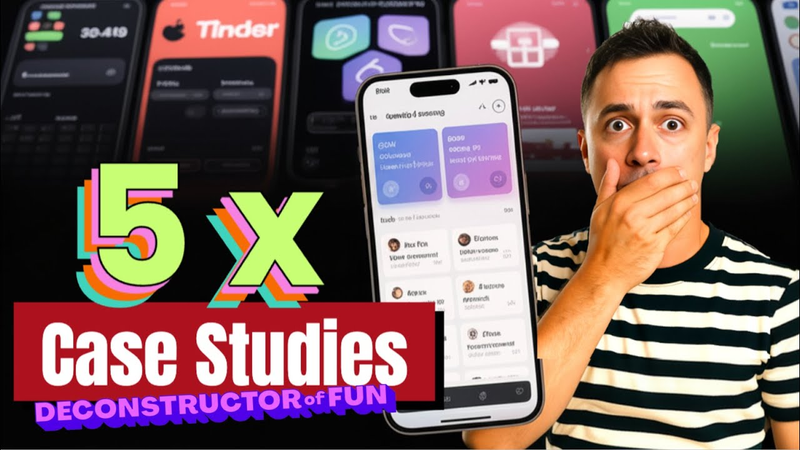
You've noticed it. Your favorite non- gaming apps are feeling a bit more gamey. Streaks, XP, quest, surprise events, and all the feature we've come to known in free-to-play gaming are now into apps. So apps are pulling from the deep playbook of game design. And they're doing this not to turn into games, but to feel more alive, rewarding, and of course, hard to put down. So in this episode, I get to sit down with Carla Hake, and I'm from App Refinery. It's a new data platform from the folks behind Game Refinery. And together, we're going to explore how these principles of game design shape everything from language learning to dating and finance. So, we'll dive deeper into five top apps and look at how they're evolving, pulling examples from Dualingo, Be Real, Tinder, DraftKings, and Crypto.com. So, if you're building an app or considering to enter into the world of app, keep watching because here's the truth. Apps are on the rise and your
talent can help them to grow. [Music] Carl Hakinan, lead analyst at App Refinery and previously Game Refinery as well as currently Game Refinery. Welcome to the podcast. Thank you, Michael. Super excited to be here.
So, tell me a little bit like everybody knows game refinery. It's been a staple of data analytics uh or market analytics for what over a decade for companies on on gaming side. And I think last week you've launched appre of course we've had the uh the early access to it. Really great tool, really great addition to to you know the tool pack that at least we've been using. So can you tell a little bit the audience what is app refinery and why did you launch it?
Definitely. So uh most competitive intelligence tools um that you have out there are really good at giving you the
kind of high level view of let's say market share or downloads which is very valuable but kind of like um misses the why to some extent at least and amplifer is then built to answer these product side questions of let's say what features drive engagement what's being monetized or let's say what does live ops look like in a meditation app or a fintech tool. So we break apps down at the feature level to understand these product side decision. So so kind of um solving these problems is the main idea of of bringing also the the the insight that we have for games to non-gaming apps as well.
Yeah. Yeah. I would say from our perspective like when we've been working with app companies using app refinery essentially allowed us to not maybe spend that much time at deconstructing all the different apps. Uh whether we're talking about crypto apps or dating apps or as you said fintech, mental health, you name it. You
already have all the flows there. You have their live ops calendars, you have their key features. And uh because we've been you know enjoying using the uh the app refinery so much I wanted to invite you on the podcast to you know we of course we discussed before which apps you want to say but but kind of like to discuss a set of different apps that you feel are really kind of killing it when it comes to gamification if you will but but really would you say liveops
with some of the apps you can I think you can use the name liveops Um I think we're going to discuss it with some of the some of the examples here uh that we're going to uh be discussing. But yeah, we're going to be looking at five actually really different apps in a way. So um we have Dualingo, Be Real, Tinder, DraftKings, and Crypto.com. And maybe not the apps that you would normally group together, but actually when you analyze them through the lens of
engagement, the features that they used to build habits and deepen retention or create social stickiness are they're actually tackling a lot of the same design challenges. So, um, what we want to want to do here is to go through each one in appinary to kind of break down what they're doing and what they're trying to achieve.
Yeah, let's do it. Well, pick pick the first one. Of course, I want to start with with Tinder just out of my own curiosity, but I'll let you pick the other the ones to to get rolling with.
Yeah. So, familiar name, right? Um, probably one of the most iconic examples of a non-gaming applying game design principles and definitely it has earned that um reputation. And what makes Duolingo especially relevant right now, I would say, is that is how they've layered in AI. Of course, everyone's talking about AI. They've layered in AI
as a front-facing learning tool. So, it's just not something that happens in the in the background. And with Dualingo Max, which is what we're looking at right now, it is their premium subscription tier. And to this tier, they have added entirely new learning mode. So um they have video call feature which is this kind of like a interactive video call lessons. They have explain my answer which is the possibility to consult an AI chatbot. But then what I want to really focus on is the roleplay um feature. And as a subscription this is interesting example as well because it just it doesn't just unlock more content but actually adds new ways um to learn. So with role play um users are dropped into these realistic conversation um scenarios like attend a dinner reservation as you can see here from the um um screenshot or let's say shop for
groceries and AI dynamically responds based on the user's input uh both text and speech um And you have different kinds of scenarios. You have like as we saw here you have daily life, travel, food and shopping and so forth. And then these responses are then scored as you can see. Let's go the screenshot over here. Um scored by vocabulary uh richness. So the system
adapts feedback. Yeah. Based on the uh on the performance. And I feel that this is kind of a great case of AI being used not just to personalize the experience, but to create something that would actually be, I would say, almost impossible without it. So it's it makes this more like an like an RPG practice session than a than a language quiz. And personally, I always get excited about AI when it's not only about enhancing
something that already exists, but kind of create something totally new. And that's kind of what happened here.
Traditionally, when when we've been thinking about Dualingo for what, past decade, it's always been that, oh, well, they have the saga map that is kind of lifted from from Kings, you know, Candy Crushes or whatnot. And that's the way it is and that's the progression. And people just use that saga map and that's how the app is successful. But in fact, especially recently, Dualingo has been really pushing the engagement and adding so many really cool features in terms of like how people engage with the platform. And what I'm curious about this is uh not how they use per se AI, but how they make the app very interactive, which is key in any language learning because that's the uh the end goal here. Uh, but how do they, you know, you receive XP for doing this, for for playing this
roleplay. How does this, how do these new features tie up to the core progression of Dolingo? Like the, of course, the the motivational progression is I'm learning a language, but Dolingo is so successful because they've added actual progression vectors to the uh to the app. So, how does this how do these new features tie into that?
Attention app and game developers. Are you ready to unlock the secrets behind the world's top performing apps and games? With Sensor Tower, you get the ultimate competitive edge. Whether it's breaking into new markets, fine-tuning your UA strategies, or boosting monetization, dive into data like never before, track global trends across app stores, analyze market leading inapp purchase and inapp ad strategies, and benchmark your performance with realtime insight. The best part, Sensor Tower doesn't just deliver data. It helps you turn it into action with intuitive tools
and expert analysis. It's everything you need to make smarter, faster decisions. Thousands of app and game studios, from indie creators to global giants, trust Sensor Tower to help them win. So why not you? Start your free trial today at sensortowwer.com. that is sensor.com.
As you said, you get the the the XP that then uh attributes to the to the overall progression and through that, if I recall right, you're then able to get various kinds of uh cosmetics uh um at least as you unlock these different kinds of uh thresholds. So, so that is um something that is is kind of like um um contributing you have that contribution to the overall uh progression there. But um but yeah, I think you nailed it with the kind of like making it like the whole experience
more engaging and and fun because this role play is kind of it it it makes it feel more like a conversation than a kind of language drill which is very important especially if we think about how dueling wants of course to differentiate itself in the edtech edtech um um space. So, so I in my opinion the situation with many of the many of the language learning apps is still that um it's very much focused on like flashcards and video models and stuff like that. So this really is helping Dolingo to stand up also in terms of like how the where the competition um stands. So it's it's like a practice ground and not just a test for the for the users
and and uses. So both you can type as with previously with Dualingo but now they added you the um the what do you call it the listening portion of it
where you can actually speak to the app.
Yes. Yes. and and also like in terms of monetization as well. I mean this is definitely driving conversion to the um subscription um like and especially I would say if you think about users who are okay they are comfortable with basic vocab and grammar but lack the confidence in speaking and they want to get you know practice in that. So, so that kind of user segment for for them this kind of value proposition can be I think super super compelling
and people can access this only if they paid or do they have this gated as you know you can use once a day or something like that. How how do they monetize this?
This is under the the dualingo max subscription that I just uh showed. So you have to be um you have to be subscribed to um to the Dualingo Max. So we can actually go back there. So in addition to role play, it also has these
other cool features like the video calls and um explain my answer. So so which are both also AI powered. So so really kind of making that pre adding that premium feel to the subscription and I think they've achieved that definitely with this offering. So adding more value to the highest subscription bracket. How how much is max uh a month?
Uh uh let's see if we have the we have they do have you can try it out for free at least. Um but if I recall right when the the analyst our don analyst was explaining this to me I think this was actually a pretty hefty hefty price. So, not just uh, you know, um, the usual $10 or something like that, but but a bit more than that. But I still I think still with the tens of dollars, but um, but but a higher price point.
Yeah, I think it's a 200 bucks for a family package.
Uh, and then probably different variations, but yeah, family is 200. So, I like how they also create the subscription in a way that that the whole family can practice at the same time because that essentially automatically creates the social layer. It's not like, oh, I have it and you have it. No, we all have it now at once and we will all use it. So, that creates the retention to the subscription. So, uh really really smart way to to bundle it all together.
Yeah. And if family members turns out, you're still going to keep subscribing, right? Like if you just need, you know, one or two members to be really engaged with
Yeah. Well, it's it's almost like a virtual board game for your whole family. It's like now we're practicing like let's say the whole family is traveling to Spain or or somewhere else and you're all practicing it and and uh and and using the app and kind of competing against each other inside of it and and using all these these cool features. So I think it's a it's an awesome way to not try to maximize the revenue on a short term but actually doing it on a on a long term where it
creates this sort of a habit and the family can learn one language maybe they travel to a different place next year maybe it's Italy next or or some other and they can uh they can now again like spend a year of of learning the language and then go in there and and uh and through that kind of you know doing something together even synchronously or synchronously. So um yeah, no wonder that Dualingo is almost like what $10 billion company now. They are adding constantly these these new new cool features. Um the the second company that that or the second app that you were talking about was Be Real and Be Real was that famous social network that was acquired by Woodoo in a very surprise acquisition. People kind of heard of Be Real um but I don't know many people who have used it. It was more like to Gen Z then it kind of popped during COVID and it dropped and it was like why did Woo get this and like is this a serious thing or so what's been going on with B real after the woodoo acquisition
and I used to be a B real user like they
organically
okay me
really yeah
during co
yeah um after co actually yeah a friend was like telling me about this and I was like okay I want to try something else in the social media space but um but I actually turned because of the some of the changes that we're going to discuss in very wow
very shortly. So,
so let's get into that. So, um yeah, like you like you mentioned like be real originally uh gained traction as kind of like the the like it has very unique, you know, selling point kind of like in a way you you could say even like anti- Instagram in a sense. So you you have a social media that's built around authenticity and this once a day uh sharing but as you said like after the voodoo acquisition some of the things productwise have uh have changed but before we go there let's just because there might be some people who just don't know anything about bal. So just like a very short brief info on what is
what it is all about. So um the core mechanic or even the core loop if you want to use that is that you have one simultaneous notification per day one and it's for all users and then when the notification pops up you have to post within 2 minutes and after you have posted you can then see the posts uh of your friends who have you know made the posts. So it used to be and still is still but the kind of underlining idea behind it is that it's about minimal discoverability in the sense so there's no feed scrolling no influencers no reposting so basically none of the or most of the stables that we see in other social media platforms just weren't there. So it was really designed for not for stickiness in the sense but more for
kind of scarcity of the content like you you know that um there's not going to be much of that but it's going to be very you know high quality content because it it it's from your closest peers your closest friends right so there was and still is the kind of feel of excitement when you know that people you care about have actually posted content um on the on the platform but while the authenticity kind of angle. This was the unique selling point. I guess it kind of like hasn't translate translated into good enough long-term engagement because if it had, I'm sure we would not have had these changes that we're going to be talking about uh right now. So, since the Voodoo acquisition, um Bal has started adding features that definitely have an engagement component in them. So it's clear that they're kind of shifting more towards engagement forward thinking. Of course, keep in mind the platform and you know its unique selling point. So here are some
of the best ones I think are good to highlight on the platform. So I'm going to just go through a couple of related features that play into this narrative. So first of all, we have real people, real brands, real fans. So what this all means is that you have verified accounts for celebr celebrities and brands. So B real did not used to have this but nowadays they do. So users can become real fans um but and and and can follow real people and real brands, tag them, engage with them, even access exclusive uh content. So this adds kind of this like a fan creator dynamics into this and this kind of like broadcast style engagement that the the influencers and the real brands can can uh post their content and you can then react to those. So this is really like a kind of like an
Instagram like move that they've they've made and really interesting because it also blends the creator strategy with the time to be real mechanic. So what is time to be real me mechanic is the one that I just explained. So meaning this like once a day posting. So these influencers and real brands they are also of course using the same kind of core loop as the rest of the users. Um so yeah it's really and I I feel like one question that comes at least to my mind is that like an app that is really rooted in kind of the authenticity side of things how does that change when you add into this influencer uh me mechanics for my For me personally, this was like one of the things that got me like, okay, be real is just turning into one of these other social media platforms. So, so I I did not continue engaging with the platform, but but yeah, so this is one example. Um, another example is
the nearby feed. So, um, just showing you a video real quick. Um this is a created feed that shows b real content from people um near you. Uh so based on your uh location. So what this adds is another passive consumption loop. So you can scroll this feed even if you're not um um posting. So gives users one more reason to open the app even if they don't want to post. Then we have the friends of friends and um this expands users visibility beyond the direct friends and okay to be completely honest this was al already present before the voodoo uh acquisition but I think this feature has been kind of like on and uh off uh but now uh it's
on the platform uh again at least they are showing it to to us uh and um it lets users see posts from secondderee connections. So they don't have to be your friends, but they can be the friends of your friends. And what this adds is yet another social media feed that users can uh can scroll. So kind of like opens up network growth without losing that semi-private. So you know it's there are still friends of friends, not just like anyone out there um like feel the burial was known for. So, so um again like another social media feed for the users to to um uh engage with. And then the last one is group chats and uh group chats um are can trigger their own um synchronized burial prompt. So you have the universal one but then if you engage with these groups of your you
have your friends there they have their own um triggers once a day. Um, so again, people have one more reason to come back to the app. And yeah, so all in all, like they're really trying to turn Be real from this like a once a day activity clearly into a multi- uh session session app. And um what makes this kind of interesting is that they have to do this with the constraints of the kind of underlying the value prop of bere which is the kind of like the authenticity authenticity thing. So I think it's like Vir is really in a kind of tough spot in a way that it has to balance between the scarcity model that it is it is unique selling point but at the same time be mindful of the kind of business realities and you know how to make the KPIs work to to drive the uh drive revenue. So so this is kind of like what's been going on lately with B real. Today's podcast is brought to you
by Absfly, inviting you to dive into their new firstofits-kind report, the state of creative optimization 2025 edition. It's not about how to make creatives. It's about understanding what makes users actually stop scrolling and what emotional and psychological triggers drive performance. Based on over a million creative variations and nearly $2.5 billion dollars in ad spend, the insights in the report will help you develop a winning creative strategy. Check out the link in the podcast description below or go to appslire.com and search the state of creative optimization. That's appslire.com. Web stores, you've seen what good looks like, but have you seen great? Appch charge is the direct to consumer platform backed by the likes of Supercell and built by monization pros from Moonactive, Platika, Huge Games and others, people who know the difference. App charge powers over half a billion
dollars in transaction a year for top studios optimizing every detail. Deeply personalized web store offers custommade design, industryleading monetization features, in-game payments SDK and more. 70% of top grossing games already have a web store, but the ones scaling fastest, they're doing it with app charge. Learn more at appcharge.com. So, this is interesting case. They are adding best practices to be real in terms of increasing engagement and they feel like there's a lot of lowhanging fruit since the app was designed for once a day engagement and now they're like well let's just bump it up to two three time a day and that should increase the engagement and that should grow the app uh as well as those other elements like the group chats and second tier connections that will essentially expand your social network. Have these elements been successful when
you look at the app's performance? Well, if you for example look at um data on let's say active users from your favorite uh data tool whatever that might be
sensor tower
for example well you can see that the metrics they are they are down so um
so it is a very interesting questions I think if the if the product changes have have they been have they been too much or too little so have they If have they been too too much? So that have people like me been kind of a big enough audience segment that actually me and others like me turnurning out has been a some kind of a factor or is it like that they have done too little? Should they have be embracing even more different kinds of engagement mechanics? So that is from the product side of things. I think think that that's kind of an interesting question to think about.
Well, typically when when we've been analyzing these these type of changes and and even going through best practices like all the all the companies have the list of best practices, it's not that difficult to look at what's performing well in the market and kind of copy that. I mean that's how the whole Instagram has been built. Just copy Snapchat, just copy Tik Tok and just add those elements to it. But the challenge is is is of course if you are a dominating platform where you have a very large audience you can add the best practice features and that will only help you to power up your pro your product. But if you are a smaller like considerably fractionally like a fraction of the audience that the that the bigger products have and you copy their elements then you become more similar than they are and then you don't have a competitive advantage or not even diff not even competitive advantage but just not no differentiation and I think that's something that you were speaking about is is that you were a user because of the differentiation of
this app and what has been done is adding best practices that are counter to the differentiation even though on paper they make all the sense but in terms of what makes the product unique is overridden by making it generic and as a generic it can't survive against the the behemoths of the market.
Yeah. Yeah. I I do I do agree but I I do have to also give kudos to be real in the sense that the kind of even the stuff that I've been now showing you um like I'm sure they they could have could have you know been even more aggressive but I with these feature additions what I see is that they have they have tried to think about the kind of underlying kind of the the the value prop and what they're actually what helps them to differentiate and then kind of combine these engagement mechanics to the
platform keeping that in mind. But I'm yeah I'm just not sure if if it's a good question if it's if it has been successful and if it has been enough for sure.
So looking at game refinery and you probably have the same thing. So in game refinery you have that um I forgot what you call it but you we use it all the time but the one where you have the uh the different motivations of the users and then you can put on like several products and compare how they deliver against these different motivations. Do you have the same thing in app refinery?
Uh yes we do and uh motivation data is something that is actually coming to the platform. Um if not this week then next week. So it's like very up and up coming. Have have we done this podcast next week? I'm sure that we saw the balance data but
well well even without looking at it like I know that when we've been
consulting game companies what we try to do is like sometime like let's say you're doing a shooter game and you put in a Call of Duty, you put on uh Freef Fire, then you put on uh PUBG and then you have your three biggest shooters, maybe Fortnite if you want and they all kind of deliver like especially those three all kind of deliver on the same element. And if you're coming up with a with with your shooter and you're saying, "Hey, we need to deliver on exactly the same things that these other gigantic shooters are already been delivering for the past six, seven years, then you're essentially making a product that is similar but worse because they just have so much content and such an entrenched audience that you can never compete." And so the same thing I I would use here is like you know a little bit more audience studies that might require a little bit market research and then put like pushing towards a motivation that is underserved rather than trying to do
exactly what the other apps are doing. And I I've this is the type of a thinking that that I've I've seen often uh not for somewhat reason taken is that you always all the these companies try to reach parody with the big players rather the differentiation that the big players don't have. So it's it's a little bit confusing even though like going back to history we know that Snap was successful because it was different. Be real was successful because it was different. It wasn't better, it was different. And that's the way to compete. And it seems like Voodoo is doing the right things that are taking it into the wrong direction.
Yes. Yes. Definitely. Definitely. So I guess the question is that how can they grow without kind of losing what made them unique, right? Right. Yeah. If they become too much like um Instagram, then why why would you
why use it?
Yeah. Exactly.
Exactly. Well, let's talk about Tinder. Uh I you talked about Tinder adding live events. This is like very interesting.
So I I think the the background for this is is just increasing the engagement and events as we know are the best way to power up engagement. So how do events work in a dating app?
Yes. Yes. Um so yeah let's let's definitely talk about Tinder. So um I would say that it the like from a high level perspective uh it's especially about short-term engagement uh in in in Tinder and I will uh very soon tell you tell you why. So um what kind of live events um has Tinder rolled rolled out? uh these are not kind of like regularly scheduled so recurring or looping events but more like seasonal reactive and and and and time limited events. Um and more designed for bursts of engagement rather
than kind of like longtail uh retention. Uh and you have different kinds of uh flavors. We have been able to capture some some. So you have these kind of like choose your own adventure events, Q&A formats, AI chat and event triggered uh searches. So they what they offer is very different than the kind of like basic core loop of static profile and you know endless swiping model. So so this is very much kind of like borrowing from the uh live ops playbook in in in games. So let's look at a couple of examples. First one we have here is uh called Swipe Night. So this is kind of Tinder's story driven uh miniame. So users play through these five minute interactive episodes where you have 7-second decision uh windows and then after the event you get matched
with other users who engaged um with the event. Uh and then you know um based on the um and that is being based on the kind of decision paths that you that you had in the event and this really much mimics kind of like a narrative game um format that you know if you've played episodes or or choices and stuff like that. So but this one is wrapped around the goal of sparking conversations with you know potential uh matches. So, so really shows how narrative mechanics, which we've obviously been used to seeing mobile games, can also be layered into social apps like these to create more shared context between um between users. Another example um is called Vibes. So, this is kind of like an interactive Q&A event. So during a vibes event if it's active users can answer these or they have to answer these themed multiple choice questions on various
topics like pop culture or personality traits. Uh and then responses are then being displayed on participants profiles. So so that allows others to see the shared answers and and then can act as a facilitator for easier conversation um starters. The third one that I want to briefly introduce is the game game which is kind of like AI as a dating co coach. So these are AIE conversations based on different scenario prompts. Um the AI is giving you real-time feedback and even like user uh scoring. So kind of gifies flirtation in a way that's well both educational and per performative I guess. So really cool case of AI being used just not for like efficiency but also for entertainment purposes. So you can we can go back to dueling ro AI roleplay thing but kind of instead of
learning let's say French you're learning charisma. So kind of interesting in that sense. And then um last one I want to mention is swipe search. Um so this is something this is an event that is triggered automatically um by user spike. So if there's like weekend or some big festival going on, this is active and then it pushes you as a user to re-engage with the app because you know that all the everyone else is going to be online now because of the search search uh event. So it priorit prioritizes visibility uh and matching. So kind of like reactive live ops in a say that in in a in the sense that Tinder is kind of saying that hey now is the time your odds just uh spike spike. So so that's kind of a interesting interesting event implementation as uh as well. So I I I really wanted to highlight these um events because as we discussed in the very beginning we don't see live ops too much in non-gaming apps
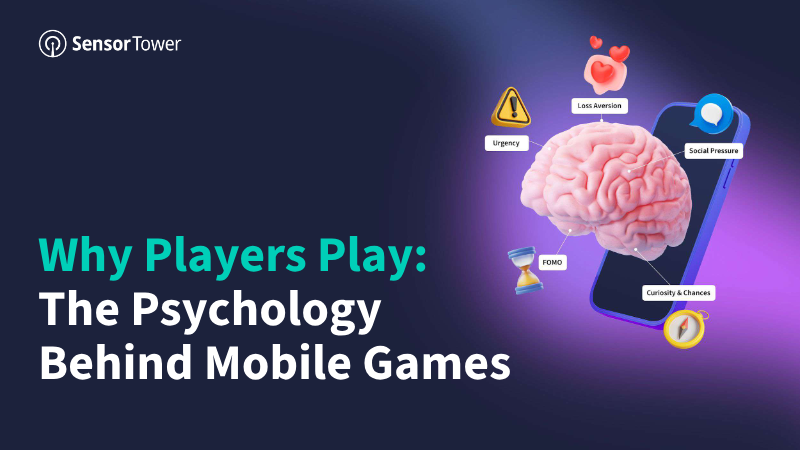
yet. Um but these are really cool ways to create well we mentioned scarcity with be real but also in in in the sense that there are limited time you have the FOMO effect there for sure and there you have the sense of urgency to get get back to the app and and you know experience this and also can help create in creating this kind of like shared uh experiences. So um not just about the way I see this that's not just about retention but also kind of tools to kind of reactivate users and also to get the match rate uh uplifts because that's can that can also be um an issue sometimes with these dating dating apps.
I' I've not really used Tinder. I I understand how it's used, but anyways, the they introduce a new way to create matching. So, instead of just swiping
left on a bunch of dudes, if you're if you're a lady, you're you're more looking at finding matches based on other attributes than simply the uh the well polished image, right? Game devs, we know that great gameplay is what players love, but integrating metagame features like challenges, progression, rewards is crucial for retention and monetization. However, coding them is a tedious and timeconuming process. That's why top studios have turned to Hero. Hero provides a complete suite of battle tested metagame features that are quick to implement, letting you spend more time on the core gameplay experience. Ready to ship fully featured, engaging games? Check out Hero Today by clicking the link below.
Correct. Correct. Yeah. So,
and these are timed events, right?
Time events.
They're time. Yeah.
Yeah. So, so I would say that it's kind of like um a t a tactical response in a way to this kind of a classic problem
you have in dating apps. So, like how do you get people to come back if they don't have an im immediate conversation going? So like unlike in a game, there's no kind of like guaranteed core loop going on. So there's no levels, there's no daily stuff going on. So So what these events then do is that they're able to create this short-term kind of excitement, novelty that then pull users back in and and gives them something to do and something to say and and and someone to say it to. So So really cool ways to do that. interesting and and definitely a great way just like in games to boost the um engagement is by modifying the rules of the core for a shorter period of time and then seeing you know people just engage with it whether they like it or not. It's it's still only there for a limited time. They will give it a go and that allows
you to learn maybe a little bit more about how you want to evolve your product for the future. So that probably helped the engagement of of the app. Do you have data that that it boosted it?
Uh that haven't looked into it uh specifically. I I uh I have to say it's also with these events. One thing that is that we have noted as analysts is that they are very much like geo targeting these as well. So like for example some of these events are not you know available for for Finnish users uh but then they are uh available for for the US users and stuff like that. So they're definitely doing that kind of uh things as uh things as uh uh as well and and I would also go back to the kind of we we talked about differentiation and I see this definitely also as a play to differentiate um Tinder. It's really tough market for dating apps as well out there. So, so um definitely helps them
to create this kind of unique formats that others aren't not um replicating. So, so interesting in that way. For example, Bumble, one of their their biggest compet competitors does not have this kind of live event playbook going on.
Interesting. Well, really really cool. Um, do we talk about Crypto.com next?
Before that, I'm thinking about DraftKings. How about that?
Let's do it. Let's do it.
So, yeah, let's jump into something something um um well, I don't know. Is it more unexpected? Maybe a bit. Um sports betting. So um specifically um how DraftKings is building out social features um that make betting feel I I'm going to say less like a transaction and more like a shared uh experience. So you can treat this as a kind of a three part
mini deep dive. I'm going to show you three different features. Each of them showing how social is being layered under the core betting behavior. So let's start with u bet feed. Um so this is where betting kind of meets um social social feed. So this is um real time maybe we put on the video real time scrollable feed that shows bets made by um others. So users can like, comment, follow, and post their uh own picss to the to the to the feed. And why is this interesting? Um definitely adds social proof to betting decisions and like everyone's betting on this line, that kind of thinking. and um encourages well I think it's safe to say kind of like this FOMO based behavior especially doing big live games and
mimics the kind of engagement patterns that we see in platforms like like in some social media platforms like X or Tik Tok but just with uh bets. So really about betting visibility as engagement. So instead of hiding all the wagers, they are they're visible. They're surfaced, which definitely triggers, you know, curiosity, validation, and interaction.
Ideas.
Ideas. Yeah.
It just Yeah. Because like you're betting like really, oh, I didn't know that game was one or or maybe that makes sense. Or that's a wild bet.
Yeah.
So it's quite interesting actually. I How come how come they didn't have this before? because this sounds this sounds really good.
Yeah. And and at like I've been now looking at um many of the top you know I gaming apps and I can say that DraftKings is one of actually the only ones who has this feature in the in the
in the app list. So so interesting differentiation play
and very close like very adjacent feature is bedding um groups. I mean we put the video on for this one. uh as well. So uh if anyone has played mobile games, probably many who listen this podcast you will know that this is this is very much like the kind of guild system or team system in in draft games. Yeah, draft kings. So um users can can create these spaces or join existing ones. They can be public, they can be private. Um, share their pics in the in these groups, react to other users pics and of course chat in the in the groups. Um, so really creating this kind of social environment that feels like a mini um communities and I feel that this is something that really drives or helps to drive repeat visits. So, so users are not opening the
app to just to bet but also to just interact with their with their group and that this you know it encourages knowledge sharing and it encourages hype building kind of like um Discord channel but just built into the the I gaming product it itself. So kind of like you could even see this what they're trying to achieve with features like this is that it makes the sports betting feel more like kind of watching the game at the bar with friends and you know even the because the the bets that you make they can be auto shared with the groups. So the friction even to share content to the groups is is made very very very low. So that's interesting. It it makes all the sense like like all these super basic features again like we're talking about um benchmark features or or reference features from games like as as you said just adding guilds adding chat that has meaningful content and
that boosts the engagement because it starts off with like how can we how can we help our users to make more bets. It's like well you have to surface them more bet bet bet bet bet bet bet bet bet bet bet bet bet bet bet bet bet bet bet bet bet bet bet bet bet bet bet bet bet bet bet bet bet bet bet bet bet bet bet bet bet bet bet bet bet bet bet bet bet bet bet bet bet bet bet bet bet bet bet bet bets that they could be making and of course you surface a ton of different betting targets through media through podcast through you know any sports media is all about that but the other part how people make bets is like hey go like you come to me and like hey I'm betting on this game and I'm putting three to four on this team winning that team and that kind of like oh it incentivizes me to put a bet as well because like yeah I mean that that that's that's clear. It makes it just makes so much sense. So um
I mean we're all social beings, right? So like if we see someone else doing something, we have natural tendency to
if not follow that at least make a notion of that, you know? So so all features that you can have to kind of support that u can be very beneficial in
this context.
All right. Um,
yeah, and I think there's a loophole because because other companies can't really like if you're a media company, you can't just say that that somebody is is going to win three to two or you should make this bet. But if it's one user to another, then they can give you very correct uh not correct but but a very um how would I say concrete examples how how you can place your bet rather than than you thinking about that this team is going to win and now you have to just decide the parlay and and whatnot. how how you going to place your bets. So, I think it it makes a ton of sense and there's already plenty of social groups that are doing this like Discord channels where where people are discussing different bets and making bets together. So, now they kind of brought what is what is already happening outside the app into the app.
Yep. Exactly. And of course like you know it's the users who create the the the content to these feeds and to the group. So also kind of like um scalable solution in that sense as well.
All right. Um the last one I have is pools. Um so these are like social prediction um contest uh contests. Um so user can join these prediction contests. Some of them are free uh even um usually around major events. Um and then again like with the group system this can be public or private. So you the basic idea is that you make picks and then see uh how you fare off in the in the pool competition. So so especially with the with the with the free pools you can see there's a low friction way to engage users without needing any real money. And then you know what this builds is you know bragging rights friendly competition these kinds of motivation motivations and again like if it's a competition pool competition that is taking um like they usually do a matter of days even weeks that gives users
clear reasons to return to see you know how the how the competition has been going on and who's who's in the lead and and and stuff like that. um and super I would say um powerful combination with like of the with the with the major event sporting events that's going on. So like let's say NBA playoffs or or stuff like that. So, so like fantasy sports of course you can build bigger systems around this as well. There are like um you know you have like specific apps for for this as well but kind of like DraftKings turning this prediction into social game in a kind of like um mini format snackable uh format. Um so so yeah um kind of like just wrapping these features together. I'm just like the the things that come to my mind is that how this shows a clear playbook that RatKings is kind of trying to play with the visibility with the community
and with the you know competition. So so enhances the kind of stickiness that you can have in the in the app and and like because traditionally if you think about sports betting it can be kind of like a solo experience. you're just making the bets uh by yourself and it's kind of your single player experience in a way, but then this is making it just much more social which is interesting.
Fantastic.
All right. Are you now ready for your Crypto.com that you've been
Yeah, let's let's talk about Crypto.com. This app I do have.
Okay. So, um last but not least, let's finish with something from the finance side. So, Crypto.com like we probably all know at its core it's a well you could say that it's a transactional platform utility based platform in the sale in the sense that you are you know it's a place to buy and sell crypto stake tokens maybe you know
get a I don't know a branded Visa card but um um what from kind of like from the appinary point of point of view is is what's interesting here is that how they have been layering these different engagement mechanics that we um typically see in the gaming side or in the like social app side um on top of this kind of like core utility value prop. Um so um let's look at some of the features that are kind of related to this this uh story. So first of all we have the missions system. So what is mission system? It's um system that collects all the different task tasks that you have um in crypto.com. So you have as you can see you have daily tasks, you have exploration tasks, you have on boarding tasks. Um so really encouraging to use the app more, come to
the um back come back to the app app more often. um discover new features that you might have not um used before and drive those. Yeah, as I said, drive those repeat um uh uh visits. So really classic kind of like uh gamified solution. So using these structured tasks to create um um stickiness, what you get as a reward is this in uh currency called diamonds that you can then use uh in a specific store. I will show it to you very um very soon. Um but then um another system that I want to highlight is the badges or and achievements system. So users earn these various kinds of badges like let's say freshman trader by hitting these various kinds of activity milestones. So this feeds into the progression tier uh tiers then and unlocks various kinds of
rewards and benefits then to the to the users and and and why is this interesting is that it adds status and progression goals to um users that otherwise the kind of like training activity can be quite kind of like uh quite flat. um and of course encourages uh more long-term engagement and and and re-engagement to the to the platform. So kind of like the same logic that we see in let's say language learning apps that you make the progress visual, you make the progress unlockable which is which can be very very um uh powerful. And then we have streak systems uh in place. Well, this is actually quite recent addition to crypto.com. I think they launched it this this uh spring. Um so um if you're famili with the game with the game with games and how they do streaks, maybe this is nothing too surprising, but you have a daily check-in, you get this diamond currency.
Um um so kind of like a lightweight solution to um like enhance the re-engagement in the in the in the in the app and gives you maybe more reasons to open the app on those kind of like low intent days when you're otherwise maybe wouldn't um check out what's going on with crypto.com. And then the last one I want to show um is the diamond store. So, as I said, many of these systems give this this diamond currency as a reward and then you can spend these diamonds uh in this um specific um store where you can buy different kinds of um subscriptions. You can buy Crypto.com merch um and even this like a kind of like a even like a gacha kind of thing which is called mystery boxes. you buy this and then you get a randomized um amount of um Crypto.com's native cryptocurrency. So that is kind of like an interesting
um kind of borrowing from the gaming side of uh as well. So yeah, I mean with these features there, Crypto.com clearly is kind of trying to position not just as a like a functional finance tool, but also act as a kind of like a habit tool finance uh tool which I find very uh interesting of course.
Yeah. I mean, it's it's pretty clear like just like any financial app, the the the challenge is that the people are investing and holding and not really using the app um until they want to make the trade because they see in the news that crypto is up or crypto is down and they're going to make that trade. And as with any financial app, they make the revenue from the percentages of the trades. And so ideally, they want users to engage in trading as much as possible. So they need to surface them as much as possible trading opportunities and because there's no other way to surface than to get them back the app they come up with mission
streaks different type of rewarding mechanics to get them back and and what as you said what makes this different than any other financial app or any other non-crypto app is that they have their own token the um the uh was it Kronos is the uh the token of of crypto.com and that again opens up opens a whole new economy for them to reward users for specific action with the currency that they have that is valued as real money and so so it's a it's a it's a pretty powerful loop and and I know they didn't use this before but they have been definitely going there you can dust things and you can add all these gaming mechanics that drive the engagement drive your return to the app and then inside that app then they showcase you like hey this new NFD or this I don't know if they sell NFTs but I know they sell different type of tokens is going maybe you want to invest and this is going down and so forth. So, so yeah, makes total sense. Makes total sense.
Yep. Yep. And as as you said, it's not
like all the finance apps are are doing this. Crypto.com is not the not the only one. For example, I Binance has some interesting um kind of like the similar types of engagement features in place as well and some other apps. But but then there are tons of tons of um apps that are not um doing this. So, so also interesting interesting we always come back to this differentiation uh kind of aspect of things. So, so definitely um is something to cons consider from that angle as well.
Well, Colin, thank you for this what I could call almost like a webinar of going through five really different apps uh showing how they use engagement mechanics to either help them or not help them like in in some of the cases. Um what's the best way like how can people get is apper launched officially already or is it still in beta?
Uh it's launched it's it is um still in in in in beta but we have launched it.
So that's the kind of uh story there but um yeah um feel free to reach out to me on LinkedIn. You can find me there is the name. Um
link in the description.
Yes definitely. Yeah let's put it in the description. I think that's the that's the uh best and of of course you know um go to um refinary yes apprefinery.io apprefinery.io yes let's go with that yeah apprefinery.io and there you can find all these different flows. So whether you are currently you know improving your app or whether you are building an app or whether you thinking about building an app then then all the information is in apprefinery.io. Kala thanks for for the insights.
Thank you. It was it was super fun to participate. Thanks for having me.
Awesome. Thanks everybody for listening.
Connect with Kala. Check out App Refinery. We've been using it for months before before this. So, uh, a lot of man saves a lot of time. I'll be honest. Saves a lot of time and there's a lot of apps that we can't get access because being in Finland or EU. So, it allows us to even check out on the the apps that are scaling in the US and and other countries. So, uh, Appreerio and on that note, have a great day. Thanks for listening to the full episode. Now, did you know that Deconstructor of Fun isn't just your favorite industry podcast? We're also a bit of a consulting powerhouse. Now, whether you're launching your next hit, scaling your live ops, or betting your next acquisition, we've got you covered. From market research and go to market strategy to live operations tuning and due diligence, our team of experts works with top names as well as the rising stars of the industry. So, if you are building, publishing, or buying, don't do it alone. Do it with us. Email
consulting deconstruct fun.com and let's build smarter together.
Auto-generated captions from YouTube — names and numbers may be misheard.















Comments