Retention reports and market data
Documents

Dark Patterns: How Good UX Can Be Bad UX
Dark patterns in game design represent a critical intersection where effective user experience (UX) techniques are repurposed to manipulate player behavior for short-term monetary gain.
- Dark patterns prioritize short-term revenue through deceptive UX, but they ultimately damage brand reputation and increase long-term player churn.
- Common manipulative tactics include bait-and-switch advertising, UI designs that trigger accidental purchases, and notifications using guilt-tripping language.
- Exploitative design relies on psychological pressure, such as leveraging social peer pressure or low-probability rewards, to force player compliance.
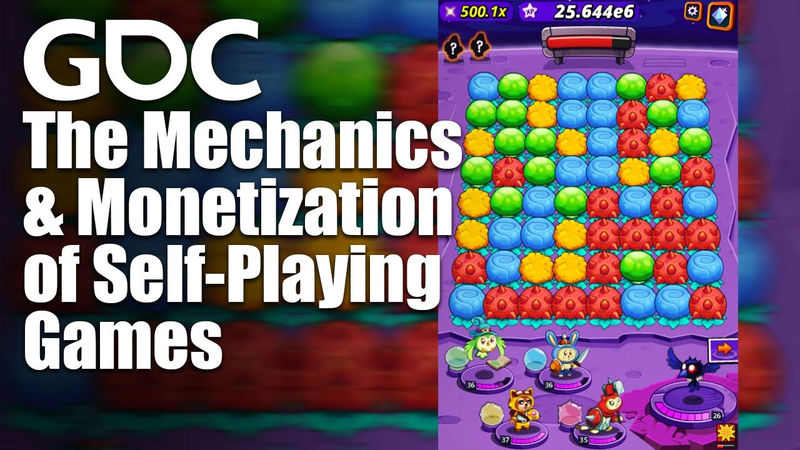
Idle Games: The Mechanics and Monetization of Self-Playing Games
Idle games have established themselves as a distinct and highly lucrative genre defined by the core principle of progress without constant interaction.
- Idle games achieve high buyer conversion rates ranging from 3% to 8% by integrating monetization directly into the core progression loop.
- The genre's success is driven by the elimination of traditional lose conditions and the use of positive feedback loops, which foster exceptional player retention.
- Monetization strategies rely on acceleration mechanics such as time warps, permanent multipliers, and gacha-style draws to drive lifetime average revenue per paying user.

Lifestyle Games - The Play's the Thing - Extra Credits
The concept of lifestyle games identifies a distinct category of titles that transcend traditional genre labels—such as MOBAs, MMORPGs, or shooters—by becoming central to a player’s social life, daily routine, and identity.
- Lifestyle games are defined as titles that integrate into a player's daily routine, social life, and personal identity, transcending traditional genre classifications.
- To achieve lifestyle status, games must feature robust social interaction, functionally infinite content through competitive or procedural systems, and a consistent update cadence that validates the player's time investment.
- Successful lifestyle titles require mechanical or narrative depth that encourages engagement outside of active play, supported by external ecosystems like wikis, streaming, and esports.

From Rational to Emotional: Designs that Increase Player Retention
Long-term player retention in the gaming industry relies on transitioning from purely rational mechanics to a framework rooted in emotional design.
- Long-term player retention is driven by shifting from purely rational mechanics to an emotional design framework that incorporates visceral, behavioral, and reflective components.
- Designers should utilize the peak-end rule, which posits that players evaluate their entire experience based primarily on the most intense moments and the conclusion of the session.
- Integrating players into social structures like guilds significantly increases both retention rates and player spending compared to those who play solo.
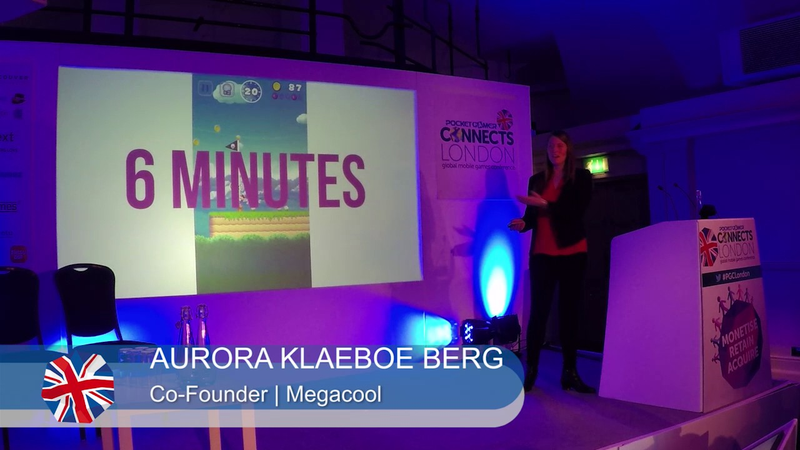
The growth techniques that all game developers should know about
Game developers often struggle to achieve a positive return on investment when the cost of user acquisition exceeds the lifetime value of a player.
- Prioritize organic growth through word-of-mouth and viral loops to mitigate the risk of user acquisition costs exceeding player lifetime value.
- Optimize onboarding by using A/B testing to evaluate tutorial necessity and applying the 'grandma test' to identify and remove interface friction points.
- Time push notification prompts to moments of high player value, such as immediately after receiving a reward, rather than requesting permission during initial setup.
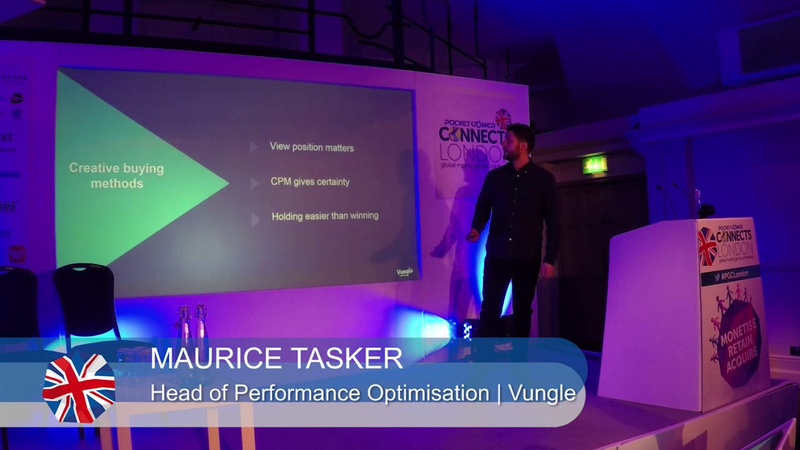
How to identify, retain and engage the highest value mobile game users
This analysis explores strategies for mobile game developers and marketers to identify, retain, and engage high-value users through optimized buying models, attribution management, and fraud prevention.
- Securing 'first-view' impressions—the initial video ad a user sees daily—is the most effective strategy for driving high-value installs and maximizing return on ad spend (ROAS).
- Users who consume fewer total daily video ads demonstrate a significantly higher conversion probability and greater lifetime value compared to those who see many ads.
- Advertisers can guarantee first-view dominance by utilizing CPM-based bidding models for specific publishers, effectively bypassing the volatility of conversion-rate-based bidding.
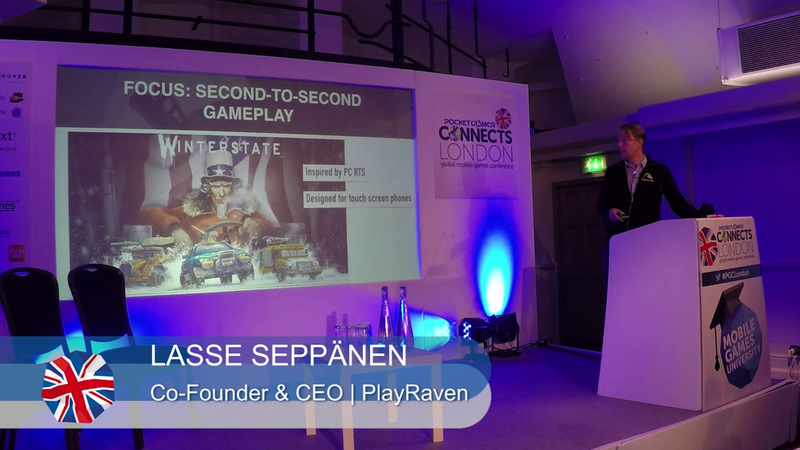
Why mobile developers should focus on the meta game first
Mobile game developers should prioritize the development of the meta-game—the long-term progression, collection, and social systems—over second-to-second gameplay mechanics to ensure faster iteration and higher player retention.
- Prioritizing meta-game systems over real-time combat significantly accelerates development, with meta-focused projects reaching soft launch in five months compared to over a year for combat-heavy titles.
- Focusing on long-term progression, collection, and social systems avoids the technical debt and balancing bottlenecks inherent in high-fidelity, moment-to-moment gameplay mechanics.
- A meta-first strategy enables greater content scalability, allowing developers to produce hundreds of unique collectable characters rather than the limited inventory typical of combat-focused games.
How indie games developers should look at analytics
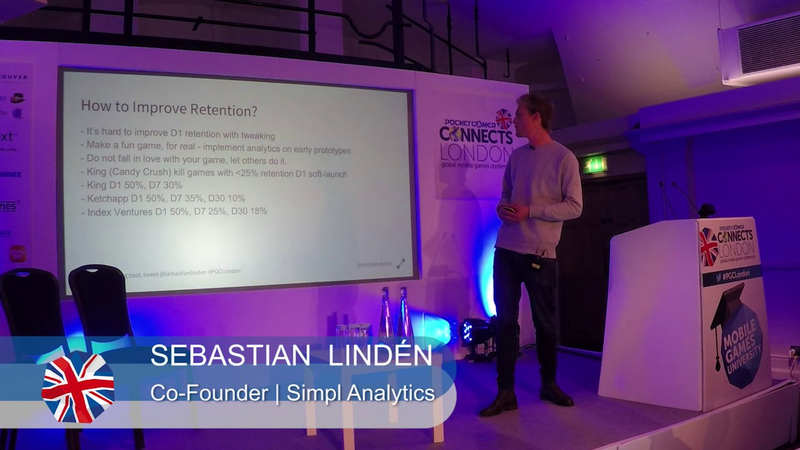
The primary objective for indie game developers is to leverage data-driven insights to improve game quality, secure platform features, and build sustainable businesses.
- Indie developers can achieve commercial success with 20% to 30% day-one retention, provided they secure platform featuring, whereas major publishers typically require 40% to 50% to justify user acquisition costs.
- Securing an initial feature on the Apple App Store provides a 50% probability of being featured again, potentially driving between 100,000 and 2 million installs.
- Data from late 2016 to early 2017 shows that 70% of featured titles are free-to-play, with action, arcade, and puzzle games being the most frequently highlighted genres.

Game design methodology
A practical game design methodology centers on the use of a one-page, visual framework to structure game loops, monetization strategies, and player engagement.
- Game design should be structured around a one-page, visual framework that replaces exhaustive documentation to align cross-functional teams on core mechanics and project vision.
- The compulsion loop is the framework's foundation, consisting of a clear action, a corresponding reward, and an expansion that drives repeat player engagement.
- Designers can deconstruct successful titles like Candy Crush by mapping their loops to analyze how they balance player skill with challenge and integrate monetization barriers.

Dynamic pricing in games: The opportunities & pitfalls
Dynamic pricing in the gaming industry serves as a strategic tool to optimize in-app purchase revenue and player retention by moving away from static, one-size-fits-all pricing models.
- Implementing dynamic pricing models can drive revenue uplifts ranging from 7% to over 30% within a few months of deployment.
- Developers can mitigate negative user feedback by keeping price adjustments within a narrow, incremental range of plus 5% to minus 10%.
- The strategy utilizes machine learning to cluster players into groups based on behavioral patterns and game progression rather than applying random price variations.
The growing challenges of monetising and retaining players
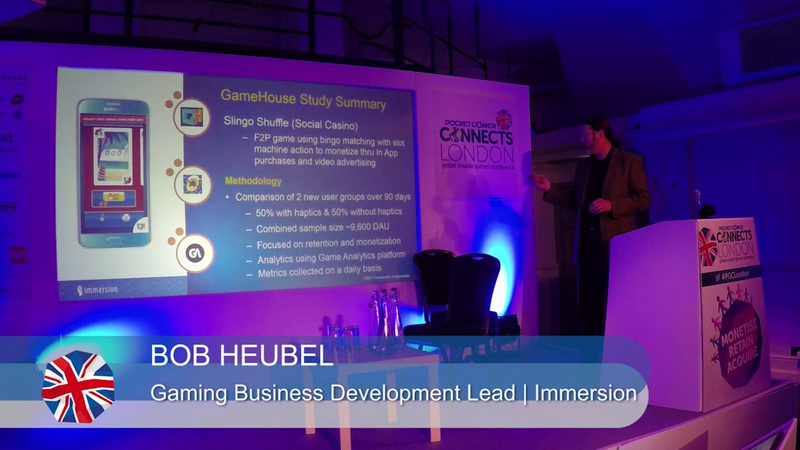
The integration of haptic technology into mobile gaming serves as a potent strategy for enhancing player retention and monetization.
- Haptic integration in mobile games correlates with a 20% increase in 14-day retention and a 4% to 13% rise in first-time payer conversion rates.
- While individual in-app purchase amounts remain stable, the combination of longer session lengths and higher engagement leads to an overall increase in revenue per install.
- Players are more likely to keep haptic feedback enabled than audio because it provides sensory rewards without the social or environmental drawbacks associated with sound.
Reclaiming My Soul: Why I Quit Making F2P Social Games
This analysis examines the transition from free-to-play (F2P) mobile social game development to AAA production, focusing on the ethical and creative challenges inherent in the F2P model.
- The F2P mobile model frequently prioritizes 'whale' monetization, where development resources are disproportionately allocated to satisfy a tiny fraction of high-spending players rather than the broader user base.
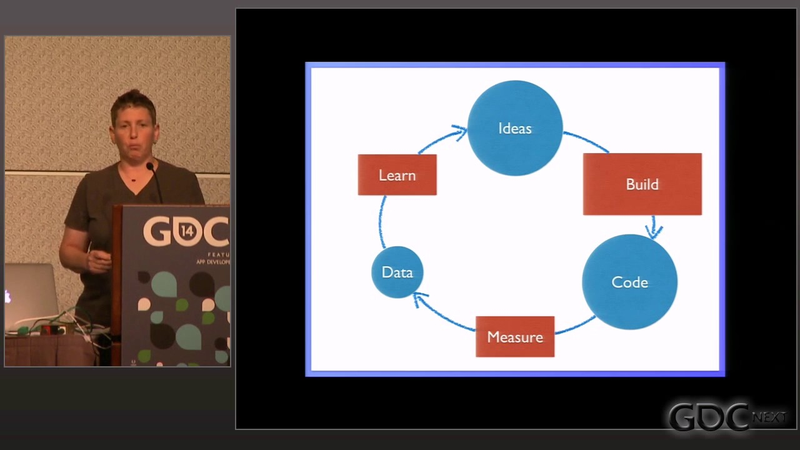
- Data-driven design in F2P often shifts focus from artistic innovation to managing financial funnels, where metrics like retention funnels and user acquisition costs dictate development priorities.
- The industry's reliance on 'fast follows' and cloning successful mechanics undermines creative integrity and incentivizes the release of incomplete or buggy 'minimum viable products.'