PC reports and market data
Documents
Our Next Big Indie Game | What to Make? (Devlog 0)
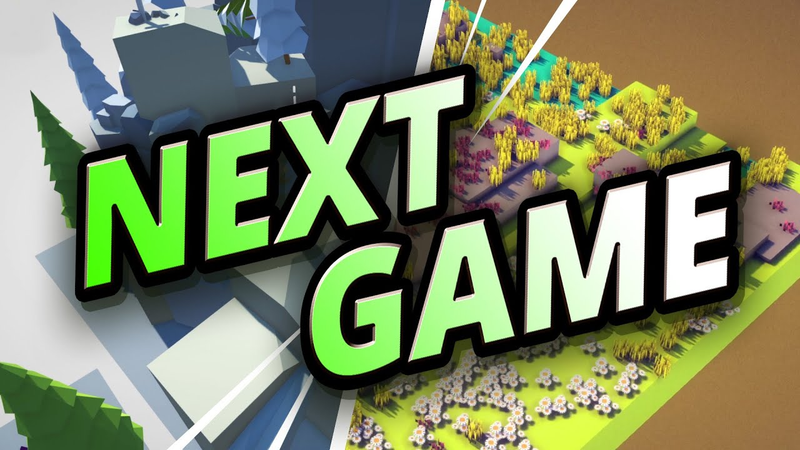
The primary objective of this development project is to select a concept for a new indie game through a structured, two-week prototyping phase.
- The team utilized a structured two-week prototyping phase to evaluate nine initial game concepts through digital prototypes and analog card-based simulations.
- The final project selection was a medieval-themed, system-heavy card game, chosen specifically because its reliance on UI design and character-driven mechanics aligned with the developers' core competencies.
- To ensure project viability, the team explicitly discarded concepts requiring extensive artistic assets or complex multiplayer infrastructure that exceeded their current resource capabilities.

5 Ways To Make $100,000 By Making Games
Achieving a six-figure income in the independent game development industry requires a diversified revenue strategy that extends beyond standard unit sales.
- Prioritize building a direct audience through email lists and social media to reduce dependency on platform algorithms and ensure long-term financial autonomy.
- Diversify revenue beyond unit sales by participating in curated sales events and bundles, such as Steam daily deals or Humble Bundles, to generate significant short-term income spikes.
- Secure professional publishing partnerships to obtain upfront capital ranging from $30,000 to over $1 million in exchange for a percentage of future revenue.

Game Developers Are Lying To You
Effective game development relies on the strategic manipulation of player perception to create a sense of immersion and responsiveness, a concept often referred to as game feel.
- Effective game development relies on the strategic manipulation of player perception to create a sense of immersion rather than attempting to replicate reality.
- The primary goal of game feel is to convince the player that their actions have significant weight and consequence through immediate, exaggerated feedback.
- Eliminating latency between player input and system output is the core requirement for a responsive and engaging feedback loop.

My Enemies Were Boring So I Started Over (Devlog #3)
The development of a first-person shooter set within a violent game show environment highlights the critical importance of enemy design in maintaining gameplay engagement.
- Prioritizing aesthetic asset integration over functional enemy design leads to repetitive, unchallenging gameplay where disparate enemy types share identical speed and damage profiles.
- Success in combat design requires shifting from purely visual variety to distinct, functional enemy archetypes that force players to adapt their strategies.
- Developers can maximize efficiency by using a single base character rig to create multiple enemy classes, modifying movement speeds and animations to differentiate archetypes like walkers, spiders, and ranged units.
'Sunless Skies': A Narrative Postmortem
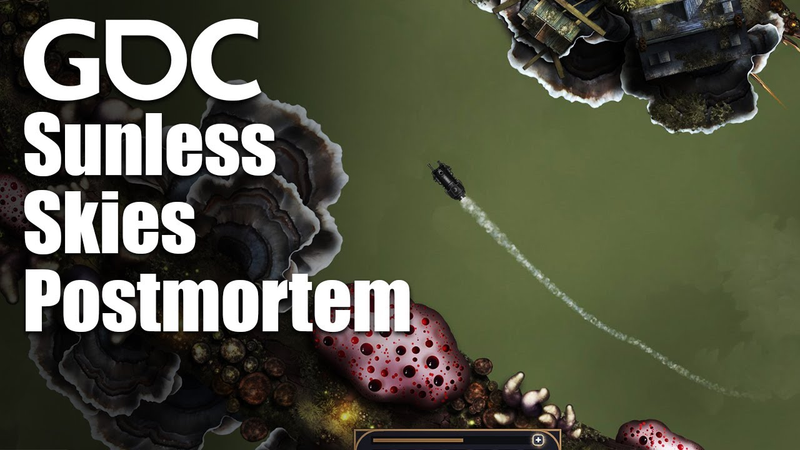
The development of Sunless Skies demonstrates a sophisticated approach to managing large-scale interactive storytelling within a pre-existing lore universe.
- Failbetter Games managed the narrative complexity of 'Sunless Skies' by distilling the game's tone into five core pillars, which served as a framework for team-wide communication and decision-making.
- The studio utilized a 'one thing in, one thing out' policy regarding lore to ensure the game remained accessible to new players, preventing the 137-page 'Fallen London' universe bible from overwhelming the experience.
- To maintain distinct identities across the game's four regions, the team assigned two specific narrative pillars to each area, ensuring that gameplay and environmental storytelling remained consistent with those themes.

I Lost Motivation for Game Dev
The primary purpose of this discussion is to address the pervasive issue of demotivation and the feeling of failure among independent game developers.
- Feeling like a failure is an inevitable, universal experience for independent developers and should be reframed as evidence of pursuing ambitious, boundary-pushing goals.
- Developers must distinguish between minor technical frustrations and significant professional risks, such as poor critical reception or failure to recoup investments, to maintain an accurate perspective on their progress.
- Building psychological resilience requires consistently pursuing small wins, such as participating in game jams, releasing assets, or publishing devlogs, to prime the creative process.

I Was Wrong About Making A 3D FPS (Apology Video, 2 Years Of Learning)
Developing a 3D first-person shooter (FPS) presents significant technical and creative challenges that often exceed the complexity of 2D game development.
- 3D FPS development requires significant technical overhead, specifically regarding lighting bakes, complex navigation meshes, and multi-camera configurations for gun clipping and UI.
- Relying on modular assets and real-time lighting without proper optimization leads to severe performance degradation and technical debt that often necessitates rebuilding entire levels.
- Constructing environments from thousands of individual cubes instead of optimized meshes creates unsustainable performance costs, particularly when targeting hardware-constrained platforms.
I Quit My Game Idea After 2 Years (Devlog #2)
The process of game development often requires the difficult decision to pivot away from established concepts when they fail to generate sufficient creative momentum.
- A game's theme must function as a generative engine that naturally produces a surplus of ideas, mechanics, and narrative questions rather than requiring forced invention.
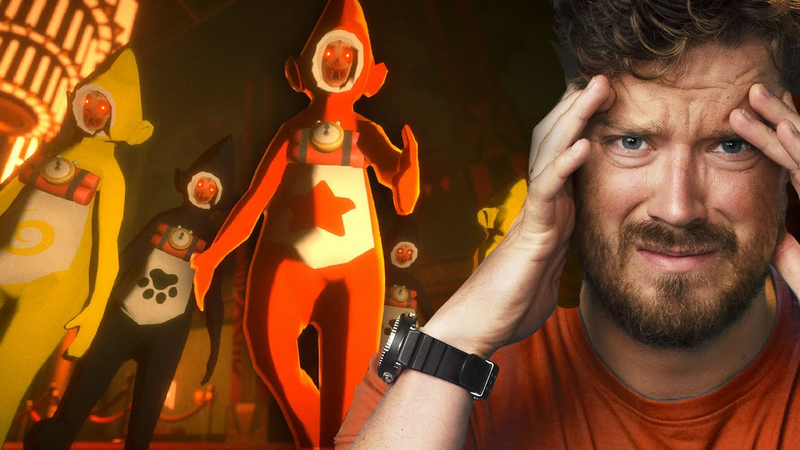
- After two years of development on the FPS project 'Father,' the team abandoned the original cult-themed concept because it lacked the creative momentum necessary for expansion.
- The project was successfully revitalized by pivoting to a surreal, horror-themed 'happy hotel' setting that blends high-stakes game shows with psychological horror.

We Made a Co-Op Barcode Scanner Game!
The development of a cooperative space-themed game using barcode scanners as the primary input device demonstrates the feasibility of rapid prototyping within a constrained 24-hour timeframe.
- Barcode scanners function as standard USB keyboard inputs, allowing developers to integrate physical, room-scale interactions into digital game engines without complex custom drivers.
- Rapid prototyping within a 24-hour window is sufficient to create a high-engagement cooperative experience when using unconventional, tactile input methods.
- The gameplay loop relies on translating physical barcode scans into text strings, which the engine interprets as specific commands for system management and resource collection.

Strategy Update: Long-term Product Outlook
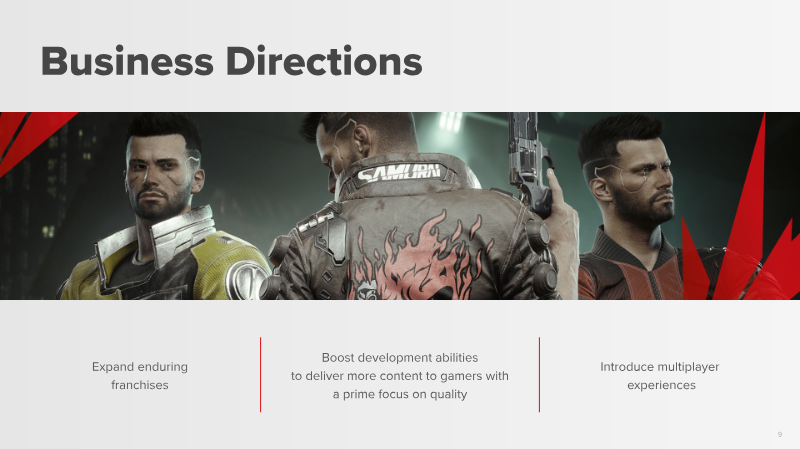
CD PROJEKT is undergoing a strategic transformation focused on scaling its development capabilities, diversifying its intellectual property portfolio, and expanding its franchises across multiple media formats.
- CD PROJEKT is transitioning from a studio focused on singular major releases to a multi-franchise organization delivering consistent single-player and multiplayer content.
- The product roadmap is anchored by three primary pillars: The Witcher franchise, the Cyberpunk franchise, and a new internally incubated IP titled Project Hadar.
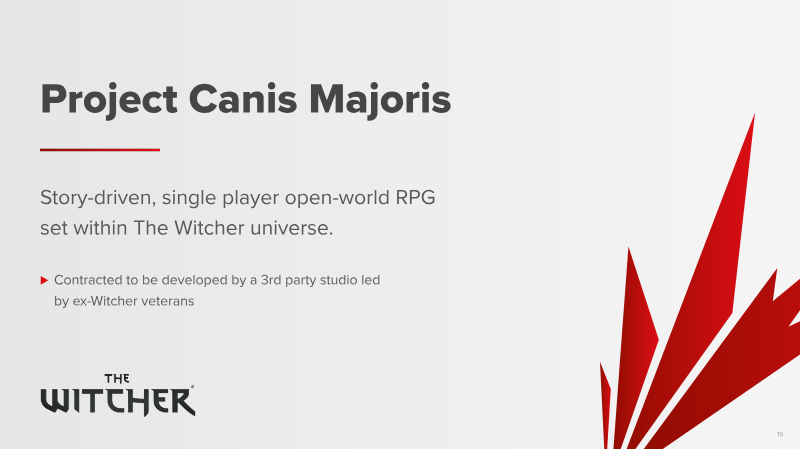
- The Witcher franchise expansion includes a new trilogy starting with Project Polaris, a spin-off by The Molasses Flood, and a third-party project titled Canis Majoris.

Avoid an Identity Crisis as a Technical Designer
Technical designers function as essential bridges between engineering and design, serving as force multipliers who prioritize the efficiency of content creators over direct player-facing features.
- The primary objective of a technical designer is to act as a force multiplier by building tools, workflows, and pipelines that increase the iteration speed and efficiency of the broader development team.
- Technical designers must prioritize knowledge distribution and documentation over individual problem-solving to prevent becoming a single point of failure within the project.
- Success in the role is measured by the ability to facilitate team-wide capability, effectively innovating oneself out of specific tasks to empower other designers to manage their own technical needs.
We Made 1,018 Games About AI
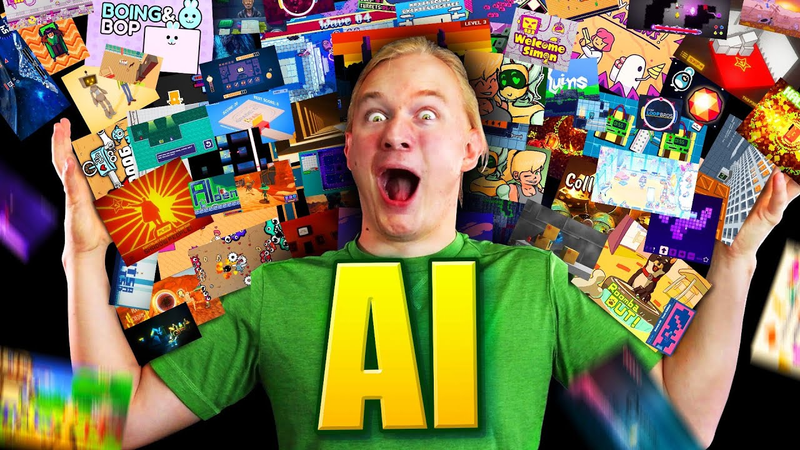
The Wowie Jam 4 game development competition challenged participants to explore the potential of artificial intelligence beyond its traditional role as a combat antagonist.
- The Wowie Jam 4 event resulted in the creation of 1,018 unique game entries over a period of three and a half days, demonstrating the feasibility of rapid development focused on AI collaboration.
- The competition successfully challenged the industry-standard 'combat antagonist' trope by requiring developers to design games centered on friendship and meaningful interaction with AI companions.
- Successful AI collaboration in game design relies on clear communication methods, including visual cues and speech bubbles, alongside the establishment of shared goals like cooperative navigation or music.