1 free read left. Create a free account for unlimited reading + AI research.
Create free account
My Enemies Were Boring So I Started Over (Devlog #3)

Key insights
6 takeaways- 01Prioritizing aesthetic asset integration over functional enemy design leads to repetitive, unchallenging gameplay where disparate enemy types share identical speed and damage profiles.
- 02Success in combat design requires shifting from purely visual variety to distinct, functional enemy archetypes that force players to adapt their strategies.
- 03Adopting a modular approach to character design—using a single rig with randomized clothing and appearance options—provides visual cohesion and variety without the overhead of unique rigs for every enemy.
- 04Developers can maximize efficiency by using a single base character rig to create multiple enemy classes, modifying movement speeds and animations to differentiate archetypes like walkers, spiders, and ranged units.
- 05Implementing automated scripts for AI navigation, such as generating jump paths, is more efficient and reliable than manually configuring individual nav mesh links for vertical movement.
- 06Independent game development often fails by prioritizing high-poly visual fidelity over the core mechanics of gunplay and enemy behavior, which are essential for a responsive gameplay loop.
Ask AI about this video
Transcript
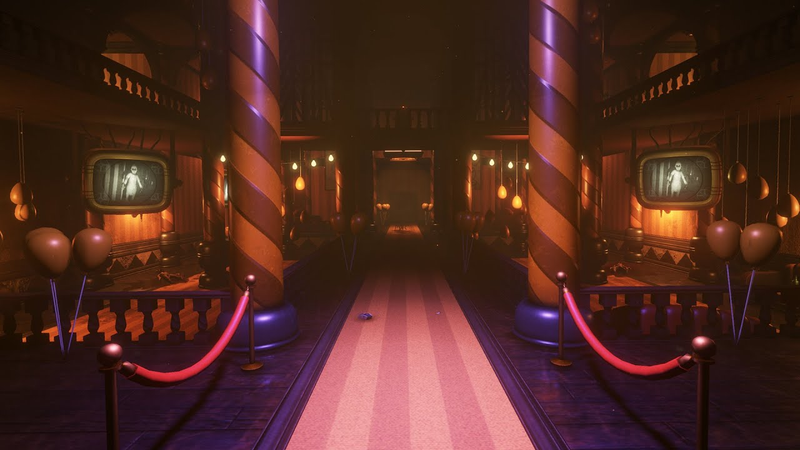
so it's been a year is it been 2 years it's been a really long time uh making my first 3D game first person shooter and it's called well we don't know what it's called it's like happy hotel or something like that and it's about this guy who wakes up in a hotel on his honeymoon his wife is missing and he's part of a really violent game show we're really excited about this game I'm having a great time but believe it or not the game sucked for about a year the demo absolutely sucked and the reason why is because well the enemies sucked the problem is the spiders and the zombies and the Flyers what do you call them bats or drones they all basically did the same thing right they basically had the same damage they had the same speed you could just run right past them so we basically just deleted the enemies gone me and my team member Felipe put together a game design document to explain all of the enemy types I'm going to make the greatest game design document and then we started working on
the enemies and we threw it all out the window I think there's two kinds of people there's one person who's organizational he's very process oriented he loves documents and he can understand and he can foresee how certain variables interact with each other congratulations if you're that person you're very lucky but if you're like me everything is based on feeling and Instinct all right let's start with the least challenging enemy of all and that is the Walker the original model looked stupid honestly so we kind of went in the opposite direction we actually found a high poly mesh the problem here is that though it ended up looking cool it looked out of place it didn't look like it fit within the context of our game and this is a huge challenge with IND the game developers they take a lot of assets from a variety of websites like the unity asset store turbo squid and then when they bring him into Unity everything looks messy it doesn't look like it works so we had to start from
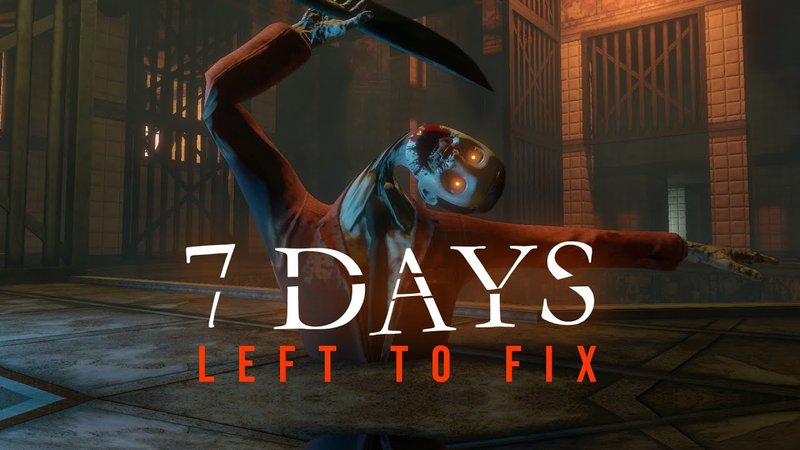
Square One a third time we just used my short horror film sorry as our inspiration and so we ended up making a much more low poly model that looks like [Music] this sorry we decided that it would be great to have gender options and clothing options for all of the enemies so I wrote a scrip to randomize the clothing so now we have one enemy type but he looks completely different randomly whenever I hit the play button now we need a short-range melee enemy that's fast so what we did is we decided Well let's just make the spiders the fast enemies [Music]
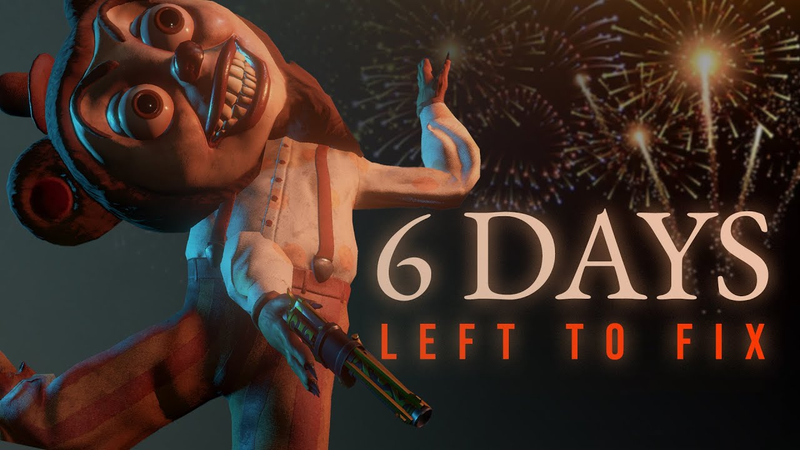
so as you can see we have the same class the zombie or Walker class and we just increased the speed and we have a totally different enemy type now again can we extend this same class to make a totally different enemy type so we decided to create clowns with shotguns and we basically used the same zombie rig but found new animations on mixim mo.com and by the way mixo is the sponsor I'm just kidding as long as the rig is rigged properly you upload it to mixim mo.com and choose from a variety of animations and plug them into your game now there's one final question about all of these enemies and it's been in the back of my mind for 3 months now they really should be able to jump
well that's where nav mesh Links come in this isn't some Unity thing I believe this is also true with unreal as well type in nav you'll see nav link proxy basically a nav mesh link is something that you set up manually which is a real pain and basically decide where the agent moves to to jump to a higher surface I don't want to set these up manually I want to click a button and they automatically are generated so I scoured Google and I found this script and this basically allows me to click a button and it's going to find all the areas that we could put a nav mesh link it's not perfect I'll admit sometimes you have to go in and delete the nav mesh links that get placed in random weird spots but once you clean it up and once you finaly the scene this is the result guys this was not without some Growing
Pains this honestly was the hardest part of making this game it's something that I know a lot of you struggle with and let me know in the comments if you struggle with this you constantly make your game look pretty but you don't focus on the core the Gunplay the enemies making that actually fun and now a message from our sponsor
Summary
The development of a first-person shooter set within a violent game show environment highlights the critical importance of enemy design in maintaining gameplay engagement. Initial iterations of the project suffered from a lack of mechanical variety, as disparate enemy types—including spiders, zombies, and drones—shared identical speed and damage profiles, rendering them easily avoidable and unchallenging. This realization prompted a complete overhaul of the game’s combat systems, shifting the focus from purely aesthetic asset integration to functional, distinct enemy archetypes.
The development process emphasizes the tension between rigid game design documentation and iterative, instinct-driven design. By abandoning a standardized, high-poly asset approach that lacked visual cohesion, the team adopted a low-poly aesthetic inspired by existing horror media. To maximize efficiency, developers utilized a single base zombie rig to create multiple enemy classes. By modifying movement speeds and integrating varied animations via external platforms, the team successfully differentiated the Walker, the fast-moving spider, and the ranged clown enemy. This modular approach allows for randomized clothing and appearance options, providing visual variety without requiring unique rigs for every character.
Technical implementation focused on improving artificial intelligence navigation, specifically regarding vertical movement. Rather than manually configuring nav mesh links, which is labor-intensive and prone to error, the team implemented an automated script to generate jump paths across the environment. This solution significantly improved enemy mobility and combat complexity. Ultimately, the project underscores a common pitfall in independent game development: prioritizing visual fidelity over the core mechanics of gunplay and enemy behavior. Success requires refining these fundamental systems to ensure that the gameplay loop remains challenging and responsive.















Comments