PC reports and market data
Documents
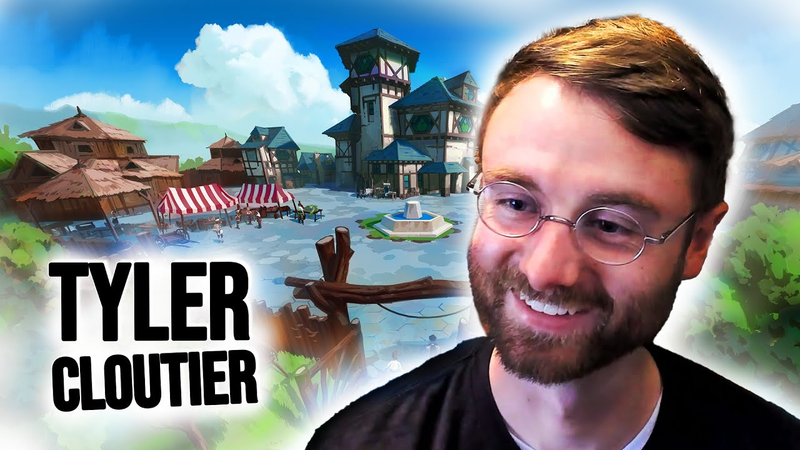
Build an Online Game In a Simple Database
SpacetimeDB functions as a cloud-native relational database designed to serve as an operating system for real-time multiplayer games.
- SpacetimeDB is a real-time relational database that integrates directly into a program's memory, eliminating the need for network serialization and deserialization between the application and the database.
- The architecture allows game clients to act as read replicas of the server's state, enabling developers to build admin tools, AI agents, or third-party integrations without writing additional server-side code.
- By executing code in a transactional context directly alongside the data, the system simplifies infrastructure and reduces latency compared to traditional client-server models.

Jagex prepared to take financial hit to save RuneScape
Jagex is currently undergoing a strategic pivot to prioritize the long-term health and integrity of the RuneScape franchise over short-term revenue gains.
- Jagex is prioritizing the long-term sustainability of the RuneScape franchise over short-term revenue by re-evaluating and potentially reducing microtransactions in RuneScape 3.
- The company has abandoned third-party publishing and large-scale acquisitions to focus exclusively on its core MMO portfolio: RuneScape, Old School RuneScape, and RuneScape: Dragonwilds.
- Old School RuneScape maintains its market position through a democratic development model that requires a 70% player approval rating for all content updates.
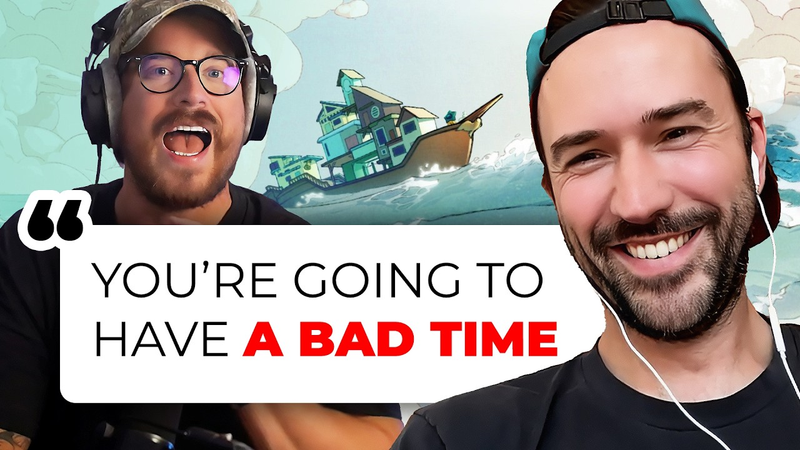
Watch THIS If You're Making Your First Game
The primary objective of this discussion is to analyze the challenges of independent game development, specifically focusing on the risks of long-term production cycles versus high-frequency release strategies.
- Launch-day performance is critical for long-term visibility, as demonstrated by the 2017 release of Sundered, where technical issues and poor balancing led to negative initial Steam reviews that hindered the game's market trajectory.
- Developers must choose between a 'perfectionist' model of multi-year development or a 'high-frequency' model that treats game releases like a portfolio to mitigate the high failure rate of individual titles.
- Relying on viral success is not a sustainable business strategy; developers must instead align their production models with their specific strengths and current market realities.

Will Dubé: How He Sold A Million Copies Of His Games, Indie Survival & Indie Secrets | Ep. #055
Achieving long-term success in the independent game industry requires a disciplined transition from purely creative passion to a structured, entrepreneurial business model.
- Sustainable game development requires a focus on long-term team retention, as Thunder Lotus attributes much of its success to a core group of people working together over 5 to 10 years.
- Financial stability is the lifeblood of an independent studio; games must be profitable to pay staff, fund future projects, and allow for profit-sharing models that keep the team invested.
- Rather than chasing trends or 'slop' in the saturated indie market, developers should focus on creating handcrafted, highly polished experiences that reflect a unique creative voice.
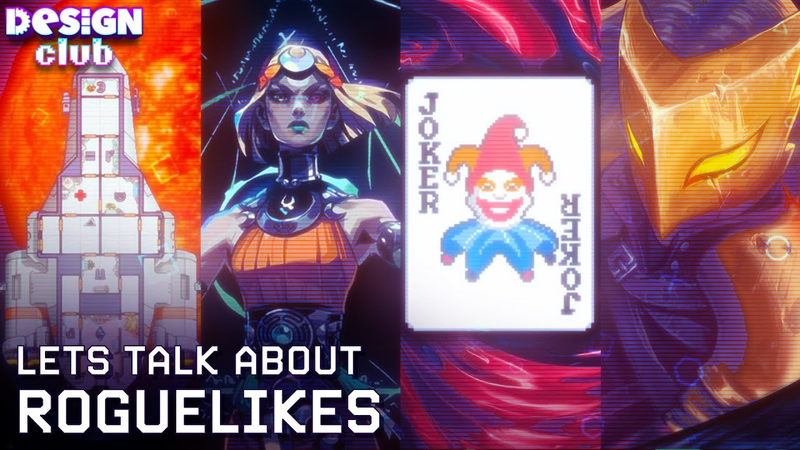
Roguelike Genre Exploration | Design Club
The roguelike genre has evolved from its rigid, turn-based origins into a versatile design framework that now permeates the broader gaming landscape.
- The roguelike label functions more as a set of design tags than a rigid genre, encompassing diverse titles ranging from deck-builders like Slay the Spire to action games like Hades.
- A core defining element of the roguelike experience is procedural alteration, ensuring that every individual run is unique through randomized seeds and encounters.
- Player loadouts—the tools, decks, or characters available at the start of a run—are essential to the roguelike structure, often allowing for strategic variety without necessarily increasing raw character power.
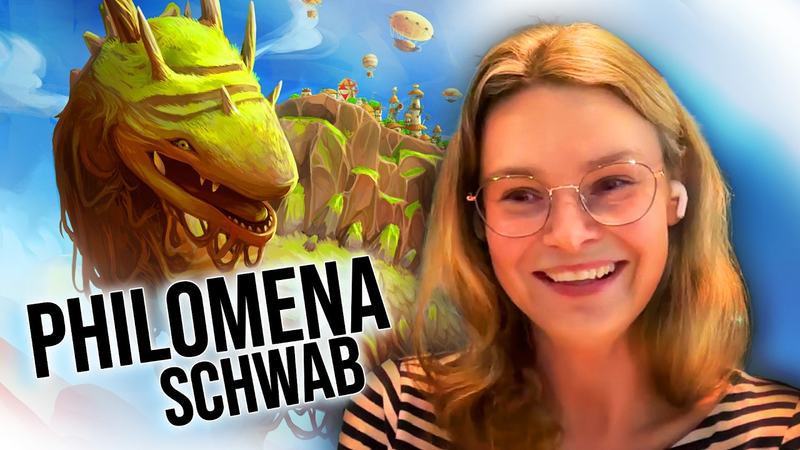
Marketing Indie Games as a Developer vs. Publisher
The primary driver of commercial success in the indie game sector is the inherent quality and conceptual appeal of a title, rather than marketing efforts alone.
- Stray Fawn Studio successfully validated their early game concepts by running crowdfunding campaigns, notably raising 75k for their first title, which provided the initial capital to pay developers a modest wage.
- Long Early Access periods can lead to market fatigue; for one title, a 2.5-year Early Access phase resulted in a 1.0 release that failed to generate significant renewed interest, even after an influencer campaign targeting 18,000 contacts.
- Marketing efficiency is significantly higher when a game has mass appeal, as it reduces the need for manual, labor-intensive efforts to 'dig for attention' in niche communities.
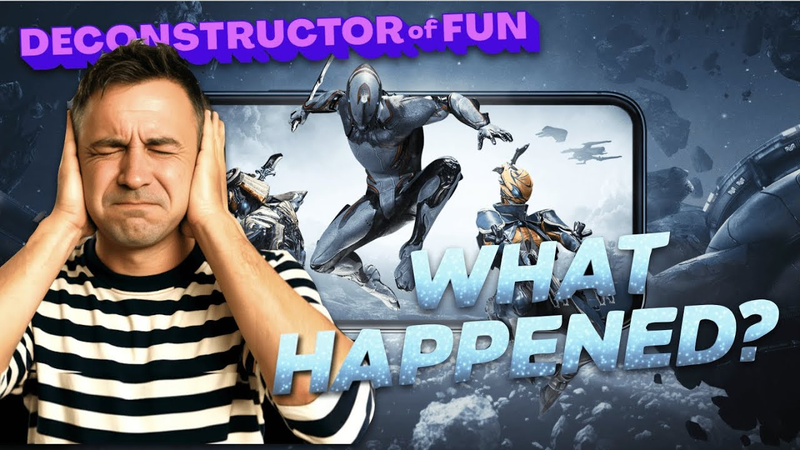
Why Warframe (and Other AAA Shooters) Struggle on Mobile
The mobile gaming market presents significant challenges for established PC and console shooters, as evidenced by the performance of titles like Warframe.
- The global games market reached $188.8 billion in 2025, a 3.4% year-over-year increase, though the mobile segment is experiencing a slowdown in the Asia-Pacific region.
- While the number of paying players rose 5% to 1.6 billion, the average spend per payer is declining, forcing developers to navigate higher user acquisition costs and shifting monetization dynamics.
- Porting complex, hardcore shooters like Warframe to mobile has proven ineffective, as these titles often fail to achieve market fit or the necessary polish when outsourced to smaller studios.
What Every Indie Dev Can Learn from Balatro’s Success
The commercial performance of Balatro serves as a definitive case study for the viability of premium-priced indie titles in a market increasingly saturated by free-to-play models.
- Balatro’s success demonstrates that a premium, non-monetized model can thrive by prioritizing a complete, consistent player experience over the grinding or segmented loops typical of free-to-play games.
- The game achieved high engagement and virality by focusing on a compelling, skill-based core loop that encourages players to share their high-score achievements.
- Authentic developer engagement is a critical marketing asset; the developer 'Local Thunk' maintained a consistent, transparent persona on platforms like X and Discord, which helped build player trust and community resonance.
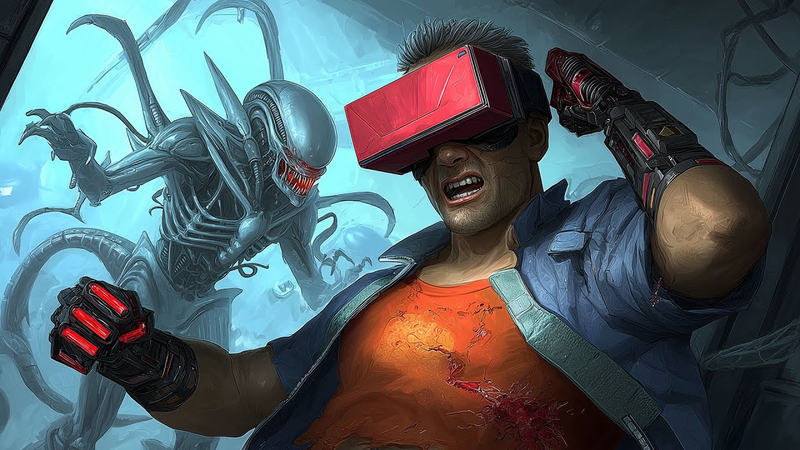
Alien: Rogue Incursion | Bridging VR and Flat Screen Experience with Ross DeVito | 366
The development of Alien: Rogue Incursion represents a strategic effort to bridge the gap between immersive virtual reality and traditional flat-screen gaming.
- Adapting VR titles for flat-screen platforms requires implementing subtle aim-assist trajectory modifications and recoil curves to replicate the immersive feel of VR movement while accounting for the higher precision of mouse and keyboard inputs.
- The development team for 'Alien: Rogue Incursion' utilizes in-house 'flat screen' (FS) terminology to distinguish non-VR ports from native virtual reality experiences, focusing on optimizing gameplay for traditional console and PC hardware constraints.
- PlayStation 5's DualSense controller features linear haptic motors that function similarly to audio speakers, allowing developers to map sound waves directly to physical vibrations for enhanced tactile feedback.
Life after Sega: Can Relic and Amplitude rejuvenate strategy games
Relic Entertainment and Amplitude Studios are navigating a pivotal transition following their departure from Sega, marking a broader industry shift toward independent agility within the strategy game sector.
- Relic Entertainment and Amplitude Studios have transitioned to independent operations following their departure from Sega to prioritize operational autonomy and community-focused development.
- Relic Entertainment is implementing a tiered production system that separates flagship titles from smaller, experimental projects under the 'Relic Labs' initiative to reduce financial risk and overhead.
- Amplitude Studios is maintaining its focus on the 4X strategy genre with a dedicated team of approximately 170 professionals, prioritizing deep engagement with its existing player base over mass-market expansion.
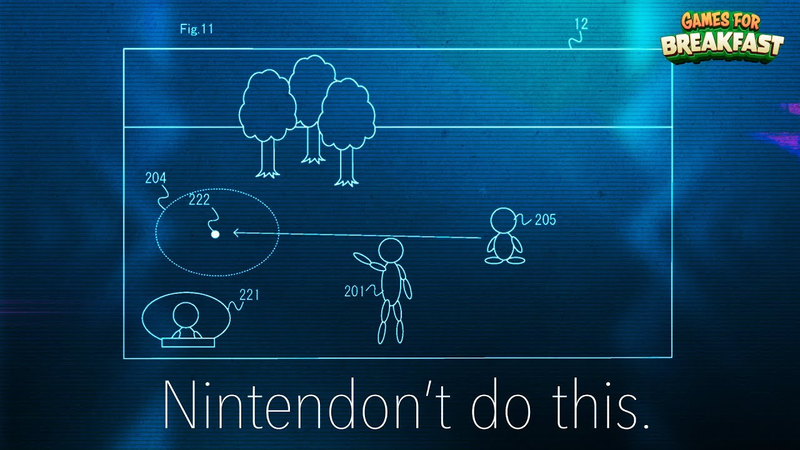
Pokemon's Patent Problem, Virtual Boy Returns, and Borderlands 4's PC Launch | Games For Breakfast
The contemporary gaming landscape is currently defined by a tension between legacy preservation, aggressive monetization, and the disruptive influence of emerging technologies.
- Nintendo is facing backlash for aggressive monetization strategies in the Pokémon franchise, specifically the use of subscription-gated content and time-limited competitive seasons.
- Nintendo has secured a broad U.S. patent for core summoning mechanics, raising industry concerns that the company may use the filing to stifle independent developers through litigation.
- The PC launch of Borderlands 4 suffered from significant technical instability, serving as a prominent example of the risks associated with releasing underbaked software.

Let's Review Your Games — Ep. 031
Indie game development requires a rigorous focus on visual cohesion and player communication to ensure professional-quality results.
- Professional-quality indie games require environmental normalization to eliminate technical inconsistencies like mismatched lighting, skyboxes, and fog.
- Developers must prioritize visual and mechanical consistency, as players consistently favor refined titles over those with unpolished assets and unclear objectives.
- UI elements and tutorials must be implemented from the opening sequence to explicitly guide players through core objectives and character motivations.