PC reports and market data
Documents
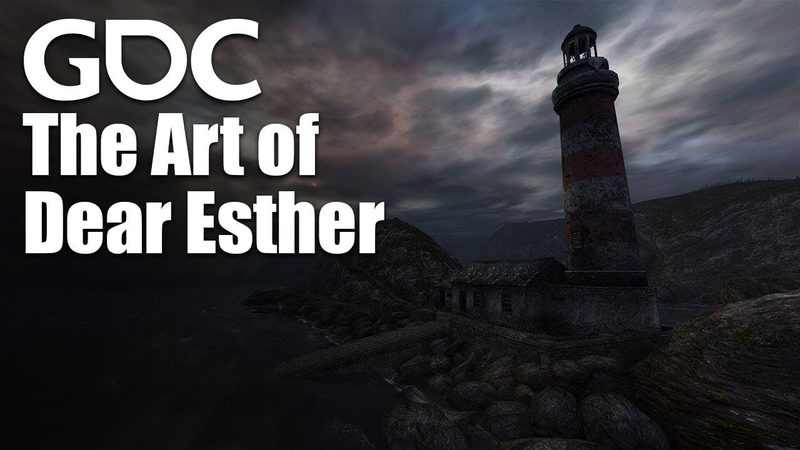
The Art of Dear Esther – Building an Environment to tell a Story
The environmental design of the game Dear Esther serves as a primary vehicle for narrative delivery, moving beyond the traditional role of a static backdrop to become an active participant in storytelling.
- Environmental design serves as the primary narrative vehicle in Dear Esther, functioning as an active participant in storytelling rather than a static backdrop.
- The project, originally developed as a 2008 Source engine mod, intentionally stripped away traditional gameplay mechanics to prioritize an ambiguous, emotionally driven narrative.
- Developers achieved immersion by prioritizing an impressionistic aesthetic—focusing on lighting, atmosphere, and color—over technical fidelity or photorealism.
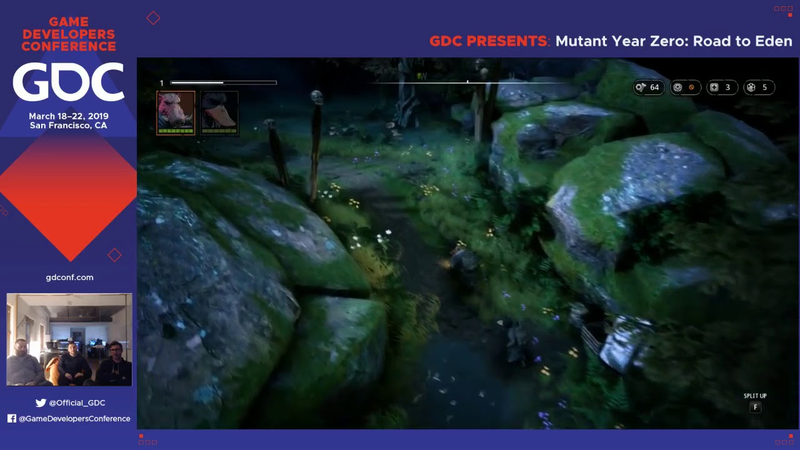
GDC Plays Mutant Year Zero: Road to Eden with The Bearded Ladies
Mutant Year Zero: Road to Eden represents a strategic effort to adapt a classic Swedish tabletop role-playing game into a narrative-driven, turn-based tactical experience.
- The developers of Mutant Year Zero: Road to Eden utilized a modular asset workflow in Unreal Engine 4 that allowed them to bring a new map from prototype to a functional state within approximately one week.
- To manage the development of handcrafted levels with a small team, the studio relied heavily on outsourcing, hiring an outsourcing manager as one of their first key recruits.
- The game design prioritizes rewarding tactical positioning over RNG-heavy combat, specifically by ensuring that flanking maneuvers provide high hit probabilities to avoid the frustration of missing shots in advantageous positions.
Games You Might Not Have Tried - ep 17 - New Games to Learn From! - Extra Credits
The seventeenth installment of the "Games You Might Not Have Tried" series focuses on identifying unique, experimental, or unconventional titles that offer valuable design lessons rather than traditional entertainment value.
- Experimental game design succeeds by focusing on a single, elegant premise and executing it with high precision rather than attempting to include excessive features.
- Developers can achieve significant emotional or intellectual impact with minimal resources by prioritizing economy of design and thematic maturity.
- Non-competitive mechanics, such as those found in the art-focused MMORPG Occupy White Walls, can effectively foster positive and creative online communities.
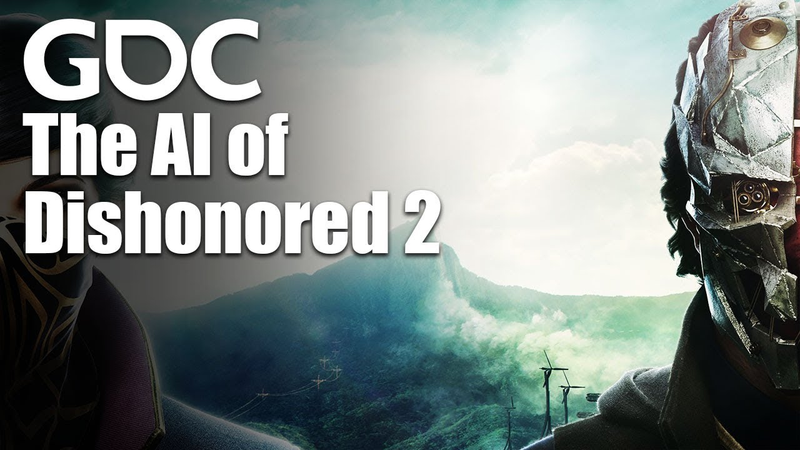
Taking Back What's Ours: The AI of Dishonored 2
The artificial intelligence architecture of Dishonored 2 centers on a data-driven framework designed to facilitate complex, emergent gameplay while maintaining high performance on console hardware.
- Arkane Studios implemented a 'shuffle bag' system for NPC barks to prevent repetitive dialogue, where action lists are shuffled during initialization and again upon completion to ensure variety.
- The AI team utilized a 'Dynamic Space Management' (DSM) system for spatial reasoning, using influence map layers to store and propagate data like danger ratings across a grid to guide NPC movement and search behaviors.
- To coordinate group combat, the team employed a 'crew' system where individual NPCs post requests to join a group based on shared objectives, allowing for emergent behavior while maintaining individual decision-making.
Classic Game Postmortem: The Bard's Tale I and II
The development of The Bard’s Tale series emerged from a desire to transcend the technical and immersive constraints of early 1980s dungeon crawlers.
- The Bard's Tale series succeeded by replacing wireframe-based dungeon crawlers with bitmap graphics, integrated music, and autonomous party mechanics to increase player immersion.
- Development prioritized a simplified, cohesive four-class system set in the city of Skara Brae, moving away from the more complex, fragmented systems of predecessors like Wizardry.
- The technical foundation of the series relied on 6502 assembly language expertise combined with the developer's background as a tabletop dungeon master.

How Long Does It Take To Make A Video Game?
Developing a video game consistently takes longer than anticipated due to the non-linear nature of production and the compounding complexity of project management.
- Commercial video game development typically requires two to four years to complete, depending on project scope, team size, and management of feature creep.
- Development progress is non-linear and becomes exponentially more difficult as projects mature due to technical debt, increased compile times, and the compounding complexity of bug fixing.
- Developers should establish a baseline by creating a vertical slice—a small, fully polished portion of the game—to accurately calculate the time required for content production and quality assurance.
Bringing Hell to Life: AI and Full Body Animation in DOOM
Modernizing artificial intelligence animation in DOOM requires a fundamental shift from traditional stick-input systems toward a direct-control architecture that prioritizes high-fidelity, full-body performance.
- The animation system shifts from traditional stick-input models to a direct-control architecture, allowing animators to prioritize high-fidelity, full-body performance over rigid technical constraints.
- Delta correction and inverse kinematics are used to dynamically adjust stylized animations for spatial alignment and precise focus tracking, enabling a smaller library of assets to function across diverse environments.
- The engine maintains visual fluidity through foot-phase synchronization for locomotion cycles and AI-driven hip rotation to prevent interpenetration and visual artifacts.
Rick and Morty: Virtual Rick-ality Postmortem: VR Lessons *Burrrp* Learned
The development of Rick and Morty: Virtual Rick-ality centers on the challenge of translating a high-energy, dimension-hopping animated franchise into a functional and immersive virtual reality experience.
- Successful VR design requires masking technical constraints like geometry clipping and rendering limitations through narrative humor and creative environmental design.
- The development team leveraged the existing framework from Job Simulator, prioritizing physical interaction and zone-based teleportation to maintain player comfort.
- Technical performance was maintained through sophisticated optimizations, including depth masks for seamless portal transitions and dynamic toggling of lighting and mirrors.
PlayJob Podcast #4: Blizzard Artist Peet Cooper
The game industry demands a unique blend of technical proficiency, continuous self-improvement, and strategic networking to achieve long-term career success.
- Career longevity in the game industry requires a hybrid background, as AAA studios like Blizzard and Riot Games provide deep specialization while independent projects foster the versatility needed for a well-rounded skill set.
- Professional visibility is best achieved by maintaining a portfolio on platforms like ArtStation and engaging in deliberate practice by studying the techniques of established industry masters.
- Effective networking relies on a 'confidently humble' approach, prioritizing personalized, thoughtful outreach over generic communication to secure mentorship and industry integration.
Contrastive Juxtaposition: Contrast and Context in BioWare Story and Cinematics
BioWare establishes narrative depth and emotional resonance by employing contrastive juxtaposition, a design philosophy that places opposing elements in direct proximity to manipulate player perception.
- BioWare utilizes 'narrative polarity'—a two-dimensional coordinate system of opposing themes—to create meaningful player choices and emotional engagement, such as the conflict between chaos and order in Mass Effect 3.
- To ensure narrative consistency across departments, developers should avoid overwhelming teams with massive documentation and instead use simple, contrast-based communication to define core themes early in production.
- Removing 'neutral' dialogue options in Mass Effect 3 forced players to commit to polarized choices, preventing them from sitting on the fence and ensuring that decisions had a more significant impact on the game world.
GDC Q&A with Blackout Club developers Jordan Thomas and Michael Kelly
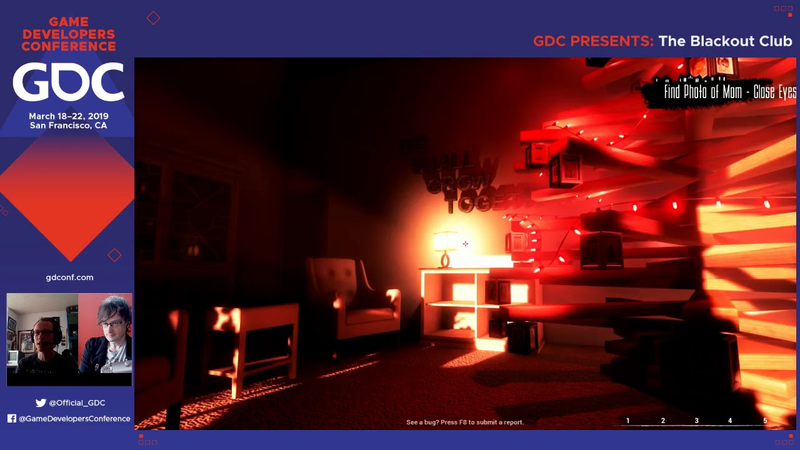
The development of the cooperative horror title The Blackout Club represents a strategic pivot toward sustainable, community-driven game design.
- The developers of 'The Blackout Club' leveraged their experience with immersive sims like 'BioShock' and 'Dishonored' to build a cooperative horror game that emphasizes player vulnerability and parkour-based movement over combat.
- To manage the complexity of a four-player multiplayer game, the team utilized a long-term beta testing strategy that began in the summer of 2018, well ahead of their 2019 release, to gather feedback from their newsletter and Discord community.
- The game employs a procedural mission system designed like a deck of cards, where different objectives are shuffled and dealt to players each night to ensure that no two gameplay sessions are identical.

THQ Nordic AB Acquires Bugbear Entertainment: Investor Presentation
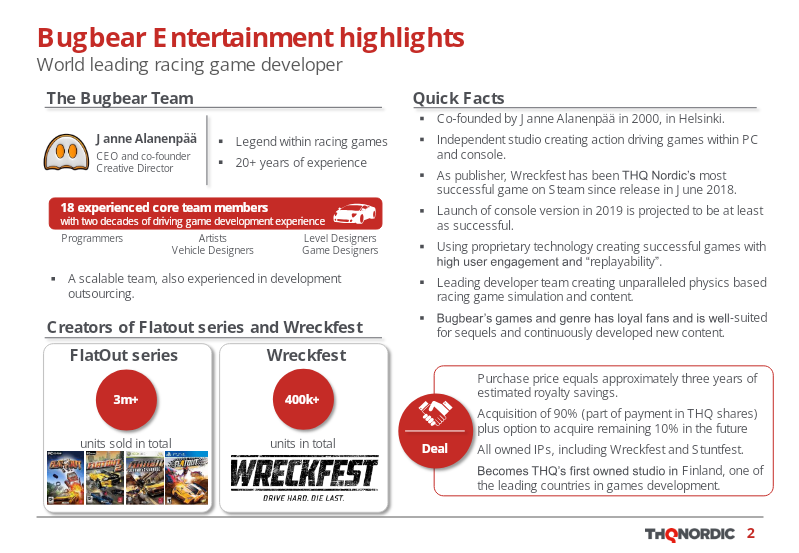
THQ Nordic AB expanded its global development footprint in November 2018 by acquiring a 90% stake in Helsinki-based Bugbear Entertainment, with an option to purchase the remaining 10% in the future.
- THQ Nordic acquired a 90% stake in Helsinki-based Bugbear Entertainment in November 2018, with an option to purchase the remaining 10%.
- The acquisition grants THQ Nordic full ownership of Bugbear’s intellectual property, specifically the Wreckfest and Stuntfest franchises.
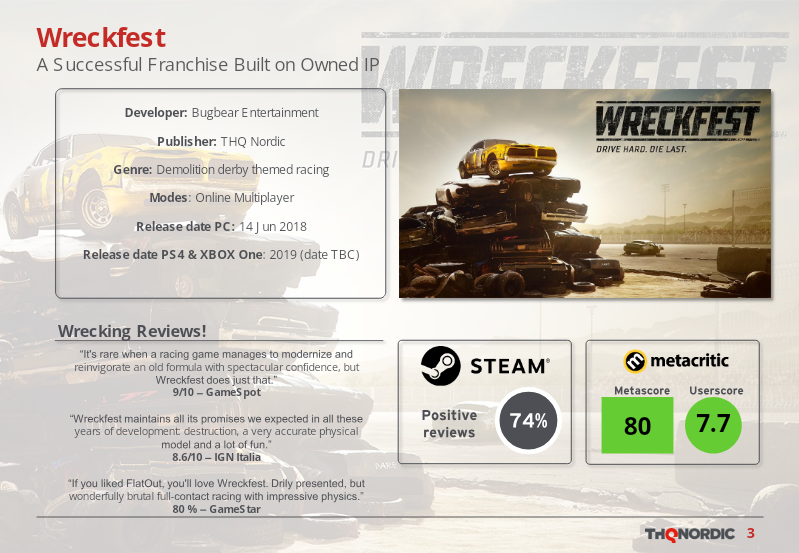
- Wreckfest, which sold over 400,000 units on Steam following its June 2018 release, serves as the primary driver for the acquisition due to its strong commercial performance.