PC reports and market data
Documents
Theme Oriented Design: The Case of Phantom Doctrine
Structural integrity in system-heavy game development relies on modular design, where a clearly defined minimum viable product serves as the foundation for all subsequent features.
- Design systems and balance for the world map and tactical missions independently, as coupling them creates rigid dependencies that make it impossible to adjust one without breaking the other.
- Prioritize gameplay mechanics over thematic wrapping, as it is easy to convince a team to accept a poor mechanic simply because it is disguised by a compelling theme.
- To prevent content fatigue, define the exact number of times a feature should ideally appear in a game and plan the precise amount of content and player actions required to support that specific frequency.

Why Google Stadia Will DOMINATE Consoles (Game Dev's Prediction)
The gaming industry is entering a transformative decade defined by the emergence of cloud-based platforms like Google Stadia, which challenge the traditional console-centric business model.
- Cloud-based gaming platforms are expected to eventually render traditional console hardware obsolete for the majority of consumers as smart-TV integration and digital distribution become the industry standard.
- Console manufacturers will increasingly rely on aggressive exclusivity deals to lock content within their specific ecosystems as a defensive measure against the accessibility of cloud streaming.
- Sony and Microsoft are projected to pivot toward specialized, device-specific hardware, such as unique controllers or motion-capture peripherals, to differentiate their platforms from standardized cloud experiences.

5 Game Design Mistakes You Should Avoid
Effective game design requires a disciplined approach to player experience and development methodology. A primary pitfall is failing to reward player curiosity and skill.
- Prioritize the refinement of one or two core mechanics over the inclusion of numerous underdeveloped features to ensure a high-quality, engaging player experience.
- Implement consistent playtesting throughout the entire development cycle, prioritizing direct observation and critique from trusted advisors over large-scale, impersonal data collection.
- Maintain a rhythmic balance between high-stress combat encounters and safe relief zones to provide necessary pacing and allow players to recover.
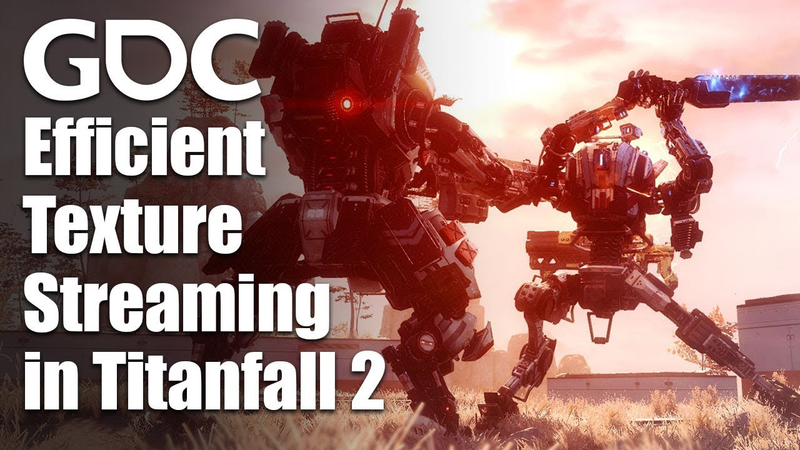
Efficient Texture Streaming in Titanfall 2
Optimizing texture streaming in Titanfall 2 centers on a sophisticated prioritization system that moves beyond simple distance-based metrics to ensure high-fidelity visuals within strict hardware constraints.
- Titanfall 2 optimizes texture streaming by using a cost-benefit metric that divides pixel coverage by texel count, allowing for dynamic mip level management beyond simple distance-based metrics.
- The engine utilizes a dynamic memory buffer that achieves a 9:1 compression ratio to manage high-fidelity assets within strict console hardware memory constraints.
- Runtime performance is maintained through asynchronous I/O and a dedicated texture creation thread, which effectively minimizes driver-related hitches.

Game Dev: 8 Tips on Vision Keeping! - (and Game Update)
Maintaining a coherent development vision is essential for creating a distinct, marketable, and successful indie game. A lack of clear direction often leads to fragmented design and development inefficiencies.
- Establish a core vision early in development using visual and gameplay prototypes to align team expectations and prevent fragmented design.
- Evaluate every design decision, including difficulty and character aesthetics, against the central identity of the game to ensure all features serve the primary vision.
- Identify and prioritize the specific unique mechanics or narrative hooks that define the game's marketability, relegating or removing features that do not support these core elements.
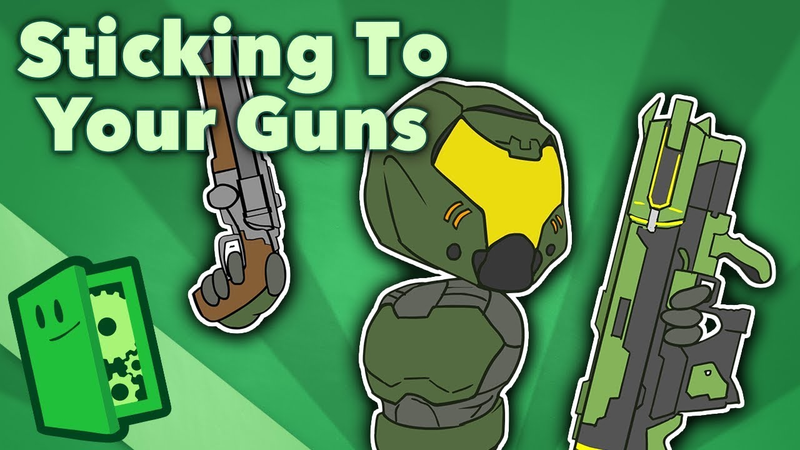
Sticking to Your Guns - How the Doom and Dragon Quest Franchises Modernized - Extra Credits
Successful franchise modernization relies on a disciplined commitment to core mechanics rather than the indiscriminate adoption of industry trends.
- Successful franchise modernization requires a disciplined commitment to core mechanics rather than the indiscriminate adoption of industry trends.
- The 2016 Doom reboot and 2017 Dragon Quest XI succeeded by refining their original identities—visceral combat and accessible turn-based narratives—for contemporary audiences.
- Developers should avoid forcing popular features like cover-based systems or action-heavy combat into established franchises, as these additions often dilute the unique value proposition of the series.
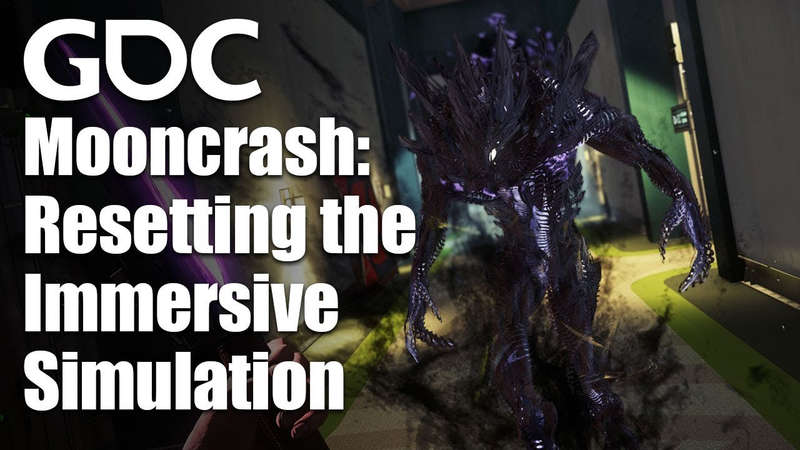
Mooncrash: Resetting the Immersive Simulation
The development of the Prey: Mooncrash expansion serves as a strategic pivot for the immersive sim genre, successfully integrating roguelike mechanics to foster creative innovation within Arkane Studios.
- To avoid the 'chopped salad' effect where randomized levels feel identical, developers should cluster random elements by theme (e.g., fire or radiation) rather than distributing them evenly, ensuring each area provides a distinct, palpable experience.
- Immersive sims often suffer from inefficient content consumption, where players miss significant portions of non-linear, high-cost assets; moving toward a roguelike structure allows for higher replayability and more efficient utilization of existing development assets.
- The 'Rogue Legacy' model of persistent progression—where players retain experience points and currency across failed runs—serves as an effective negative feedback system that encourages continued engagement despite repeated deaths.
NetEase Games Strategy: 2019
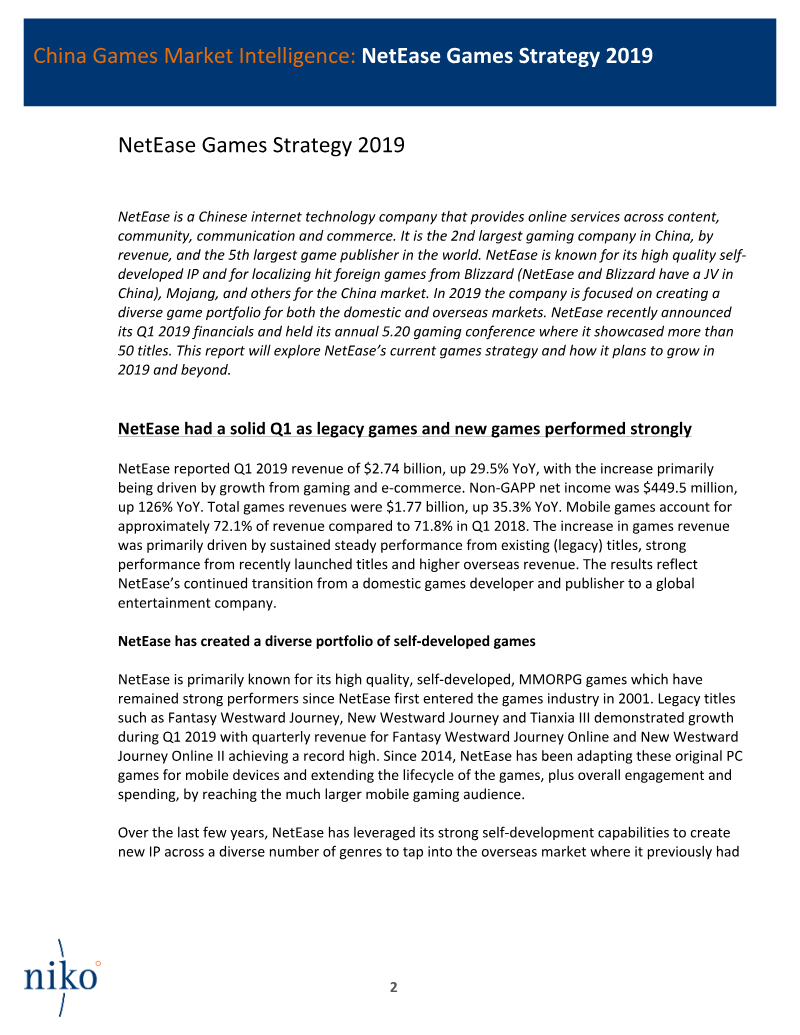
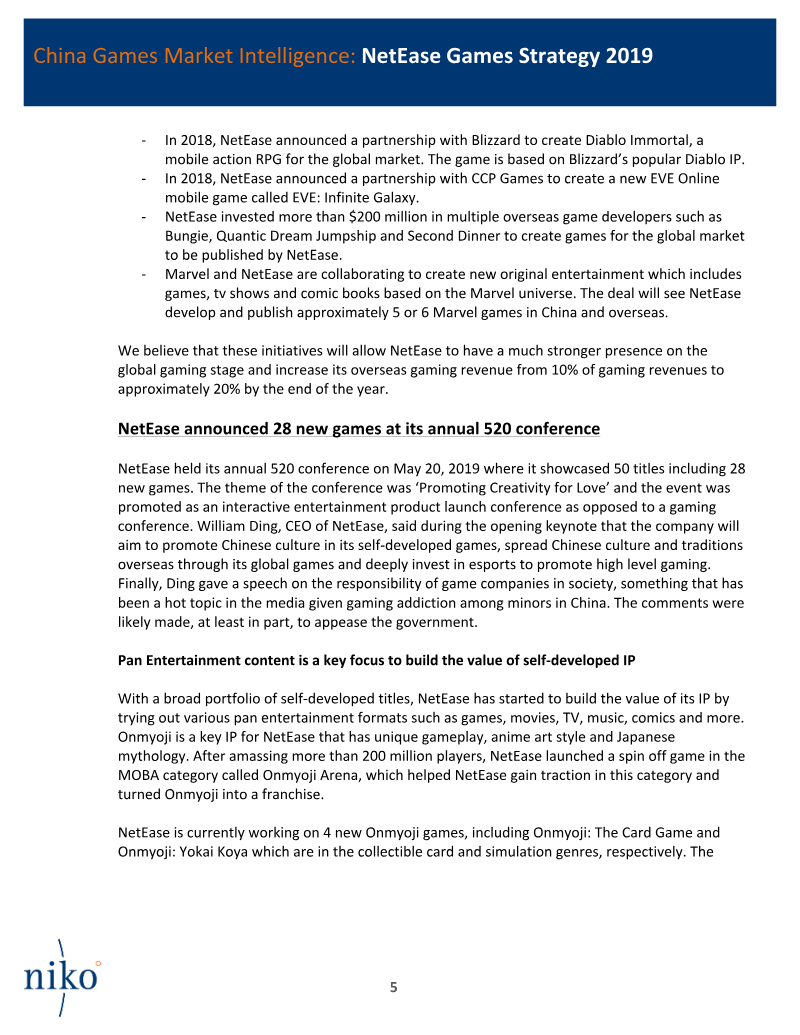
NetEase is executing a strategic transition from a domestic-focused MMORPG developer to a global entertainment powerhouse.
- NetEase generated $2.74 billion in total revenue in early 2019, marking a 29.5% year-over-year increase, with gaming revenue contributing $1.77 billion.
- Mobile platforms are the company's primary financial engine, accounting for 72.1% of total gaming income.
- The company is executing a strategic shift from a domestic-focused MMORPG developer to a global entertainment powerhouse to mitigate risks from slowing growth in China.
Game Dev: How To Be More Productive
Maintaining productivity during tedious game development tasks requires a structured approach that prioritizes goal-oriented workflows over time-based constraints.
- Prioritize goal-oriented workflows over time-based constraints to incentivize efficiency and overcome stagnation during repetitive development tasks.
- Implement a rigid work-rest cycle consisting of two-hour work blocks followed by one-hour breaks to maintain momentum and ensure adequate recovery.
- Deconstruct large, complex technical challenges into smaller, manageable components to facilitate frequent achievement and accurate progress tracking.
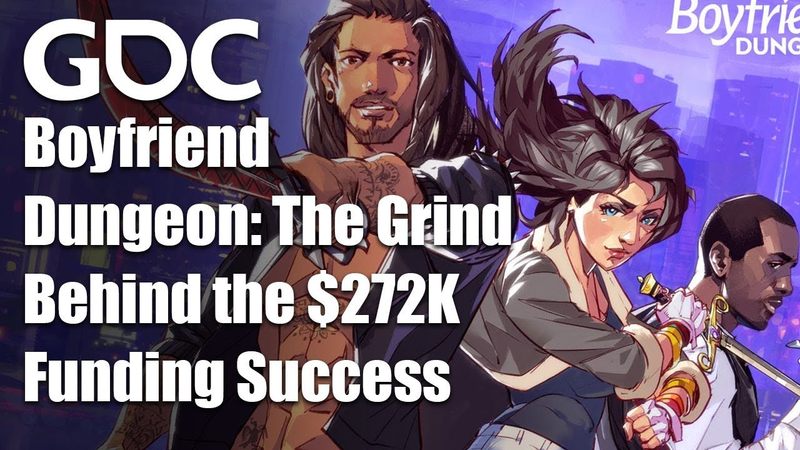
Game Discoverability Day: NOTICE ME: The Grind Behind the $272K Funding Success of Boyfriend Dungeon
The successful crowdfunding of the indie title Boyfriend Dungeon, which raised $272,000 against a $65,000 goal, serves as a case study for effective game discoverability and community-driven marketing.
- Boyfriend Dungeon achieved 418% of its funding goal, raising $272,000 against a $65,000 target by prioritizing community-driven engagement over paid advertising.
- Twitter served as a critical conversion engine, driving 17% of total pledges—a rate significantly higher than the industry average of less than 1%.
- A high-conversion hook must be immediately understandable, utilizing a clear 'one-sentence' pitch that combines distinct genres, such as the game's 'dating sim meets dungeon crawler' premise.

The Making Of Cuphead
The development of Cuphead serves as a case study in artistic integrity and the rejection of conventional industry practices.
- Studio MDHR achieved commercial success by prioritizing an uncompromising artistic vision over market data, proving that niche, high-quality projects can resonate with sophisticated consumers.
- The game’s visual identity was created using traditional, frame-by-frame hand-drawn techniques, deliberately rejecting modern digital rigging and tweening to replicate 1930s 'rubber-hose' animation.
- The soundtrack was produced through live studio recordings featuring a 13-piece big band and a 10-piece ragtime ensemble, eschewing software-based MIDI instruments for historical authenticity.
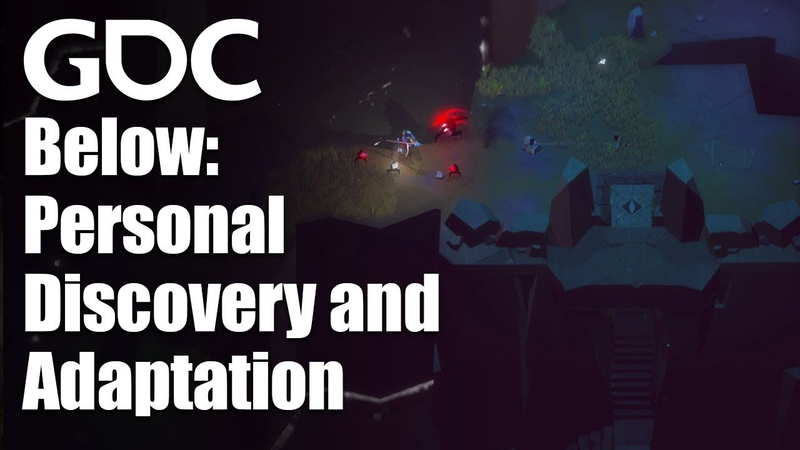
A New Dimension to Below: Personal Discovery and Adaptation
The development of the title Below serves as a case study in overcoming significant technical and creative hurdles through iterative adaptation and cross-disciplinary collaboration.
- The development team for Below achieved its distinct visual style by combining 3D geometry with hand-painted normals and flat cards, creating a complex 'Zelda-skew' perspective where objects point toward the camera to avoid clipping.
- Initial production workflows were highly inefficient, requiring artists to compile assets via batch files that took up to 30 minutes and script changes through text editors rather than using a real-time game editor.
- To improve productivity, the team developed in-game tools that allowed for real-time movement of assets, light editing, and post-process adjustments, significantly reducing the need for external scripting and level reloads.