Theme Oriented Design: The Case of Phantom Doctrine
11 Jun 201933 min video
Transcript
hello thank you for coming so I'll talk about designing gameplay with a theme in mind and how I utilize it to conjure the mood out of systems and numbers it's also a study of design problems that came up when you when we assume that theme comes first so I've been designing games for almost 13 years now and I recently co-found in a new company after pizza previously I was the lead designer of games like phantom doctrine and hard West and before that I worked at Lackland did multiplayer design for all of course all Call of Juarez games except the good one so I was told I'm supposed to have a talk agenda at the beginning but mine is like it's really bad so briefly here's what to expect as you can see it's about themes themes systems and themes so I'll
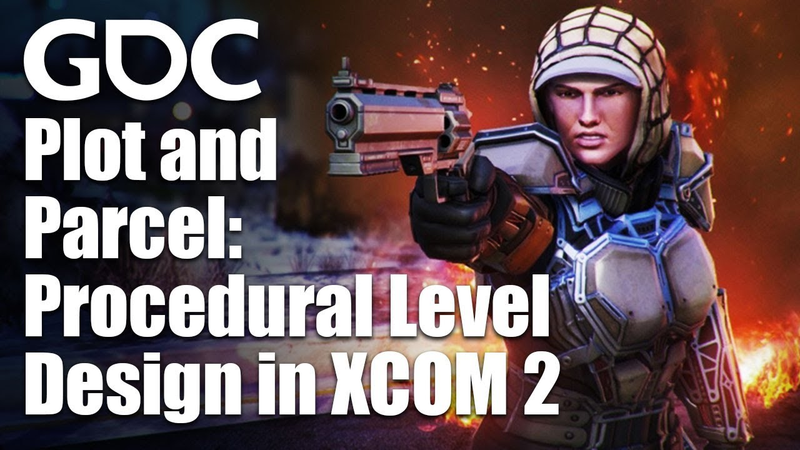
be talking using examples mostly from our latest game fandom doctrine phantom returns a strategic turn-based espionage thriller set at the peak of the Cold War and we've received some high notes including a nine out of ten from GameSpot got a decent mara and user score respect to be 74 and 73 and occasionally I will compare phantom doctrine with our previous game called hard West it sold over 400,000 copies hard West Was has got 44 metacritic reviews which in this league is a lot at least like two times more than average and similarly only decent matter and user score respectively 74 and 77 so here's how fun hard West stacks against phantom doctrine phantom took almost twice as long by twice the team and it seems quality wise it's exactly the same thing so throughout this talk I also try
to answer the question what the hell strong theme and mood have been listed as major positive in over 90% of press reviews for both games is occasionally exploded so hairstyle theme and scope so the main kind of feedback we got for hard West was no territory management no base building no character development so basically not XCOM enough so infantile doctrine we added all that increase the budget increase the time increase the scope it has base management roadmap character development it just just like XCOM it has multiplayer that no one ever plays and all the systems and features who are there to support the theme and all systems are very interconnected and so we did encounter a lot of problems when we wanted to cut down and scale down some of the features cutting meant that the theme and the structure might fall
apart so in order to preserve your theme and structure and still be able to modify scope you should start building features in a module way so we start with defining the minimum viable project MVP for sure that is like the smallest possible version of a feature that still does the job and we treat all other ideas that come to mind and obviously there are a lot as expansion modules that may or may not be implemented this way you don't risk damaging your theme and you don't risk your structure falling apart because instead of cutting out features you can scale them down a lot the consequence of thoroughly implementing your theme is that it can explode in your face once again so to talk about this I'll start with explaining system that is called side
steps so way back in the day and classic XCOM you could accidentally run straight into your enemy and accidents like that are not very tactical in general strategic and tactical gameplay is about how you handle information so you need information to be able to play tactically so nowadays characters in those games like this characters stick to cover peeking out is called sidestepping however job doesn't solve everything consider a single tile of hedge right and hedge isn't covered so there are no cover side steps if this was indeed solid cover sites that side steps would work characters would peek and would see each other so we added what we call the free side steps characters can peak not only when sticking to cover but anytime anywhere in any direction now given that phantom doctrine being a Cold War spy thing is predominantly
interior based this solved a lot of unwanted surprises like the one I described at the beginning and made the game far more tactical sounds good right but here's how this solution occasionally backfires characters just shoot through walls it's not that frequent but we got a lot of flack from that a lot of negative feedback so in order to fix systemic design issues it's good to go back in time and analyze your trail of thought step by step you'll usually find a couple of weak links and weak points that you could improve so we wanted the player to have more information and for tactical gameplay interiors you need more information about enemy position but you have to see a character to reveal them so we broaden the definition of seeing someone we have the free side SEPs and because line of sight equals line of fire as in if you see someone you can shoot them first more unclear cases of line of fire and
there's and there was a result of that occasionally characters shoot through walls so to untangle this situation you have to like take a step back and find the ponic point that you can deviate from most easily so for example we could also reveal enemies that you hear instead of doing free side steps which would probably be a better solution so I have no idea why it came to me like the moment I was writing this talk so anyway so there's also a more general lesson to be learned here so in systemic games ludonarrative dissonance pertains to rule so the theme in your game will get the player in a certain mood and this mood will affect how the player interprets the rules of the game because the narrative is built by your systems in forms in form of player stories so game
rules should go hand in hand with the game theme if your theme is realistic players might expect realistic rules if your theme is abstract players will be okay with abstract rules ok so I want you to make like an important pillar of hardware's because it works with the theme right luck is very wild Westy and people have a lot of ideas about how exactly like works and often you can use the common understanding of an abstract concept and make it into a game mechanic so that's exactly what we did and Hardware slack system works like this that's that's my funny gift I have one and this is it like like you if you were planning to laugh at some point during just throughout this presentation this is this is the moment excellent thank you so characters have luck and luck helps you dodge shots when you shoot
target lag is reduced by the amount in quality accuracy and when the target slack is depleted you hit the target the reception of this was in general very good it catered to the group of XCOM players who didn't like random number generation it gives you compelling predictability it's new it's fresh and it sets hardware apart from excellence ooh exactly what we wanted so we did a similar thing in phantom doctrine as we all know like real-life agents and spies like James Bourne yeah Jason Bourne and James Bond are trained to have great awareness constantly aware of their surroundings they never get surprised by an attack you need to really wear them down to be able to shoot them so in front of doctrine awareness system replaced the lock system so our characters can dodge shots when they see them coming and mathematically it's almost the same system but for some reason a lot of players didn't like it why like why did the system why did this
system get good feedback in hard West but bad feedback in phantom doctrine now consider what is the common standard system for a chance to hit accuracy is a percentage chance to hit make her all lower than that percentage to hit simple as that so hardware straight-up lied about this we added a percentage symbol and called the chance to hit which it wasn't like I know there are no more random brawls here and it was far better received because this was a simplification good enough for beginning players and expert players so right through and appreciated at work panic met clockwork mechanic behind it so how to do it right how a system works and how it's presented to the player are two completely different things how it works is for the power players how its present it's for the new players system mechanics and its
presentation are two vastly different things so in other words if your new mechanic behaves like something familiar just make it look familiar lie about your mechanics to on board the new players and never let your theme confuse the player there are some when in doubt just clarify the mechanics even if you damaged your theme so about balance structure which is something super complex that no one knows how to do and sometimes it just works and people have like spreadsheets and [ __ ] so there are two main gameplay layers in fandom doctrine the tactical and roadmap and in the world map enemy AI will create events that the player has or chooses to react to and with almost all even types one of your options is to
start a tactical mission we're mission type is the term either even type okay you got this okay so for example if you attack an enemy agent on a mission to find your hideout you'll have a tactical mission where you have to kill a single enemy agent and hunt them down or if enemy is plotting to assassinate an informer of yours you'll start a mission that is basically a VAP rescue so we have a decent variety of mission types that are quite different and ideally given how many mission types there are there should be variety and players should on average play similar amounts of different missions yet we got obviously a lot of backlash for a repetition and players said it's boring because they only play one mission type or over and over so turns out with this
structure this could not be fixed because there are two conflicting ideas balance frequency of world events and balance frequency of tactical missions balance in the world map was tied to mission type balance so when I balanced the frequency of the world map events I broke the balance of tactical mission variety world map evens could never be equally balanced because they have different frequency and different conditions to be met before they could even appear on the map so the big lesson here is to adjust balance system separately and tactical missions and the world map missions should have been just unrelated each of those should have been balanced in its own regarding its own right and then tied this like obviously would hurt the team because that's why the connections were there but always watch out for situations where the
effects the balance because they will be problematic okay so we wanted the game to be possibly endless at any point okay so you don't have to proceed unless you want to you can collect loot you can gather secrets you can level up your agents and when you feel ready you can move on okay no pressure obviously a lot of pressure because there's like a conspiracy that's plotting to this regular role blah blah blah but in terms of gameplay and numbers no pressure and our estimate was 40 hours for a campaign playthrough and the feedback was obviously surprising so the people of course it's a boring repartee repetitive grind with 100 hour playthroughs what if I why would the players take more time to go through the campaign and complain about it why would they make their path
boring and then complete that it's boring so to untangle this you must first know how the big campaign loop how does the big campaign loop works so the game is split into what we call campaign stages in a string of perils structure and campaign stage is the open part between two story missions that's the loop okay where players can take on generated missions as many as they want and for each stage there's a finit pool of stuff they can find at random like weapons [ __ ] like that and when player chooses to do so they proceed to the next story mission to the next campaign stage where they unlock the new pool of loot so players can play infinite number of missions with finite number of random loot drops and random
unlocks but the problem is they don't know when they got it all and they don't know when it's okay when they should proceed now the reason for this is well the players kept in the dark because that's the theme you have a I organization and looking for a secret conspiracy that is like out there somewhere and they have secret documents so like it doesn't make sense no how many secrets do they have right so that's part of the fantasy not knowing what's out there but at the same time players will want to know they got it all like in Pokemon probably or something if they accomplished the goal so clearly communicate game states are of theme well-paced means something completely different for every player so just tell the player wins okay to proceed simply put the system's place on theme so in
phantom doctrine we have this super cool feature called investigation which I'm super proud of you're supposed to love it when you play it so you collect bits of information files photos and you make the connections to figure out the key information like who's the bad guy and so on so on so the feedback is pretty good like this is just like the movies should have made this a gift as well anyway so we put a lot of effort to turn this prototype into something good still felt wrong it was it was it was papers out of scale laid out on the desk connected with abstract lines so you know not looking crazy at all like at all so then it it would turn it into something much better that would deliver the right fantasy with the right details so with themes details are super
important and to do this right you need to pick one interaction that you want to simulate for your player and really get to the bottom of it so for example in a Satori the key interaction is finding the contradiction in the statement right but you don't have to learn the law right it's really simplified and it's really it really boils down to one simple interaction so find a winning game Starcraft shell you have one more funny gift I find it very funny so find the files find a winning game state in the fair state that you feel that feel just right you have to get these moments right because these key moments will deliver your theme because everyone who played a Satori recognizes exactly maybe not that you get the idea so this one's right we got the fantasy right with correct details what it really means to do to perform this act
and I guess the investigation board is about connecting right things but of course there were other issues with this so I'm again a lot of backlash so on average about 20 hours into the game players no longer were surprised by the content it provided and got bored so we kind of anticipated that and we feared that the players will grow tired of it because obviously there was a finite number of content in it although it was generated from pieces but still so we made it possible automate and skip the whole thing okay so we can assign your agents to do this for you and when you look at the achievement stats at least 91% of players did use the skip mechanic which sounds about right but it's like super wrong because players wanted to play this so much not to skip it right so they wanted it to not get boring in any foreseeable future so the problem here
the longevity of the feature so there are two conflicting ideas and two conflicting goals here one players can solve infinite number of case files on the investigation board and it never gets boring which is you know impossible because everything will get boring eventually there's will flow through any amount of content you can prepare and eventually it will get boring and they will wind out it got boring and it's your fault that they played it too much because it's so good so good but anyway so the solution here so how to do is write is write out how many times the feature supposed to ideally show up in your game it is not a number yeah three reason number three thousands is a number and plan exactly how much content in that feature do you need for this many uses of this feature and planned precisely how many how many actions the players will perform how
many times they will see a piece of information and encourage and reward the players to stick to your schedule or well if you didn't want that you can always like enforce it because you need to keep the audience hungry for more like if I for example if I knew best think the number one jig trick in the world and you saw it once you'd love it probably well it doesn't mean it's good but if I showed you if I showed the trick to you over and over a hundred times and then you'd get to the point where we'd say well it's not that impressive really it's kind of boring even in order for your gameplay mechanics to be magical keep the audience hungry for more and carefully plan the pacing systems are just a 14 think these these thought those are really bad but it was like version 3.0 and they're like so much better than they used to be anyway fandom doctrine has this feature
cover all called support powers so before the mission you can assigned agents through separate powers like sniper or spot stuff like that you can place them outside the mission area and gameplay wise these are just very simple direct global custom bilities with a nice cut scene they were super cheap so it went well because it was just enough it's a very very simple system very cheap system with simple directional stability and cheap cutscenes very relatively because we read a lot of content for that and that character in the cutscene is the has link the visuals of the agent that we assigned to do this so the lesson learned so the final effect was exactly the same as the first trivial prototype that we did plus all the bells and whistles and the prototype was very effective in perfect accurate so too often prototypes we all
make have very little in common with the final result and the more they differ the more messy the production is bound to be so make sure your prototype is exactly the gameplay you intend to have and not like half of it product should product should always be abstract making a feature fit the theme is so much easier than making a good feature it's easy to convince yourself and the team to a bad mechanic that is wrapped in a good theme so remember first game played and second the game the a coat of theme paint so every theme is a context in which words mean different things to initial like the initial goal for a feature we had called simultaneous simultaneous simultaneous owners was to provide change in the taste monotony so
the idea was to give the player and the option to act out or simultaneously players could give out any orders to all agents and have them do them have them do it all at once now the problem is it was it wasn't particularly good at anything so sure I can do a couple of things at once but why would I like it even takes more clicks this way so like no one used it and second if your game is based assuming it a real time mechanic is a technical nightmare so we narrowed it down to a single context a single use and we called it breach which means have all your agents enter and shoot everyone at the same time making that work that's what this word now means in the context of fandom doctrine and it's useful because it counters over all counters the enemy defense and they
won't like trigger when you come in and it's just three clicks so it's actually less clicks then if you were to do step by step so you just choose to breach choose the room and confirm that's it no because that's what it means in this theme to enter room simultaneously and neutral neutralized everyone in range so how to do this right make one use case work perfectly well and like okay if you've got the money do more but ask yourself this can your feature be shown in importantly experience at the push of a button and can you name it like the right way to be part of the fantasy and that's just a feature like tacked on top of the game okay so last part well I'm perfect so in a setting that fully depicts our realistic situation or context you'll be constantly wondering how far can you go with your own inventions so it's like
biography movies where usually where usually the plot falls apart somewhere towards the end because no real life is like written accord with the like three-act structure and so on so give your setting a unique spin spin to allow for anything you desire you need to give yourself means to channel any loose ends into where unresolved logic problems die so for example in phantom doctrine is game about spies but also have a massive worldwide conspiracy going on and the key mediums here are this could happen because if he was brainwashed for example and no one knows how exactly brainwashing works because it's like kind of fantasy literally who knows but anyway and the conspiracy theories they were all true all along so we're suckers for conspiracy theories
and a small part of us all wants them to be true and in case of hard West its wildest but with like demons and the occult so we made the assumption that the world of hardware is where own myths and legends were true and when you do that like any idea you have will because you know it doesn't have to take make sense that is it Thank You Casper if you have a question for Casper please come to the mic in the middle aisle we've got a good time for a couple questions and I've got one myself to start things off hey man hi yes I'm Ryan my question is about the difference between hard West and phantom doctor and you talked about how you had such a larger team and things for the second game so many more features and whatnot what do you think the result would have been if you'd kept
it the same scale as hard list do you think you know the review scores and things like that would have been about the same like was all that extra effort you know did it amount to something okay so given how many times I was so wrong guessing how a game will do not even I'm not talking on the hour games but like all the games in general that like I have no [ __ ] clue like could be perfect could be next to nothing no idea yeah yeah but there's like once we like given that we at this topic so there's one thing that we could have done like mid production to avoid many of the issues because we didn't adapt for the pace at which were able to hire people and that was one of the one of the biggest problems in the development you know we needed to like develop the game but we didn't have the whole team yet yeah yeah so for future games if you made a game in a similar genre again would you do similar sort of thing like
going the full sort of X convert so in our new studio that is super cool what we do is we the scope can 100% be delivered like the team we have right now and we if we get more than we used expansions that I talked about and we can always do more but like we definitely can deliver what we have in like what we have what the plan is with who is on board right and with your with your new game are you are you you know planning the gameplay first or the theme first you're doing what you what you mentioned well we usually do this at the same time so it's a gameplay plus theme and it has to work together really well awesome question yeah it's actually related to that last question you just asked which is when you're starting a game you made a really good point which was when you prototype don't put art in it because that will trick you just do the gameplay but can you talk about how
you develop a game from the ground up like if it's not if theme is a big part of your like idea origination for game do you do art tests in parallel with gameplay prototypes or how does that process come together in the beginning okay so should I repeat the question no it's alright I just write so the process more or less goes like this first like in general I really don't like waiting for ideas to happen so I usually like steal ideas i refactor ideas I reuse ideas and maybe no one will notice whatever but I try not to wait for ideas apart from game ideas where I just look or actually wait for ideas to come for pairs of gameplay like base gameplay mechanic and thing that was the case we're far west where the theme works really well with this gameplay because
you know it's kind of empty the like this thumbs are small and it makes sense there's not many people around the buildings are low and so on so small and the combat is slow-paced as well so that's like step number one and then we should note down all the possible ideas we might have Oh a lot of them are stolen obviously from games from movies and we make a huge [ __ ] list of stuff that we could possibly have in the game and the rule of thumb is we try to get it all in in some way like for example for hard West we wanted to have some you know poker cards in the game but obviously the the most obvious idea would be to put in a minigame which would be super [ __ ] expensive and why would we do that in in turn based okay so we use the cards to represent character abilities in character development system and it works pretty well so that's that's that's the process
more or less thanks alright last question so in your presentation it seems like try to identify the problems and gather get the solutions you think might fit and it turns like it's become better so what if you are carrying the current experience and transfer transform yourself back to the past so you are basically are you going to do the same thing faster or this there's something you also you want to do so I definitely would like to come back to the jar at some point but like there's so many games I could make I would like to make so but the thing is I always try to do a like really solid post-mortem that is like super critical and super negative because I believe that either you succeed or you learn and there's like a lot of learning here so it's kind of run related to our future plans okay
all right thanks so much about make sure you fill out your email survey forms to let cast you know what you thought it's only if you like only if you liked it thank you so much Casper [Applause]
Auto-generated captions from YouTube — names and numbers may be misheard.
Key insights
6 takeaways · ~2 min read- 01Design systems and balance for the world map and tactical missions independently, as coupling them creates rigid dependencies that make it impossible to adjust one without breaking the other.
- 02Prioritize gameplay mechanics over thematic wrapping, as it is easy to convince a team to accept a poor mechanic simply because it is disguised by a compelling theme.
- 03To prevent content fatigue, define the exact number of times a feature should ideally appear in a game and plan the precise amount of content and player actions required to support that specific frequency.
- 04Separate how a system functions from how it is presented to the player; complex, clockwork-driven mechanics can be simplified for the user interface to satisfy both casual and expert players.
- 05Ensure prototypes represent the final intended gameplay experience, as prototypes that differ significantly from the final product lead to messy production cycles and feature bloat.
- 06When simulating a core interaction, focus on boiling the experience down to one simple, repeatable action that captures the essence of the theme, rather than attempting to simulate every aspect of a real-world process.
Ask AI about this video
Cite this video
Citation
Generating citation…












Comments