Monetization reports and market data
Documents

How RAID HQ implements its VIP system
The implementation of VIP systems in Western mobile games represents a strategic shift in monetization, traditionally dominated by Asian markets.
- Eight Pixels Square’s RAID HQ uses a six-tier VIP system to convert non-paying users into consistent spenders and improve long-term retention.
- The entry-level VIP tier is triggered by any hard currency purchase, serving as a psychological bridge to overcome the initial barrier to spending.
- Low-tier VIP benefits focus on quality-of-life improvements, such as removing forced advertisements and providing a 25% increase in cards from free chests.
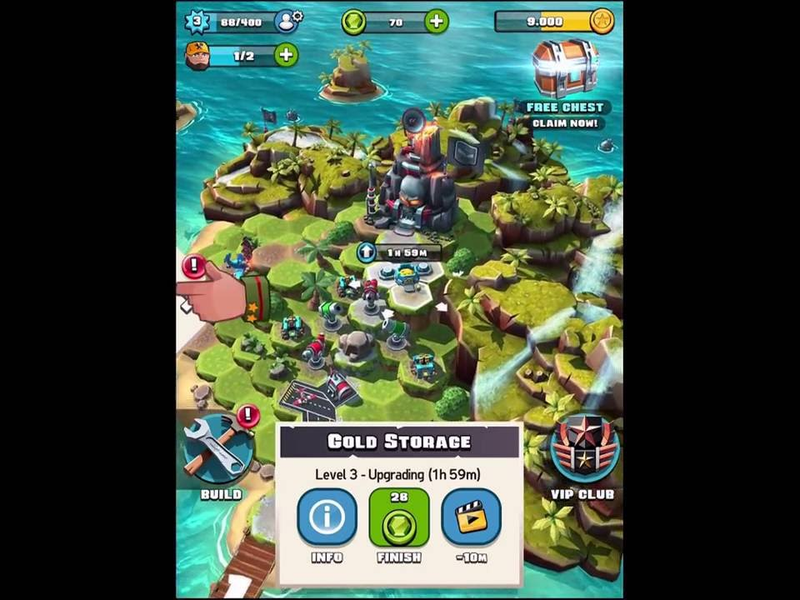
Monetizer: RAID HQ
RAID HQ, a portrait-oriented, card-based shoot-'em-up developed by the UK-based studio Eight Pixels Square, serves as a case study in the integration of Asian-market free-to-play monetization and retention mechanics into a Western mobile game.
- RAID HQ by Eight Pixels Square integrates Asian-market monetization strategies, such as VIP tier systems and Gacha-style card collection, into a Western-style shoot-'em-up framework.
- The game employs a VIP tier system that provides permanent account benefits, including increased card yields and ad removal, to drive consistent player spending.
- Progression is gated by a complex system of randomized rewards, resource-based color-coding, and time-limited tasks that allow for hard-currency bypasses.

How Leap Day integrates rewarded video ads
Leap Day, developed by the London-based studio Nitrome, serves as a case study in utilizing daily content updates and rewarded video advertising to drive player retention in mobile gaming.
- Nitrome utilizes a daily content cadence in Leap Day, where levels reset every 24 hours to establish a consistent habit loop and reduce player churn.
- The game employs an opt-in rewarded video model that allows players to bypass in-game currency requirements for unlocking checkpoints or accessing past levels.
- The core retention strategy relies on time-gated, fresh content to prevent the player fatigue typically associated with static mobile gaming titles.

Rewarded video ads in RAID HQ
Eight Pixels Square utilizes rewarded video advertisements within the free-to-play shooter RAID HQ to enhance player progression and resource acquisition.
- Eight Pixels Square integrated rewarded video ads into RAID HQ to create a value-exchange model where players trade time for tangible in-game progression.
- Players can choose to watch an ad to reduce base upgrade timers by ten minutes, directly impacting the game's metagame development loop.
- The game offers a ten percent gold reward boost for combat missions if the player opts to watch an advertisement before starting the mission.
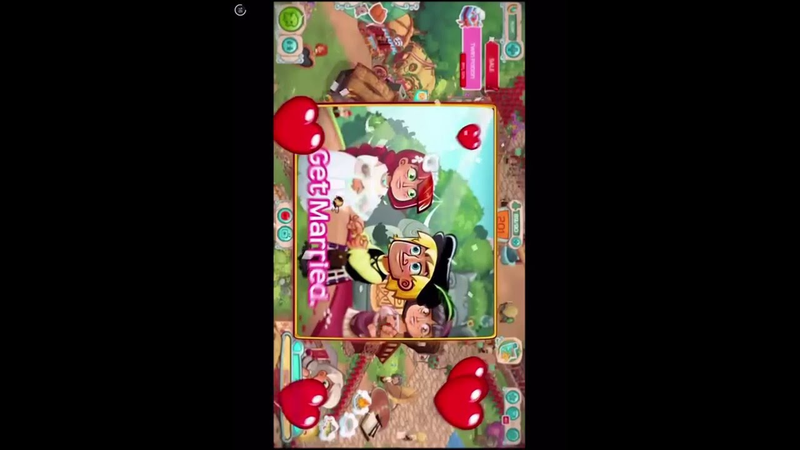
How not to integrate video ads - part 2
Poorly executed ad integration strategies significantly degrade the user experience in mobile gaming, particularly when developers fail to distinguish between rewarded video ads and intrusive, forced interstitials.
- Forced, non-rewarded interstitial ads triggered immediately upon player failure disrupt gameplay flow and negatively impact user retention.
- Effective monetization requires a value-exchange model, such as rewarded video ads that offer players tangible progress or in-game currency in return for their time.
- Technical implementation failures, such as displaying landscape-oriented ads within a portrait-mode interface, degrade the professional quality of the user experience.

How not to integrate rewarded video ads
Effective monetization in free-to-play mobile games relies on the seamless integration of rewarded video ads, which serve as a critical indirect revenue stream.
- Rewarded video ads should be strategically placed as a 'continue' mechanic to leverage a player's desire to extend their gameplay session, rather than being limited to small currency rewards.
- Forcing intrusive, non-opt-in ads immediately after a user has engaged with a voluntary rewarded video creates a negative experience that undermines the value of the rewarded ad.
- Poorly executed ad integration risks damaging long-term user retention, even in games that feature high-quality mechanics and robust upgrade systems.

Monetizer: Hungry Shark World
Hungry Shark World, the fifth installment in the long-running franchise, demonstrates a strategic shift toward a more robust free-to-play meta-game layer.
- Hungry Shark World achieved 10 million downloads in its first week and reached the top 50 grossing charts on the US iOS App Store.
- The game employs a hybrid monetization model that combines direct in-app purchases for currency and items with rewarded video advertisements for features like shark revivals.
- A robust meta-game layer—consisting of shark evolution, statistical equipment, and gameplay-assisting pets—is used to drive both long-term retention and monetization.
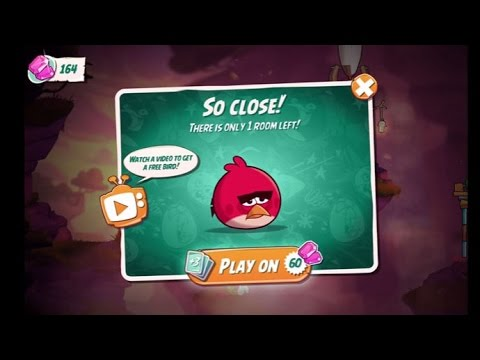
Rewarded video ads in Angry Birds 2
Rewarded video advertising serves as a critical monetization strategy in free-to-play mobile gaming, specifically within titles like Angry Birds 2.
- Rewarded video ads monetize the 95% to 97% of players who do not engage in direct in-app purchases.
- The model functions by offering players a choice between spending hard currency or watching a promotional video to bypass level failure.
- Developers maintain game economy integrity by implementing scarcity, limiting the number of times a player can use video rewards before requiring hard currency or accepting failure.
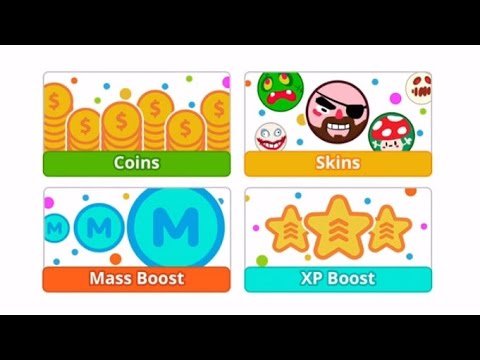
How Miniclip retro-fitted monetization to Agar.io
The mobile adaptation of the web-based sensation Agar.io faced a significant monetization challenge following its initial release as a free-to-play title.
- Miniclip retrofitted a comprehensive monetization framework into Agar.io in November 2015 to transition the viral web hit into a commercially viable mobile product.
- The monetization strategy centers on a virtual currency system that supports rewarded video ads, Tapjoy offer walls, and tiered in-app coin purchases.
- To drive long-term retention and engagement, the game uses a pseudo-VIP system that rewards players with bonus mass and currency for connecting Facebook accounts.

Why Marvel: Contest of Champions needs to rethink rewards for its Versus PVP mode
Marvel: Contest of Champions, a successful free-to-play mobile title, faces a disconnect between developer intent and player behavior regarding its Versus player-versus-player (PvP) mode.
- The Versus PvP mode in Marvel: Contest of Champions is the most popular activity for players seeking quick sessions, yet it lacks the meaningful progression rewards—such as premium crystals or catalysts—found in other game modes.
- There is a fundamental misalignment between the developer's energy-gated retention loops and the actual player behavior of prioritizing the most accessible and efficient gameplay modes.
- The current reward structure creates a friction point that discourages long-term retention, as players feel unrewarded for the time invested in the game's most engaging mode.

Rewarded video ads in Train Conductor World
Rewarded video advertising has emerged as a primary monetization strategy within the mobile free-to-play sector, offering a mutually beneficial ecosystem for developers, advertisers, and players.
- Rewarded video ads serve as a primary monetization strategy in mobile free-to-play games by providing a mutually beneficial exchange between developer revenue and player utility.
- Reactive reward integrations improve player retention by allowing users to recover from gameplay mistakes, such as continuing a mission after a failure.
- Proactive reward integrations offer players currency or items in exchange for viewing promotional content, functioning as a low-friction alternative to traditional banner ads.

Unlocking Admiral Ackbar in SW: Galaxy of Heroes
Star Wars: Galaxy of Heroes serves as a case study in the mechanics of character progression and player retention within the mobile RPG genre.
- Star Wars: Galaxy of Heroes utilizes a hybrid model of card collection and tactical combat, requiring players to manage teams of five characters through missions.
- Progression is gated by three core systems: collecting character shards for rank-ups, using training droids for leveling, and equipping gear to boost combat attributes.
- The game’s economy forces players to balance limited resources, specifically soft currency (credits) and energy, which creates significant friction in late-stage progression.