Monetization reports and market data
Documents

How to maximise mobile game revenue with Firebase and AdMob
Mobile game development faces significant operational friction due to the proliferation of disparate software development kits, which often distract developers from core gameplay design.
- Avid gamers represent only 35% of the total gaming population but generate 69% of total industry revenue.
- Avid gamers are significantly more likely to discover new titles through YouTube and Google search compared to light gamers.
- Consolidating backend management, user acquisition, and monetization tools into a unified ecosystem reduces technical overhead and allows developers to focus on core gameplay design.

Games marketing for the sophisticated buyer
Mobile gaming is a rapidly expanding sector, with projections indicating that 77% of mobile users will engage in smartphone gaming by 2019. Despite this growth, the industry faces significant monetization challenges.
- Mobile gaming is a high-growth sector projected to reach 77% of all mobile users by 2019.
- Developers must utilize third-party attribution systems to verify ROI and justify marketing spend, as attempting acquisition without these tools is the industry's most common failure point.
- Effective monetization requires moving beyond basic install tracking to analyze granular in-app events, such as specific currency usage and item purchases.
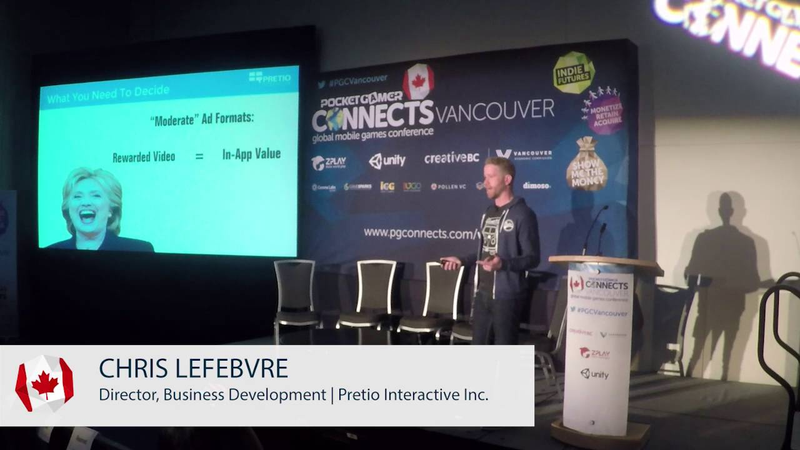
Advertising is a tax on the poor, and that’s OK
The mobile gaming industry faces significant challenges regarding user acquisition and retention, characterized by high costs and low conversion rates.
- Fewer than 2% of mobile game users make in-app purchases, necessitating advertising as a primary monetization strategy for the remaining 98% of the user base.
- Providing real-world rewards like coupons or discounts is the most effective advertising strategy because it offers tangible value that extends beyond the game environment.
- Delivering ads during positive gameplay milestones, such as leveling up or achieving high scores, increases the perceived value of the user's time and improves engagement.
Hacking the human brain – Irrational thinking will triple your game revenue
The core thesis of this analysis is that game developers can significantly increase revenue by applying principles of behavioral economics and cognitive psychology to their monetization strategies.
- Strategic application of behavioral economics and decoy pricing can increase in-game revenue by up to 425% compared to standard, non-optimized payment interfaces.
- Developers can drive higher-value purchases by using psychological anchors and relative comparisons rather than relying on the absolute value of in-game currency packages.
- Labeling specific purchase tiers as 'most popular' or 'best offer' effectively nudges players toward higher-priced options by leveraging predictable cognitive biases.
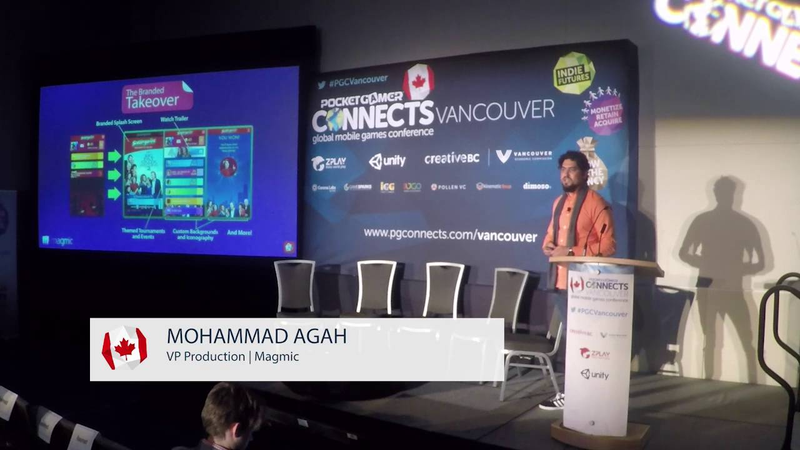
Maximising ad revenue through the next generation of Mobile advertising
Mobile game developers can unlock significant new revenue streams by shifting from traditional interstitial and video advertising toward immersive, brand-sponsored gameplay experiences.
- Mobile game developers can generate higher revenue by replacing traditional interstitial ads with immersive, brand-sponsored gameplay experiences integrated via server-side architecture.
- A Scattergories campaign with Universal Studios generated 16.5 million impressions, exceeding its 12 million-impression goal and producing six-figure revenue that outperformed standard advertising models.
- Branded content drives deep user engagement, as evidenced by Scattergories players participating in themed tournaments an average of 16.3 times with session lengths reaching 33 minutes.
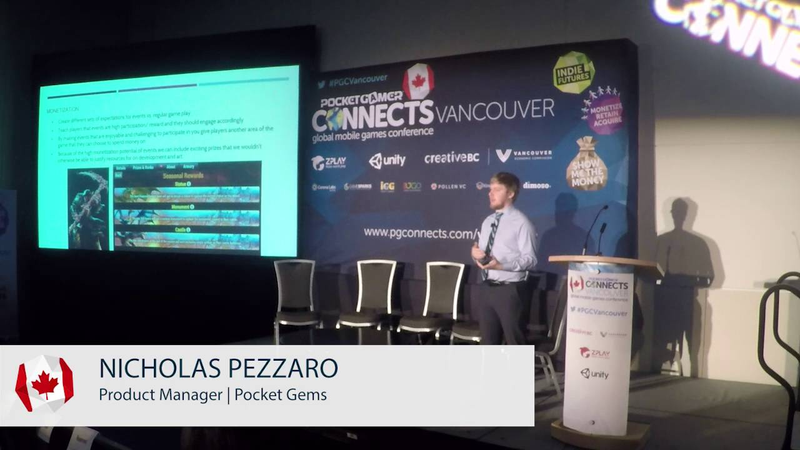
How in-game events can boost your monetisation, retention and gameplay variety
In-game events serve as a critical mechanism for mobile game developers to drive long-term engagement, revenue, and gameplay variety.
- Implement a server-side event system independent of core client code to enable rapid iteration, feature testing, and real-time responses to player feedback without permanent structural changes.
- Drive monetization by aligning high-value, limited-time bundles with event schedules to capitalize on periods of peak player engagement.
- Increase retention by segmenting event complexity, offering high-coordination challenges for veteran players and simpler objectives to facilitate onboarding for novices.

Appodeal on the best types of mobile ads and what the future holds for the ad space
Appodeal provides a programmatic monetization solution designed to simplify mobile ad integration for developers.
- Appodeal’s programmatic mediation platform uses a single SDK to aggregate over 35 ad providers, automating the selection of the highest-yielding ad networks in real-time.
- Dynamic mediation replaces manual 'waterfall' processes by analyzing geographic and user-segment data to ensure optimal fill rates and revenue performance.
- Rewarded videos are the most effective format for long-term monetization, as they allow users to sample premium features and increase the likelihood of future in-app purchases.

Free-to-Play's MECHANICS are Great - The Mini-Game Revolution - Extra Credits
Free-to-play mechanics, often criticized for their predatory pay-to-win structures, can serve as highly effective foundations for engaging mini-games when decoupled from real-world currency.
- Free-to-play mechanics can be repurposed as engaging mini-game systems by replacing real-world microtransactions with in-game resources earned through standard gameplay.
- Decoupling collection-based loops and strategic progression from financial barriers eliminates the exploitative nature of traditional Skinner box designs while maintaining player engagement.
- Integrating acquisition mechanics and armory-style progression into mini-games provides players with a sense of long-term investment, preventing side content from feeling shallow or forgettable.
Trends in mobile game monetization
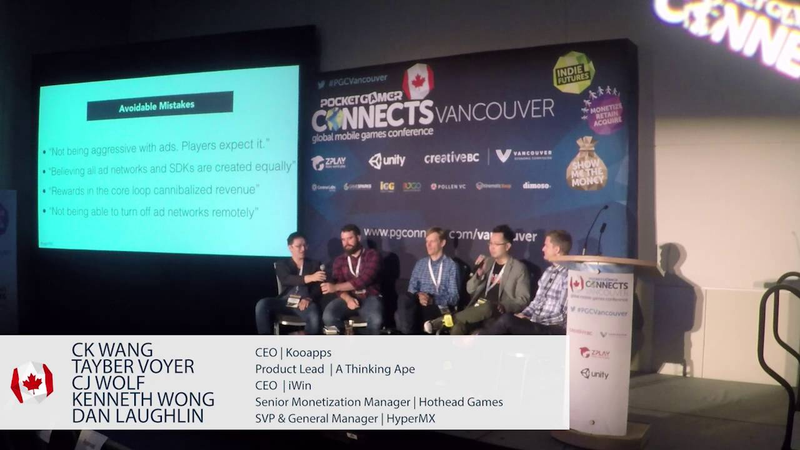
Mobile game monetization has transitioned from a peripheral technical integration into a core strategic pillar that balances revenue generation with long-term user retention.
- Monetization must be integrated directly into the core gameplay loop rather than isolated in menus to balance revenue generation with long-term user retention.
- Developers should aim for a frequency of one to three rewarded video ad views per daily active user by placing them at natural points of friction, such as level failure or resource depletion.
- Revenue performance is highly dependent on genre and demographic alignment, with casual titles targeting older audiences—particularly in the casino segment—commanding the highest eCPMs.
The importance of dynamic IAP pricing
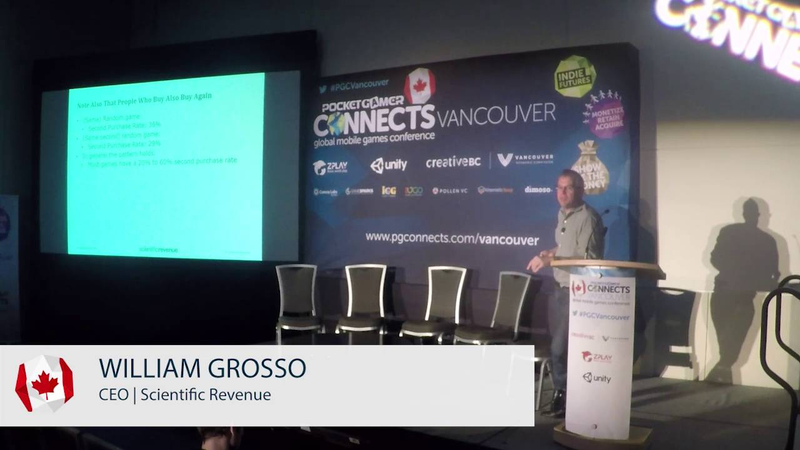
Dynamic in-app purchase (IAP) pricing is a critical, yet often overlooked, lever for mobile game developers to optimize revenue and user retention.
- Players who make an in-app purchase within the first three days are twice as likely to be retained by day 14 compared to non-payers.
- Successful initial conversion triggers a 'triple dip' effect, combining initial revenue, increased ad revenue from higher retention, and a 20% to 60% probability of a second purchase.
- iOS maintains a four-to-five-fold higher conversion rate than Android, though high-end Android devices often perform at parity with iOS.
Enabling your success through Unity ads and analytics
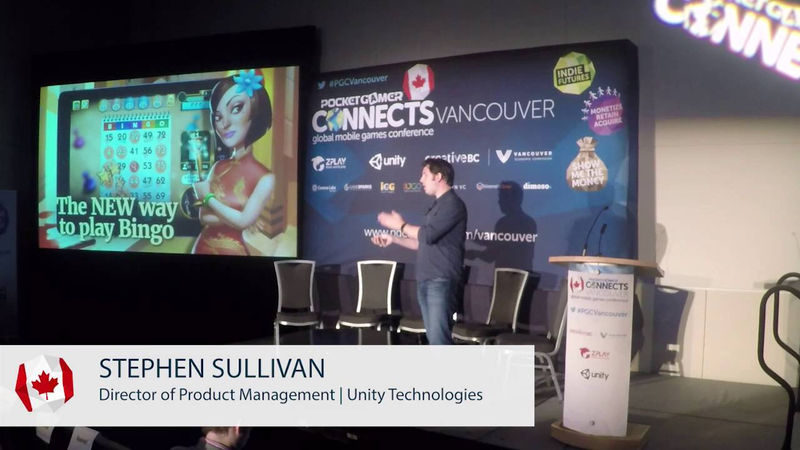
Unity Technologies provides a comprehensive suite of monetization and analytics services designed to maximize game revenue through a combination of advertising, in-app purchases (IAP), and data-driven insights.
- Strategic integration of rewarded video ads can increase ad-related revenue by 100% to 200% without negatively impacting in-app purchase (IAP) performance.
- 71% of players prefer rewarded video ads as their primary monetization method, and over 50% of developers report that these integrations maintain or improve player retention.
- Maximizing lifetime value (LTV) requires blending rewarded video ads with IAP by embedding them directly into core game mechanics rather than treating them as peripheral additions.
Why mobile gaming matters to Activision
Activision’s strategy for the mobile gaming market centers on leveraging its established triple-A franchises to engage existing communities across multiple platforms.
- Activision treats mobile as a primary, high-growth business segment that complements its console and PC operations rather than functioning as a secondary companion experience.
- The company’s mobile strategy centers on building titles from the ground up to suit platform-specific constraints and user preferences, explicitly avoiding simple ports of console content.
- Leveraging established triple-A franchises is a core tactic to mitigate the increasingly prohibitive costs of user acquisition in the mobile market.