Monetization reports and market data
Documents
Let's Be Honest About Indie Game Development — Q&A
This analysis explores the realities of independent game development, focusing on marketing, professional discipline, and the psychological management of creative work.
- Success in a saturated market requires shifting from passive promotion to interactive community engagement, such as crowdsourcing character names or design choices to foster organic growth.
- Relying exclusively on Steam is no longer a viable distribution strategy due to the high volume of annual releases, making platforms like the Nintendo Switch more attractive for discoverability and revenue.
- Developers should decouple their personal identity from their creative output to treat public criticism as a neutral tool for professional growth rather than a personal attack.

5 Ways To Make Money As An Indie Game Developer
Establishing a sustainable indie game studio requires a multifaceted approach to revenue generation and community building.
- Achieving 20,000 wishlists on Steam is the primary benchmark for ensuring a high-visibility game launch.
- Developers should negotiate publisher agreements based on gross revenue rather than net revenue to minimize recoupment deductions.
- Maintaining ownership of intellectual property is essential for long-term monetization through merchandise and cross-platform expansion.

How does Harry Potter: Hogwarts Mystery monetise?
Harry Potter: Hogwarts Mystery, developed by Jam City, utilizes a narrative-driven, energy-gated monetization model common in mobile role-playing games.
- Jam City utilizes an energy-gated monetization model where players consume energy to complete narrative missions, with recharge rates set at one unit every three minutes.
- The game employs a dual-currency system consisting of gold (soft currency) and gems (hard currency), with gem purchase price points reaching up to $99.99 USD.
- Monetization is designed to prioritize long-term player retention and ecosystem engagement over aggressive, high-velocity spending or pay-to-win mechanics.
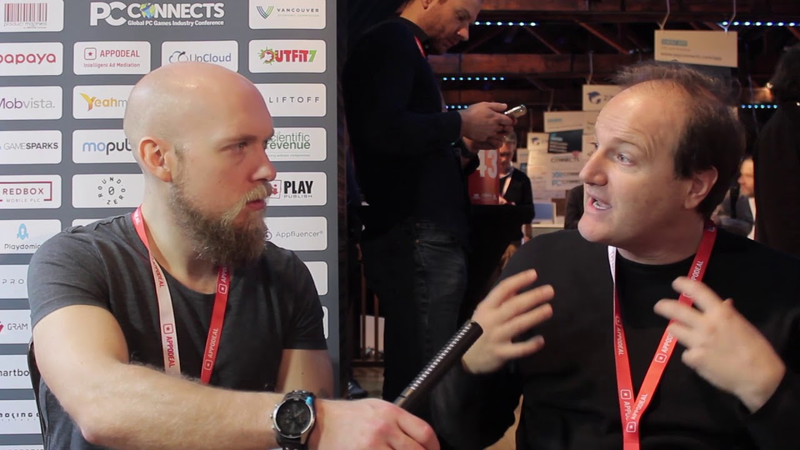
Wappier on improving mobile game monetisation by up to 50 per cent
Wappier provides a cloud-based platform designed to optimize mobile game monetization through machine learning, dynamic pricing, and loyalty programs.
- Wappier’s machine learning platform claims to increase mobile game revenue by 30 to 50 percent by replacing static pricing with automated, data-driven engagement strategies.
- The platform processes over one billion data points daily to automate real-time store provisioning, regional price adjustments, and personalized bundle offers.
- Dynamic bundling strategies are used to increase revenue without destabilizing in-game economies, avoiding the risks associated with traditional single-item discounting.

How does Marvel Strike Force monetise?
Marvel Strike Force utilizes a complex, multi-layered in-app economy typical of squad-based mobile RPGs, centered on the acquisition and development of iconic Marvel characters.
- Marvel Strike Force utilizes a dual-currency model consisting of gold as a soft currency and power cores as a hard currency to drive its squad-based RPG economy.
- The monetization strategy centers on loot boxes known as 'orbs,' which provide players with character shards and gear components necessary for progression.
- The game minimizes early-game friction by distributing resources generously, ensuring players rarely face progression bottlenecks during the leveling process.

Dear YoYo Games...
The current business model for GameMaker Studio 2 faces significant criticism for its restrictive free-tier limitations, which threaten the engine's long-term competitiveness against industry rivals like Unity and Unreal Engine.
- GameMaker Studio 2’s current business model, which imposes a $40 fee to remove object and sprite count limitations, creates significant friction that discourages new users.
- The engine’s restrictive free-tier model is causing beginners to migrate toward competitors like Unity and Unreal Engine, which offer more robust free versions for experimentation.
- By prioritizing short-term revenue over user acquisition, GameMaker risks alienating the youth demographic, which serves as the primary pipeline for future professional developers.
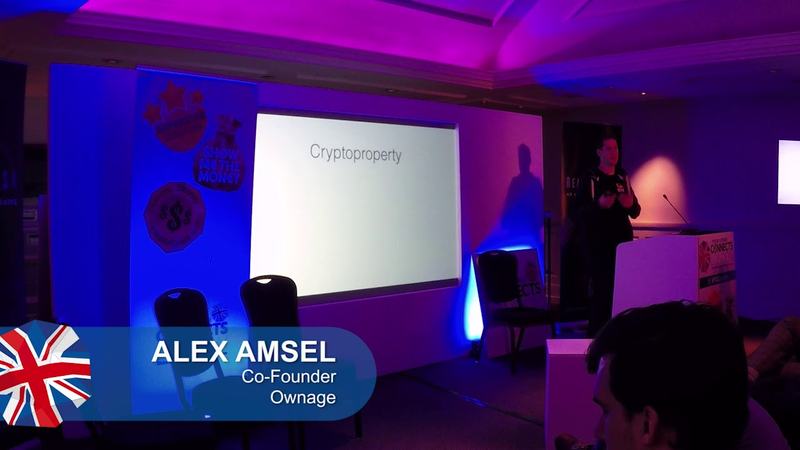
Tales from the cryptocurrency trenches
Blockchain technology offers a transformative framework for the gaming industry by enabling true digital ownership through cryptographic tokens.
- Blockchain technology enables true digital ownership by moving virtual assets from centralized databases to decentralized, immutable ledgers, allowing users to trade or hold items independently of the developer.
- Developers can implement new monetization models, such as secondary market royalties, asset pre-sales for crowdfunding, and cross-game interoperability where items retain utility across multiple titles.
- Verifiable digital scarcity, recorded on public ledgers, allows developers to increase the perceived value of collectible items while fostering player trust by ensuring assets persist even if game servers are shut down.
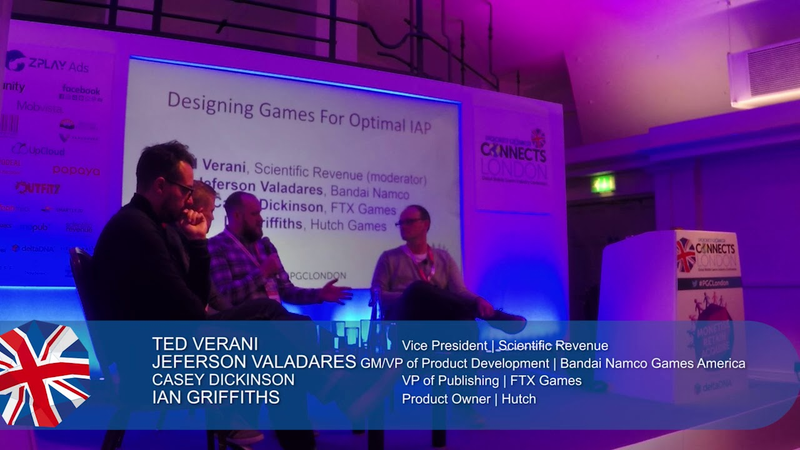
Designing games for optimal IAP
Successful free-to-play mobile game design necessitates the integration of monetization strategies directly into the core development process rather than treating them as secondary additions.
- Monetization must be integrated into the core development process from the start, as retrofitting revenue mechanics into an established game often degrades the player experience.
- Long-term player retention is the essential foundation for any revenue model, as games unable to maintain a consistent user base over several months cannot effectively monetize.
- Developers should adopt a live-service mindset, utilizing continuous content updates to evolve the game and maintain engagement well beyond the initial launch.
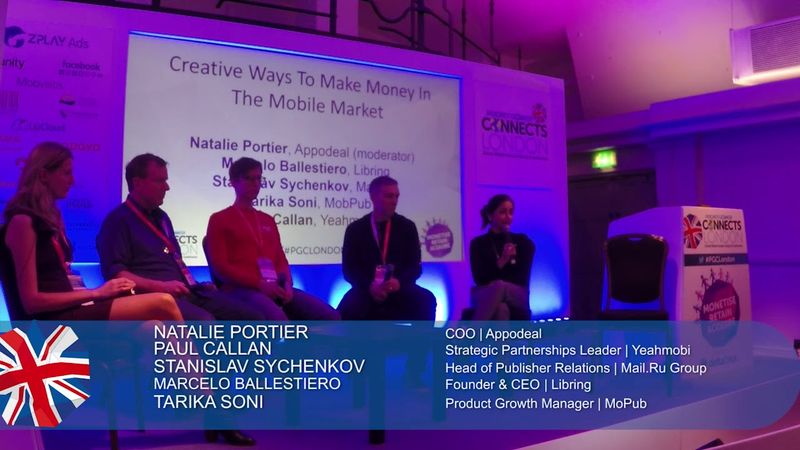
Creative ways to make money in the mobile games market
The mobile gaming market is undergoing a strategic shift toward hybrid monetization models that integrate in-app purchases with diverse advertising formats.
- Monetization strategy must be integrated during the earliest stages of game design rather than treated as an afterthought to maximize lifetime value.
- Hybrid models combining in-app purchases with diverse advertising formats are replacing rigid, one-size-fits-all approaches to better balance revenue and player retention.
- Rewarded video has evolved from a simple incentive tool into a core gameplay element that improves user retention when integrated thoughtfully.
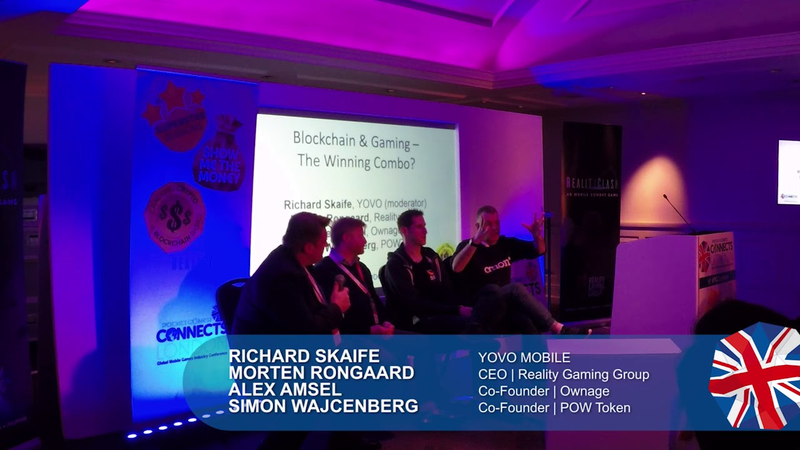
Panel: Blockchain and gaming – The winning combo?
Blockchain technology is fundamentally reshaping the gaming industry by enabling the creation of transferable digital assets and introducing sophisticated economic models that allow players to earn and trade value across diverse platforms.
- Blockchain gaming is shifting toward a mature phase defined by high-utility tokens and transparent economic models that enable genuine player ownership of transferable digital assets.
- The industry expects a transition over the next three years where the distinction between underlying blockchain infrastructure and speculative cryptocurrency becomes clear to the general public.
- Mass adoption depends on eliminating technical friction and security anxieties to ensure that blockchain interactions are as intuitive as standard financial applications.
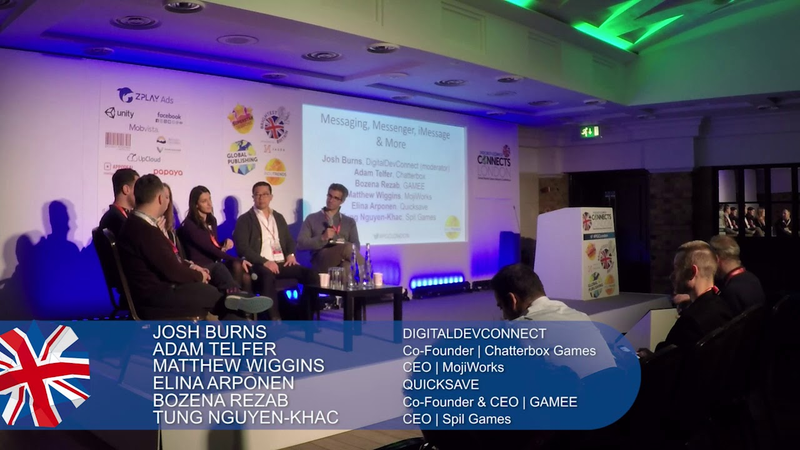
Messaging, Messenger, iMessage & More – Learnings and predictions from EU experts
Messaging platforms represent a significant frontier for the gaming industry, offering a strategic alternative to the increasingly saturated mobile app market.
- Messaging platforms serve as a strategic alternative to the saturated mobile app market by leveraging existing user bases to drive viral, social-based gameplay.
- Developers are prioritizing Facebook Instant Games over iMessage due to superior cross-platform accessibility and more robust developer support.
- To achieve near-instant loading times, developers must prioritize extreme technical optimization and maintain minimal file sizes.
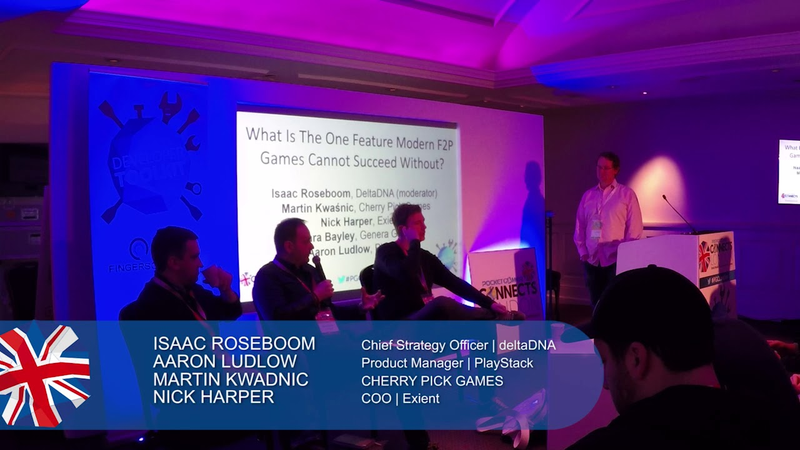
What is the one feature modern F2P games cannot succeed without?
Modern free-to-play game development prioritizes the seamless integration of core gameplay, monetization, and retention loops over radical innovation.
- Success in modern free-to-play games is driven by personalized experiences, where audience segmentation allows developers to tailor matchmaking, pricing, and content to specific cohorts like casual users versus super fans.
- Developers should prioritize iterative, data-driven refinement during soft launch phases to validate core gameplay loops rather than pursuing excessive polish or radical innovation before release.
- Long-term engagement and monetization stability are achieved by combining predictable live events with targeted, data-driven sales offers.