1 free read left. Create a free account for unlimited reading + AI research.
Create free account
5 Ways To Make Money As An Indie Game Developer
Key insights
7 takeaways- 01Consistent product releases, even on smaller platforms, are necessary to build the professional track record required for studio credibility.
- 02Developers should negotiate publisher agreements based on gross revenue rather than net revenue to minimize recoupment deductions.
- 03Securing an advance from publishers to cover development costs is a standard practice for maintaining financial sustainability.
- 04Maintaining ownership of intellectual property is essential for long-term monetization through merchandise and cross-platform expansion.
- 05Active social media engagement is required to drive organic discovery and wishlist growth in a market saturated with high volumes of annual releases.
- 06Achieving 20,000 wishlists on Steam is the primary benchmark for ensuring a high-visibility game launch.
- 07Crowdfunding platforms like Kickstarter serve as a vital tool for securing seed funding and bypassing traditional industry gatekeepers.
Ask AI about this video
Transcript
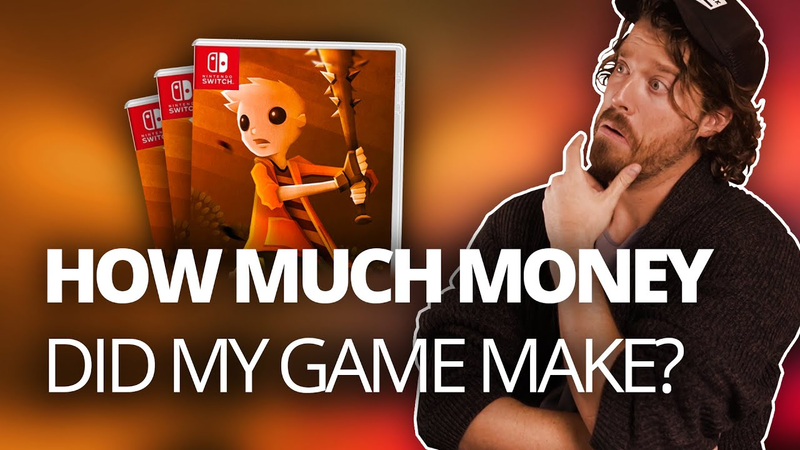
hey guys my name is Thomas brush and I'm the creator of a game called pinstripe and I'm also working on a game called once upon a coma they're strange weird indie games and I've been making games like that for almost 10 years now I got links in the description for you if you want to take a look at those games so basically I want to give you five ways to start it into game studio and make sure that it's sustainable make sure you're making money I have a daughter I have a wife I have a mortgage and just like you guys I've got bills to pay so it's tough it's really tough out there but I've learned a lot in this past decade and I want to share what I've learned with you guys so the first reason the first way to start an indie game studio and make sure you're actually making money might sound silly but it's just released something okay
just release a game I released your project even if you're not proud of it the reason why is you really want to establish credibility in the indie game community it's tough to release your first game so you might as well kind of get it out of the way you can release it on Steam but if you aren't really proud of your project or you feel like it's not exactly what you were hoping it would be because I mean any first project is not gonna be exactly what you wanted you could certainly release it on something that's not as I guess intense or nerve-racking as steam so something like gamejolt or maybe just release it on your own website your personal website or release it on social media so that's really important just establish credibility and the hope there and this is what I've been thinking about thinking about lately is I really just want to keep releasing games year after year after year and hopefully the drip of revenue for each game will increase and slowly snowball into a sustainable
profitable stream of products so that's the first way once you get that out of the way the second thing you need to consider is publishers okay publishers are believe it or not they're really helpful and it's kind of an icky conversation because I think there's a lot of a lot of bad connotation when it comes to publishers especially from the early 2000s so I think it was 2009 I signed my first deal with the publisher and I mean frankly they kind of screwed me over but I was a teenager and they waved cash in front of my face and I took the deal that company went out of business so I actually bought the rights back and they had actually purchased a coma so it wasn't a good deal there was a lot of stuff in that contract that hurt me and they didn't give me a good rest share at all I think I can't
remember what exactly what it was but I think they had like 90 percent of 90 percent of the revenue which is crazy so when you're when you're looking at working with a publisher here are some basic things that are sort of industry standard you're gonna want to advance to help pay you to actually work on the game so that you can actually quit your job or maybe take some time off of school to actually work on the game so they'll give you in advance and the advance might be something like 30,000 bucks it could be upwards to $200,000 for your first project it'll probably somewhere around 30 to 40 thousand dollars the red share that they should take will be maybe 20% to 50% you'll probably end up around 40% which is not great but it's it's I guess it's worth it if it's your first project again depending on who you're working with so once they you establish the
rev-share make sure that you clarify it's the red shirt gross revenue or is it net revenue and any lawyer will tell you this and this is important though make sure you make sure you talk to an attorney when you're working through these contracts but long story short go with net I'm sorry no no long story short go with gross gross revenue instead of in that revenue if it's net revenue they can include pretty much anything under the Sun to recoup before you actually get paid your revenue share so if they have an event or they throw a party or whatever they can put it into the budget and say that you have to recoup it they have to recoup it before you get paid so make sure it's gross and gross revenue is basically once team takes their cut that thirty five percent about thirty five percent then you split it down the middle okay then you take whatever steam pays the publisher you get your sixty percent or whatever so that's publishers
now what's next I think it's really really important that you focus on maintaining your current IP and exploiting it so that's number three exploit your IPS okay this is important so if you work with a publisher or if you license in any way or get an investor please for the love of God do not sell your IP and that's your intellectual property you created the game write the games you're working on right now that's your idea so don't sell that IP keep it and the reason why is because a publisher is gonna be taking the revenue or potentially a publisher or an investor are gonna be taking the revenue from your game when it's selling them varies platforms if that's the case you really want to make sure that you have other avenues to make revenue and that's why VIP is important so for me I'm selling t-shirts for once upon a coma which is a game about a little boy named Pete who wakes from a coma in this strange
nightmarish world I'm making t-shirts and I'm selling those right now so those are helping support the studio now it's not you know $3,000 a month it's not like a salary but it's certainly $200 it helps pay for health insurance for me and my family or maybe Business Administration costs so exploiting your IP in that way is really important now the cool thing is is this what back to our first point which is the more games you release the more IPs you can exploit so just keep working hard it'll stack up and build up it's kind of like throwing nets into the ocean the more Nets you throw any of the ocean the more opportunity to catch fish so that's really important exploiting your IP now the next point about starting your indie game studio is something that you're gonna hear at trade shows pretty much any trade show if you go to a business or a marketing trade show they're gonna tell you to stay on social media okay utilize social media I feel really
really guilty when I hang out on social media during my work hours my schedule is 8:00 to 5:00 like anyone else and I work in my my home studio so I get to work from home but I try and keep it 8 to 5 now I feel bad taking my schedule and spending that time on social media posting content on social media research in social media because I'm not actually getting anything done or at least it doesn't feel like it but the cool thing about social media is it's turning out that it's one of the most important and crucial aspects of running a profitable business especially with indie games okay so think about how many games were released in 2017 now I don't know if this statistic is right but I can remember was like 7,000 games were released on Steam that's a lot of games to compete with so if you don't have a following already a niche group of people following your projects it's unlikely that you're going to even if your games good even if it's great it's
highly unlikely that you're gonna be able to make a big splash in the sea of steam games so make sure that you're building your following so for me I'm spending a lot of time posting on Instagram Twitter my facebook group other various indie game Facebook groups and maybe even reddit or injure and what I use as a tool called HootSuite and I think it was like 200 bucks for a year to be able to it's really cool you can like type up one social media post with an image and when you post it it posts to all platforms immediately what's really good about this and this is something that I've mentioned yet is it drives people to wishlist your project wish list starts tremely important the niche group the niche following you have hopefully they'll go and wishlist your game on Steam or whatever platform you you want them to wishlist on
those wish lists are one of the most valuable ways to actually launch a game you could have an incredible marketing strategy you can work with a PR agency your publisher can invest thirty thousand dollars in in launching and marketing your game but if you don't have a good number of wish lists it's very difficult to make a splash so if you get 20% conversion of your wish list on launch and you have let's say twenty thousand wish lists that's a reasonable launch and what's cool is it'll hopefully make a big enough splash to get noticed and maybe even put you on the front page of steam has it happened for me yet but that's the goal for once upon a coma is to drive enough traffic from social media platforms to steam and get a certain amount of wish list so my goal is twenty thousand wish lists so that's social media it's really important you don't feel guilty spending time on social media it's it's certainly it's certainly worth its weight in gold so the final way to start an indie game
studio and keep it sustainable is you probably guessed it it's crowdfunding so pinstripes crowdfunding campaign on a Kickstarter was in 2016 and it raised over $100,000 once upon a comas campaign in total including post campaign funding was see here about ninety six thousand dollars was raised when you first think about launching a crowdfunding campaign you will feel insecure about it you feel like it's a silly thing to do and especially if you you I don't know you hang out with like your local friends and your local family and you tell them your idea of launching a Kickstarter campaign you know they know you as as Timmy who used to pick his nose when he was five years old you know not a business owner or an entrepreneur so you're gonna feel silly and you'll you might feel silly around the people who are closest to you but it's important to I guess understand
what the Kickstarter community feels about you the Kickstarter community loves indie developers and I'm starting to realize the reason why I think it's because of I think it's because of EA games so when they pull the kind of crap they pulled this year when so many triple-a companies are focused on I guess getting as much money out of their constituents as they can and the players as they can it kind of makes any game developers like me and you look like Saints you know building any games is a passion it comes from the heart I for one I'm not thinking about the money money is important but I'm not trying to get as much money out of my players as I can I really just want to tell a story and that's kind of the I think what made traditional gaming so special it was so unique when games first started coming
out they were primarily adventures they were stories a lot of them are story driven and they were simple and that's what the indie game industry is achieving is they're maintaining that simplicity that started from the beginning and so I I was worried the indie game industry bubble was going to burst but I don't think it is I think it's growing because the triple-a industry I think it's not it's not doing its job so be confident that the crowdfunding platforms and the communities on those platforms they want you to launch a Kickstarter campaign they want to support you so I'm thinking about making another video about how to make a Kickstarter campaign so keep an eye out for that but all in all just do your research and consider doing crowdfunding that's Kickstarter that's IndieGoGo that's patreon there's a lot of options out there to see if the community wants to help you out and kind of give you a
seed fund to start your dream anyway my name is Thomas brush again I'm the creator of a game called pinstripe and once upon a coma you can check out those games and the links in the description please if you love indie game development you want to learn more feel free to subscribe and trying to post as much as I can during the development of one's upon a coma hit the bell icon leave a like and let me know if you have any comments or questions in the comments below and I'll I'll try and answer them thank you so much guys bye
Summary
Establishing a sustainable indie game studio requires a multifaceted approach to revenue generation and community building. The primary objective for developers is to move beyond hobbyist status by treating game creation as a professional business, focusing on five core strategies: consistent product releases, strategic publisher partnerships, intellectual property (IP) retention, active social media engagement, and crowdfunding.
The foundation of a studio’s credibility lies in the consistent release of projects. Developers should prioritize getting games into the market—even on smaller platforms if necessary—to build a track record. When engaging with publishers, developers must negotiate carefully to ensure financial sustainability. Standard industry practices include securing an advance to cover development costs and negotiating a revenue share based on gross rather than net revenue to avoid excessive recoupment deductions. Crucially, developers should never sell their underlying IP, as maintaining ownership allows for additional monetization through merchandise and future cross-platform opportunities.
Marketing efforts are equally vital, as the high volume of annual releases on platforms like Steam makes organic discovery difficult. Maintaining an active presence on social media platforms is essential for building a niche audience and driving wishlists, which serve as the most critical metric for a successful launch. A target of 20,000 wishlists is cited as a benchmark for a strong, potentially high-visibility launch. Finally, crowdfunding platforms like Kickstarter provide a viable path for securing seed funding. These platforms allow developers to bypass traditional industry gatekeepers and connect directly with a community that values the passion-driven, story-centric nature of indie development, providing a necessary financial buffer to sustain long-term operations.







Comments