Mobile reports and market data
Documents
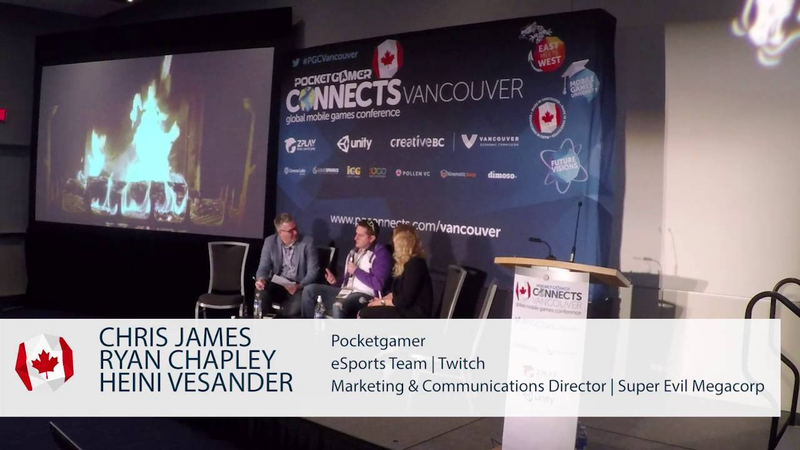
Will mobile eSports be a hit? Twitch and Super Evil Megacorp discuss
This discussion from the 2016 Pocket Gamer Connects conference explores the emergence and rapid professionalization of mobile esports, specifically focusing on the partnership between the streaming platform Twitch and Super Evil Megacorp, the developer of the mobile MOBA Vainglory.
- The massive disparity between the 3 billion mobile device install base and the 800 million PC install base makes the expansion of mobile esports an inevitable industry trajectory.
- Mobile content viewership is a significant driver for Twitch, accounting for 38% of total traffic and reaching 64 million unique users.
- In 2015, the mobile MOBA Vainglory generated 155 million minutes of watched content on Twitch, with major seasonal championships drawing 1.5 million unique viewers per weekend.
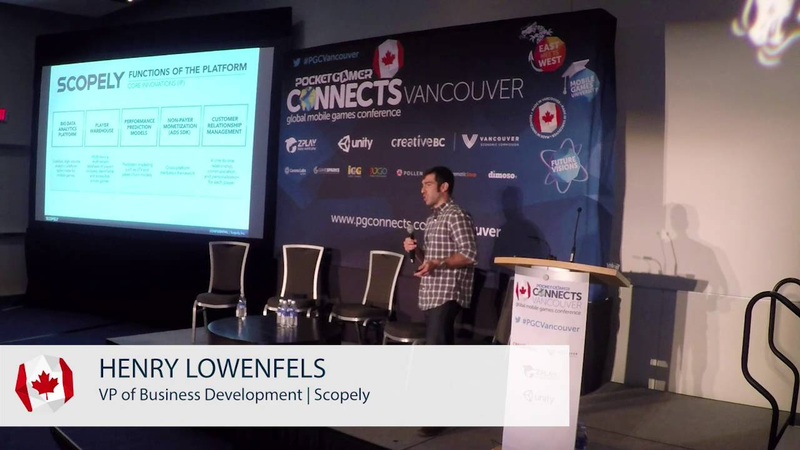
Boom and bust: Trends in mobile game publishing
The modern mobile game publishing landscape has undergone a significant transformation between 2012 and 2016, shifting from a model focused on simple distribution to one defined by data-driven, long-term live operations.
- The mobile game publishing model shifted between 2012 and 2016 from simple distribution to a data-driven, long-term live operations framework.
- Rising user acquisition costs and the increasing complexity of maintaining top-grossing titles have made traditional direct-to-consumer app store strategies insufficient for long-term success.
- Modern publishing success now requires a 360-degree infrastructure encompassing business intelligence, performance prediction models, and customer relationship management.
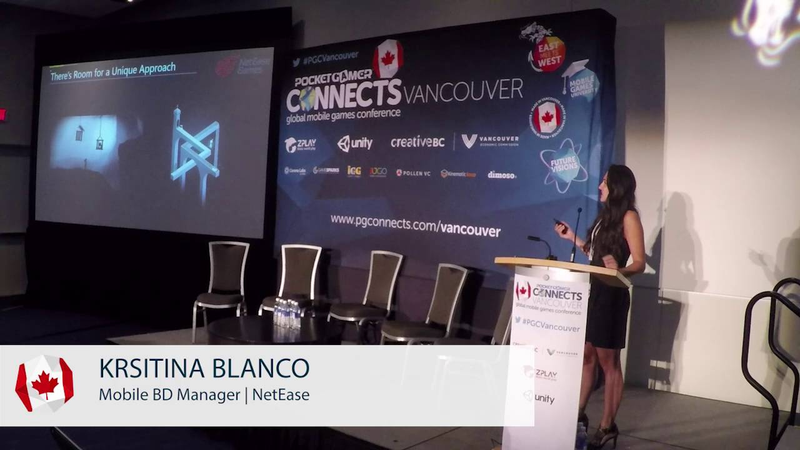
NetEase on how to break into the Chinese mobile market
The Chinese mobile gaming market represents a massive, high-growth opportunity for Western developers, though it requires a specialized approach to navigate its unique cultural, regulatory, and distribution landscape.
- Securing a local partner is essential for navigating China's complex regulatory audits, fragmented distribution channels, and rapid trend shifts.
- The Chinese market is highly concentrated, with the top ten titles capturing over 50% of total industry revenue.
- Successful entry requires deep adaptation of game design, including a shift toward hardcore RPGs and MMOs that support long play sessions and complex social economies.

Improving on Pokemon GO - Making Better Augmented Reality Games - Extra Credits
Augmented reality (AR) games often prioritize technical infrastructure over deep gameplay mechanics, leaving significant room for improvement in player engagement.
- Developers should shift focus from technical AR infrastructure to deep, traditional game design mechanics to improve player retention and long-term engagement.
- Replacing simple collection mechanics with Diablo-style loot systems provides greater variety and longevity than creature-based collection models.
- Combat systems should evolve from basic gestures to turn-based RPG mechanics that incorporate strategic equipment loadouts and character progression.
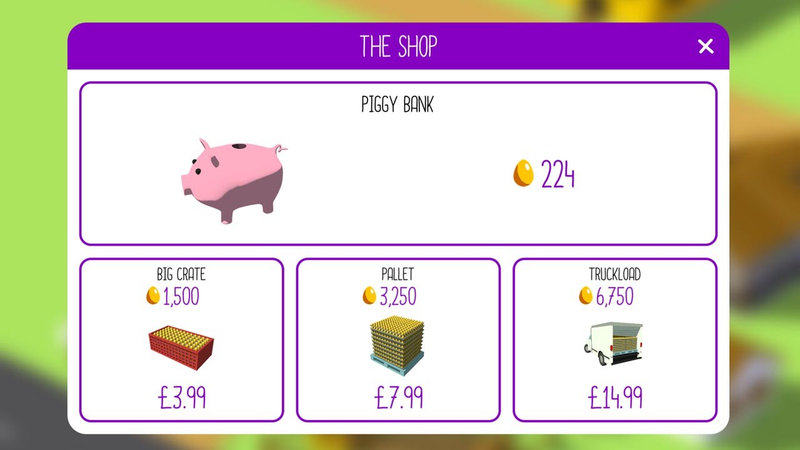
Egg Inc.'s neat self-pricing Piggy Bank IAP
The idle game Egg Inc. utilizes a creative monetization strategy centered on a self-pricing Piggy Bank in-app purchase (IAP) system.
- Egg Inc. utilizes a 'Piggy Bank' system where players accumulate premium currency through routine gameplay actions like researching upgrades and purchasing items.
- The Piggy Bank features a fixed monetary cost to unlock, but the amount of currency received scales based on the player's time and engagement levels.
- This model allows players to determine their own price-to-value ratio by choosing to 'crack' the vault only when the accumulated currency exceeds the value of standard store offerings.
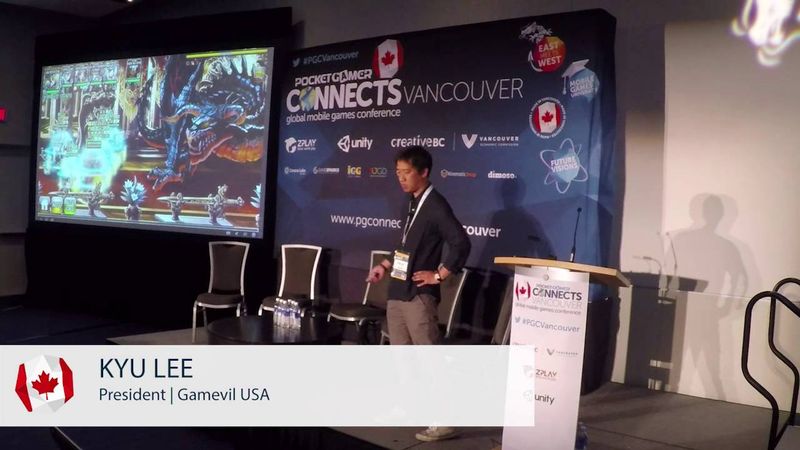
Trends in the South Korean mobile game market
The South Korean mobile game market is defined by a highly competitive consumer base, a dense urban population, and a rapid transition from PC-based MMO development to mobile-first gaming.
- The South Korean mobile market is driven by a highly competitive player base that views financial investment as a strategic tool to gain an early advantage, fueling the dominance of action-RPGs and collection-based games.
- With 25 million people concentrated in the Seoul metropolitan area, the market benefits from efficient word-of-mouth marketing and a culture that prioritizes social status and competitive achievement.
- Auto-battle features are a functional necessity for the market, allowing players to maintain progress despite the demanding work and academic schedules typical of the dense urban population.
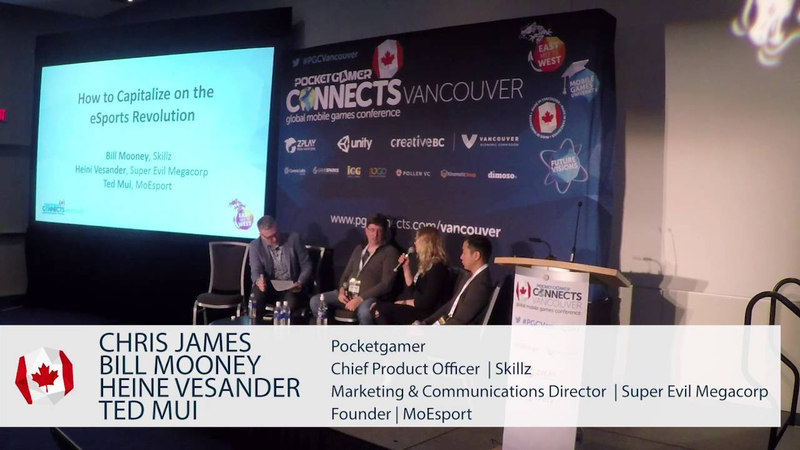
How to capitalize on the eSports revolution
Mobile eSports represents a significant, under-monetized frontier within the global gaming industry, currently valued at approximately $10 to $11 billion.
- The mobile eSports sector is currently valued at $10 to $11 billion and holds a potential audience of over two billion smartphone users.
- Long-term growth requires shifting from artificial, prize-driven incentives toward the cultivation of organic, community-led competitive ecosystems.
- Developers must prioritize equitable, skill-based gameplay over pay-to-win mechanics to ensure competitive integrity remains the foundation of the player experience.

Trends in mobile game publishing with Scopely, Flaregames and IGG
Mobile game publishing has evolved into a strategic partnership model where publishers function as co-developers, providing essential funding, marketing infrastructure, and operational expertise.
- Mobile game publishing has shifted to a co-development model where publishers provide funding, marketing, and operational infrastructure to allow developers to focus exclusively on core gameplay.
- Publishers prioritize developers who demonstrate team cohesion and the capacity to produce multiple titles, moving away from interest in one-off projects.
- Successful pitches must feature addictive, universally appealing core mechanics that transcend specific demographic biases.
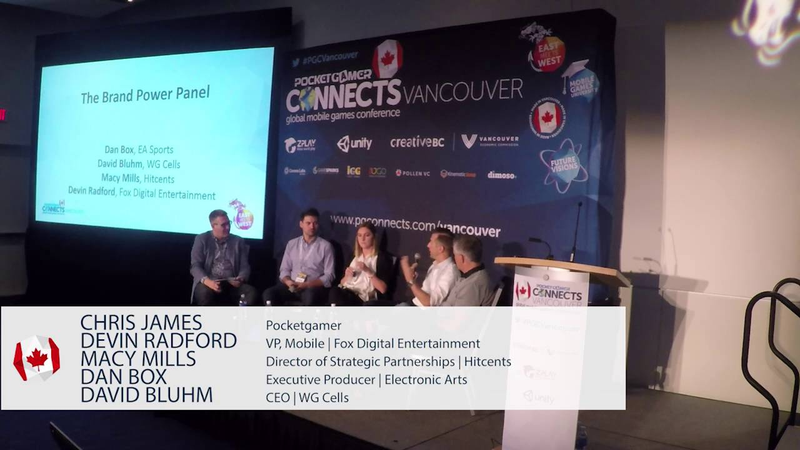
Trends in mobile game brands and branding
Mobile game branding functions as a strategic lever to mitigate rising user acquisition costs by capitalizing on established intellectual property.
- Mobile game branding is increasingly used as a strategic tool to counter rising user acquisition costs by leveraging established intellectual property to drive organic downloads.
- Successful IP integration now requires deep, collaborative partnerships where brand owners actively participate in the creative development process rather than acting as passive licensors.
- Major gaming franchises, including Call of Duty and Assassin’s Creed, are expanding into film and television to transform gaming titles into comprehensive, cross-media entertainment brands.
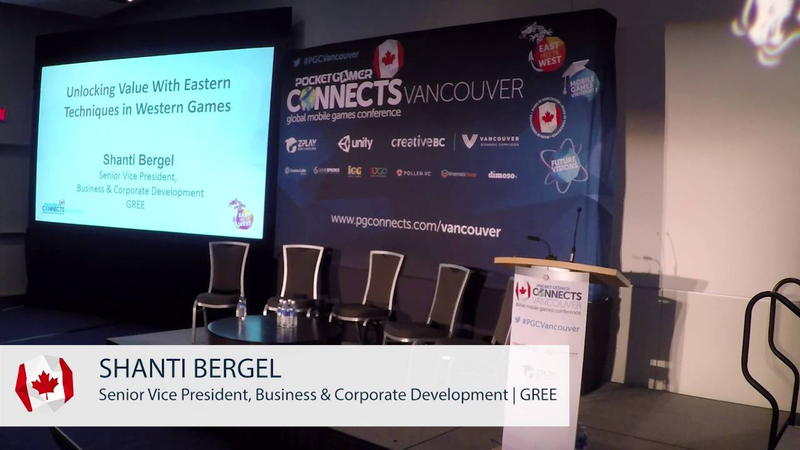
Optimize your F2P monetization using these Asian techniques
The primary thesis of this analysis is that Western mobile game developers can significantly enhance their monetization and lifetime value (LTV) by adopting established free-to-play (F2P) methodologies pioneered in Asian markets.
- Western developers can increase revenue and lifetime value (LTV) by integrating proven F2P monetization methodologies pioneered in Asian PC and mobile markets.
- Successful F2P monetization relies on the principle of arbitrage, where developers must ensure user LTV consistently exceeds the cost of acquisition.
- To maximize revenue, developers should implement advanced systems including aggressive PvP competition, complex progression loops, and calibrated gacha mechanics.
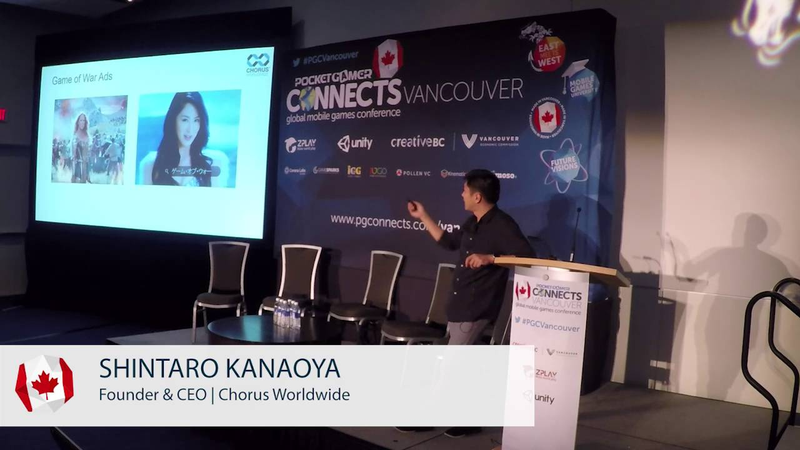
How to get your western game published in Japan
Entering the Japanese mobile gaming market presents significant challenges for Western developers, primarily due to the dominance of local titles and a distinct preference for specific gameplay mechanics.
- Success in the Japanese mobile market requires deep culturalization beyond simple translation, including adapting humor, font choices, and character art to overcome local consumer caution toward foreign products.
- Developers should adopt a shareware monetization model, offering a free initial experience with a single in-app purchase to unlock the full game, as premium titles face significant barriers to entry.
- App Store optimization must mirror traditional retail packaging by using detailed, informative graphics that explain game features rather than relying solely on standard screenshots.
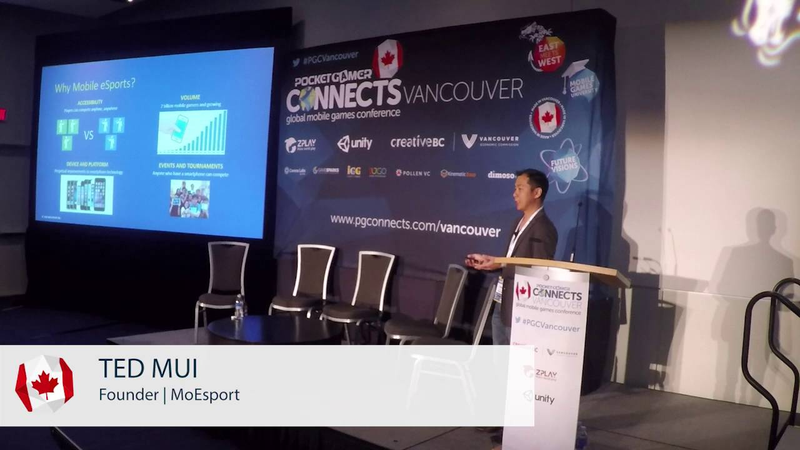
What's the future for mobile eSports?
The mobile eSports sector is experiencing rapid growth, driven by the increasing sophistication of mobile hardware and the widespread accessibility of smartphone gaming.
- Mobile eSports is shifting from casual play to high-quality, synchronous PvP experiences, with growth in North America and Europe projected to outpace the established Asian market.
- The industry is moving away from pay-to-win mechanics toward skill-based competitive integrity to ensure long-term viability.
- Sustainable growth is built on four pillars: gameplay balance, active community engagement, spectator appeal, and a consistent tournament cadence.