1 free read left. Create a free account for unlimited reading + AI research.
Create free account
Boom and bust: Trends in mobile game publishing
Key insights
6 takeaways- 01The mobile game publishing model shifted between 2012 and 2016 from simple distribution to a data-driven, long-term live operations framework.
- 02Modern publishing success now requires a 360-degree infrastructure encompassing business intelligence, performance prediction models, and customer relationship management.
- 03Rising user acquisition costs and the increasing complexity of maintaining top-grossing titles have made traditional direct-to-consumer app store strategies insufficient for long-term success.
- 04Mobile games have transitioned from static products into services that must compete for user attention within a saturated market.
- 05Publishers now prioritize 'five-tool' developers who combine strong product design and engineering capabilities with a willingness to integrate data-informed operational processes.
- 06The industry standard for survival has moved away from development speed and cost toward the ability to scale experiences rapidly through rigorous operational alignment.
Ask AI about this video
Transcript
hello great thank you guys for sticking around thank you Pocket Gamer and Chris for the introduction really excited to be here it's been a great week or a couple days so far and like Chris said I'm going to be speaking to you guys about what it means to be a modern publisher so I think a good place to begin at least for me and my personal journey through this crazy world is when i joined Scully which was 2012 and and the reason i'm choosing this date is because the publishing landscape looked significantly different if i can figure out at work this thing there we go ok in 2012 a lot of players up there that that were in the game that are no longer in the game and slowly but surely you started to see some drop off here mr.
I'm having a little bit of issue with this there we go ok so yes late but surely we we started to see a drop off and folks started to retreat from publishing and I think this was in large part because of the way that publishing was perceived at the time you know to taking a step back to understand yeah I'm having an issue with this with this pointer here it's not really responding there we go ok so so taking a step back to what what publishing meant across entertainment mediums you know you had the analog incumbents and yes some of these players are now doing some very interesting things on the Digital side but to illustrate the points you had players like New York Times Warner Brothers Activision thinking about things in a traditional consumer box product type of way putting stuff on shelves to sell to people Along Came
companies like BuzzFeed Netflix very bold statement I'm making by putting scope way up there but we would be honored to be considered in that company and we started thinking about publishing a little bit different because of the tools that we had at our disposal so no longer was about us telling the user what they wanted and serving to them it was really about looking at what the data told us and trying to understand what to make based on what we were seeing from the results of users interacting with the content no longer was it intermediate or he's just distributing the product to an end user you know a movie theater or a store selling a product but actually we were starting to create direct to consumer relationships with our customers listening to them talking to them oftentimes in real time and very customizing much customizing that message to the specific customer it was no longer about physical inventory didn't need trucks to get movie reels or video game cartridges across the country to get to the location where people would buy them and it was more about having unlimited shelf space being able
to put out as many games as you wanted whether or not that was a good idea that's up for debate but being able to spread the games out there in the market without limitation an RD was really inefficient when you were trying to test something when you were thinking about what to make it costs a lot of money to put something out there to get it in the hands of consumers you couldn't do what you can do today with with dummy ads and figuring out things via market research that happens in real time on the same device that people are actually consuming this content and and so as this started to change you know there there were a few key insights that I think really led to where we are as a modern publisher as scope lee and this is our point of view i think it's probably similar to some of the other publishers who are doing great work today and there are you know a handful of publishers that we have a tremendous amount of respect for out there despite the fact that there are less and there were in 2012 and we made a few observations and really embrace these things that the future of interactive entertainment is data-driven we really love this idea it's actually exciting to us that this is the intersection of art
meets science and I think that the folks who are really succeeding in today's market embrace this and they embrace it from the very beginning when they're conceptualizing the type of games they want to be making not only that but interactive entertainment is actually a better business than linear entertainment because you can operate in real time because you can have a conversation because you can understand what the user wants and then adjust and give it to them and then this was really the key insight that made Scully what scope today publishing interactive entertainment gets better with scale or as creating this entertainment does not so a big reason why scope lee exists is Zynga and and why do I say that the co-founders of scope we Walter an anchor and eitan and Eric they saw what was happening in the market in social games and what Zinka was doing from analytics from a bi from a customer service perspective was unstoppable there are marketing their user acquisition these guys you couldn't compete with them and while a lot of their early games had some really great magic you know the
creativity and sort of a lot of that inspiration that we're getting millions and millions of people to keep playing these games sort of war off when the same people were making similar types of games and you had the same DNA and this is and this is how we're set up at scope Lee you know we've brought in a lot of great talent we pulled from some of the best companies out there including the big red dog that I just mentioned and guys who've worked on all sorts of incredible IP but the reason we pulled these in is to identify the best talent outside of our four walls to bring them to market to work with them to create amazing user experiences so you probably know us from a couple games up made up here in Vancouver The Walking Dead road survival we did over 10 million downloads in the first 90 days it's been a consistent top 40 grosser on iOS top 15 right now in Google Play doing quite well our other title our family of titles that were really proud of is on the casual side dice with buddies and Yahtzee with buddies this is a four year old product believe it or not which which we've been able to optimize over time and bring into the top grossing
charts with with Yahtzee releasing last year but you know really I think it's important to understand what people were thinking about in 2012 when it came to publishing and at least from my perspective when I was getting on the phone with developers right Joe and Scully there were three main things how much you gonna spend on marketing are you gonna give me my Apple feature and can you pay me it was really the conversation and it was kind of surprising to me because I joined scope Lee a little bit ignorant Lee I'd say you know I was a huge gamer I've been playing games my whole life but my background was really traditional entertainment films and TV and the vision and the idea of the separation between the distributors the marketers the infrastructure so to speak and the creators was natural and Hollywood and music and literature pretty much every form of entertainment but really what i discovered the developers were asking themselves when i was picking up the phone and calling them was do i really need you didn't I just go to this platform because I want to create content and put it out and push it out to consumers myself with the click of a button isn't that what itunes connect as
for isn't know what the app stores for why do I need a publisher now that I don't need shelf space that's a really good question you know I mean why do you need a publisher and 2012 wasn't completely obvious because if you were making a great game and you were putting it out there you did not dispense out of money to get it to the top of the charts you did not spend a ton of money to keep it up there and to keep people playing it and you know the infrastructure surrounding things like CRM community management customer service product marketing all the testing that you do on the you a side analytics business intelligence it just wasn't there at the level of sophistication that we see today so what is publishing look like in 2016 and how do we think about publishing its copeley it is a 360-degree full-on wrapper around everything that goes into making an incredibly fun engaging game starts with product management and extends through live operations and when we think about product management at scope lee it's more than just data it's more than just looking at numbers and trying to pull levers it's really kind of the combination between design and user
experience as well as data and analytics product marketing user acquisition and PR I just mentioned that it was a fairly cheap to put out a game in 2012 well we all know with 5 10 15 $35 CP is it is no longer cheap and not only that you need to optimize over time you need to figure out the right way to brand your game you need to figure out the right way to change the creative so that you get different kinds of people interested in different player profiles coming into the game analytics and player insights there are plenty of off-the-shelf analytic solutions that are quite good but you know if you really want to be competing at the highest levels most teams that I know that are in the top grossing charts are actually using some custom analytics that they built themselves or or through a partner production localization and QA now that production values have gone up and up and up now that games are bigger than ever know that productions cost more than ever it's that much more important to be efficient it's that much more important to sure that you're shipping something that works on every device and it's that much more important that you're shipping something that everybody you're giving it to can understand add monetization
yield optimization now this used to be something that only happened in casual games because why would a mid core game need at you know there are people who are spending money in it that they're not casual users they don't want to see ads or in this game for a different reason well that's no longer the case as I'm sure you've heard a couple speakers say this week talking about things like incentivize video and and add approaches in different types of games and then business development licensing and distribution it's not just about getting your game out on the itunes store anymore we're in the east meets west it's about getting your game out in China it's about getting your game out in different markets it's about understanding what is the right IP to even begin with and then how do you custom cater this IP to the different markets in different ways and really it's a tiered kind of stack of the way we think about things you know at the top are the people the expertise the designers the product managers the marketers the operations is sort of the philosophy that we think about when we when we think about running our business what does it mean what do we do when we go to work every day and then the underlying technology beneath that that
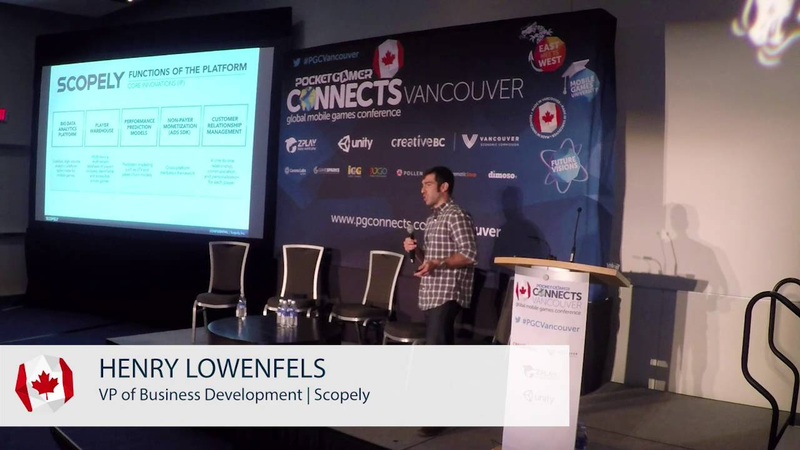
the CRM the analytics the platform the data all that stuff and taking a closer more granular look at the technology in terms of some of the things that we've built out our big data analytics platform our player warehouse our performance prediction models are non para monetization CRM I mean these are things that are not trivial it's pretty inside baseball stuff to really understand exactly who your consumer is what is the likelihood that they're going to churn and what are the comps and market that are telling you different things that you should be aware of understanding who a player is hey that guy played dice now he's in the walking dead we know who he is because he's in our player warehouse what are the things he likes what are the things he doesn't some pretty pretty in-depth technology and it requires a team of people not only to build it but to maintain it to support it and to run it so flash forward to 2016 the purpose of those last few slides in some ways was to make your head spin a little bit because it's kind of been wild to see from my perspective to joining scope Lee when we were a 20-person publisher in 2012 moving up to a 200-person publisher in 2016 putting out only a handful of
games a year and the fact is the reason why we're doing that is because we believe that in order to compete at this well if you want to win the war you have to show up with an army and you do need to go in generally speaking with a publisher if you're trying to achieve those top levels of top grossing success so why is it like this you know i mean what why why do we need all this stuff like what what happened well so when I was growing up I grew up in the in the 8-bit Nintendo era I got one for my sixth birthday played games every single day since then and one of my earliest memories about video games was actually going to the store the the rental store the blockbuster video we would go almost every Friday afternoon my parents one of my dad or my mom would take me my brother and walk in we would spend an hour half an hour 45 minutes debating which box we were going to take home because that was the box that we were gonna spend the next 48 hours with that was the game regardless of whether it was good or not that was the game we were playing because well it seemed like there were a lot of games there really
weren't you know there are really a handful of games that you had access to and it was however many games you could fit on that shelf well now 2016 the reality is no one needs another game if you're gonna make a strategy game why is someone stopping their game of war addiction or their clash of clans addiction or why should they stop playing clash Royale after they've invested six months and five hundred dollars into it you need to give them a reason and if you're going to give them a reason you need to be as granular as you possibly can when it comes to understanding the data when it comes to understanding player patterns behavior what their wants needs desires are why they play these games in the first place so it's kind of sounding like it's tough it's hard you know there's a lot of a lot goes into this like how do i get a publisher there's less of them there's all this stuff they do it's expensive to build my own company to be even be able to compete in this way so I'd like to kind of talk about what we look for and what are the things that are exciting to us how we evaluated developers in 2012 how that's changed we're gonna be
talking about this actually on the panel that's coming up so if this is an interesting topic encourage you to stick around but it's changed quite a bit and in 2012 there were a few key things we looked at we looked at development costs how much is it going to cost how quickly can we get this into market when we looked at what is the tech in the engine that was something that was actually really important something that was we said we're not going to do a game that's not in unity because of XY and Z and needs to be this way previous development experience you know platform genre agnostic how they shipped a game okay those guys have made skee-ball maybe they can make a strategy game that was the way we thought about things was a little bit more rudimentary in terms of you know the ability to ship a game maintain a game and how we thought about live operations and the themes were cost execution and efficiency now fast forward that should say 2016 evaluating developers in 2016 we are we're looking more for a well-rounded five-tool developer and what does that mean to us I'm a big baseball fan every team that's that's looking for their necks traffic is always looking for that mythical five-tool player who's really
well-rounded and can kind of do everything well very difficult to find but we try to balance this and make sure that there are some key strengths in certain areas and so power we think about that like UX product design if you're a power hitter if you're a home run hitter or you're a killer designer well you're probably going to be all right your average or speed might be able to be low because you're gonna be able to create amazing experiences tech and engineering extremely important and it's not just do you have an engine it's what are your capabilities it's can you scale something if we put something out there and we go spend 5 million dollars against us in marketing in the first week and you've got 10 million users in there is this thing going to stand up we're just going to fall over because we don't want that risk profile entering into an investment that's like that speed proven engine genre expertise do you have an engine I you go did that's a big part of why we partnered with them on the walking dead and if not do you have some kind of expertise that gives you a key insight into the genre as to why you guys are going to be able to win the category production process in team size efficiency is still important but it's more about are the processes
transparent and do they have the right team in place features as quickly as we need to be able to scale a game stand it up and then react to what's happening in real time and then very very importantly a willingness to collaborate and the leadership at the studio this is something that can solve a lot of the other issues because there is a lot that a publisher like ascoli brings to the table when they partner with the developer we're bringing guys who've seen a game that has grossed a hundred million dollars and have seen mechanics that have driven ARP towels north of a dollar time time again and so we want a partner who not that they don't have a creative point of view we're not trying to look for a work for hire shop that's just going to do what we say but we are looking for someone who wants to collaborate who wants to learn who recognized that there is value to working with other people who share a different point of view and so 2016 no longer is important development costs speed to market specific tech requirements and the underlying themes are now ux product focus and operational alignment because what we've seen is that when there isn't alignment between
two teams when there isn't that desire to collaborate that under common understanding of what it means to ship a successful game and how you get there it gets really messy you really really quickly and that's something that we weren't really paying as much attention to in the early days when i started talking to developers as we are today so a lot has changed in the past couple of years but i really do think it's a super exciting time to be an independent developer there's a ton of opportunity and the fact is i think there are more and more publishers emerging who are really starting to wrap their heads around what it means to ship optimize and and really grow game over time so thank you guys want to open it up to questions and I encourage you to ask me anything you
Summary
The modern mobile game publishing landscape has undergone a significant transformation between 2012 and 2016, shifting from a model focused on simple distribution to one defined by data-driven, long-term live operations. In the early mobile era, developers often questioned the necessity of publishers, viewing app stores as direct-to-consumer platforms that bypassed the need for traditional intermediaries. However, as the market matured, the cost of user acquisition rose sharply, and the complexity of maintaining top-grossing titles increased, necessitating a more sophisticated, 360-degree approach to publishing.
Current publishing success relies on the intersection of art and science, where developers and publishers collaborate to manage product design, user experience, and real-time analytics. Modern publishers now provide a comprehensive infrastructure that includes business intelligence, performance prediction models, customer relationship management, and global distribution strategies. This evolution is driven by the reality that mobile games are no longer static products; they are services that must compete for attention in a saturated market where players are already deeply invested in existing titles.
When evaluating potential partners, publishers now prioritize "five-tool" developers who possess strong product design skills, robust engineering capabilities, and a willingness to collaborate. The focus has moved away from rudimentary metrics like development speed and cost toward operational alignment and the ability to scale experiences rapidly. By leveraging deep data insights and specialized expertise, publishers help developers navigate the high-stakes environment of the top-grossing charts. Ultimately, the industry has moved toward a model where scale and technical sophistication are essential for survival, favoring partnerships that integrate creative vision with rigorous, data-informed operational processes.
















Comments